A quiet yard is fine, but a yard with hummingbirds feels alive. These tiny birds bring flashes of color, speed, and movement that make even a small garden feel more exciting. The problem is that many people put out a feeder and forget the real secret: flowers. If your garden does not offer bright, nectar-rich blooms, hummingbirds may pass right by.
The best flowers for hummingbirds usually have bold colors, tubular shapes, and plenty of nectar. Red, orange, pink, purple, and yellow blooms are especially useful because they stand out from a distance. The goal is simple: give hummingbirds a reason to stop, feed, and return.
Coneflower
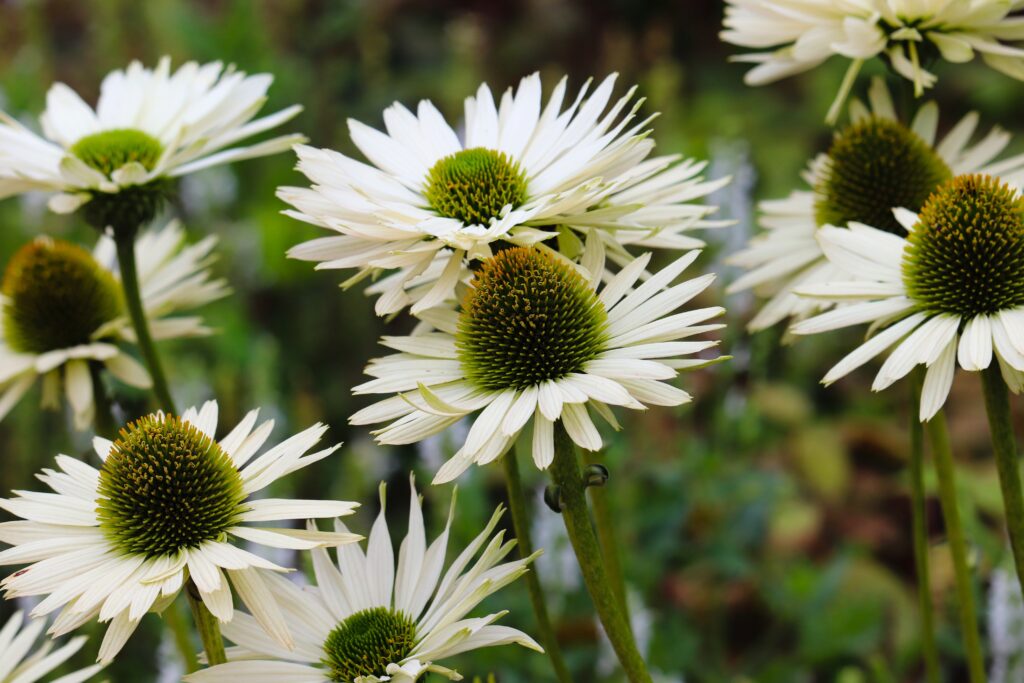
Coneflowers are the kind of flowers that make a garden look cheerful without demanding constant attention. Their daisy-like petals and raised centers create a bold landing zone that adds structure and color through the warm months. Hummingbirds are drawn to bright colors, especially red and pink, which stand out against the surrounding greenery.
They are also a smart choice for gardeners who want beauty without having to babysit every plant. Coneflowers handle full sun well, grow back year after year, and do best in well-draining soil. Add them to borders, cottage gardens, or sunny beds where their long-lasting blooms can become part of a reliable hummingbird buffet.
Bee Balm
Skipping bee balm is a mistake if you want a garden that feels busy, colorful, and full of motion. Its shaggy, firework-like blooms are packed with nectar, and hummingbirds love the tubular shape. Red bee balm is especially eye-catching, but pink and purple varieties can make a strong impact as well.
Bee balm works beautifully in garden beds where you want height, color, and pollinator activity. It prefers rich, moist soil and needs ample space around it to reduce the risk of mildew. Deadheading spent blooms can encourage more flowers, increasing the chances that hummingbirds will return.
Honeysuckle
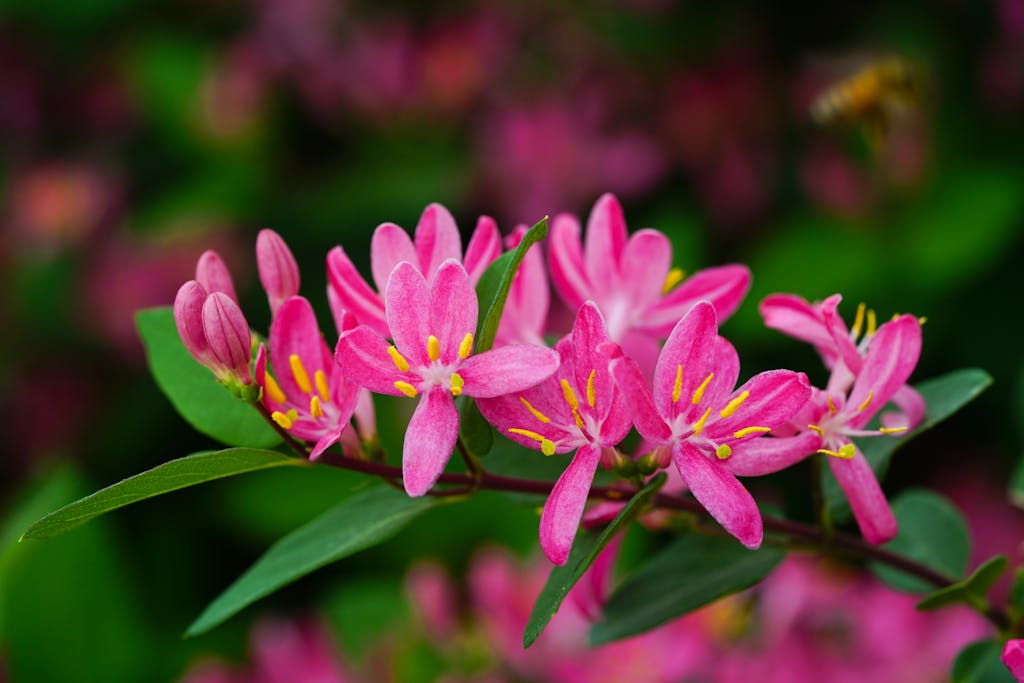
Honeysuckle is one of those plants that can make a fence or trellis feel romantic almost overnight. Its trumpet-shaped flowers are exactly the kind of blooms hummingbirds are built to explore. The sweet scent and bright colors make it even more inviting in warm weather.
The trick is choosing the right variety because some honeysuckles can spread aggressively. Native or well-behaved types are better choices for a hummingbird-friendly yard. Give honeysuckle support, such as a trellis or fence, and it can turn a plain vertical space into a living nectar wall.
Salvia
Salvia deserves a front-row spot in any hummingbird garden because it does so much with so little fuss. Its tall flower spikes form rows of tubular blooms that serve as tiny nectar stations. Red and blue varieties are especially useful because they add strong color and quickly draw attention.
This flower is also perfect for gardeners who want a polished look without constant drama. Salvia likes full sun and well-draining soil, and many types can bloom for a long season. Plant it in groups for the best visual effect, because a larger patch is easier for hummingbirds to notice.
Dwarf Hummingbird Mint
Dwarf hummingbird mint may be compact, but it does not behave like a background plant. Its bright orange blooms are hard to miss, and the tubular flower shape makes it a natural fit for hummingbirds. It brings warmth, texture, and movement to sunny borders and container gardens.
This plant is especially useful if you want something attractive but manageable. Once established, dwarf hummingbird mint can handle dry conditions better than many fussier flowers. Give it full sun and well-draining soil, and it can reward you with a tidy, nectar-rich display.
Hummingbird Mint
Regular hummingbird mint is a larger, bolder option for gardeners who want a longer bloom season. Its flower spikes can keep producing color from summer into fall, helping feed hummingbirds during important parts of the season. The plant also has fragrant foliage, which adds another layer of charm.
It works well in sunny beds, pollinator gardens, and relaxed cottage-style landscapes. Hummingbird mint prefers fertile, well-draining soil and benefits from deadheading when blooms fade. Since it also attracts bees, it is a strong choice for anyone who wants a garden that feels genuinely alive.
Zinnia
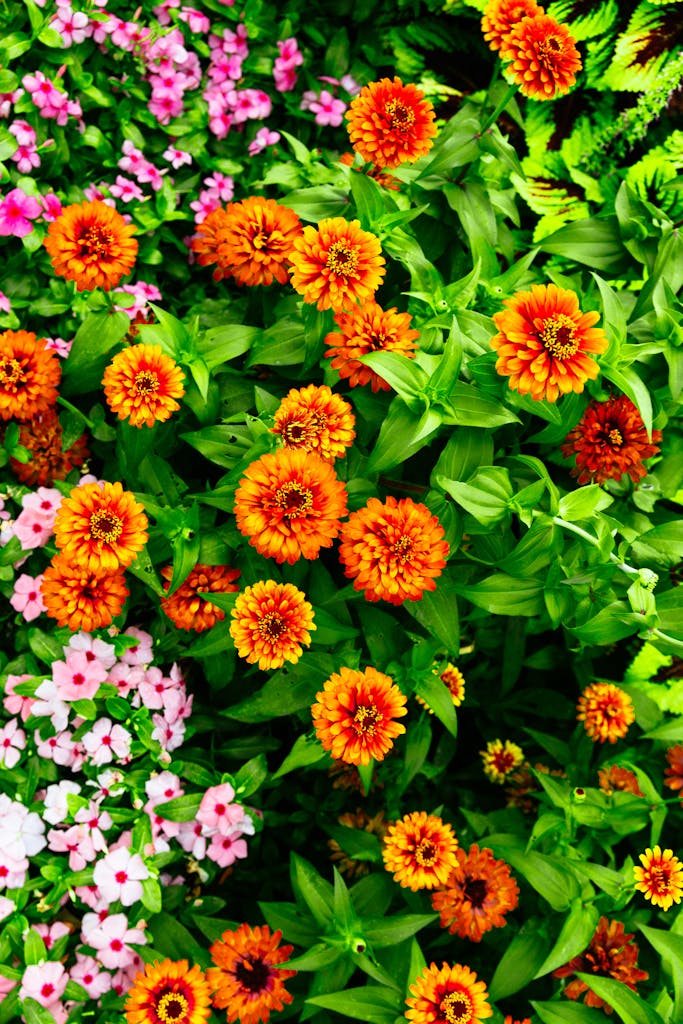
Zinnias are proof that simple flowers can still do serious garden work. Their bold, bright blooms are easy for hummingbirds to spot, especially when planted in clusters. They also come in a wide range of colors, making them perfect for filling empty spaces with quick seasonal color.
These annuals are beginner-friendly and great for containers, borders, and cutting gardens. They love full sun and regular care, and removing faded flowers helps them keep blooming. The more flowers they produce, the more your yard becomes a colorful stop for hungry hummingbirds.
Petunia
Petunias are often treated like basic porch flowers, but they can be surprisingly useful in a hummingbird garden. Their trumpet-shaped blooms hold nectar, and their bright colors make them easy to notice. Hanging baskets, window boxes, and containers can all become feeding spots when petunias are placed well.
They do best in sunny areas with soil that drains properly but does not dry out too harshly. Pinching and deadheading help stop the plant from getting tired and leggy. If you want hummingbird flowers without redesigning your whole yard, petunias are one of the easiest places to start.
Lantana
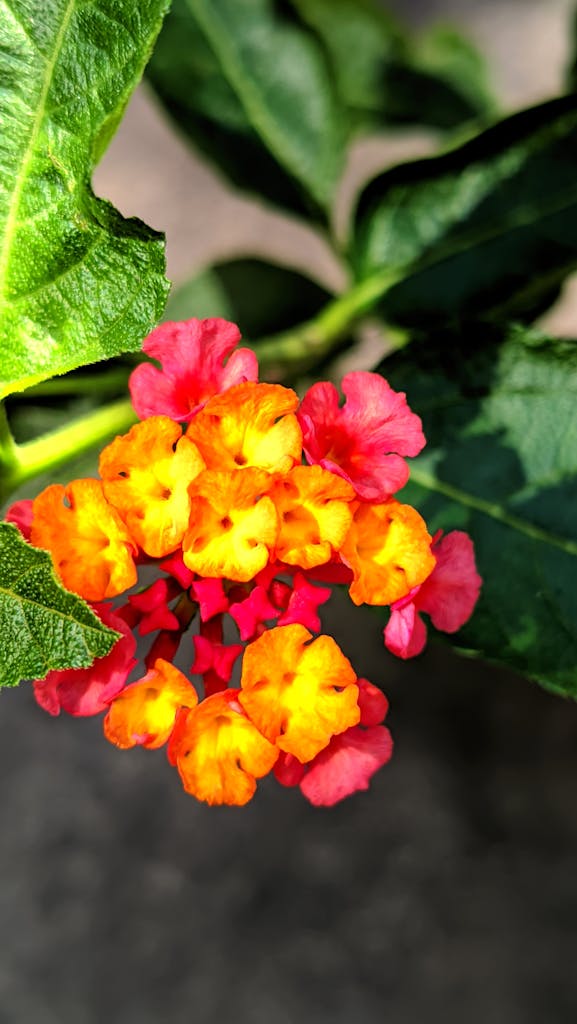
Lantana brings a bold, sunny personality to the garden, and hummingbirds respond to that energy. Its clustered flowers often mix warm colors like orange, red, yellow, and pink, creating a bright target from across the yard. It works well in containers, borders, and warm-climate landscapes.
This plant loves the sun and handles heat better than many delicate flowers. In warmer areas, it can grow as a perennial, while in cooler regions it is often treated as an annual. Regular deadheading keeps it looking fresh and encourages more blooms, which gives hummingbirds more reasons to linger.
Red Hot Poker
Red hot poker is the kind of flower that refuses to disappear into the background. Its tall spikes of red, orange, and yellow blooms look like glowing torches in the garden. That dramatic shape is not just decorative because hummingbirds are drawn to the bright, tubular flowers.
It works best in sunny spots where it can stand tall without being crowded. Well-draining soil is important, and summer watering can help extend its bloom time. Use red hot poker as a statement plant, especially in a garden that needs height, heat, and hummingbird appeal.
Conclusion
If your yard feels too still, the problem may not be the space itself. It may simply lack the flowers hummingbirds actually want. Coneflower, bee balm, honeysuckle, salvia, hummingbird mint, zinnia, petunia, lantana, and red hot poker all help turn an ordinary garden into a nectar-rich destination.
The smartest hummingbird garden does not rely on one pretty flower. It layers different bloom shapes, heights, colors, and seasons so birds can find food again and again. Plant the right mix now, and your yard can become the place hummingbirds keep choosing over everyone else’s.