Human ingenuity has always been remarkable in its ability to tame the wild, bringing even the most formidable creatures under control. From majestic cheetahs to massive elephants, ancient cultures ventured far beyond the domestication of typical animals like dogs and cats.
Instead, they shaped the behavior of some of the most dangerous predators and extraordinary species known to humankind. These animals weren’t mere companions but became integral to the survival, economy, and military success of their civilizations.
Let’s explore the ancient cultures that successfully tamed wild creatures, transforming them into valuable allies.
Woolly Dogs

The Coast Salish peoples of North America bred a unique type of dog specifically for its wool, used to create highly prized textiles. These woolly dogs were kept in isolated herds to maintain their distinctive traits and were sheared for their fur, which was spun into yarn to make blankets. These blankets had not only practical use but were also integral to trade and social exchanges. The extinction of these woolly dogs following European contact marks the loss of a significant chapter in Indigenous animal domestication.
Turkeys
Before they became a staple of modern-day Thanksgiving, turkeys played a crucial role in the Aztec civilization. These birds were domesticated and bred for meat, eggs, and feathers, which were used in everyday life and religious rituals. Turkeys were even offered as sacrifices to the gods, highlighting their sacred status in Aztec culture. The domestication of turkeys illustrates the Aztecs’ advanced understanding of animal breeding and their ability to integrate wild species into their complex agricultural systems.
Cheetahs
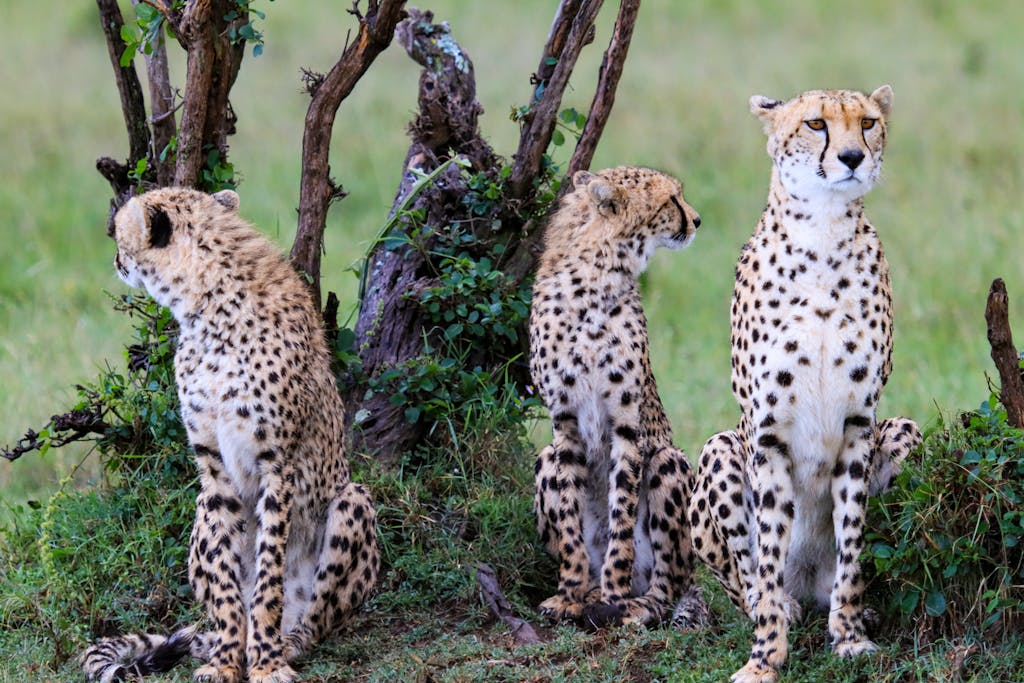
In the 16th century, Emperor Akbar the Great of the Mughal Empire perfected the art of cheetah coursing, turning it into a sport of immense prestige. Akbar was so passionate about the practice that he kept over 1,000 cheetahs at a time, utilizing them to hunt blackbuck antelope across the vast plains. Through careful training and revolutionary methods, including the use of bullock-drawn carts to transport the cheetahs to hunting grounds, he maximized the cats’ hunting efficiency. Akbar’s obsession with cheetahs not only led to a decline in the local population but also contributed to the extinction of the Asiatic cheetah in India by the 20th century.
Cormorants
For over a thousand years, fishermen in ancient China utilized cormorants in a cooperative fishing method that has largely faded today. The birds, natural divers, were trained to catch fish in return for smaller ones as rewards. By placing a ring around their necks, the fishermen ensured the cormorants could swallow only smaller fish, leaving the larger ones for human retrieval. This practice demonstrated a unique bond between humans and animals, with cormorants often living with the same family for their entire lives and forming an essential part of their livelihoods as fishermen.
Eagles
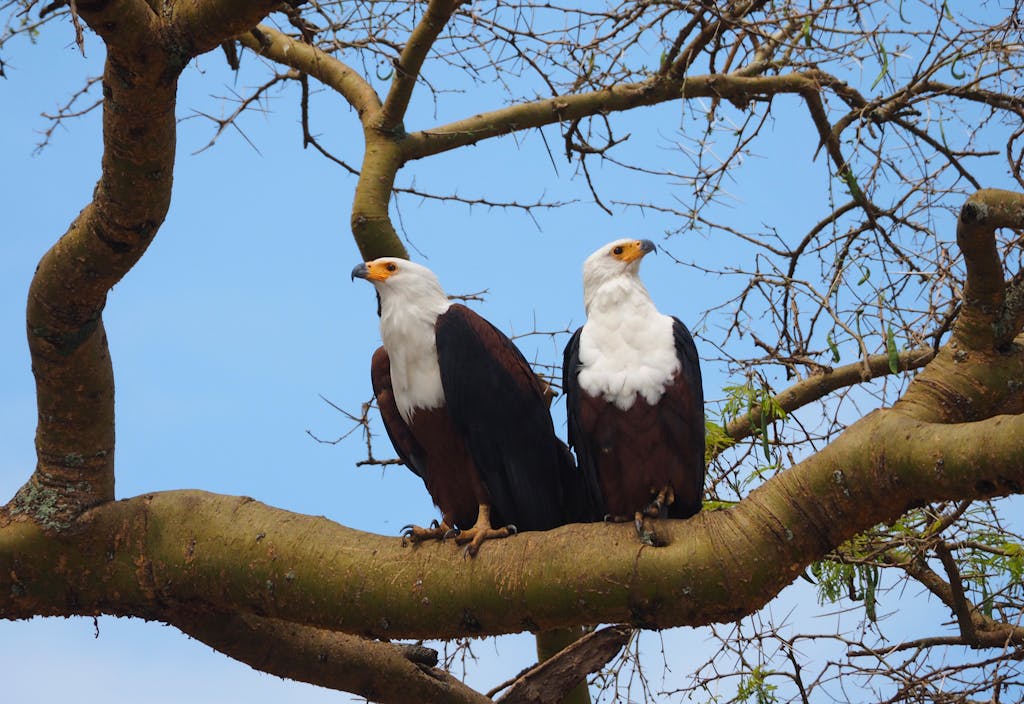
The nomadic tribes of Central Asia, including the Mongols, developed the art of eagle hunting, particularly using the golden eagle. These eagles, with their powerful talons and impressive wingspan, were tamed to hunt small prey such as foxes, hares, and wolves across the frozen plains. The training process involved capturing young female eagles from their nests and spending months hand-feeding them, building a bond based on trust and mutual respect. The tradition of eagle hunting, or burkitshi, was not only crucial for survival but also served as an important rite of passage for young Mongol men.
Weasels
Long before cats were domesticated, the ancient Greeks relied on weasels to control pests in homes and grain storage areas. These fast-moving and aggressive animals were trained to protect stored food from rodents, a critical task in a society reliant on agriculture. Weasels, though not fully domesticated, proved to be effective at safeguarding the grain supply. Eventually, they were replaced by domestic cats, but the Greeks’ early use of weasels highlights the innovative ways ancient peoples solved everyday challenges.
War Elephants
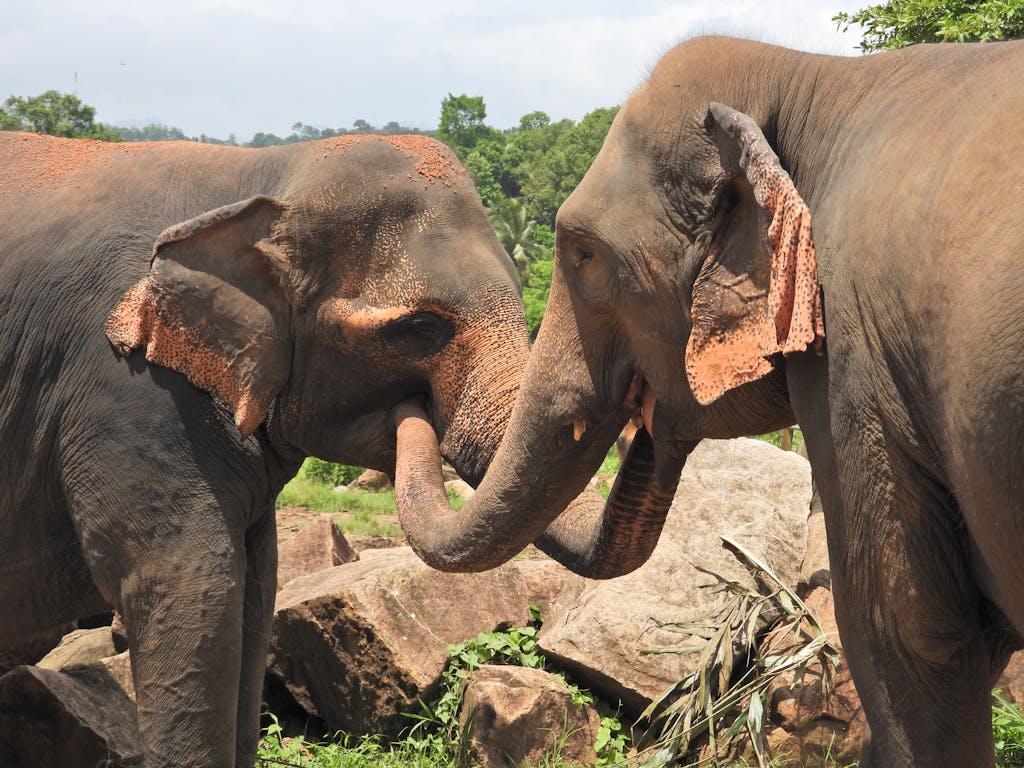
Carthage, an ancient city-state in modern-day Tunisia, is famous for its use of war elephants in battle, particularly during the Punic Wars. Led by General Hannibal, Carthage famously marched these giant creatures across the Alps into Italy, creating a terrifying spectacle that panicked enemy troops. Though challenging to tame and highly risky to manage, elephants were trained using food rewards and constant human interaction. While elephants were an effective psychological weapon on the battlefield, their fear of loud noises and injuries could lead to catastrophic chaos, as panicked elephants would sometimes trample their own troops.
Llamas
The Inca Empire, thriving in the harsh, high-altitude environment of the Andes, domesticated llamas for multiple purposes. Llamas were essential to the empire, acting as pack animals capable of carrying loads across steep mountainous terrain where wheeled vehicles were impractical. In addition to their laborious duties, llamas were sources of wool, meat, and hides, and were integral to the economic and religious fabric of the Incan society. Their presence in religious rituals and sacrificial practices further highlighted their importance to Inca culture.
Baboons
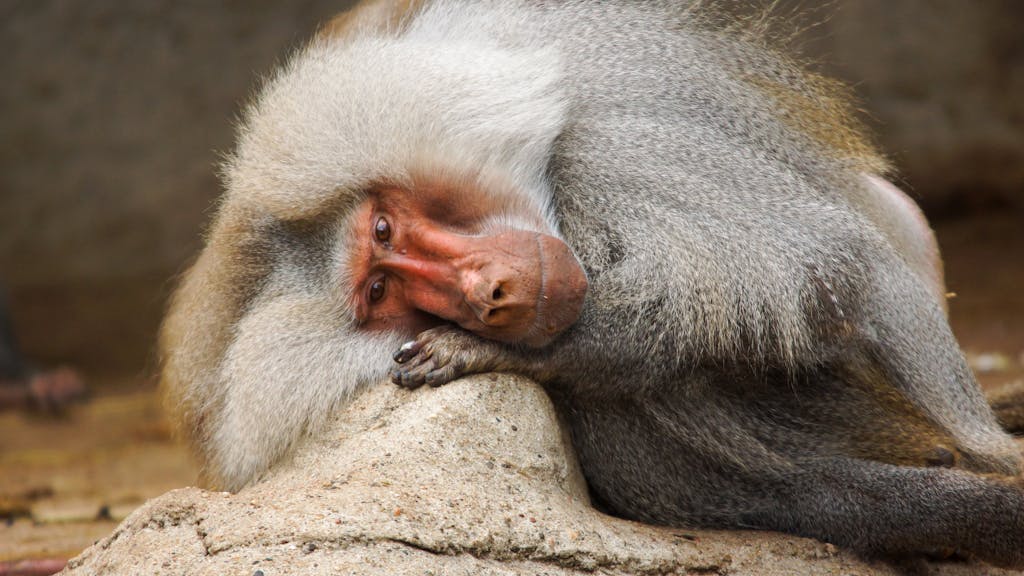
In ancient Egypt, baboons held an important place in both daily life and religious practices. The Egyptians tamed both olive and hamadryas baboons, integrating them into their society for various purposes. These primates were trained to perform tasks such as picking fruit from tall trees and guarding marketplaces against thieves, utilizing their natural aggression and strength. Moreover, baboons were associated with Thoth, the god of wisdom, leading to their mummification and burial with honors when they died, further emphasizing their sacred role.
Dormice
In ancient Rome, dormice were more than just pests to be managed; they were a delicacy enjoyed by the wealthy elite. Romans developed specialized containers, known as gliraria, to house and fatten dormice, which were then consumed at lavish banquets. This practice wasn’t only about food; dormice symbolized wealth and prestige. The process of fattening them for consumption reveals the Romans’ detailed and controlled approach to animal husbandry, even for creatures considered too small by modern standards.