Owning a home is a huge responsibility, and while it may seem like the ultimate achievement, the hidden risks can quickly turn it into a financial nightmare. Homeowners often rely on insurance as their safety net, but the reality is that many common and costly repairs aren’t covered.
From the silent damage of termites to the devastating costs of asbestos removal, here’s a look at 10 home repairs your insurance won’t cover and why it matters more than you think.
Water Damage from Flooding
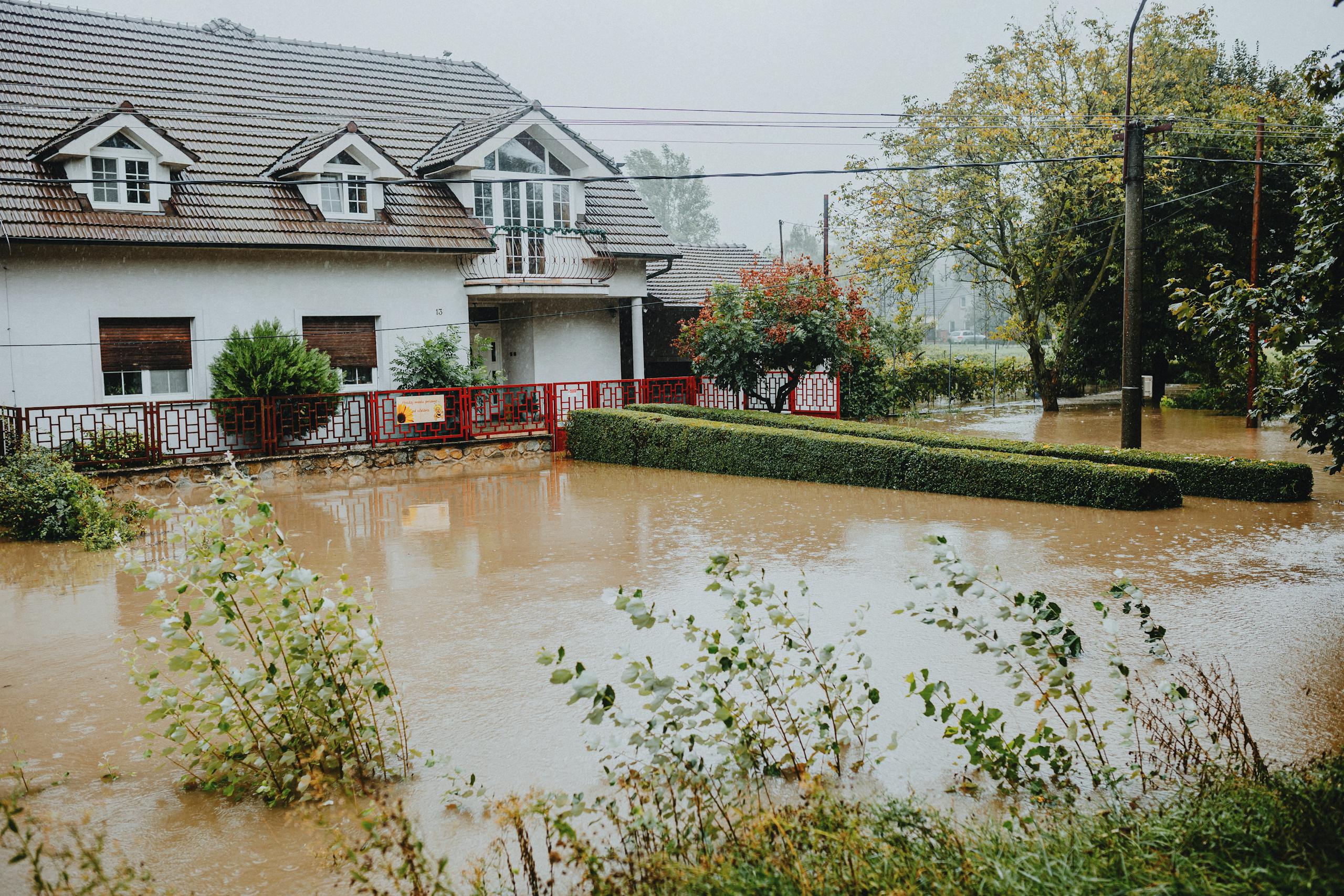
Flooding is one of the most devastating types of water damage, but here’s the kicker: most standard homeowner’s insurance policies don’t cover it. If you live in a flood-prone area, you might need a separate flood insurance policy to protect your home.
Without it, you could be facing a cleanup bill that ranges into the tens of thousands, all for something your policy won’t cover.
Flood damage can happen quickly, and repair costs, including mold remediation and foundation repair, can be high. Without the proper coverage, you risk major financial loss.
Burst Pipes
Most people assume their insurance will cover the costs of damage caused by a burst pipe. While your policy may cover water damage from flooding, it won’t help replace the burst pipe.
If the pipe bursts because of neglect or poor maintenance, insurance will likely deny your claim.
Fixing a burst pipe may cost from several hundred to over a thousand dollars, depending on the issue’s complexity. Lack of maintenance could mean paying for both the pipe and the related water-damage repairs.
Termite Damage

Termites are a homeowner’s worst nightmare, quietly chewing away at your home’s structure. When they make themselves known, the damage can be extensive and expensive.
However, this issue is considered a maintenance issue, not an accident, so it’s not covered by insurance, unless your policy specifically lists termite damage as an exception.
Treatment for termites can cost anywhere from $1,500 for basic services to $5,000 for full fumigation, and that’s just for prevention. Once they’ve caused significant damage, repairs can run even higher.
Maintaining regular inspections and prevention measures is the only way to avoid the massive out-of-pocket costs associated with these pests.
Foundation Problems
A small crack in your home’s foundation might seem harmless at first, but these tiny issues can quickly grow into costly repairs.
If the cracks are caused by natural settling rather than a sudden event they generally fall outside of coverage in most standard homeowner policies, leaving you to manage repair expenses.
It costs anywhere from $300 for minor fixes to $15,000 for serious structural damage. Without insurance coverage, it’s crucial to address foundation issues early to avoid the high cost of structural repairs down the line.
Sewer or Septic System Backups

A sewage backup is a nightmare for any homeowner, and it’s a problem most people don’t realize is often not covered by insurance. Unless the backup is caused by a covered event, like a flood, the cleanup and repairs are entirely your responsibility.
The cost to fix a clogged or broken sewer line can range from $2,000 to $10,000 or more, depending on the extent of the damage.
Since most insurance policies exclude coverage for septic or sewer backups, you’re left holding the bag when the mess hits. Prevention and regular maintenance are key to avoiding this costly situation.
Storm Damage
Storms are among the most common causes of damage to homes, but insurance doesn’t always cover the full extent of repairs. For example, although your policy may cover damage to the roof or walls, some related costs such as tree removal are often excluded unless the tree caused direct damage to the property, as outlined in most policies’ exceptions.
Storm damage is often more expensive than homeowners realize, especially when additional repair costs, such as debris cleanup or fence repairs, are factored in. Reviewing your policy carefully is the best way to avoid unexpected expenses after a storm.
HVAC System Leaks

An HVAC system that isn’t properly maintained can lead to water damage and costly repairs. Most insurance policies will not cover leaks or resulting water damage if poor maintenance is identified as the cause, as this exception is standard across most providers.
Regular and preventative maintenance are essential. Without them, you could be left paying for repairs to your system and the water damage it causes.
Fire and Smoke Damage
While fire damage is typically included under most homeowner’s insurance policies, costs associated with smoke and soot cleanup often fall outside standard coverage.
Cleanup processes such as deodorizing or removing soot from fabrics, walls, or personal property are frequently subject to specific policy exclusions or limitations.
If your property has been vacant for any period of time, your fire coverage may not be valid unless you’ve specifically added a rider or endorsement. Always check your policy’s details to avoid unpleasant surprises after a fire.
Asbestos Removal
Homes built before the 1980s may contain asbestos, a hazardous material. Asbestos removal is typically excluded from most standard homeowner’s policies, even when its presence poses health risks, and removal costs can range from $5,000 to $30,000.
The inspection and removal process could leave you with a hefty bill, with no coverage to fall back on. Early detection and proper removal are the only ways to manage this costly issue.
Water Damage from a Wet Basement
A wet basement is more than just an inconvenience; it’s a financial nightmare that many homeowners don’t realize their insurance will not cover.
If the water enters your basement due to sewer backup or flooding, most basic policies specifically list such events as exclusions, leaving you responsible for repairs such as waterproofing, drying, and mold remediation.
Proactive rainage and waterproofing can help you avoid major expenses when the inevitable flooding or water infiltration occurs.
Conclusion
Homeownership often comes with more hidden expenses than you might expect. From burst pipes to termite damage, many costly repairs are excluded from typical homeowner’s insurance policies.
By understanding these exclusions and taking proactive steps to mitigate risks, you can better prepare for the unexpected. Don’t assume you’re covered. Review your policy and take the necessary precautions to avoid the financial burden of these hidden costs.