The global pharmaceutical industry has saved millions of lives through vaccines, antibiotics, cancer treatments, and breakthrough therapies that once seemed impossible. Yet behind the life-changing innovations lies an industry constantly embroiled in intense public debate, legal battles, ethical questions, and political scrutiny.
Trust in major drug companies continues to swing between admiration and suspicion as consumers, governments, and healthcare professionals demand more transparency about how medicines are developed, priced, marketed, and tested.
We continue to witness heated conversations about prescription drug pricing, opioid addiction, hidden side effects, aggressive marketing campaigns, and allegations of profit being prioritized over patient safety.
Some controversies have resulted in billion-dollar lawsuits and criminal investigations, while others have permanently changed how governments worldwide regulate medicine. These scandals continue to shape public opinion because they affect something deeply personal: human health and survival.
Vaccine Controversies and Public Distrust

Vaccines remain among the most effective medical achievements in human history, yet vaccine-related controversies continue to dominate public discussions about pharmaceutical companies. The debate intensified dramatically during the COVID-19 pandemic as billions of people received newly developed vaccines within a short period. While many praised the rapid scientific progress, others questioned safety testing timelines, government partnerships, and corporate transparency.
We witnessed widespread misinformation spreading across social media platforms alongside legitimate public concerns about side effects and long-term monitoring. Pharmaceutical companies faced criticism from people demanding more access to clinical trial data and clearer explanations about vaccine development processes.
At the same time, health experts warned that misinformation campaigns were contributing to declining vaccination rates and preventable disease outbreaks. The controversy revealed how quickly public trust can fracture when science, politics, and corporate interests collide under intense global pressure.
The Opioid Crisis and Pharmaceutical Accountability
The opioid epidemic became one of the most devastating public health disasters linked to pharmaceutical practices in modern history. Millions of people developed addictions to prescription painkillers after drug manufacturers heavily promoted opioids as safe and effective solutions for chronic pain.
The aggressive marketing campaigns targeted doctors across hospitals and clinics, encouraging widespread prescribing practices that later proved catastrophic.
We continue seeing lawsuits accusing pharmaceutical companies of downplaying addiction risks while overstating medical benefits. Families across entire communities suffered enormous emotional and financial damage as overdose deaths surged year after year.
The controversy intensified when investigations revealed internal communications suggesting some companies knew about addiction concerns much earlier than publicly acknowledged. Massive legal settlements followed, yet public anger remains strong because the social damage caused by opioid addiction continues affecting generations of families worldwide.
Hidden Drug Side Effects That Sparked Public Outrage

Another major controversy involves medications that entered the market before serious side effects became fully understood. In several high-profile cases, patients experienced severe complications ranging from heart problems to birth defects after taking drugs approved by regulatory authorities. Public confidence often collapses when safety concerns emerge years after millions of prescriptions have already been distributed.
We have seen repeated criticism directed at both pharmaceutical companies and regulatory agencies, accusing them of failing to identify dangers quickly enough. Some critics argue that pressure to release profitable drugs faster may weaken long-term safety evaluations.
Legal battles involving defective medications often reveal accusations that warning labels were delayed or minimized despite growing evidence of risk. These controversies continue to fuel debates over whether current drug approval systems truly prioritize patient protection over commercial success.
Aggressive Marketing Practices That Influenced Doctors
Pharmaceutical marketing strategies remain one of the industry’s most controversial practices because they directly influence medical decision-making. Drug companies spend billions of dollars each year promoting medications to healthcare professionals through conferences, sponsored events, speaking fees, consulting arrangements, and advertising campaigns. Critics argue that these financial relationships may compromise independent medical judgment.
We continue to hear concerns about doctors prescribing newer, more expensive medications even when older alternatives may work equally well. Some investigations uncovered cases where companies allegedly encouraged off-label drug use for conditions not officially approved by regulators.
Public skepticism grows whenever financial incentives appear to be linked to prescribing behavior. Although many healthcare professionals maintain strict ethical standards, the perception of pharmaceutical influence continues to damage trust between patients and medical institutions.
Prescription Drug Prices That Continue to Shock Consumers
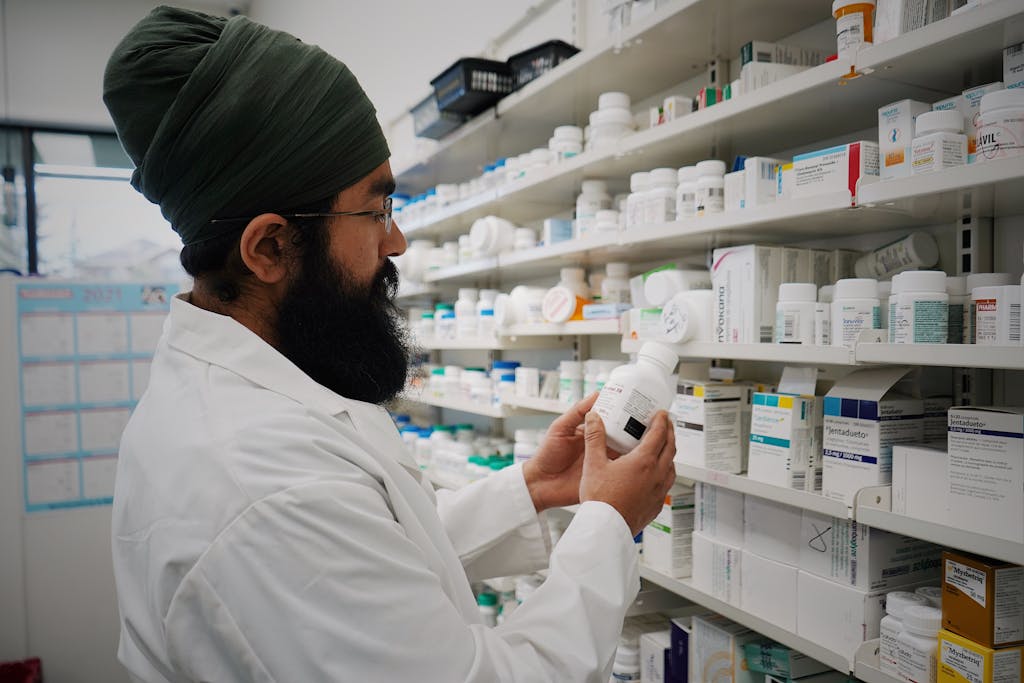
One of the most controversial issues surrounding the pharmaceutical industry involves the rising cost of prescription drugs. Across many countries, especially in the United States, patients regularly struggle to afford medications that are essential for survival.
Treatments for diabetes, cancer, autoimmune diseases, and rare illnesses often carry monthly costs that can destroy household budgets within weeks. Public frustration intensifies when people discover that some medications costing hundreds or thousands of dollars can be manufactured for only a fraction of the retail price.
We have seen growing criticism of pharmaceutical companies accused of exploiting patent protections to maintain monopolies over critical drugs. Critics argue that some companies intentionally delay the introduction of cheaper generic alternatives to preserve enormous profits.
Cases involving insulin price hikes became especially controversial because insulin has existed for over a century, yet many diabetic patients still ration doses due to financial hardship. Lawmakers and healthcare advocates continue pushing for pricing reforms, but the debate remains one of the most emotionally charged issues in healthcare.
Patent Battles That Limit Access to Medicine
Patent protections exist to reward innovation and encourage medical research, but they also create fierce controversy when life-saving drugs become financially inaccessible. Pharmaceutical companies often defend strong patent rights by arguing that research and development costs are enormous and risky. Critics respond by claiming some companies abuse the patent system to extend monopolies far beyond reasonable periods.
We continue to see disputes involving generic manufacturers seeking to produce lower-cost alternatives while brand-name companies fight to maintain exclusivity. Developing nations frequently struggle to access affordable treatments for diseases such as HIV, hepatitis, and cancer because patented medications remain extremely expensive. Humanitarian organizations argue that corporate profit motives should never outweigh global public health needs. These patent battles continue to raise difficult ethical questions about whether medicine should primarily function as a business or a universal human necessity.
Clinical Trial Ethics Under Intense Scrutiny

Clinical trials are essential for testing new medicines, yet ethical controversies surrounding human testing continue to generate global concern. Questions often emerge about informed consent, participant safety, data transparency, and trial conditions in lower-income countries. Critics argue that economically vulnerable populations may sometimes be exposed to higher risks due to limited healthcare access or financial incentives.
We have seen investigations examining whether pharmaceutical companies selectively published favorable trial results while minimizing negative findings. Transparency advocates continue to demand full public access to research data so independent experts can verify safety and effectiveness claims. Controversies surrounding manipulated or incomplete trial information damage scientific credibility and increase public suspicion toward new medications. The industry faces growing pressure to strengthen ethical standards and rebuild confidence in medical research processes.
Massive Profits During Global Health Emergencies
Public anger often intensifies when pharmaceutical companies report enormous profits during health crises affecting millions of vulnerable people. During pandemics and disease outbreaks, critics frequently accuse corporations of benefiting financially from widespread fear and suffering. Supporters of the industry argue that rapid drug and vaccine development requires substantial investment, and financial rewards help sustain innovation.
We continue seeing debates over government funding, emergency contracts, and pricing strategies during international health emergencies. Some critics argue that taxpayers effectively subsidize medical breakthroughs while private corporations collect the majority of profits afterward.
Others point out that pharmaceutical companies assume significant financial risks during the research stage, where many experimental drugs fail. The controversy reflects a broader public struggle to balance medical innovation with ethical expectations during global crises.
Conclusion
The drug industry will always be complicated because it sits between hope and suspicion. People need their medicines, vaccines, and breakthrough treatments, but they also want honesty, fair pricing, safer testing, and companies that do not treat human pain like a business opportunity. These controversies remind us that public trust is not rebuilt through slogans or billion-dollar promises. It is rebuilt when patients feel protected, informed, and respected. So, what do you think is the biggest problem in the drug industry today: high prices, hidden risks, aggressive marketing, or something else?