Nothing beats the smell of a sizzling backyard barbecue, but even the most experienced grillers can sabotage a cookout without realizing it.
From flare-ups to charred sauces, small mistakes can quickly turn juicy steaks and crisp veggies into a smoky, uneven mess.
Understanding what to avoid is key if you want your grilling to impress friends, family, and even the picky neighbor who always critiques the chicken.
Even if you’ve been grilling for years, habits that seem harmless can quietly wreck flavor, texture, and food safety.
The good news is that most of these mistakes are easy to fix once you know what to look for. Here’s a full guide to the most common grilling errors and how to avoid them.
Using Lighter Fluid
Lighter fluid may feel like a quick shortcut, but it often leaves a chemical taste on your food. The scent and residue can cling to the meat before the coals are fully ready, ruining the natural flavors of your ingredients.
A safer, tastier method is to use a chimney starter with natural lump charcoal or briquettes, which provides a clean, smoky heat without chemicals.
This small step can dramatically improve flavor, especially on delicate cuts like fish or poultry. It takes a few extra minutes, but the difference in taste and aroma is well worth it. Clean ignition methods also make your cookout safer by reducing the risk of flare-ups.
Adding BBQ Sauce Too Early
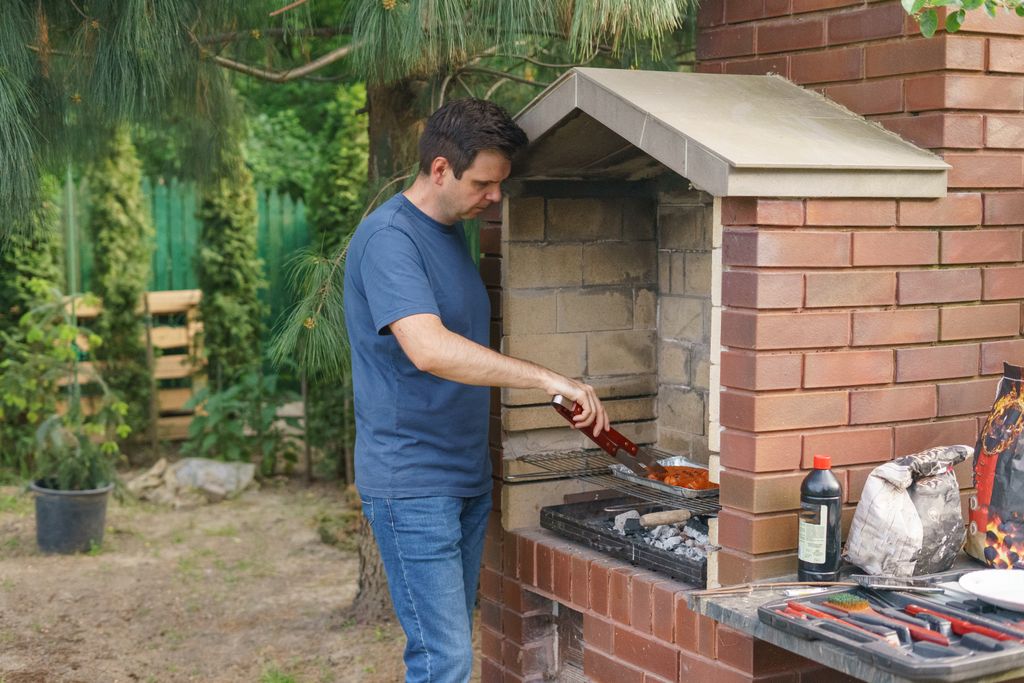
Sweet sauces might seem essential for ribs or chicken, but applying them too soon can burn the sugars and create a bitter crust.
The trick is to save sauce for the final minutes of grilling, so it caramelizes without scorching. Brushing it on in the last 5–10 minutes adds flavor and a glossy finish without ruining your meat.
Late saucing also keeps marinades from drying out and helps maintain moisture. The difference is especially noticeable with sugary or tomato-heavy sauces that char easily. Timing matters just as much as the sauce recipe itself.
Not Using a Meat Thermometer
Judging doneness by sight or touch is risky and often misleading. Undercooked meat can pose serious food safety risks, while overcooked meat becomes dry and tough.
Using a reliable meat thermometer ensures your food reaches the perfect internal temperature every time. This simple tool takes the guesswork out of grilling.
Whether it’s chicken, steak, or pork, you’ll know when the meat is safe, juicy, and ready to serve. Thermometers are cheap, easy to use, and instantly improve your results.
Pouring Water on Flare-Ups
Flare-ups can be startling, but dousing them with water is a bad idea. Water can spread hot embers, increase smoke, and even warp your grill’s metal over time.
Instead, move food to a cooler area or close the lid to starve the flames of oxygen. This method keeps your food safe and your grill intact.
Learning how to manage flare-ups without water makes the cooking process smoother and less stressful. You’ll end up with perfectly grilled meat instead of charred leftovers.
Overcrowding the Grill
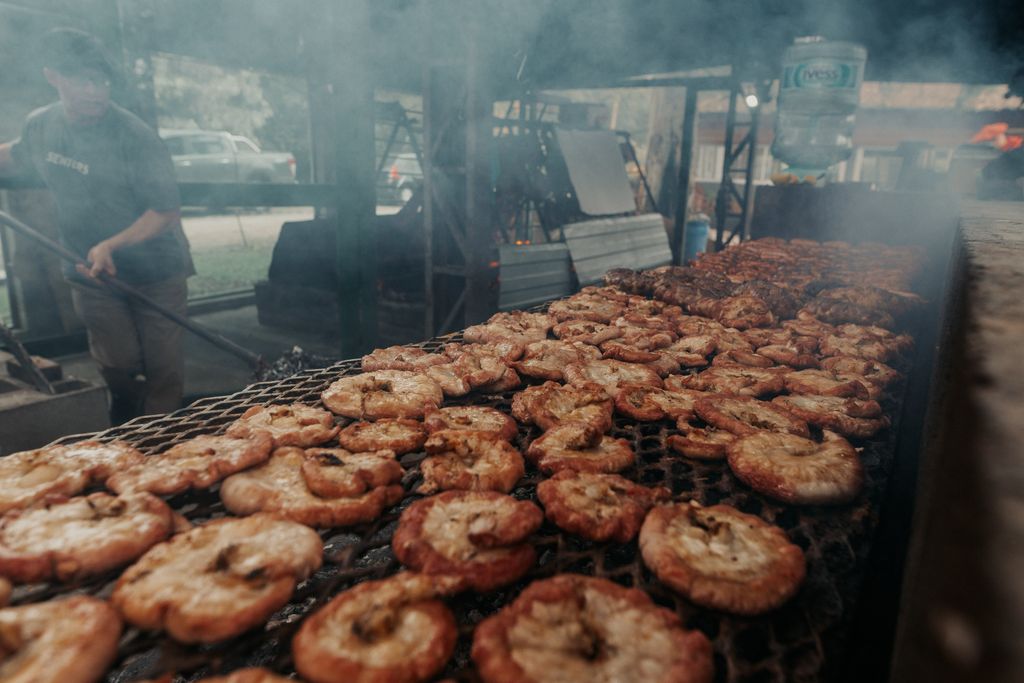
Trying to cook everything at once might seem efficient, but it actually slows down cooking and creates uneven results. Crowding restricts airflow and prevents heat from circulating properly.
Leaving a little space between items ensures consistent cooking and crisp searing. Overcrowding can also lead to sticky, steamed meat instead of that coveted smoky crust.
Your grill works best when food has room to breathe, giving every burger, steak, or vegetable its moment to shine.
Skipping Grill Cleaning
Dirty grates are a hidden culprit behind uneven cooking, flare-ups, and off flavors. Residue from past meals can stick to fresh food, and grease buildup increases fire hazards.
Regular cleaning after each use, with deeper seasonal scrubbing, keeps your grill safe and flavorful. A well-maintained grill also lasts longer.
Sharp scraping and occasional oiling improve both the taste of food and the lifespan of your equipment. Simple upkeep prevents messy, smoky surprises at your next cookout.
Not Preheating
Placing food on a cold grill may seem harmless, but it prevents proper searing and causes food to stick.
A fully preheated grill, usually 10–15 minutes, provides enough heat to lock in juices and create those perfect grill marks.
Preheating also helps your grill cook food evenly. It’s a small step that makes a huge difference, especially for meat that needs a quick sear to seal in flavor.
Forgetting to Oil the Grates
Food is more likely to stick to dry grates, and scraping it off can ruin presentation.
Coating your grates with a high-smoke-point oil, such as canola or grapeseed, before cooking prevents sticking and helps form a nice crust.
Oiling is simple: dip a paper towel in oil, hold it with tongs, and rub the grates. It creates a smoother cooking surface and reduces frustration while keeping food intact.
Flipping Food Too Often
Constantly flipping meat or vegetables interrupts the cooking process and prevents proper searing.
Let food cook on one side until it naturally releases from the grate, then flip once or twice for even results. Less flipping also helps preserve juices, tenderness, and flavor.
Patience is key to perfectly grilled meat that’s crispy on the outside and juicy on the inside.
Not Resting Meat
Cutting into meat immediately after grilling releases juices and can dry out the finished product.
Resting meat for a few minutes allows juices to redistribute, resulting in more tender, flavorful bites. Even quick-rest periods make a noticeable difference in texture and taste.
For larger cuts like roasts or whole chickens, a longer rest period ensures every slice is juicy.
Using Cold Marinades
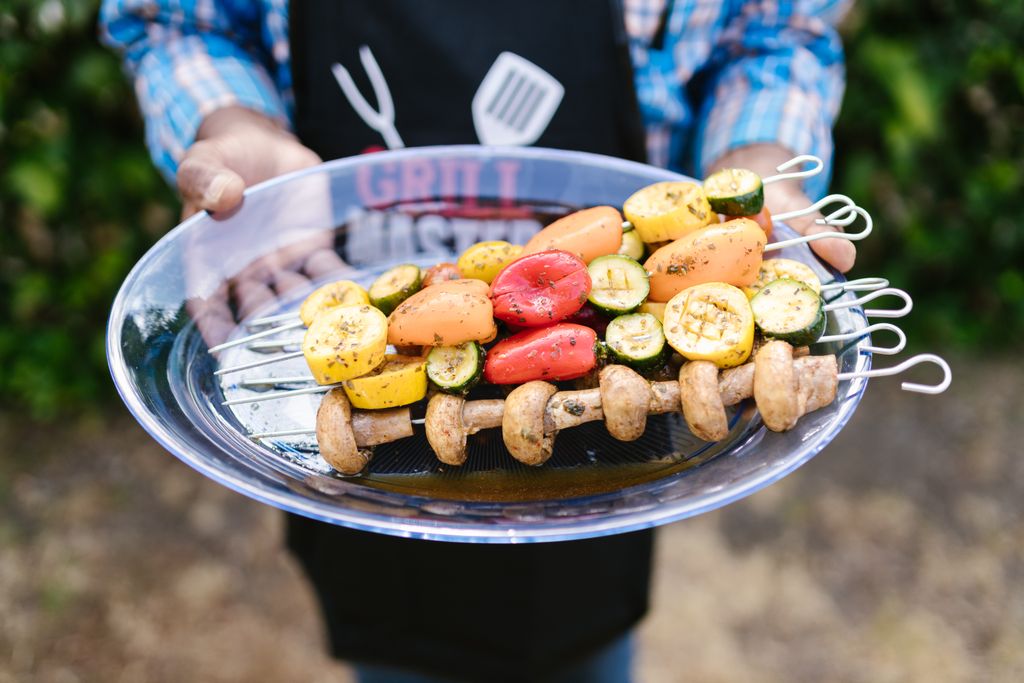
Placing meat straight from the fridge onto a hot grill can shock the food, leading to uneven cooking.
Bring the meat to near-room temperature before cooking to help it cook evenly.
This also improves browning and helps marinades’ flavors absorb more effectively.
Cold meat often shrinks and sticks, so warming it slightly is a simple improvement.
Ignoring Grill Zones
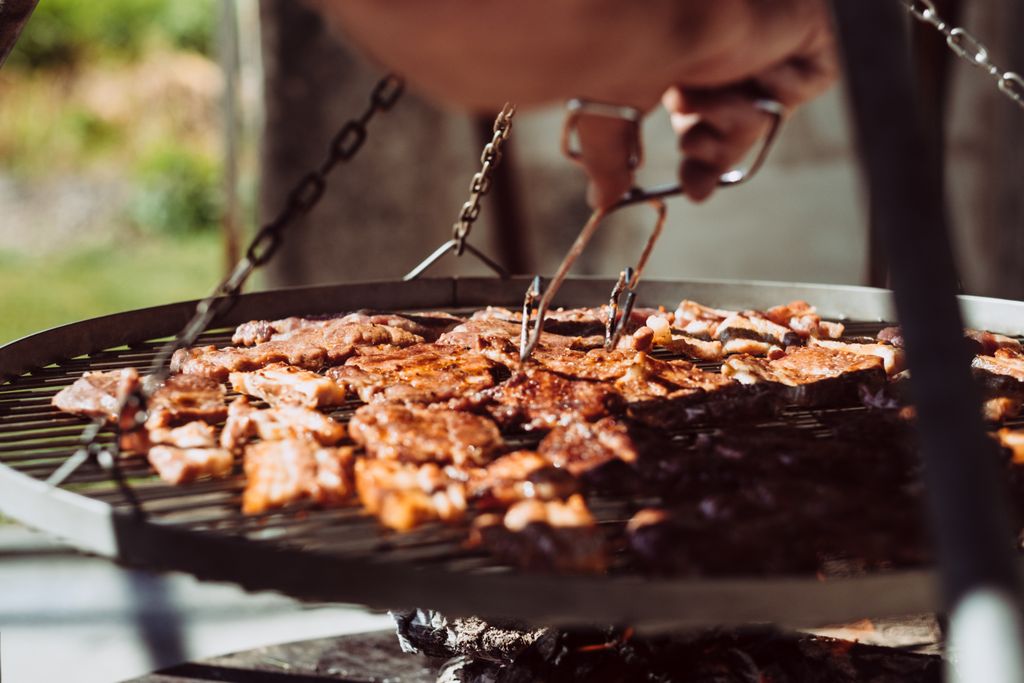
Many new grillers cook everything over direct heat, but using zones for direct and indirect cooking improves results.
Sear the meat over high heat, then move it to a cooler part of the pan to finish cooking without burning.
Mastering heat zones prevents overcooked exteriors and raw interiors. It’s a pro trick that ensures every item on the grill is perfectly done.