We all have stuff. Closets bulge, drawers overflow, counters are dotted with objects we barely notice. Some of it sparks joy or serves a purpose, but a surprising amount of it just sits there. Hidden in corners, tucked into cupboards, layered in storage boxes, this kind of clutter quietly consumes space and mental energy without giving anything back.
The truth is simple: there are items in your home right now that you would never notice if they disappeared tomorrow. Letting them go frees physical room, clears mental clutter, and even reshapes your relationship with the things you actually use. From outdated gadgets to sentimental items you no longer care about, these are the categories of things you can confidently remove and the reasons why they’re holding you back.
Old Electronics and Cables

Spare chargers, tangled cords, and obsolete gadgets pile up in drawers and storage boxes over time. Most people have cables for devices they no longer own, leaving a confusing tangle of cords and accessories that will likely never be used. Outdated electronics also carry hidden risks, from battery corrosion to taking up valuable storage.
The solution is straightforward: recycle or responsibly dispose of any cables, gadgets, or peripherals you cannot identify or have not used in the last two years. Freeing up that drawer space instantly makes your home feel cleaner, safer, and more manageable.
Expired, Forgotten, or Unused Food
Your pantry is probably hiding bags of grains, spices, and cans from a year or more ago. Expired and forgotten food items not only take up space, but they also create a sense of disorganization and make it harder to plan meals efficiently. Old snacks and ingredients may look harmless, but they contribute to waste and unnecessary clutter.
Clearing out your pantry transforms it into a usable, functional space. Keep what you realistically plan to eat, and donate what’s perfectly good but will never be used. The result: a kitchen that feels open, clean, and ready for actual cooking rather than chaotic scavenging.
Books and Media You Never Engage With
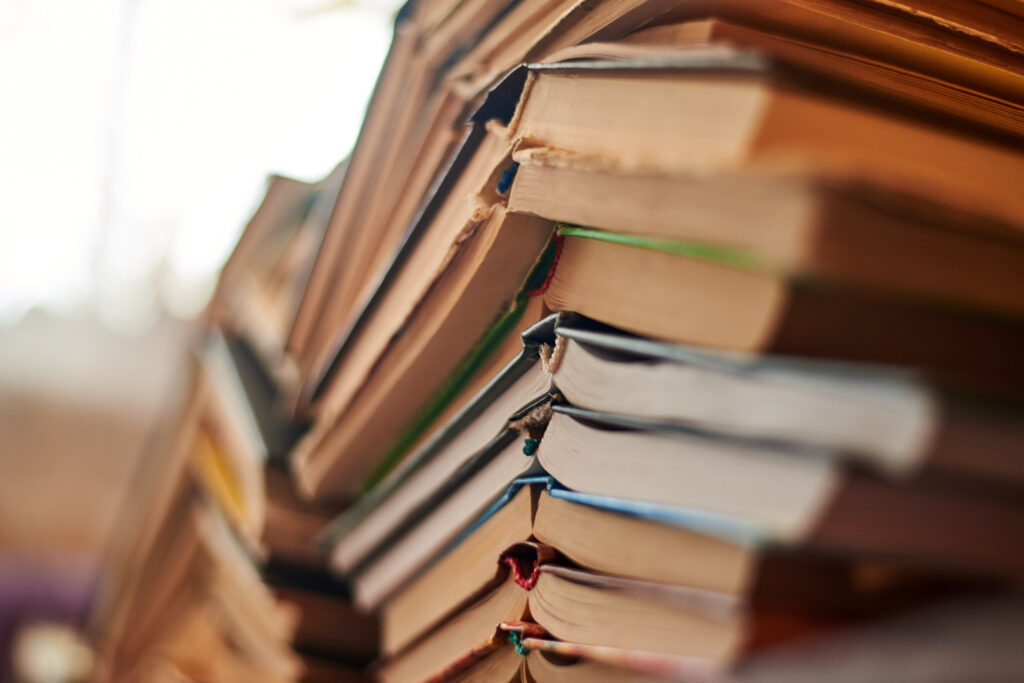
Books, DVDs, CDs, and magazines pile up because we think we might read or watch them one day. Yet if a book has sat untouched for years, it’s essentially dead weight. Outdated media and unread books consume shelf space, make cleaning harder, and distract from the items you actually care about.
Donate or sell items in good condition or recycle old magazines and damaged media. Your shelves should feature materials that inspire you, serve a purpose, or that you genuinely want to engage with now, not clutter you for the sake of having “things.”
Redundant Kitchen Gadgets
Multiple peelers, unused blenders, and specialty appliances you never touch clutter cabinets and counters. Most people overestimate what they’ll actually use and end up with drawers full of gadgets collecting dust. These items take up space that could be better allocated to essentials that get regular use.
If a tool hasn’t been used in a year or more, it’s probably safe to donate or discard. Consolidating to multi-purpose gadgets simplifies your kitchen, streamlines cooking, and creates a more visually appealing space.
Clothing That Doesn’t Fit or You Don’t Wear
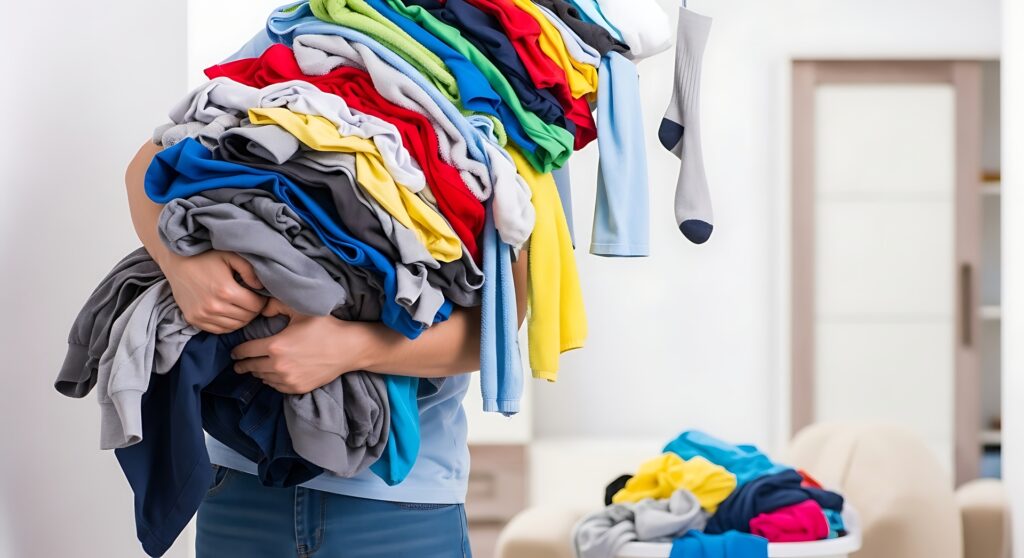
Closets are often full of clothes that no longer fit, are outdated, or were never worn. They take up space, make it hard to find what you do wear, and create unnecessary visual clutter. Holding onto old favorites “just in case” only prolongs the mess.
The rule of thumb: if it hasn’t been worn in the past year and has no sentimental or functional value, it’s time to let it go. Donating clothing benefits others while freeing up space and mental energy in your own life.
Expired or Unused Beauty Products
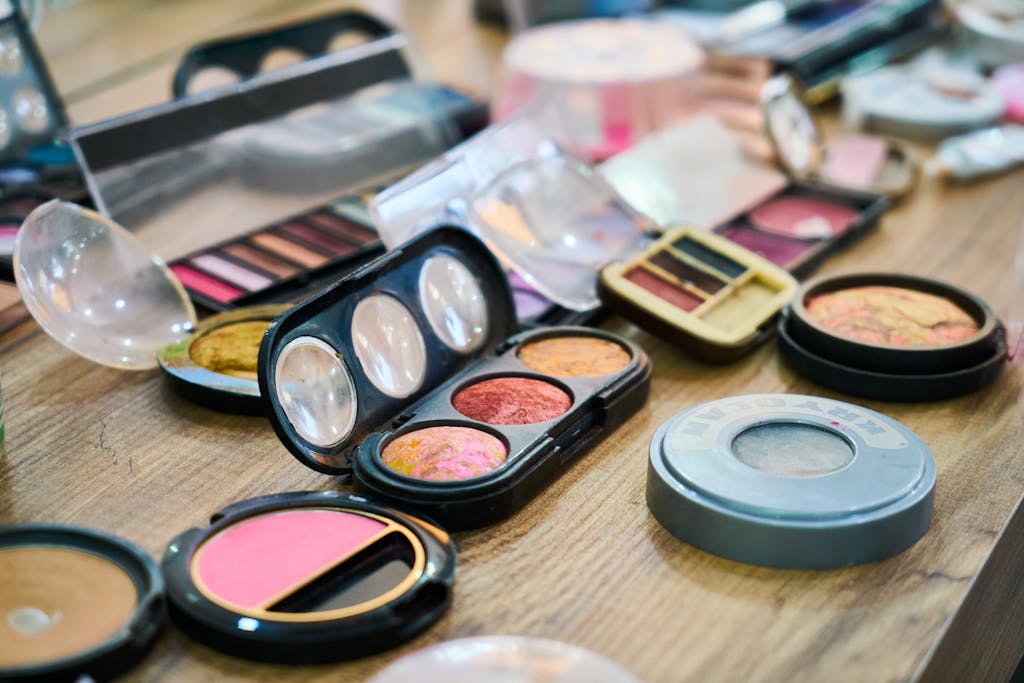
Expired makeup, skincare, perfumes, and hair products are not only ineffective but can be unsafe. Old products also create a chaotic bathroom environment, making it harder to locate what you actually use.
Dispose of anything past its expiration or that you haven’t used in months. Keep only the products that fit your current routine. This keeps your daily ritual streamlined and hygienic while reducing clutter.
Broken or Missing-Piece Items
Board games missing pieces, toys with broken parts, and appliances missing components do not add value. These items clutter your home and create mental stress because they are “unfinished projects.”
If something can’t be repaired or completed immediately, it’s best to remove it. Donate complete, usable items and recycle broken ones. This practice eliminates frustration and makes space for functional, enjoyable belongings.
Outdated or Unwanted Decor
Decor is meant to enhance your living space, not weigh it down. Faded artwork, random figurines, and old knick-knacks that no longer match your style contribute to visual clutter and mental fatigue.
Keep only decor that you genuinely enjoy, and that complements your home. Removing outdated pieces simplifies your environment, making your home feel refreshed, cohesive, and intentional.
Unnecessary Containers
Plastic containers without lids, mismatched Tupperware, and random storage items can overwhelm cupboards. Most people never use these items consistently, and they just take up space.
The solution: keep functional, matching containers and recycle or discard the rest. A streamlined storage system makes cooking, organizing, and cleaning easier while freeing cabinet space.
Old Paperwork, Manuals, and Receipts
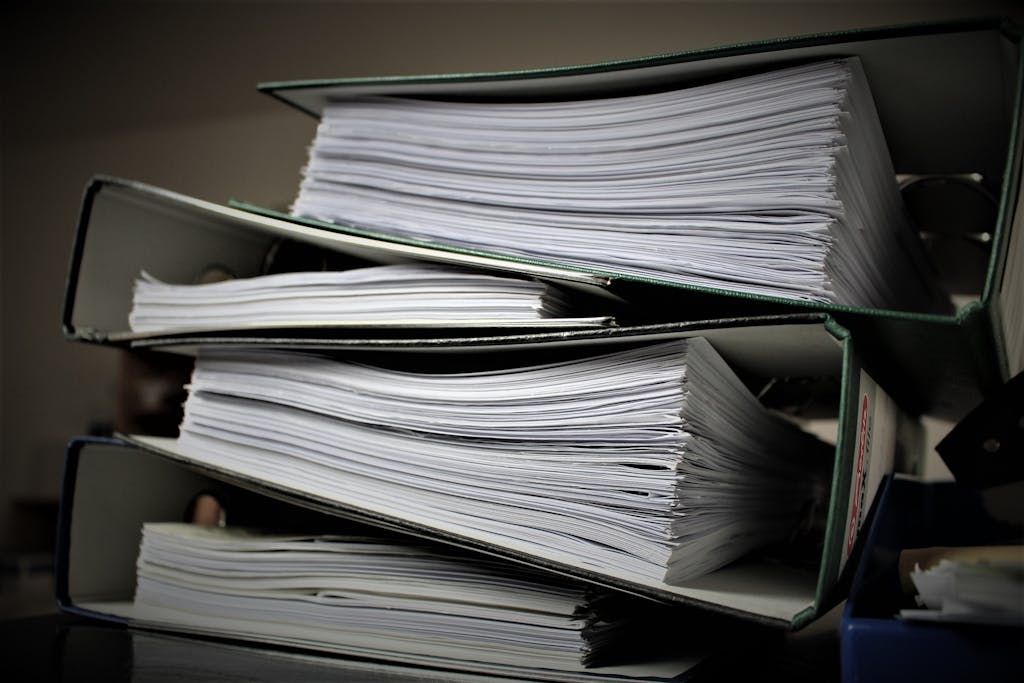
Stacks of old receipts, warranties, and instruction manuals take up drawer space and create visual clutter. Most papers are kept “just in case” but rarely referenced.
Digitize important documents, keep only what is actively needed, and recycle the rest. This clears physical and mental space while giving you confidence that you can access what matters.
Sentimental Items That No Longer Serve You
Grandma’s tote bag, vacation souvenirs you don’t look at, or gifts you never used often, linger simply because of nostalgia. Sentiment alone isn’t enough reason to hold onto items that no longer bring joy.
Photograph items for memory, then donate or discard them. Letting go of sentimental clutter frees space for what truly matters and ensures your home supports your current life rather than past obligations.
Why Letting Go Matters
Clutter isn’t just physical; it’s mental. Objects we don’t use or love create subtle stress, reduce focus, and diminish our enjoyment of our own space. Removing unnecessary items boosts clarity, opens up physical space, and makes room for intentional living.
By identifying the items you wouldn’t miss, you reclaim control over your home. Your space becomes easier to clean, visually appealing, and filled only with things that genuinely enhance your life. Less clutter, more living.
Conclusion
Clearing out items you wouldn’t miss is more than organization; it’s liberation. Your home should support you, not weigh you down. Purge the unused, outdated, and unnecessary, and watch as your space transforms from cluttered and chaotic into functional, peaceful, and intentional. Your home, your life, your choices: focus on what adds value and let the rest disappear.