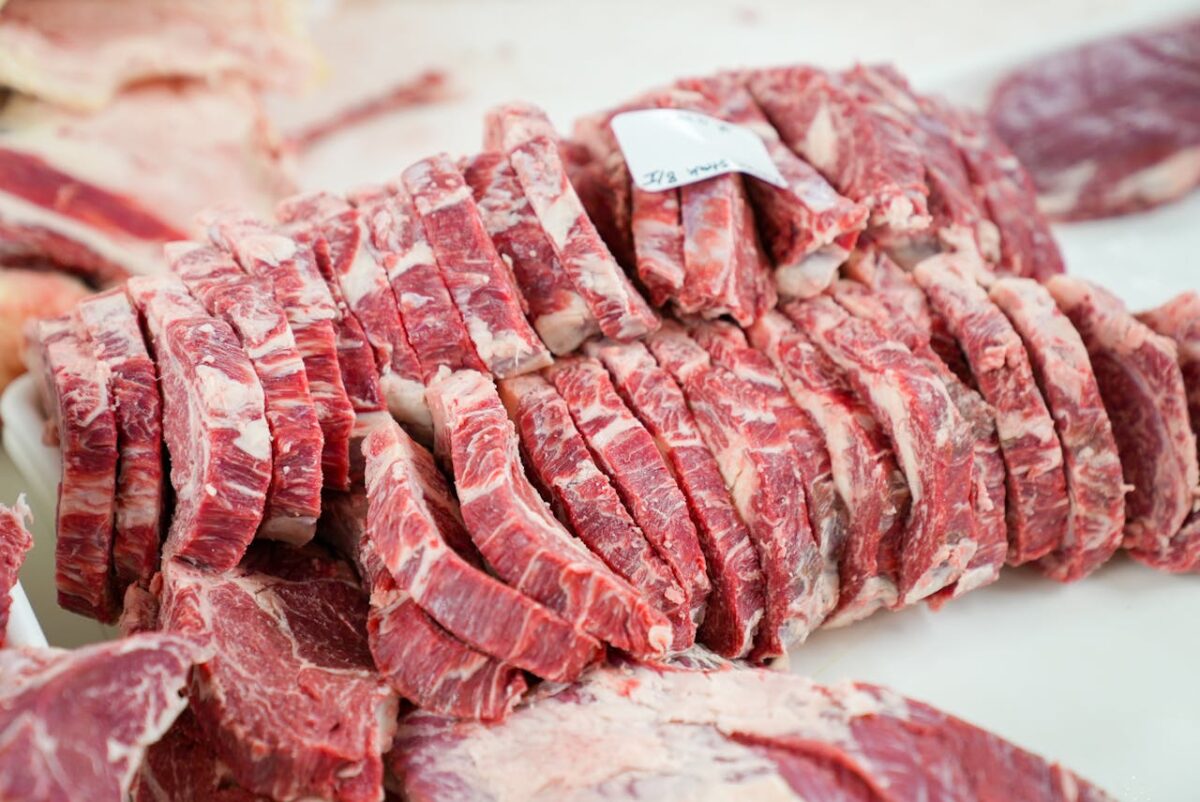
Refrigeration is often seen as a universal solution for preserving food, but not all foods thrive in the cold. Some foods can actually spoil faster or lose their flavor and texture when stored in the fridge. In this article, we’ll discuss foods you should never refrigerate and the science behind why these items are better off left out at room temperature.
Bananas
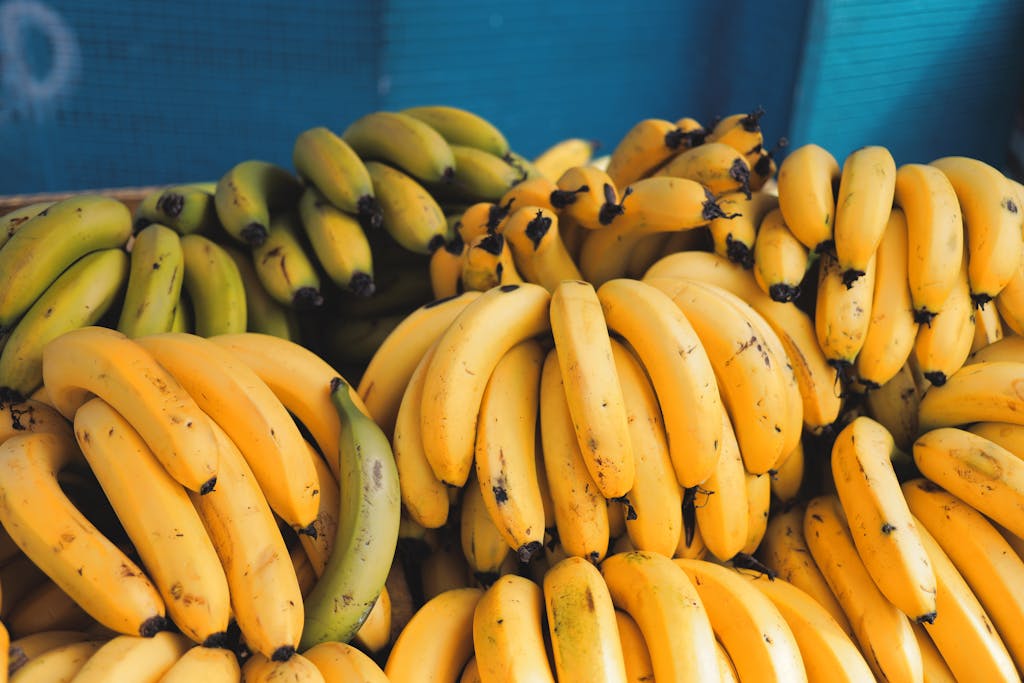
Bananas are tropical fruits that thrive in warm conditions. Storing them in the fridge can disrupt their natural ripening process. The cold temperature causes the peel to turn black quickly, although the inside might remain firm. Bananas should be kept at room temperature, away from direct sunlight, to ripen evenly and maintain their signature taste and texture.
Tomatoes
Refrigerating tomatoes can severely affect their flavor and texture. Cold storage causes tomatoes to lose their juiciness, becoming mealy and bland. The natural enzymes that contribute to the tomato’s full flavor are also hindered by cold temperatures. To get the best flavor, store tomatoes on the counter, away from direct sunlight.
Potatoes
Storing potatoes in the fridge is a big mistake. Cold temperatures cause the starch in potatoes to convert into sugar, making them taste sweet and altering their texture. This process can also lead to the formation of acrylamide, a compound linked to cancer at high concentrations when potatoes are cooked at high temperatures. For the best results, store potatoes in a cool, dark, and dry place, such as a pantry.
Onions

Onions should never be stored in the fridge because the cold, moist environment promotes mold growth and softens the bulb. The best place to store onions is in a cool, dry, well-ventilated area, such as a pantry or kitchen counter. Keep them away from potatoes, as the gases they release can cause the onions to spoil faster.
Garlic
Garlic is another food that suffers from refrigeration. The cold speeds up garlic sprouting, and the texture becomes rubbery and undesirable. Garlic should be kept at room temperature, preferably in a dry and well-ventilated area. For long-term storage, consider hanging garlic in a mesh bag or storing it in a terra cotta garlic keeper.
Avocados
Avocados need warmth to ripen properly. Putting them in the fridge prematurely halts ripening, and they may remain hard for an extended period. Only refrigerate avocados once they are fully ripe, and be sure to let them ripen at room temperature first. To speed up ripening, place avocados in a paper bag with an apple or banana.
Bread
While the fridge might seem like an easy solution to prolong bread’s freshness, it actually does the opposite. Cold storage speeds up starch retrogradation, which makes bread dry out and stale quickly. The best way to store bread is at room temperature, in a paper bag or bread box. If you have extra bread, freezing it is a better option to preserve its freshness.
Melons
Melons like watermelon, cantaloupe, and honeydew should be stored at room temperature until they are cut. Refrigeration can cause melons to lose flavor and become soggy, as cold draws out their natural moisture. Once cut, however, they should be stored in an airtight container in the fridge to preserve freshness.
Cucumbers
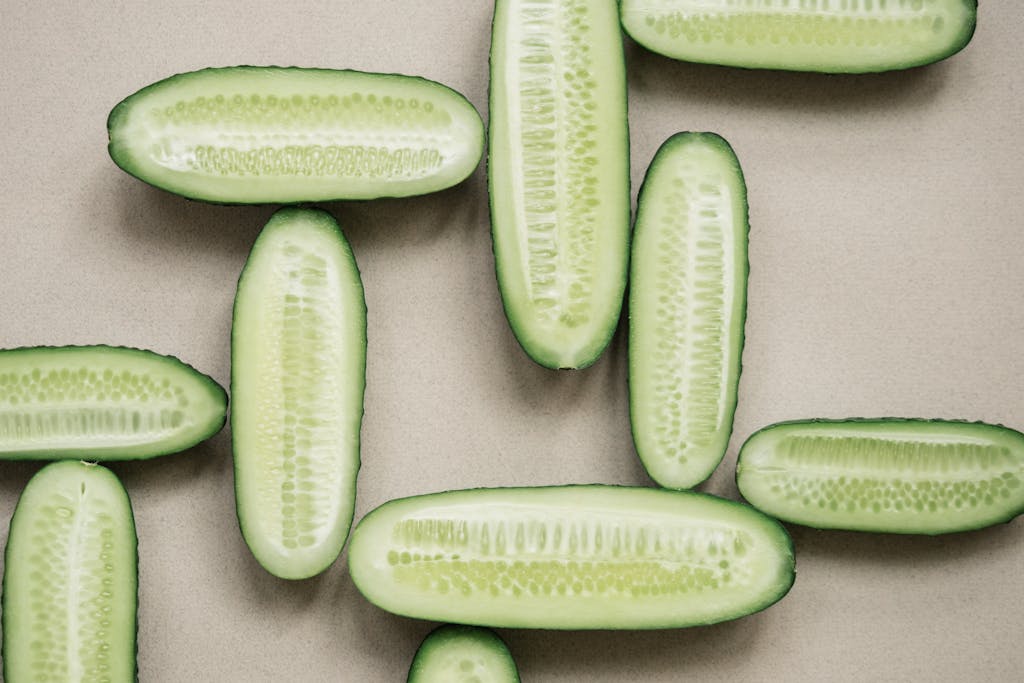
Cucumbers are another vegetable that should be stored outside the fridge. Cold temperatures can cause cucumbers to become waterlogged and mushy, and they can also affect crispness. Store cucumbers in a cool, dry place and refrigerate only if they’ve already been cut.
Apples
Although apples can be stored in the fridge, it’s not always the best option. Refrigerating apples too soon can cause them to lose their natural sweetness and crisp texture. Apples will maintain their best flavor at room temperature, especially if they’re allowed to ripen fully before being chilled.
Peaches
Peaches, like avocados, need warm temperatures to ripen properly. Refrigeration prevents the fruit from softening, but it can result in a mealy, flavorless peach. To get the best from your peaches, store them on the counter until they ripen, and refrigerate them only once they are ripe and ready to eat.
Honey
Honey is a natural preservative that doesn’t need refrigeration. Storing honey in the fridge can cause it to crystallize, turning it into a thick, grainy substance. Keep honey in a cool, dry place, preferably in a sealed container to prevent it from absorbing moisture from the air.
Sweet Potatoes
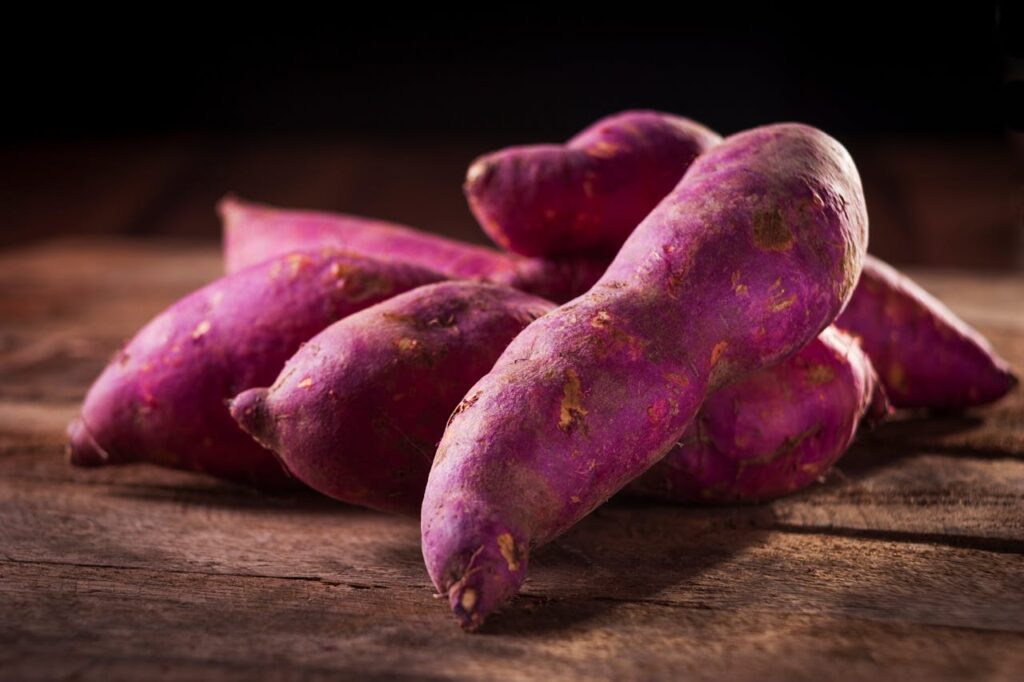
Just like regular potatoes, sweet potatoes are best stored in a cool, dark place, not the fridge. The cold alters their starch, making them taste overly sweet and affecting their texture. Store sweet potatoes in a dry, well-ventilated spot to keep them fresher longer.
Coffee Beans
Refrigerating coffee beans is a common mistake that can lead to a loss of their fresh aroma and flavor. Moisture in the fridge can cause the beans to lose their natural oils. To preserve their flavor, store coffee beans in an airtight container at room temperature, away from light and moisture.
Mayonnaise
While mayonnaise is typically stored in the fridge once opened, storing homemade or commercial mayonnaise at room temperature for short periods is acceptable, as it contains ingredients like vinegar and lemon juice, which naturally inhibit bacterial growth. However, be cautious about keeping it out too long; refrigeration is still necessary for long-term storage.
Conclusion
Storing food correctly is essential for preserving freshness, flavor, and nutritional value. By understanding which foods should never be refrigerated, we can avoid unnecessary spoilage and waste. The items listed here are best kept at room temperature to maintain their quality. Always consider each food item’s natural needs and avoid the temptation to store everything in the fridge. Keep your pantry organized and well-stocked with the proper storage techniques for the best results.