Late summer is when many gardens quietly lose their charm. The early bloomers have already given their big performance, the heat has punished delicate petals, and plenty of flower beds are starting to look tired just when outdoor spaces should still feel alive. The mistake many gardeners make is relying only on the most familiar summer flowers, then wondering why the garden looks flat by August.
The good news is that late-summer color does not have to come from the same predictable plants everyone else is growing. Some flowers bloom beautifully when the season is almost turning, giving beds, borders, containers, and cottage-style gardens a second wave of interest. These overlooked late-summer flowers bring texture, height, movement, and richer color without making your garden look like a copy of every other yard on the block.
Helenium
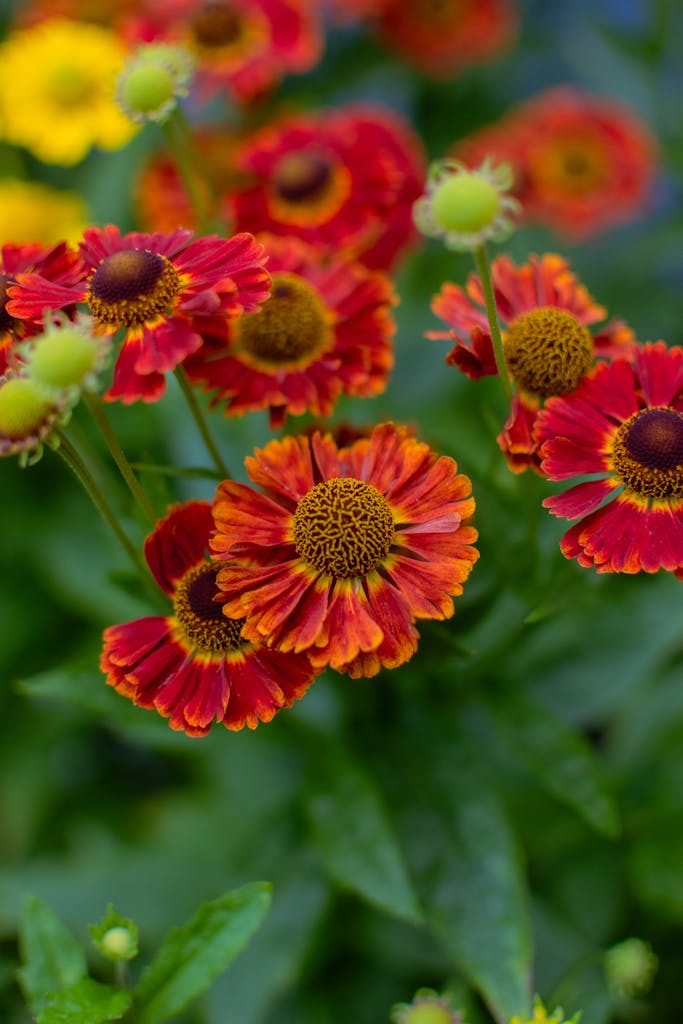
Helenium, also known as “Sneezeweed” is one of those late-summer flowers that look like they were made for golden-hour light. Its daisy-like blooms usually appear in fiery shades of copper, rust, gold, orange, and deep red, which makes it perfect for gardeners who want a warm, autumn-ready border before fall officially arrives. It works especially well in mixed beds because the flowers sit above sturdy stems, creating a loose, natural look. Plant it in a sunny spot with soil that does not dry out too harshly, and it can reward you with weeks of bold color.
Anise Hyssop
Anise hyssop deserves far more attention in late-summer gardens because it brings flowers, fragrance, and pollinator value in one easy plant. Its upright spikes often bloom in lavender, purple, blue, or pink tones, creating a soft vertical accent that looks elegant without feeling fussy. The leaves carry a light licorice scent, which adds another layer of interest when you brush past the plant. Bees and butterflies love it, so it is a smart choice for anyone trying to build a garden that feels alive instead of purely decorative.
Turtlehead
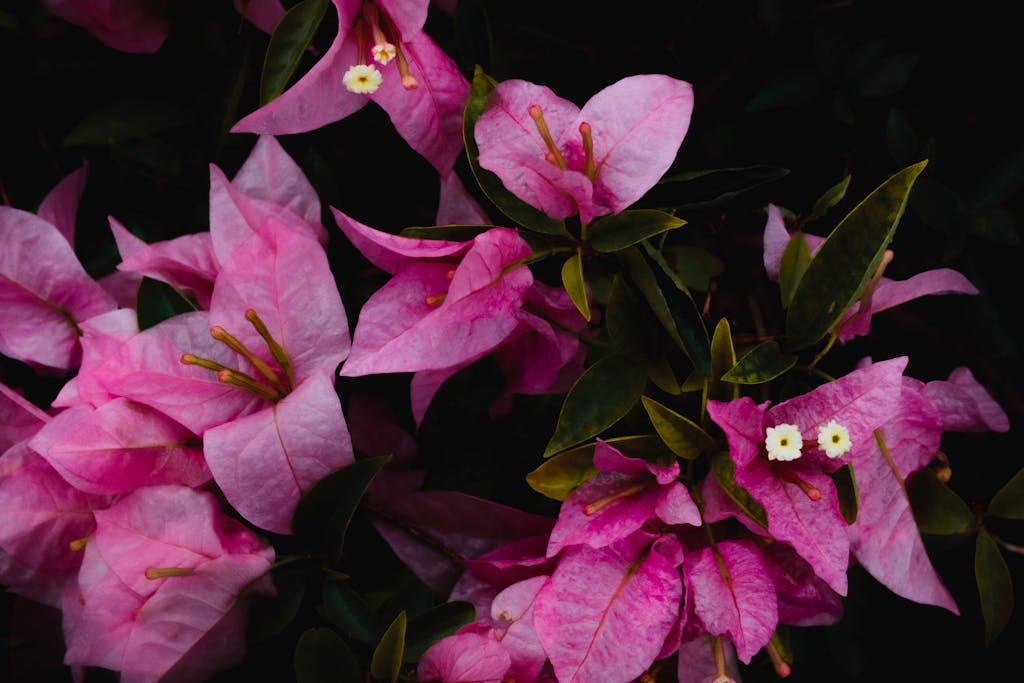
Turtlehead is a great choice for gardeners dealing with damp soil or partly shaded corners that many sun-loving flowers hate. Its unusual blooms resemble tiny turtle heads, giving the plant a playful look without feeling too novelty-driven. Pink and white varieties can brighten late-summer beds when other shade-friendly plants are already fading. It works beautifully near rain gardens, woodland edges, or low areas where the soil stays moist. For a garden that struggles in August heat, turtlehead can feel like a quiet lifesaver.
Ironweed
Ironweed is not the shy flower in the room. It grows tall, carries vivid purple blooms, and adds a wild, meadow-like feel to late-summer landscapes. This is a strong option for gardeners who want height at the back of a border or a more natural planting scheme that attracts butterflies. Its rich purple color looks especially striking beside ornamental grasses, golden flowers, or deep green foliage. Since it can grow vigorously, give it enough space so it looks intentional rather than crowded.
Mexican Bush Sage
Mexican bush sage brings a soft, velvety texture that makes a garden feel richer in late summer. Its long purple and white flower spikes create movement, especially when planted in groups where the stems can sway lightly in the breeze. This flower is especially useful in warm climates and sunny spaces where more delicate blooms struggle. It also looks beautiful in Mediterranean-style gardens, borders, and large containers. If your late-summer garden feels too flat, this plant adds instant depth and drama.
Obedient Plant
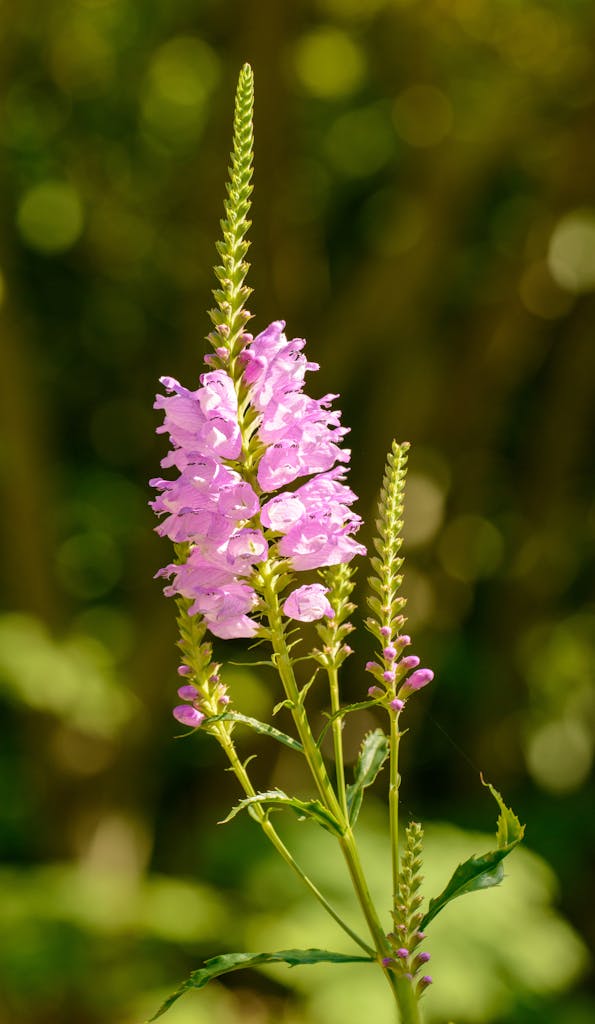
Obedient plant has a funny name, but it can make a serious impact in a late-summer flower bed. Its tall spikes of pink, lavender, or white blooms add structure without feeling stiff, and the flowers can last well into the season. It is especially helpful in cottage gardens, pollinator beds, and informal borders where you want a full, generous look. The one warning is that it can spread in happy conditions, so place it where it has room or keep it managed. Used wisely, it fills awkward gaps beautifully.
Toad Lily
Toad lily is perfect for gardeners who want something truly unexpected in late summer. Instead of big, loud blooms, it offers small orchid-like flowers marked with speckles and unusual patterns. This makes it ideal for shaded gardens where subtle detail matters more than bright color from a distance. It looks wonderful along walkways, under trees, or near patios where people can see the flowers up close. If your shade garden usually fades after spring, toad lily gives it a stylish late-season surprise.
Joe Pye Weed
Joe Pye weed is a strong late-summer performer for gardeners who want height, softness, and wildlife appeal. Its large dusty-pink or mauve flower clusters create a cloud-like effect above tall stems, making it excellent for natural borders and pollinator gardens. Butterflies are especially drawn to it, which gives the garden movement when many plants are slowing down. It prefers moisture, so it works well near rain gardens or areas that stay slightly damp. In a large space, it can look grand without feeling overly formal.
Cuphea
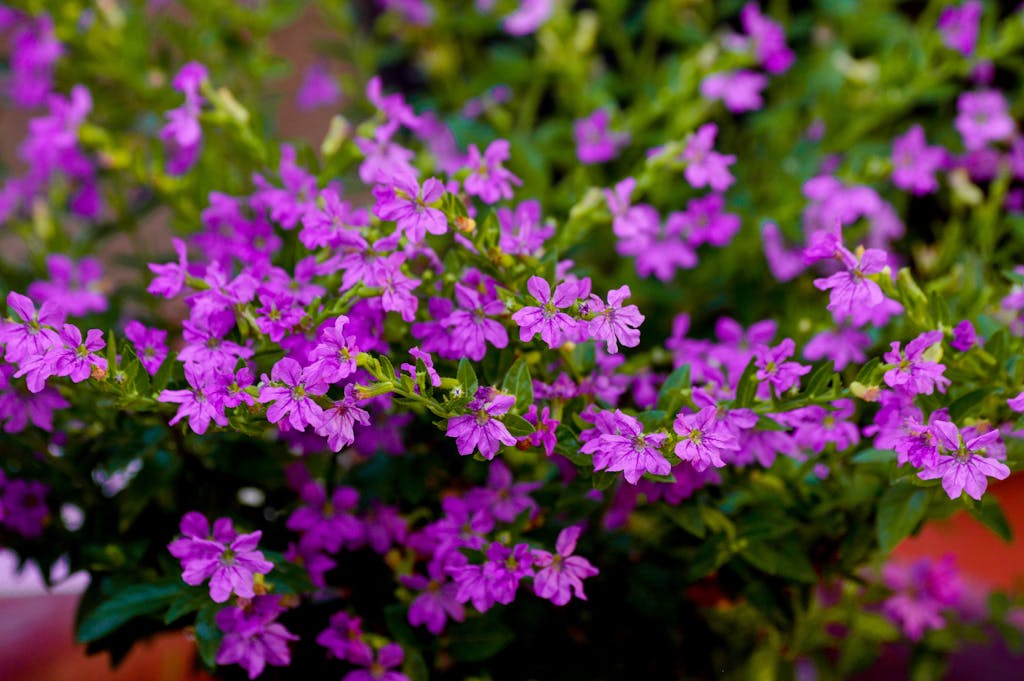
Cuphea is a lively choice for containers, borders, and warm late-summer beds. Depending on the variety, it may produce small tubular flowers in red, orange, purple, or pink, often drawing hummingbirds and other pollinators. It is a smart pick when you want something cheerful but not overused. Cuphea works well near patios, entryways, and garden edges because it continues to produce color without demanding much attention. For gardeners tired of the same seasonal flowers, it brings personality and energy.
Conclusion
A late-summer garden should not look like it has already given up. The trick is choosing flowers that naturally shine when the first wave of summer color starts to fade. Helenium, anise hyssop, turtlehead, ironweed, Mexican bush sage, obedient plant, toad lily, Joe Pye weed, and cuphea all bring something different to the season, from bold color to pollinator activity to unusual texture. If your garden usually looks tired by August, these overlooked late-summer flowers can help it feel refreshed, layered, and ready to carry beauty into fall.