Fall is the perfect season to enhance your garden with vibrant colors and rich foliage. While some shrubs offer breathtaking displays, others can be a disappointment, leaving your garden less than spectacular. Whether it’s lackluster colors, difficult maintenance, or an inability to thrive in fall conditions, certain shrubs simply don’t live up to the seasonal hype. Here’s a list of seven shrubs that should be avoided for your October landscaping. These shrubs may not provide the fall brilliance you’re hoping for and can often become more of a headache than a highlight.
Forsythia
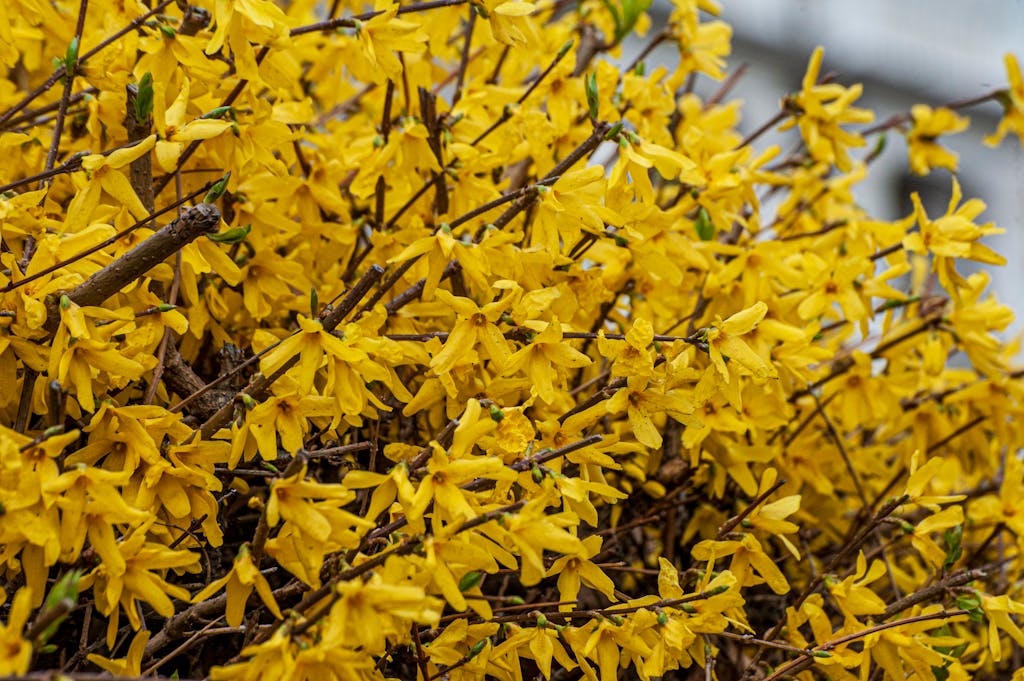
Though forsythia is adored in early spring for its striking yellow flowers, its performance in the fall is far from impressive. While it shines in the warmer months, its fall colors tend to be dull and unremarkable, often turning brown or fading to a dull green. Forsythia’s rapid growth also makes it a maintenance nightmare. If you’re looking for a shrub that will offer vibrant fall colors and be easier to manage, forsythia will likely disappoint, demanding constant pruning and care.
Barberry
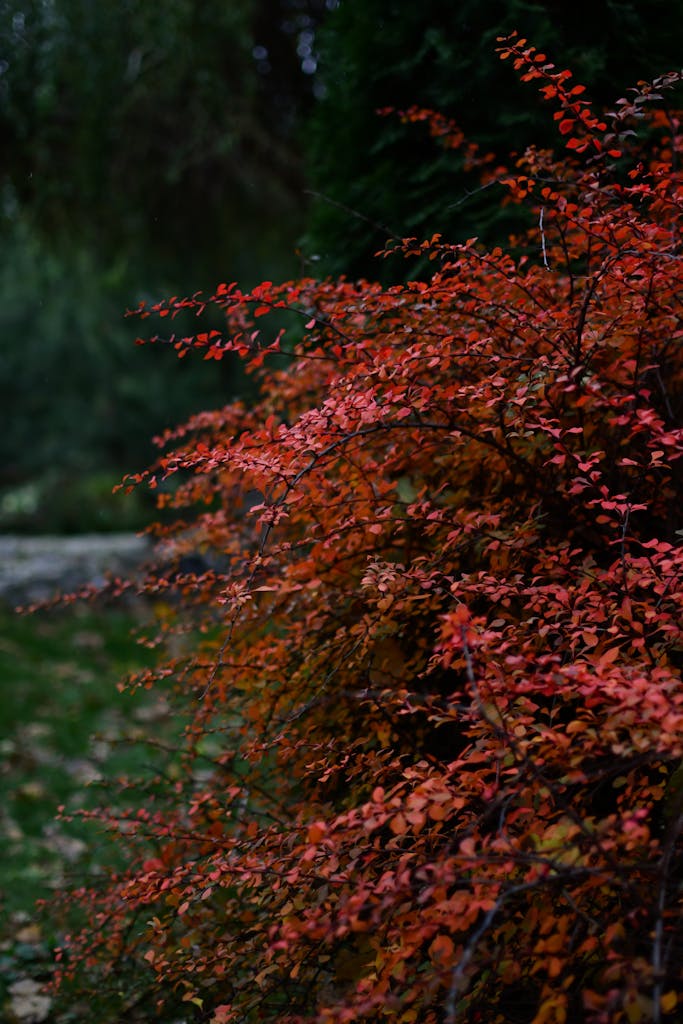
Barberry shrubs are frequently praised for their striking red and orange hues, especially in the fall. However, the thorny nature of these plants makes them difficult to handle and maintain. While the color may catch your eye, the plant’s sharp thorns can pose a risk during gardening, and it is notorious for being invasive. Barberry is known to spread quickly, overtaking garden spaces and choking out nearby plants. For a vibrant, yet controllable shrub, barberry is simply not worth the effort.
Hydrangea
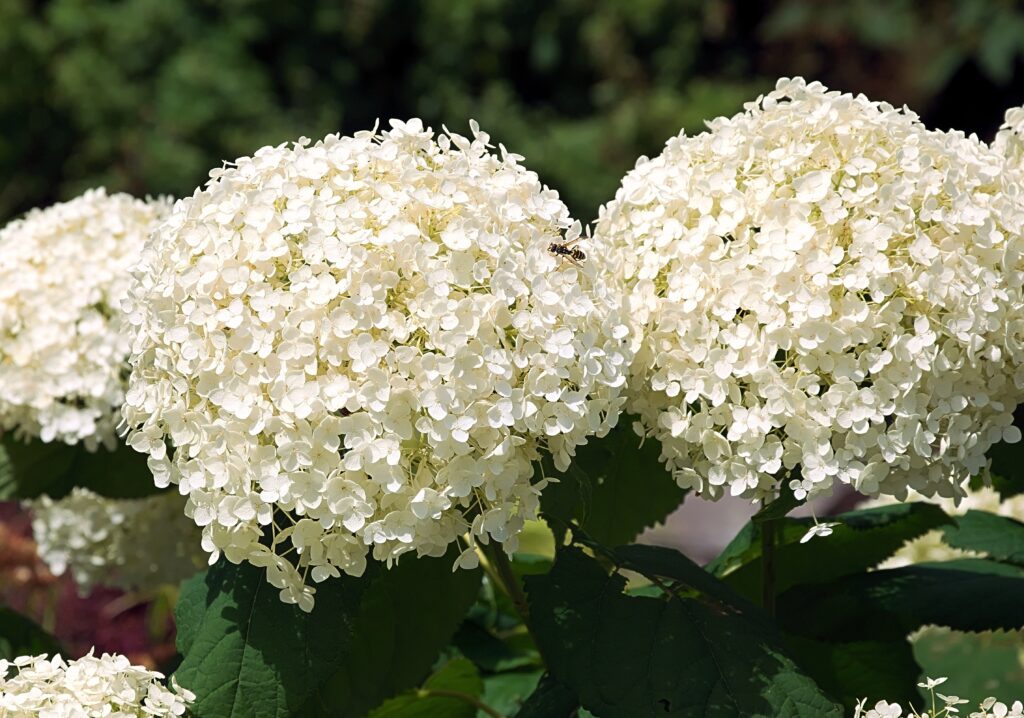
Hydrangeas are often beloved for their large, colorful blooms in the summer, but they fall short in the fall. While they may put on a good show during warmer months, their foliage tends to turn a dull, muted green or brown in autumn. Hydrangeas also need specific care and a certain level of humidity to thrive, making them difficult to grow in some regions. If you’re looking for a shrub that offers striking autumn colors and is easy to care for, hydrangeas will likely let you down.
Holly
Holly shrubs are iconic around the holidays, but their performance in the fall is underwhelming. While the berries are festive and red, the leaves themselves do not offer much color change. The dark green leaves remain static through the fall, providing no contrast or vibrant color shifts that you’d expect from shrubs designed for autumn landscaping. Furthermore, holly’s prickly nature makes handling it difficult, which can be a major drawback when planting or pruning.
Euonymus
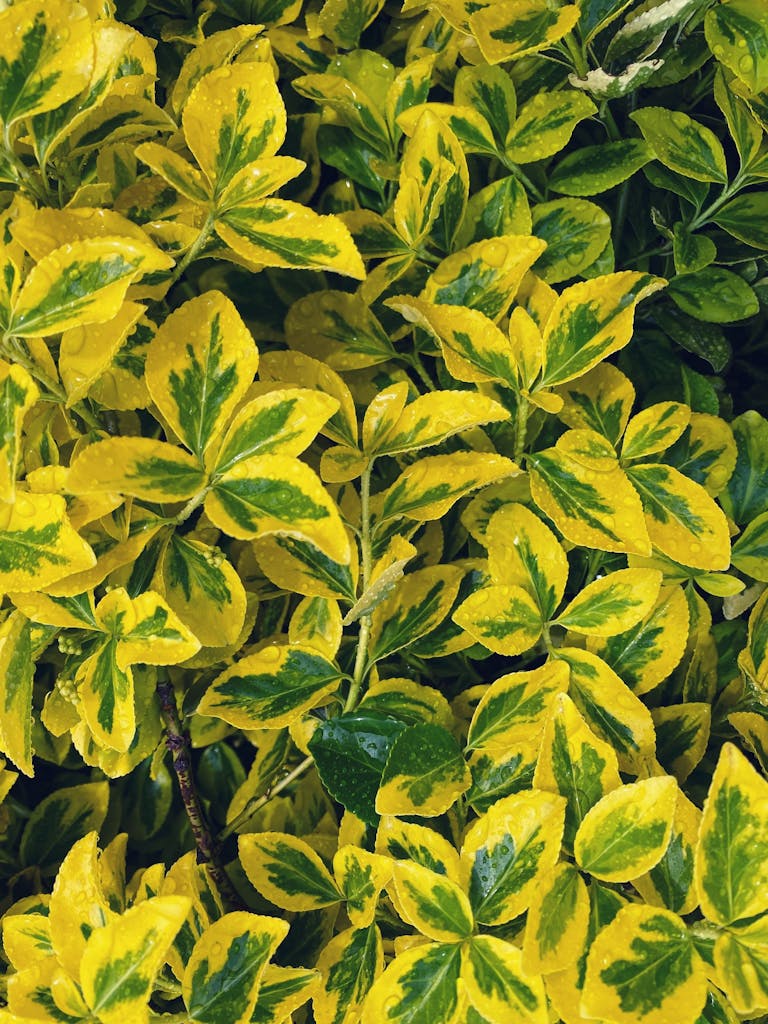
Euonymus shrubs are often seen as a staple for hedges, but they fail to deliver the fiery fall colors many gardeners seek. While some varieties of euonymus have the potential to turn a subtle reddish color, it’s often a lackluster shift that doesn’t compare to other shrubs with vibrant autumn displays. On top of that, euonymus is known to grow quite large and can easily get out of hand if not carefully managed, making it difficult to control and maintain. This shrub is better suited for a background role than as a centerpiece in your fall garden.
Lilac Tree
While lilac trees are well-loved for their spring blooms, their fall appearance is much less impressive. Lilacs do not provide the rich, warm hues typically associated with autumn foliage. Instead, their leaves may turn yellow or fall off entirely, leaving a bare shrub that doesn’t contribute much to a fall landscape. Lilacs also require a lot of sunlight and specific care conditions, making them more of a hassle than they’re worth when looking for vibrant color in your autumn garden.
Privet
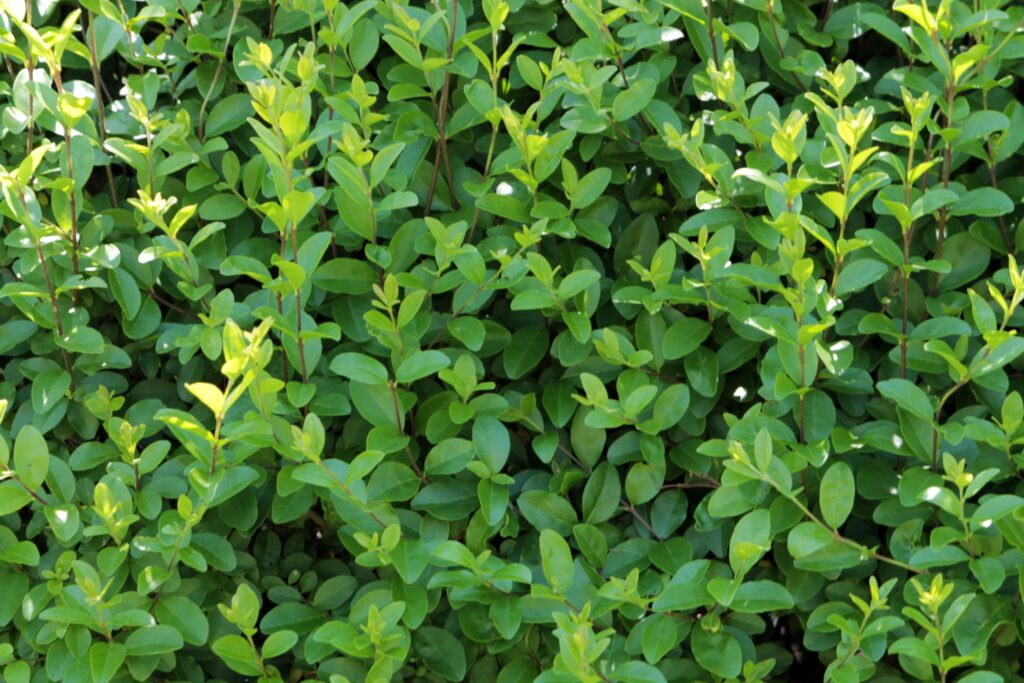
Privet is often used as a hedge, but it’s not the best choice for your fall garden. While it offers some foliage color, the overall display is rather dull, with the leaves turning to a generic yellow or green, often without the brilliant reds and oranges found in other shrubs. Moreover, privet shrubs are known to be susceptible to various pests and diseases, making maintenance an ongoing struggle. Instead of adding beauty to your garden, privet may create more work for you.
Conclusion
The right shrubs can make all the difference when planning your October landscaping, but the wrong choices can leave your garden looking drab and uninspired. From lackluster foliage to excessive maintenance, these seven shrubs should be avoided if you want a garden that thrives in the fall. Focus on shrubs that offer rich, vibrant colors and are easy to maintain, ensuring your garden bursts with beauty as the seasons change. By making the right choices, you’ll have a garden that enhances the crisp autumn air rather than detracts from it.