In a world where information is at our fingertips, it’s easy to get lost in the maze of health advice that floods our feeds. But not all health tips are created equal. Some, in fact, can be downright harmful. From outdated myths to misleading headlines, here are 10 health misconceptions that need to be debunked once and for all.
You Need 8 Glasses of Water a Day
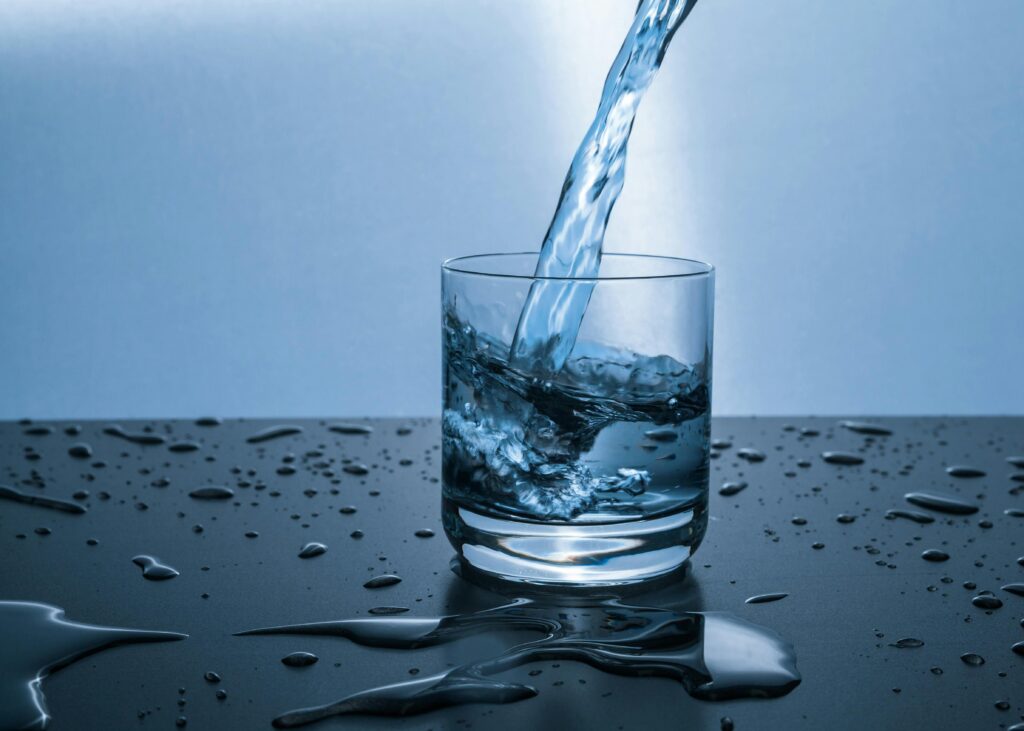
The commonly repeated advice to drink eight glasses of water per day is oversimplified and often misleading. While hydration is essential, individual water needs vary based on factors like activity level, climate, and health. The Institute of Medicine suggests that the average man needs about 3.7 liters (125 ounces) of fluids per day, while the average woman needs about 2.7 liters (91 ounces). This total includes all fluids, not just water.
Avoid All Fats for a Healthy Heart
Many health-conscious individuals have been led to believe that eating fat, especially saturated fat, directly leads to heart disease. However, recent studies challenge this assumption. In fact, healthy fats, like those found in avocados, nuts, and olive oil, are beneficial for heart health. The real culprit behind heart disease is often inflammation, which can result from a diet high in processed foods, sugar, and trans fats.
Fats play a crucial role in maintaining cell structure, hormone production, and brain health. The key is focusing on healthy fats rather than eliminating fats altogether.
Detox Diets Cleanse Your Body
Detox diets and cleanses are popular in the wellness industry, promising to flush toxins out of your system. While some people report feeling lighter or less bloated after a cleanse, there is no scientific evidence to support the idea that detox programs actually remove toxins. Your liver, kidneys, and digestive system already do a great job of filtering out waste naturally.
Detox diets often cut out essential nutrients, leading to temporary weight loss that’s mostly water and muscle mass, not fat. In the long run, these diets can disrupt metabolism and make it harder to maintain a healthy weight.
Eating Late at Night Causes Weight Gain

The myth that eating late at night leads to weight gain has been around for decades. The truth is, weight gain occurs when you consume more calories than your body burns, regardless of the time of day. In fact, skipping meals or restricting calories too much during the day can lead to overeating at night, which can affect your overall calorie intake.
It’s not when you eat, but how much and what you eat that matters. A balanced diet and portion control are more important for weight management than meal timing.
You Can’t Build Muscle After 30
As we age, our metabolism slows, making it harder to maintain muscle mass. However, this doesn’t mean that people over 30 can’t build muscle. Strength training, even later in life, is highly effective at increasing muscle mass, improving bone density, and enhancing overall strength. Studies show that older adults who engage in regular resistance training improve muscle tone and function.
The key to building muscle at any age is consistency, progressive overload, and proper nutrition. Age may slow the process, but it doesn’t make it impossible.
Avoid Salt at All Costs

Salt has long been vilified for its role in causing high blood pressure and heart disease. While excessive salt intake is indeed linked to hypertension in some individuals, moderate salt consumption can be part of a healthy diet. The body needs sodium for nerve function, muscle contraction, and fluid balance.
Not all individuals are sensitive to sodium, and the excessive demonization of salt often leads people to avoid important sources of iodine, like iodized salt, which is vital for thyroid function.
Target Fat Loss in Specific Areas
The idea that you can lose fat in specific areas of your body, like your belly or thighs, by doing targeted exercises is a myth. Spot reduction doesn’t work. When you lose fat, your body decides where it comes from, which is why a full-body workout combined with a healthy diet is the most effective approach to fat loss.
Exercising a specific area of your body may strengthen the muscles in that region, but it won’t burn fat exclusively from that spot. Fat loss is a total-body process.
Carbs Are the Enemy

For decades, carbs have been villainized in the media, often blamed for weight gain and health issues. This oversimplified view fails to recognize the difference between simple and complex carbohydrates. While refined sugars and processed carbs can spike blood sugar levels, whole grains, fruits, and vegetables are packed with fiber and nutrients that support a healthy metabolism.
Eliminating carbs can lead to nutrient deficiencies, poor energy levels, and long-term health problems. It’s about choosing the right carbs, not avoiding them altogether.
Low-Protein Diet is Good for Kidney Health
For individuals with kidney disease, a low-protein diet is often recommended to reduce kidney strain. However, for healthy individuals, cutting back on protein can be harmful. Protein is essential for muscle repair, immune function, and overall bodily function. A diet too low in protein can lead to muscle loss, weakened immune response, and slowed metabolism.
A balanced diet with adequate protein is crucial for maintaining muscle mass and metabolic health. Protein intake should only be restricted under the guidance of a healthcare provider.
Sugar Causes Diabetes
Sugar has long been blamed for causing diabetes, but the real cause is insulin resistance, which is influenced by factors like genetics, diet, and inactivity. While excessive sugar intake can contribute to obesity, which increases the risk of developing type 2 diabetes, sugar itself is not the sole cause. The body can process moderate amounts of sugar without it leading to diabetes.
Focusing on sugar as the sole culprit overlooks other factors that contribute to diabetes, such as overall diet quality, physical activity, and genetics. Moderation and balance are the keys.