A weeping fig can look elegant, expensive, and full of promise, right up until it decides to sit there doing absolutely nothing. One month passes, then another, and your so-called tree still looks like a stubborn houseplant stuck in a sulk.
The good news is that a weeping fig is rarely difficult for no reason. Ficus benjamina naturally becomes a large tree in warm outdoor climates, but indoors it grows more slowly and only stretches upward when its conditions are consistently right.
Give It More Light, or Accept Slower Growth

If you want height, light has to come first. Weeping figs grow best in bright, indirect light, and poor light is one of the fastest ways to end up with slow growth, sparse branches, and a plant that looks like it has given up on ambition altogether.
Place it near a bright window where it gets plenty of filtered daylight, but not harsh, scorching sun for hours on end. A dim corner may keep it alive, but it will not help it grow taller with any enthusiasm.
Stop Overwatering It
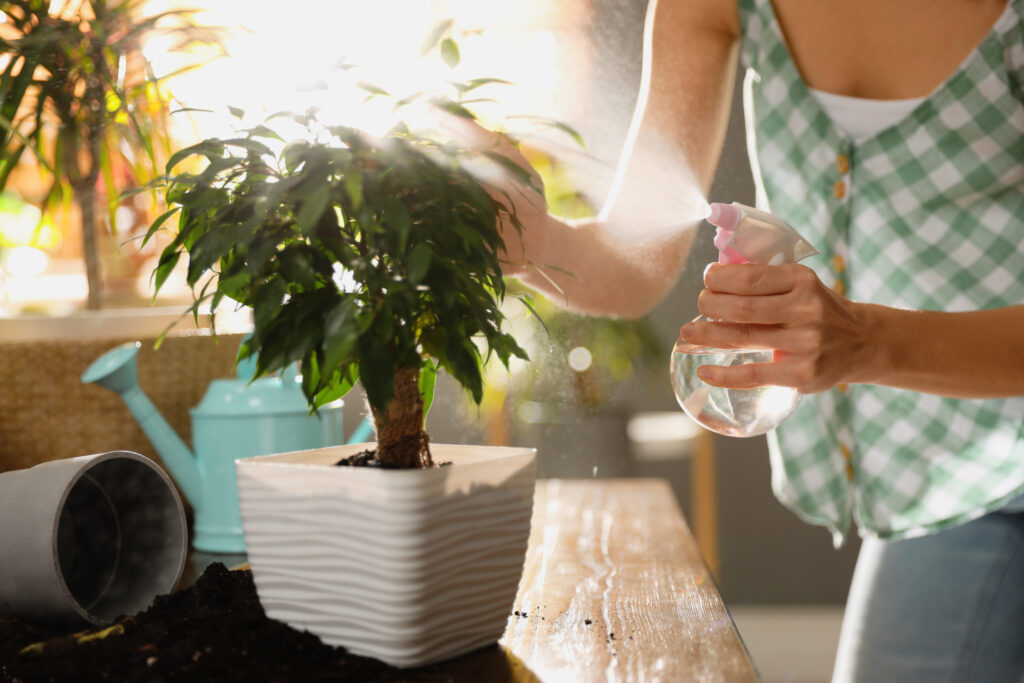
Many owners think more water means more growth, but that logic can wreck a weeping fig. This plant wants the soil to dry slightly between waterings, and it absolutely hates sitting in soggy compost or a saucer full of water.
If the roots stay too wet, growth slows, leaves fall, and the whole plant starts acting stressed instead of vigorous. Water thoroughly, let excess drain away, and wait until the top layer begins to dry before reaching for the watering can again.
Keep Conditions Stable
Weeping figs enjoy consistency far more than drama. Drafts, radiators, sudden temperature swings, and constant relocation can all trigger stress, and stressed plants do not put energy into growing taller.
A warm room with a steady temperature suits them best; Clemson notes ideal ranges of 65 to 70°F at night and 75 to 85°F by day, while Gardeners’ World says they need at least 16°C to thrive. Once you find a good spot, leave the plant there and let it settle in.
Feed It During the Growing Season
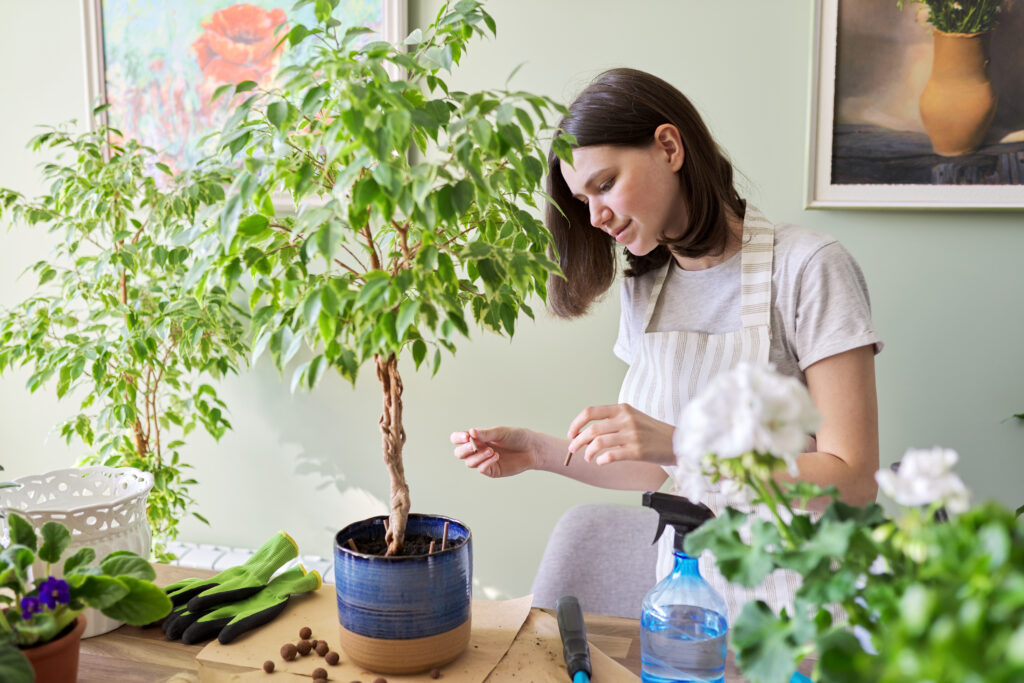
A hungry weeping fig will survive, but it will not exactly impress you. During active growth, regular feeding helps support new leaves, stronger stems, and the steady upward progress most owners hope for.
A balanced liquid fertilizer every few weeks in spring and summer is usually enough. Clemson recommends feeding every month or two during the growing season, while RHS advises feeding every 2 to 4 weeks in spring and summer, then reducing or stopping in winter, when growth slows.
Prune Smart, Not Recklessly
Pruning sounds backward when your goal is height, but light shaping can actually help your weeping fig grow better. Removing weak, messy, or poorly placed growth helps the plant redirect energy into healthier branches and a stronger overall structure.
That said, do not go wild with the scissors every other weekend. Prune with purpose, shape it when needed, and then give it time to respond with fresh growth instead of repeatedly shocking it into recovery mode.
Do Not Rush Into a Giant Pot

A bigger pot is not automatically a shortcut to a bigger plant. Weeping figs can tolerate being slightly root-bound, and repotting too often or moving straight into an oversized container is not the clever growth hack many people think it is.
When it is time to repot, choose a container only slightly larger than the current one and ensure excellent drainage. If roots are badly crowded, growth can slow, and leaves may become smaller, but the answer is measured repotting, not giving the plant a swimming pool of wet soil.
Be Realistic About How Tall It Can Get Indoors
Part of the frustration comes from expecting indoor growth to behave like tropical outdoor growth. In the wild, Ficus benjamina can reach roughly 40 to 60 feet tall, but indoors it is usually kept much smaller, often in the 2 to 10 foot range, depending on care, pruning, and space.
So yes, your weeping fig can grow taller, but it will do it on its own schedule. Give it bright indirect light, careful watering, stable warmth, seasonal feeding, and a little patience, and it will stop sulking and start acting like the graceful indoor tree it was meant to be.