Healthy aging does not need a fancy label or a trendy grocery haul. Sometimes the smartest foods are the ones that have been sitting at the American table for generations, steady, familiar, and quietly powerful. The classic staples people grew up with often make up the mix that matters most as the years go by: fiber, protein, healthy fats, and key vitamins.
The National Institute on Aging recommends nutrient-dense choices from grains, seafood, beans, nuts, vegetables, and dairy or fortified alternatives as part of eating well with age, and the source article you shared builds its list around those same kinds of traditional foods.
Oatmeal
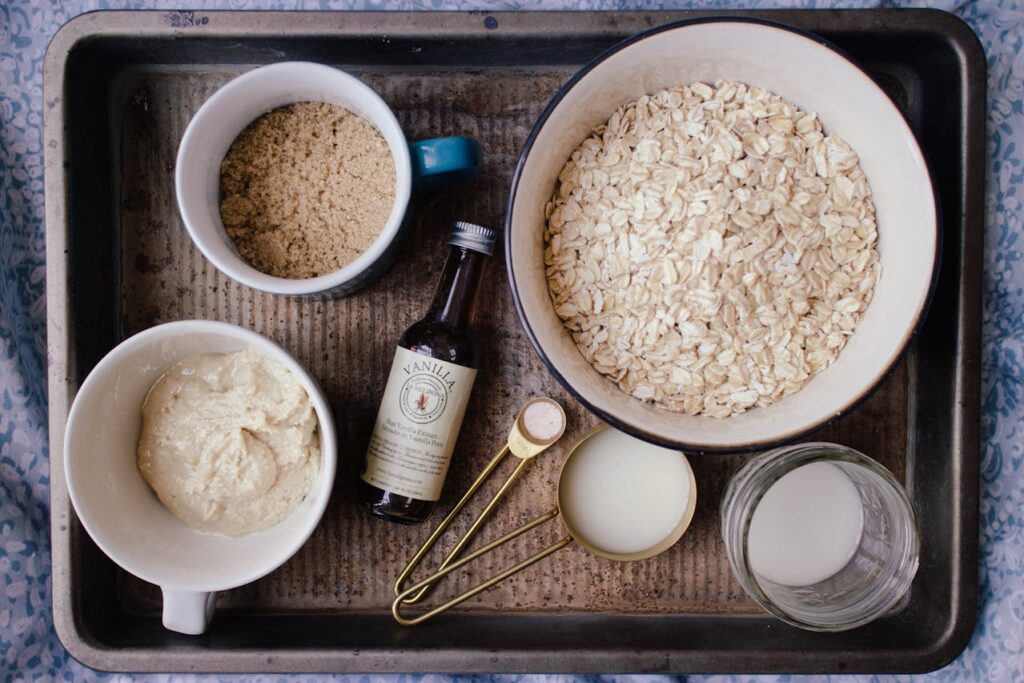
Oatmeal earns its place the old-fashioned way, by showing up and doing its job. It is warm, filling, easy to dress up, and, as noted in the source article, linked to soluble fiber called beta-glucan, which can support heart health and steadier blood sugar.
That makes it feel less like a plain breakfast and more like a dependable foundation for the day. A bowl of oats topped with fruit and a few nuts feels simple, but simple is often where real strength lives.
Beans
Beans have always understood value. They are humble, affordable, and deeply satisfying, yet they still provide fiber, plant protein, and useful minerals.
The National Institute on Aging specifically lists beans among nutrient-dense protein choices for older adults, and the source article highlights them as a traditional American staple with real staying power. A good pot of beans does not try to impress you with drama; it wins you over with consistency.
Salmon
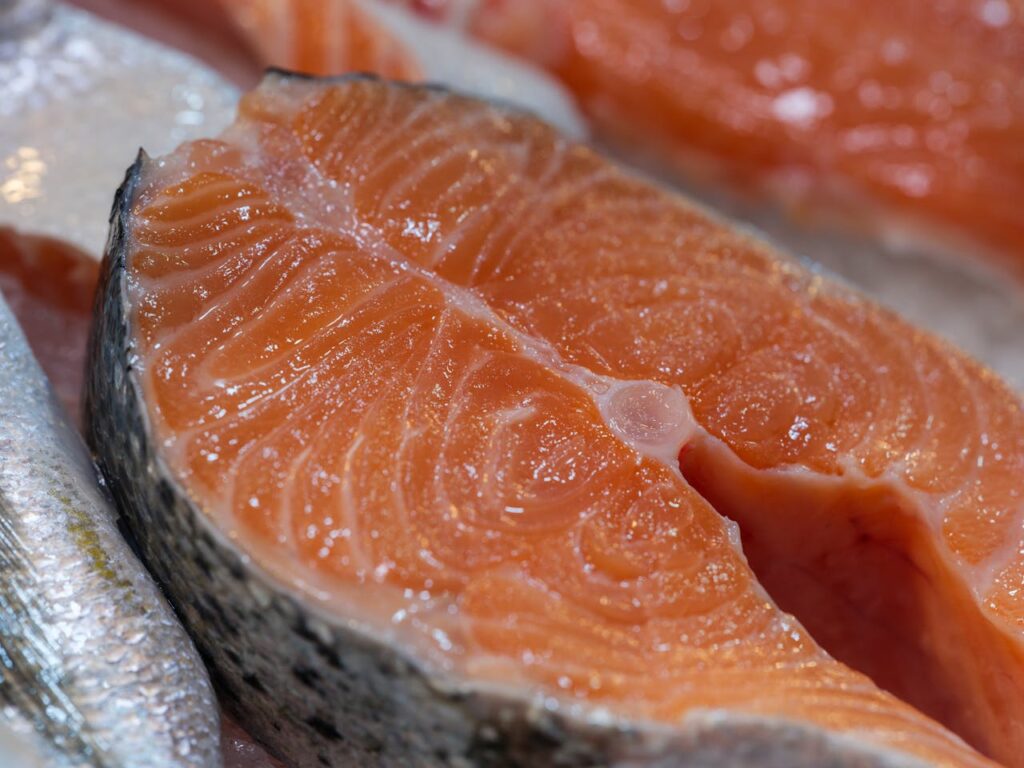
Salmon adds a little grace to healthy eating because it feels both comforting and substantial. The National Institute on Aging notes that seafood provides protein and omega-3 fatty acids, and specifically lists salmon among heart-healthy seafood choices.
The source article also frames salmon as a proud American coastal staple, especially in places like Alaska and the Pacific Northwest. That is the beauty of it, one good fillet can feel classic on the plate and smart in the long run.
Sweet potatoes
Sweet potatoes have a warmth that makes a meal feel complete. They have long been part of Southern cooking, and the source article points to their fiber and beta-carotene content as key factors in their strong appeal.
MedlinePlus also lists sweet potatoes among food sources of important vitamins, which helps explain why they have held on as more than just a comfort food. Roasted, mashed, or baked, they prove that a familiar side dish can still bring serious value.
Leafy greens
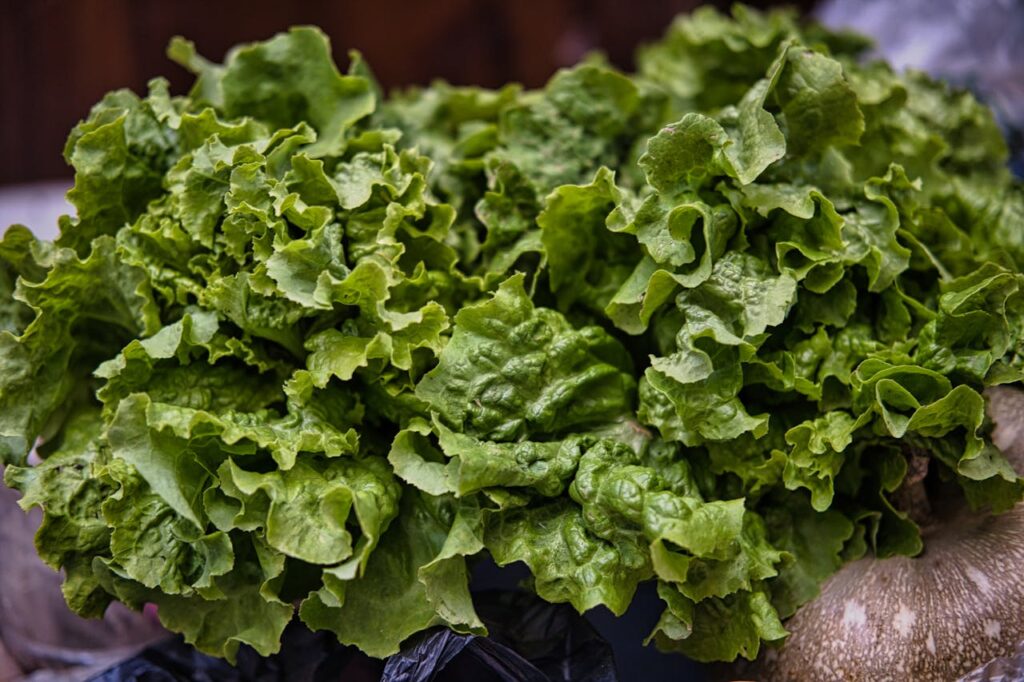
Leafy greens are the quiet champions of the dinner table. Collards, kale, spinach, and other greens deliver color, texture, and depth, but they also supply vitamin K, which the NIH Office of Dietary Supplements says is important for healthy bones.
The source article leans into that strength and presents greens as one of the great gifts of American regional cooking. When a food has been loved for generations and still delivers nutritionally, that is not nostalgia; that is wisdom.
Yogurt
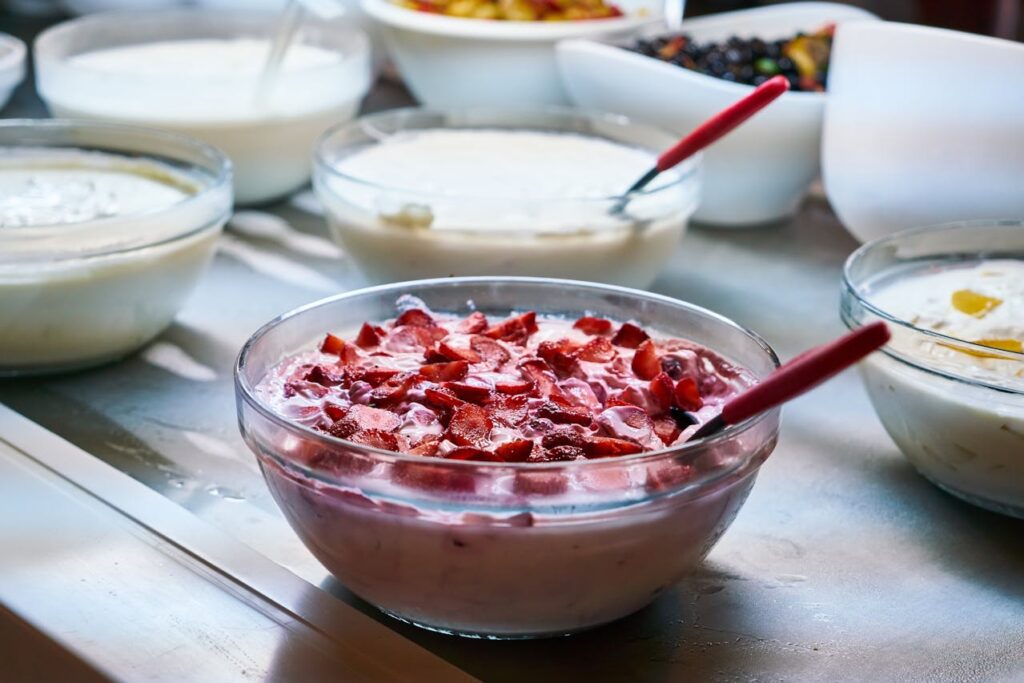
Yogurt feels like one of the easiest wins in the kitchen. It is versatile, cool, creamy, and the source article highlights its protein, calcium, and probiotic value for gut health.
MedlinePlus also lists yogurt among food sources for important vitamins, and the broader healthy eating guidance for adults emphasizes dairy or fortified alternatives as part of a balanced pattern. In practical terms, plain yogurt with fruit and nuts can turn a quick snack into something far more useful.