Winter is coming, and if you don’t take the right steps now, your garden could be in for a rough season. But don’t worry – you don’t need a full weekend of toil to get your space ready.
With just a little preparation, you can protect your plants and keep your garden healthy all winter long. Here are six smart, simple steps that’ll ensure your garden survives the cold months without skipping a beat. Let’s dive in!
Clean Up the Garden, But Don’t Overdo It
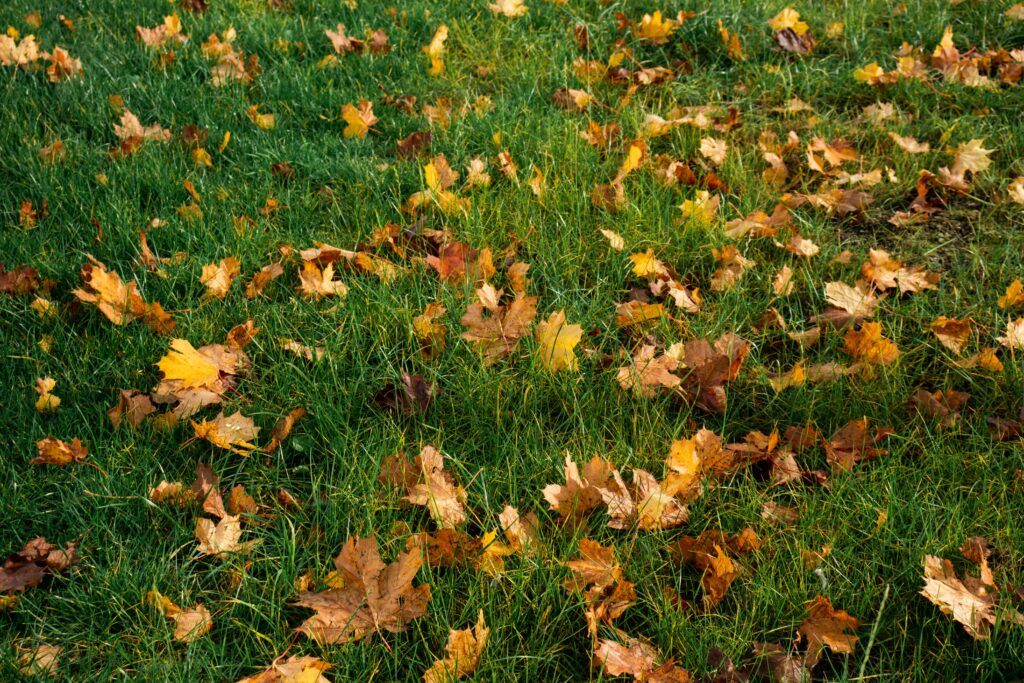
The first step is the cleanup. Dead leaves, fallen twigs, and rotting plant material should be removed to prevent pests and mold from taking root. However, not everything needs to go.
Leave some perennial stems and seed heads standing—these can provide shelter for beneficial insects and some extra texture to your garden through winter. The key here is cleaning strategically: get rid of the sick, but leave the healthy. It’ll give your garden a tidy, but not sterile, feel.
Feed Your Soil and Protect It for the Future
Before the cold weather sets in, it’s time to nourish your soil. Adding compost and organic matter will give it the nutrients it needs for the months ahead.
Top it with a thick layer of mulch to insulate it from freezing temperatures, retain moisture, and prevent weeds from taking over. Whether it’s straw, wood chips, or shredded leaves, a mulch layer between 2 and 4 inches will do wonders to prepare your garden for spring’s arrival. Keep it away from the plant crowns, though—let it breathe!
Protect the Sensitive Plants from Frost’s Bite
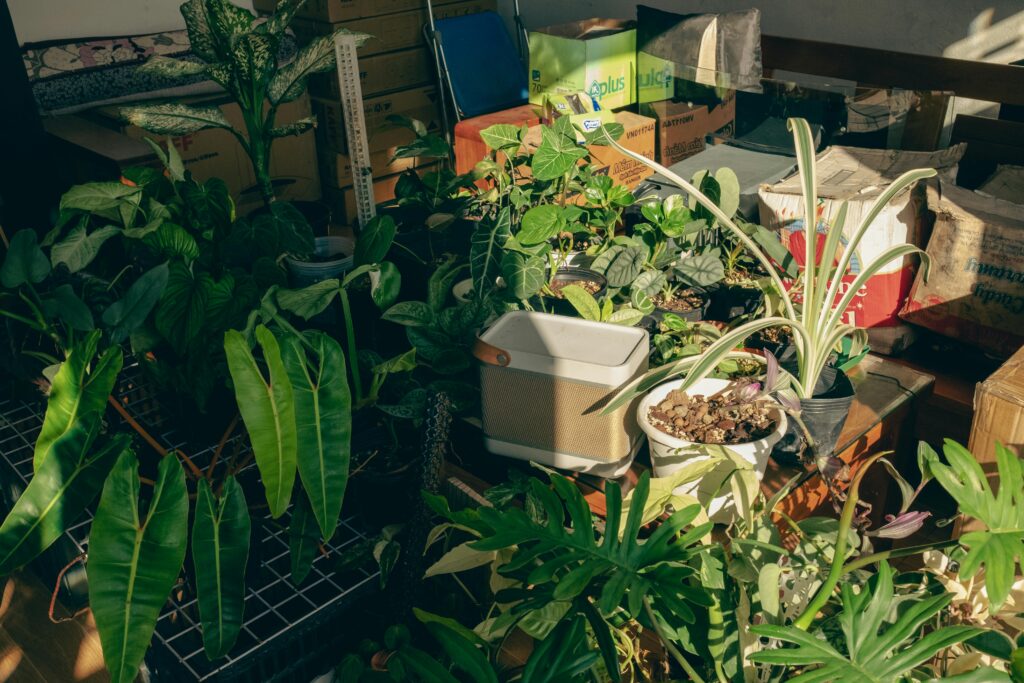
Certain plants need a little extra care to get through the winter. Tender bulbs and plants in pots are especially vulnerable.
For bulbs, consider digging them up and storing them in a cool, dry place. For outdoor plants that aren’t quite ready for frost, cover them with burlap, frost cloths, or a deep layer of mulch. Moving potted plants into a sheltered area, such as a garage or greenhouse, will also do them a world of good. It’s all about offering them a cozy little retreat when the chill arrives.
Harvest What You Can and Plan for Spring
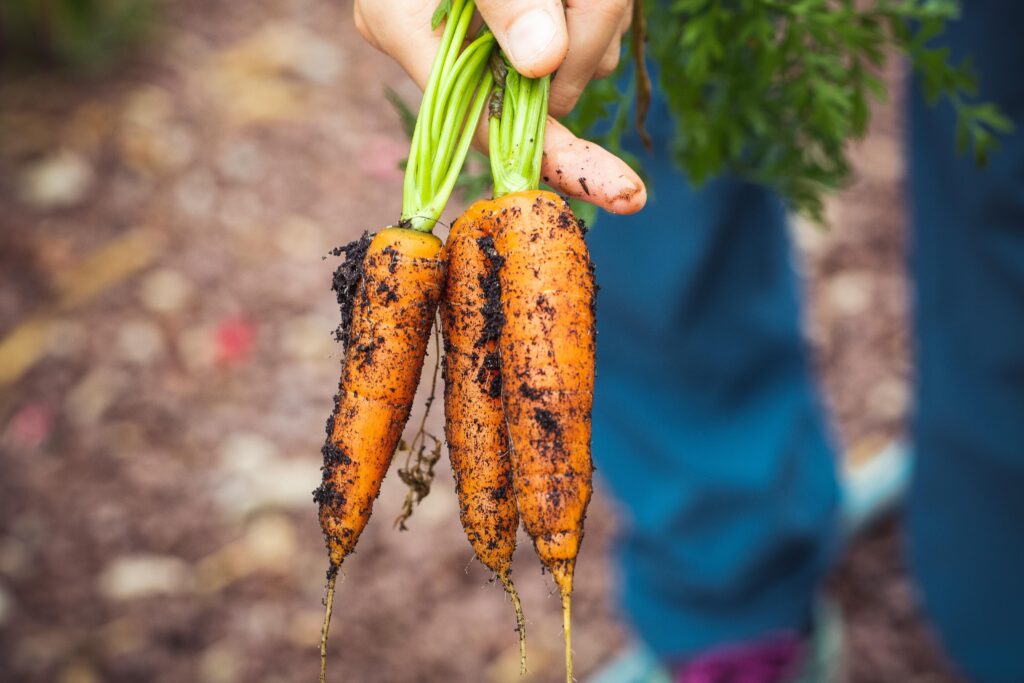
Before the frost hits hard, get those last veggies, herbs, and fruit from your garden. Root vegetables like carrots and beets can often be stored in a cool, dry place for the winter.
Cold-hardy greens like kale and spinach may continue to thrive with some protection, so don’t throw them out just yet. Winter is also the perfect time to plant spring-flowering bulbs like tulips and daffodils—give them the time they need to settle in and bloom in the coming months.
Winterize Your Tools and Garden Decor
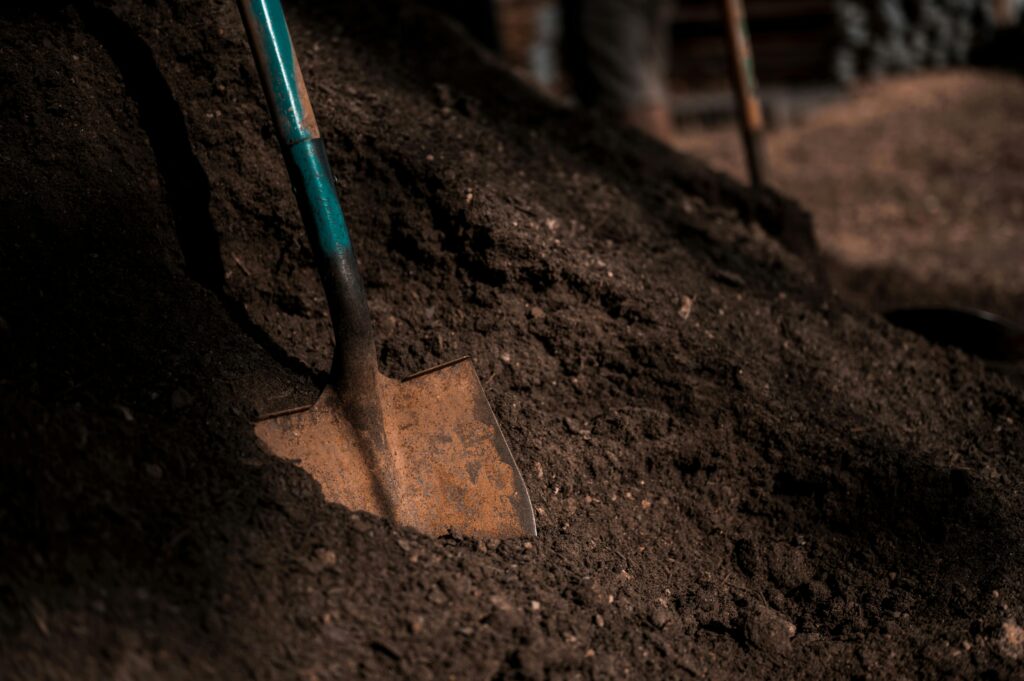
Don’t forget about your tools and garden decor—proper care now will save you headaches later. Clean your gardening tools of dirt and debris to prevent rust, and store them in a dry place.
Make sure hoses are drained and rolled up, and consider storing any sensitive garden decor, like statues or birdbaths, in a shed or basement. A little maintenance now will ensure your tools are ready to hit the ground running in the spring.
Keep Your Garden Wildlife-Friendly Through Winter
Wildlife doesn’t disappear in the winter—many animals still rely on your garden for food and shelter. Keeping bird feeders stocked throughout the winter ensures that local wildlife has a consistent food source.
Leave some fallen leaves or hollow stems for insects, too, as they’ll help them hibernate safely. A little bit of extra care for the creatures that visit your garden can make all the difference in maintaining a balanced, thriving ecosystem.