Losing a spouse can turn ordinary financial tasks into emotional landmines. A bill on the kitchen table suddenly feels heavier. A bank statement feels confusing. A simple phone call to an insurance company can reopen grief before the day has even started.
That is why the months after a spouse dies require patience, paperwork, and protection. We do not need to make every decision immediately. We need to slow down, gather the right information, and avoid the financial mistakes that can quietly damage a surviving spouse’s future.
Paying Debts Without Checking Who Owes Them

Grief can make people feel responsible for everything left behind, including debts. That is exactly why this mistake is so dangerous. A surviving spouse may start paying credit cards, medical bills, personal loans, or collection notices without confirming whether they are legally responsible.
Not every debt becomes the surviving spouse’s personal obligation. Some debts may belong to the estate. Some may be tied to joint accounts. Some may depend on state law. Some may even be fake bills sent by scammers hoping to pressure a grieving person into paying quickly.
Before paying anything unfamiliar, we should ask for written proof. We should identify whether the debt was joint, whether the surviving spouse co-signed, and whether the estate is responsible. Paying too soon can create problems, especially if the payment restarts collection activity or reduces the money needed for essentials.
Missing Survivor Benefits
Survivor benefits can be a financial lifeline, but many widows and widowers do not know what they may be entitled to receive. Social Security survivor benefits, pension survivor options, life insurance payments, employer death benefits, union benefits, veterans benefits, and retirement account payouts may all apply depending on the spouse’s work history and household situation.
The mistake is assuming these benefits arrive automatically. Some do not. We may need to contact Social Security, former employers, pension administrators, insurance companies, and retirement plan custodians directly. A surviving spouse should also ask about the timing of benefits because claiming too early or choosing the wrong option can affect long-term income.
This is especially important for Social Security. Survivor benefit rules can be different from regular retirement rules, and the best claiming decision may depend on age, work income, health, and the size of each spouse’s benefit. A rushed decision can lock in a smaller monthly payment for years.
Not Knowing Where the Money Is
One of the most painful financial mistakes after losing a spouse is discovering that one person handled nearly everything. Bank accounts, retirement plans, life insurance policies, credit cards, pensions, tax files, mortgage documents, and online passwords can become a maze when the person who managed them is gone.
This mistake can delay benefits, create missed payments, and make the surviving spouse vulnerable to bad advice. We should start by building a complete financial map. That means listing every account, every source of income, every debt, every insurance policy, and every recurring bill. Even if the information feels overwhelming, putting it in one place makes the next steps less frightening.
The goal is not to solve everything in one week. The goal is to stop guessing. A surviving spouse needs clarity before making decisions, because uncertainty is where costly mistakes grow.
Making Big Decisions Too Quickly

The first months after losing a spouse can feel unbearable, and big decisions may seem like a way to escape the pain. Selling the house, moving across the country, giving away assets, changing investments, or handing money to relatives can all feel logical in the moment. Later, those same choices may feel rushed and irreversible.
A widow or widower should avoid major financial moves unless there is an urgent reason. Grief can distort judgment. Loneliness can make any change feel attractive. Fear can make a person sell investments, cancel plans, or move money without understanding the long-term cost.
A better approach is to create a waiting period for major decisions. We can handle immediate needs, such as funeral costs, bills, insurance claims, and benefit applications. Wider choices can wait until the surviving spouse has more emotional balance, better financial information, and professional guidance.
Letting Family Pressure Control the Money
Family members may mean well, but grief can blur boundaries. Adult children may ask about inheritance. Relatives may suggest selling the house. Friends may recommend investments, advisers, or quick fixes. Some people may offer help, but others may see a vulnerable widow or widower as an opportunity.
The surviving spouse must first protect their own financial stability. That may feel uncomfortable, especially for parents and grandparents who are used to helping others. But giving away money too early can create serious problems later, especially if income drops, taxes rise, health costs increase, or the surviving spouse lives longer than expected.
We should be kind, but firm. No one needs immediate access to assets, accounts, or decisions unless there is a legal reason. The surviving spouse has the right to pause, review the full financial picture, and say, “I am not making that decision yet.”
Ignoring Taxes After the Death
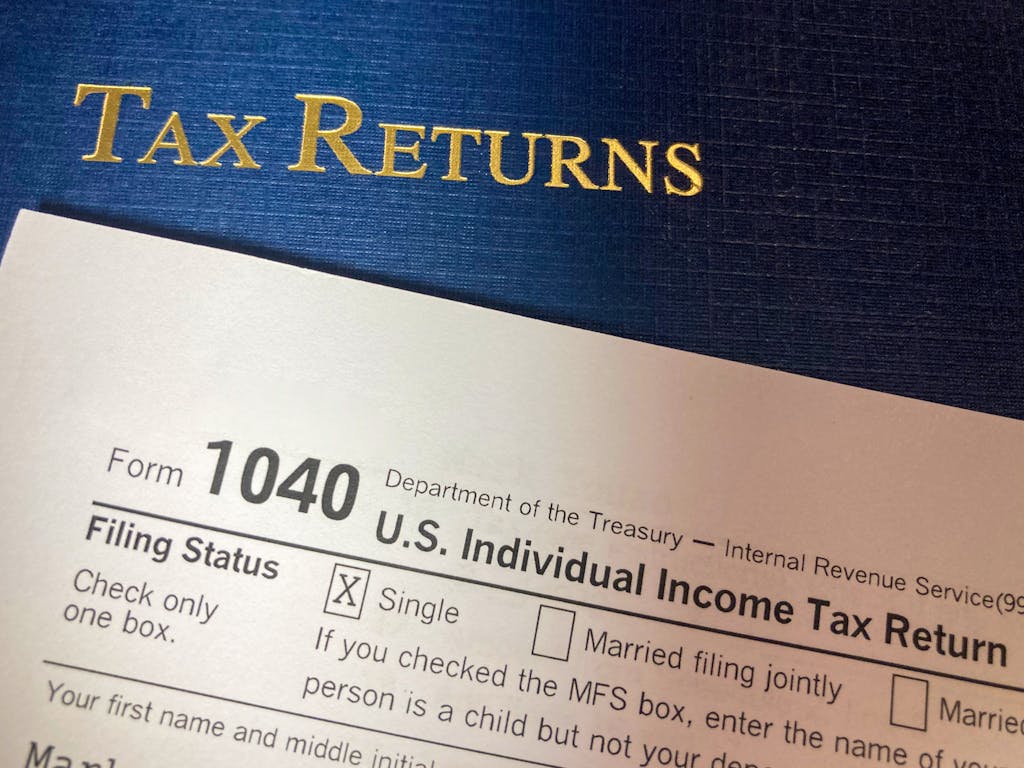
Taxes often become more complicated after a spouse dies. The surviving spouse may still be able to file jointly for the year of death, but future filing status can change. Income may drop, yet taxes may not fall as much as expected. Retirement withdrawals, Social Security benefits, investment sales, inherited accounts, and home sales can all create tax consequences.
This mistake can be expensive because tax rules affect more than one year. A surviving spouse may need to file a final return for the deceased spouse. They may also need to understand estate income, retirement account rules, capital gains, and possible changes in deductions.
A tax professional can help prevent painful surprises. The goal is not to avoid taxes illegally. The goal is to avoid accidental mistakes that shrink savings, trigger penalties, or create bills that could have been reduced with better timing.
Closing Joint Accounts Without a Plan
After a spouse dies, it may feel natural to close every joint account immediately. That can be a mistake. Some accounts may be tied to automatic bill payments. Some credit cards may help maintain a credit history. Some bank accounts may be needed while the estate is being settled.
Closing accounts too quickly can create missed payments, reduced credit limits, or cash flow problems. It can also make it harder to track expenses during a period when every record matters. We should contact financial institutions, explain the situation, and ask about available options before closing anything.
The smart move is controlled cleanup. Remove a deceased spouse’s name when appropriate. Redirect automatic payments. Keep copies of statements. Make sure the surviving spouse has access to money in their own name. Then close or revise accounts only when it makes financial sense.
Failing to Notify Credit Bureaus
Identity theft does not stop because someone has died. Criminals can use a deceased person’s information to open accounts, apply for credit, or commit fraud. A grieving spouse may not notice the problem until collection letters, strange credit activity, or tax issues appear later.
We should notify the major credit bureaus and request that the deceased’s credit file be properly marked. It is also wise to request credit reports to identify hidden debts, open accounts, or suspicious activity. This step may feel administrative, but it protects both the estate and the surviving spouse.
Credit protection is also important for the widow or widower. If most of the credit is in the deceased spouse’s name, the survivor may need to build or strengthen credit independently. Waiting until a loan, apartment application, or emergency purchase is needed can create unnecessary stress.
Forgetting About Old Employers and Forgotten Accounts
A spouse’s current employer is only one part of the picture. Past employers may hold pension benefits, retirement accounts, unpaid wages, group life insurance, or other benefits. Old accounts can be easy to miss, especially if the deceased spouse changed jobs several times.
This mistake can leave money unclaimed. A surviving spouse should search old tax returns, pay stubs, emails, benefit statements, bank deposits, and retirement documents. Former employers and plan administrators may be able to confirm whether any benefits are available.
Forgotten accounts are more common than people think. A small retirement account, an old pension, a health savings account, or an employer insurance policy can make a meaningful difference during a difficult financial transition.
Mishandling Retirement Accounts
Retirement accounts can come with strict rules, and surviving spouses often have special options. Moving money too quickly, withdrawing too much, or choosing the wrong account treatment can create taxes, penalties, or lost flexibility.
This is especially important when the surviving spouse is younger than the normal retirement age. A decision that looks simple may reduce access to money or trigger penalties. Inherited IRAs, spouse rollovers, beneficiary accounts, required distributions, and tax timing should all be reviewed before funds are moved.
We should not let convenience drive this decision. Retirement money may be one of the surviving spouse’s most important safety nets. Before transferring or withdrawing funds, it is worth getting advice from a qualified financial planner or tax professional who understands widow and widower planning.
Falling for Scams and Fast-Talking Advisers

Widows and widowers can become targets for scammers, fake debt collectors, aggressive salespeople, and questionable financial advisers. Some criminals read obituaries. Others pose as charities, government agencies, insurance representatives, or old business contacts. Their goal is simple. They want fast trust before the surviving spouse has time to think.
Any unexpected call, email, letter, or visit involving money should be treated carefully. We should verify credentials independently, avoid clicking suspicious links, and refuse to be pressured. A legitimate company will not need secrecy, panic, or immediate payment through strange methods.
The same caution applies to investment pitches. A person who promises guaranteed returns, secret strategies, or urgent opportunities should raise concern. The safest path is to choose advisers carefully, check credentials, and work with professionals the surviving spouse finds independently.
Not Building a New Budget
The household budget changes after a spouse dies. Income may fall from two Social Security checks to one. A pension may shrink. Health insurance may change. Housing costs may stay the same even though there is only one person left to cover them. Taxes, insurance, debt payments, and everyday expenses may all need a fresh look.
Many surviving spouses delay this step because budgeting feels cold during grief. But a new budget is not punishment. It is protection. It helps the survivor understand how much money is coming in, how much is going out, and how long savings may last.
The first budget does not have to be perfect. It only needs to be honest. We should separate essential costs from flexible spending, track upcoming bills, list expected benefits, and build a plan for the next six to twelve months. The sooner the new financial reality is understood, the easier it becomes to make calm decisions.
Conclusion
Losing a spouse is already heavy enough without preventable financial damage. The biggest mistakes often happen when grief, confusion, pressure, and paperwork collide. A widow or widower may feel forced to act quickly, but many decisions become safer when handled slowly, carefully, and with the right help.
We protect the future by gathering documents, confirming benefits, questioning debts, delaying major decisions, watching for scams, and building a new budget. Money cannot soften the deepest part of loss, but financial clarity can prevent a painful season from becoming a long-term crisis.
The strongest move is not rushing to prove everything is under control. The strongest move is to pause, ask better questions, and make each decision based on facts rather than fear.