Trying to grow your own fruits and vegetables in limited space seems like a simple, budget-friendly plan, but most small-space gardeners make critical mistakes that reduce yield and waste time, money, and effort. Every square foot counts, yet many fail to maximize light, soil quality, and crop selection. Without careful planning, a promising garden can turn into a patch of stunted plants and disappointing harvests. Below, we explore six common pitfalls that quietly sabotage your garden and how to overcome them for a thriving, productive space.
Ignoring Soil Health

Many gardeners underestimate the importance of soil, treating it as just a container for seeds rather than a living ecosystem. Poor soil quality can stunt root growth, reduce nutrient uptake, and make plants more susceptible to disease. Simply filling pots or raised beds with generic dirt rarely provides the balance of nutrients plants need. Regularly testing soil pH, adding compost, and using organic amendments can dramatically improve growth and flavor in fruits and vegetables. Healthy soil also supports beneficial microorganisms that naturally ward off pests and improve resilience, giving small gardens a big advantage.
Overcrowding Plants
The temptation to cram as many plants as possible into a small area often backfires. Overcrowding limits airflow, increases competition for nutrients, and creates microenvironments where fungal diseases thrive. Plants too close together may not reach their full potential, producing smaller fruit and lower overall yields. Strategic spacing based on mature plant size, vertical growing solutions like trellises, and staggered planting schedules help ensure each plant has room to flourish. In small spaces, quality trumps quantity; a few well-spaced plants will yield more than an overcrowded patch.
Choosing the Wrong Varieties
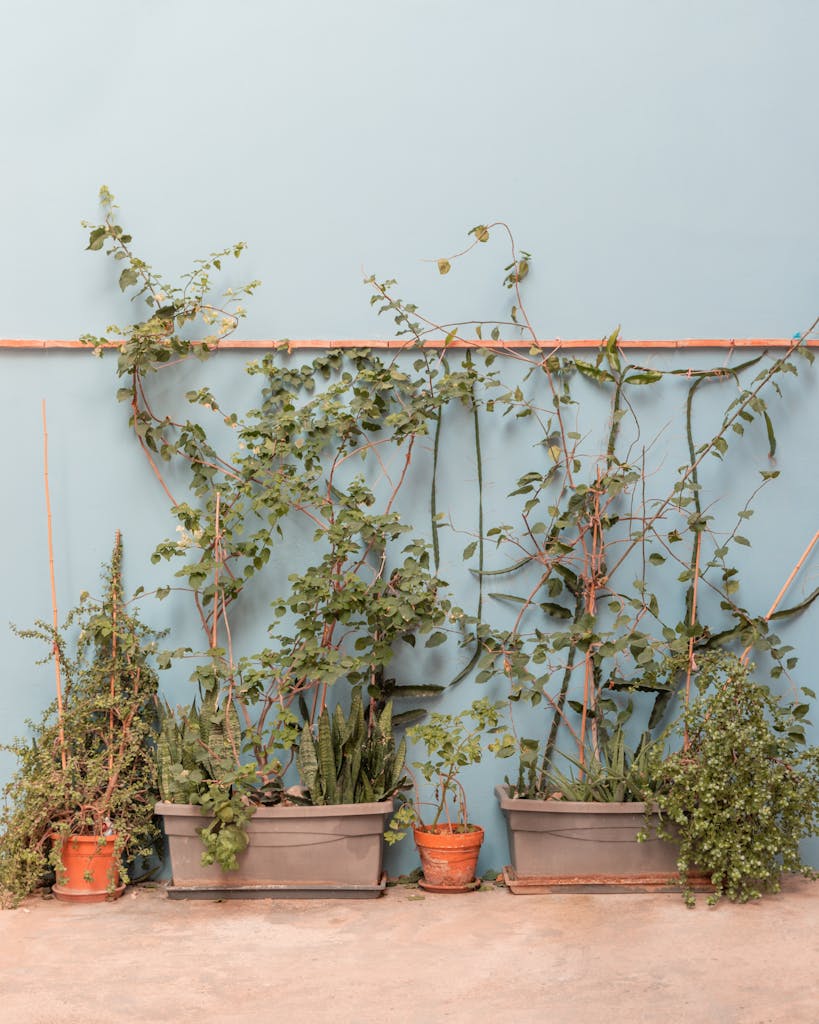
Selecting plant varieties without considering space constraints, climate, or growth habit can doom a small garden from the start. Large or sprawling varieties can overtake containers and raised beds, shading neighboring plants and reducing airflow. Compact, bush, or dwarf varieties are designed for confined spaces and often mature faster, giving you more harvests per season. Heirloom varieties may offer exceptional flavor but can be less disease-resistant, while hybrids often provide resilience in a limited area. Knowing what will thrive in your garden’s microclimate and container type is essential for maximizing productivity.
Neglecting Water Management
Improper watering is a silent killer of small-space gardens. Too little water stresses plants and reduces yields, while overwatering leads to root rot and nutrient leaching. Container and raised-bed gardens dry out faster than in-ground plots, yet many gardeners stick to a routine designed for larger spaces. Using drip irrigation, soaker hoses, or self-watering containers can maintain consistent moisture without saturating the roots. Mulching around plants also conserves water, stabilizes soil temperature, and prevents weeds from stealing precious nutrients.
Skipping Crop Rotation and Companion Planting
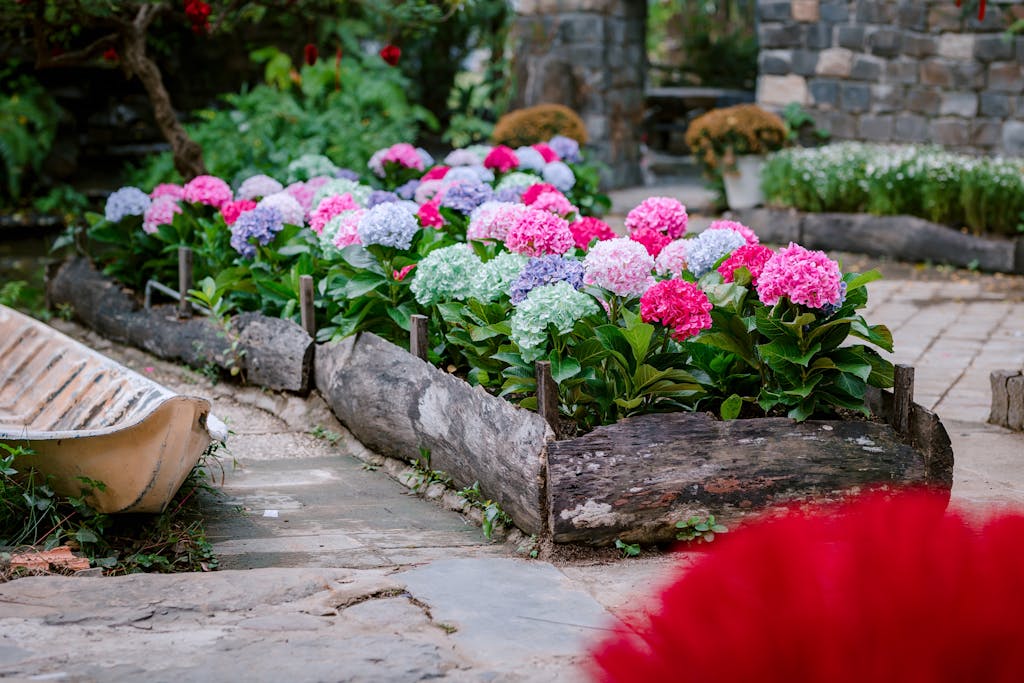
Small gardens often reuse the same beds season after season, which can lead to soil depletion and pest buildup. Growing the same crop repeatedly in the same spot can lead to disease, nutrient deficiencies, and disappointing harvests. Rotating crops and incorporating companion planting practices improve soil fertility, deter pests naturally, and maximize space efficiency. For example, planting beans alongside leafy greens adds nitrogen to the soil, benefiting neighboring plants, while marigolds can repel harmful insects. Even in compact spaces, thoughtful planning of plant placement can make a huge difference in productivity.
Ignoring Sunlight and Microclimates
Light is one of the most overlooked factors in small-space gardening. Many plants fail because they do not receive the recommended six to eight hours of direct sunlight, or they are placed in areas with uneven exposure. Shadows from fences, buildings, or taller plants can drastically reduce photosynthesis and growth. Assessing your garden’s sun patterns throughout the day and positioning plants accordingly ensures they receive the light they need. Utilizing reflective surfaces, movable containers, or vertical structures can also help maximize light capture in restricted areas, dramatically boosting fruit and vegetable production.
Conclusion
Maximizing your garden in a small space requires more than planting seeds and hoping for the best. Neglecting soil, crowding plants, choosing inappropriate varieties, mismanaging water, skipping crop rotation, and ignoring sunlight can silently erode your harvest. By addressing these six mistakes, gardeners can transform cramped areas into highly productive patches that yield vibrant, healthy fruits and vegetables. Success in small-space gardening isn’t about fitting more plants; it’s about growing smarter, not harder, and turning every inch into thriving, nutritious produce.
This approach ensures that limited spaces deliver maximum yield while preventing wasted effort and disappointing results.