Urban legends have persisted for generations because they tap into universal fears, blending tragedy, mystery, and the supernatural. These stories often claim to recount true events or warnings, creating a chilling sense of plausibility.
As we explore 10 of the most unsettling urban legends worldwide, the line between myth and reality blurs, leaving us to question what might be lurking in the shadows.
La Llorona
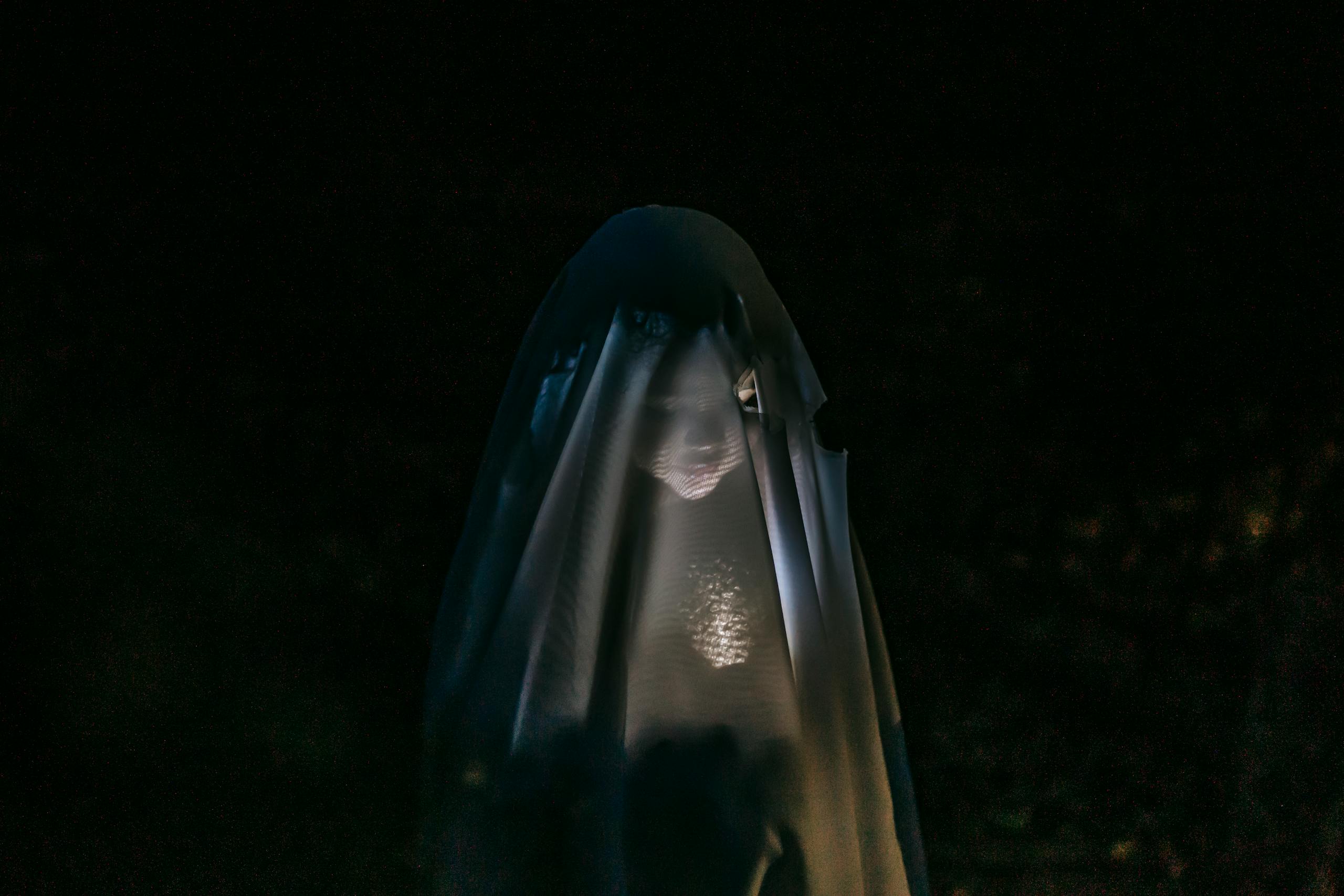
La Llorona, or the Weeping Woman, is an enduring figure in Latin American folklore. Her tale revolves around a woman, often named María, who drowns her children in a moment of despair or rage, only to be consumed by grief afterward.
Her spirit is said to roam rivers and lakes, crying for her lost children and warning anyone nearby to stay away from the water at night. The legend resonates because it reflects universal themes of guilt, grief, and parental loss, echoing similar “weeping woman” stories across cultures.
Travelers report an eerie chill when near rivers in Mexico at night, as if the legend still whispers through the reeds.
Children are cautioned to remain indoors after dark, perpetuating La Llorona’s haunting presence. The enduring popularity of this tale has cemented it as a cultural touchstone of fear and morality.
The Living Doll
Stories of haunted or malevolent dolls have circulated for decades, centering on the idea that an innocent object could take on a life of its own. One common narrative features a man who purchases a doll for his daughter, only to have it speak or threaten him when he is alone.
The doll remains inert in the child’s presence, heightening the parent’s tension and fear. This legend taps into the unease surrounding inanimate objects behaving unpredictably, drawing from a global tradition of haunted objects.
Reports often describe whispers, moving eyes, or subtle gestures, creating a psychological trap that blends parental anxiety with supernatural dread. The Living Doll exemplifies how everyday items can become conduits for terror in folklore and media alike.
The Ghost of Blue Bell Hill
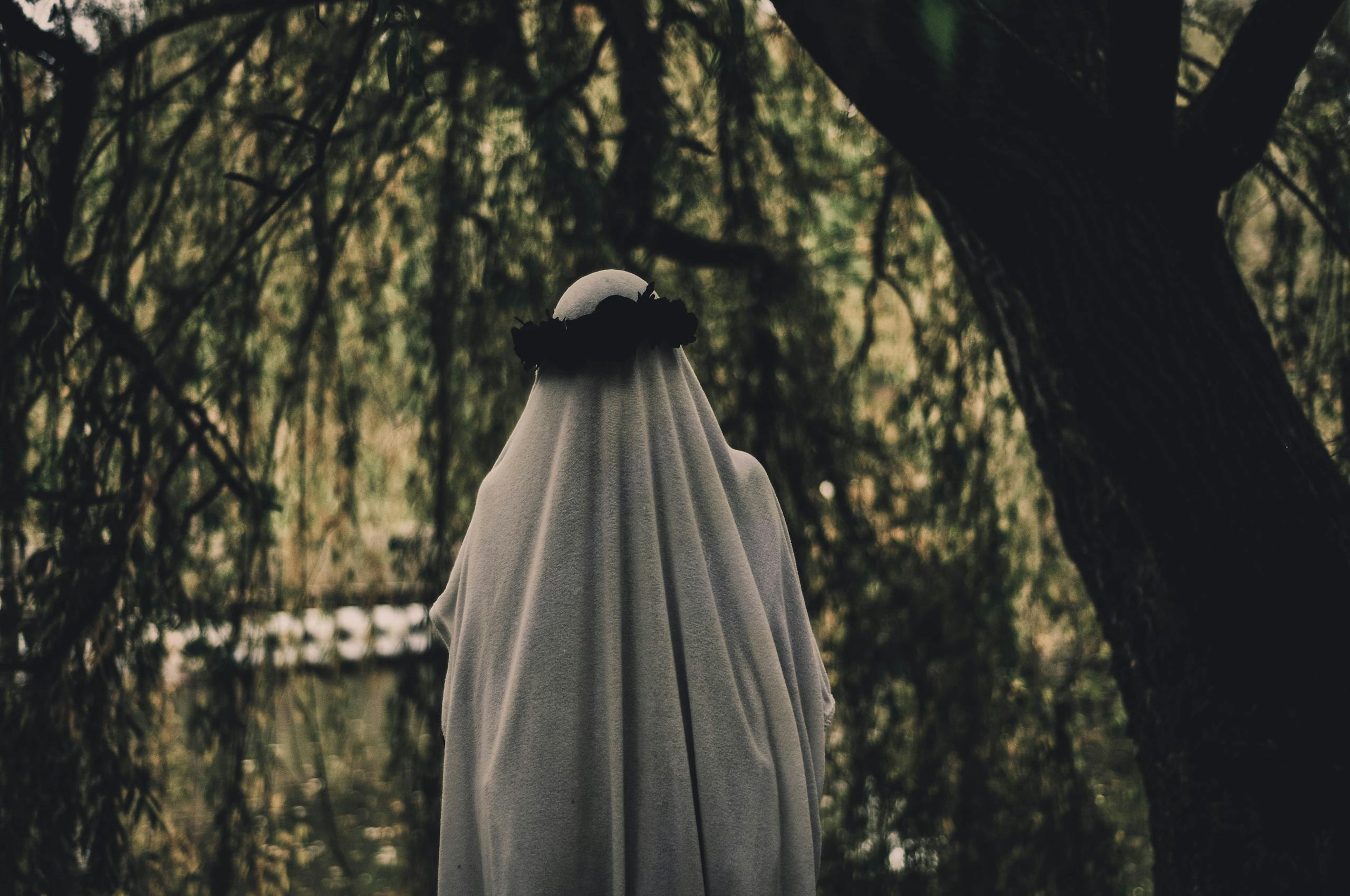
Blue Bell Hill in Kent, England, is infamous for sightings of a phantom woman along the A229 road. Following a 1965 car crash that claimed three young lives, numerous drivers reported encountering a mysterious female figure who disappears upon approach.
Others describe picking up a hitchhiker who vanishes mid-ride. These reports establish Blue Bell Hill as one of Britain’s most notable haunted roads, emphasizing the motif of tragedy leaving a spectral imprint.
The story persists due to its consistent appearance in local lore and media retellings, blending grief, guilt, and the uncanny. Many drivers swear by the area’s eerie energy and advise caution when traveling at night.
The Devil’s Hour
The “devil’s hour,” typically between 3:00 a.m. and 4:00 a.m., is widely regarded as a period of heightened supernatural activity. Folklore links this hour to spiritual disturbances, demons, and restless spirits, symbolically inverted from the time of Christ’s death.
Although scientific evidence does not support increased paranormal activity, the association with darkness, isolation, and sleep disruption amplifies the fear surrounding these early morning hours.
Numerous ghost hunters and folklore enthusiasts report a tangible sense of unease during this period, attributing unexplained noises and sensations to the malevolent energies of the hour.
The devil’s hour has become a cultural shorthand for vulnerability to supernatural influence.
The Haunted Painting
Bill Stoneham’s 1972 painting, The Hands Resist Him, depicts a young boy and a doll standing before a glass-paneled door, with shadowy hands pressed against it.
After the painting changed hands multiple times, reports emerged that viewers experienced disturbing sensations, fueling rumors that the painting was haunted.
Its notoriety surged in 2000 when it was listed on eBay, capturing global attention and inspiring internet legends. The painting symbolizes the boundary between imagination and reality, yet the alleged hauntings lend it a life beyond artistic intent.
Observers describe sudden chills, nausea, and a sense of unseen presence when viewing the artwork, reinforcing its eerie reputation.
Lake Lanier
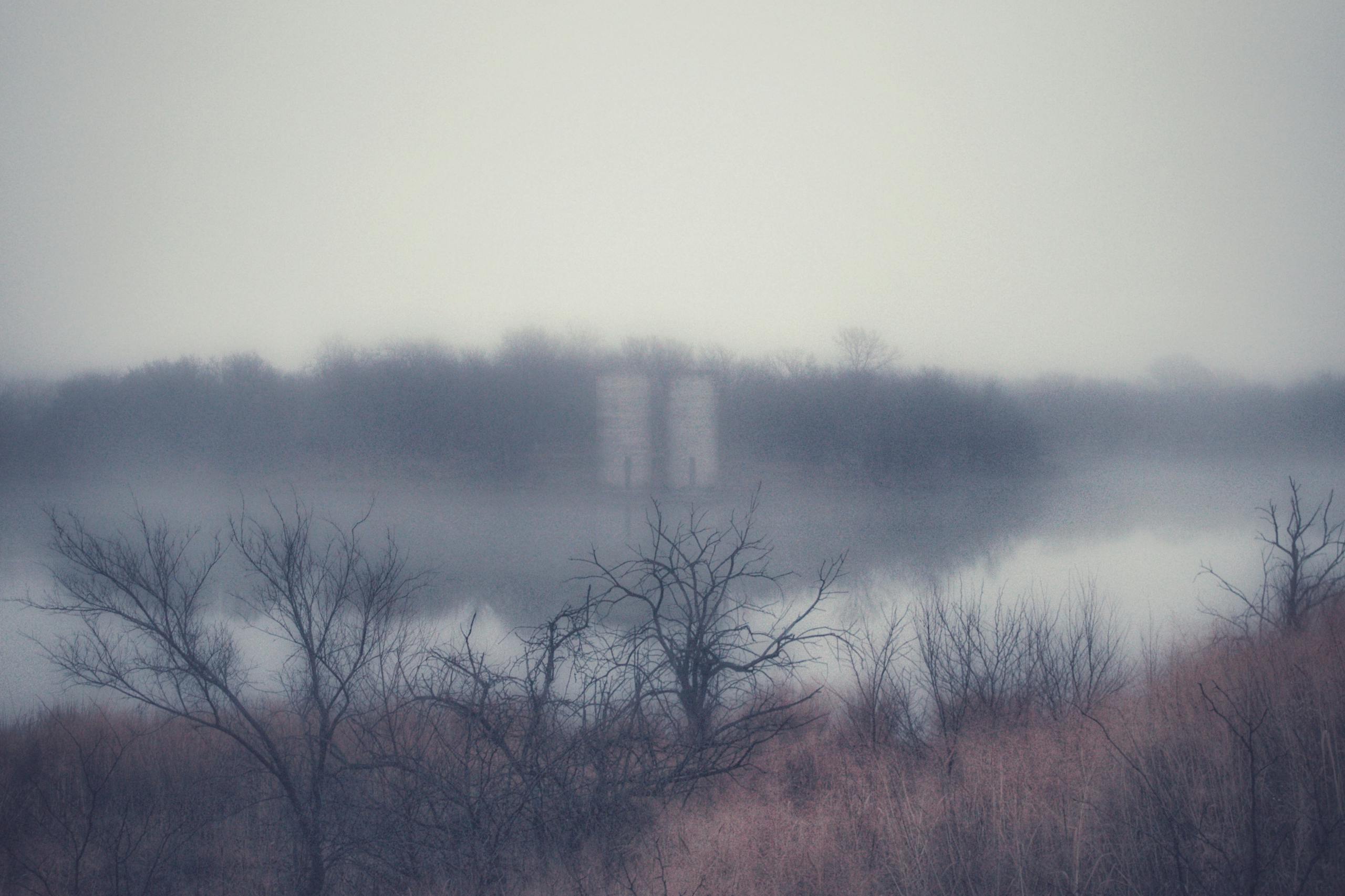
Lake Lanier, a recreational hotspot in northern Georgia, carries a long-standing reputation for tragedy. Created in the 1950s by damming the Chattahoochee River, the lake submerged homes, roads, and cemeteries, creating dangerous underwater hazards.
Numerous drownings and mysterious sightings have been reported over the decades, with some claiming to see figures beneath the water or along the shoreline.
These events contribute to its haunted reputation, blending documented dangers with supernatural speculation. Swimmers and boaters often report sudden temperature changes or unsettling sensations near submerged structures, suggesting the lake’s legends persist alongside tangible risks.
Hell’s Gate Bridge
Hell’s Gate Bridge in Oxford, Alabama, is the focal point of a legend involving a grieving woman who lost her child. Visitors claim that turning off their engines at night can summon mysterious footsteps, knocks, or ghostly figures reflected in mirrors.
The bridge’s isolated location and surrounding woods intensify its eerie atmosphere, creating a narrative that intertwines tragedy with the unknown.
The legend reinforces the fear of being watched or approached by invisible entities and has become a staple of local folklore. Tales of unexpected phenomena keep thrill-seekers returning, maintaining the legend’s grip on imagination.
The Kushtaka
Among the Tlingit people of Alaska, the Kushtaka is a shape-shifting creature often described as part human, part otter. This cryptid allegedly lures victims into remote areas by mimicking the cries of distressed women or children.
Once isolated, it may attack or transform the victim, though some stories depict it as capable of saving people from drowning.
The Kushtaka represents a cautionary tale about the dangers of Alaska’s remote environments, reflecting both ecological hazards and cultural storytelling. Encounters emphasize the tension between survival instincts and the fear of unknown entities lurking in rugged landscapes.
The Fouke Monster
The Fouke Monster, also known as the Boggy Creek Monster, is described as a large, hairy, human-like creature inhabiting the swamps near Fouke, Arkansas.
A notable encounter in the early 1970s drew media attention and inspired the 1972 film The Legend of Boggy Creek. Sightings continue to blend eyewitness accounts, local tradition, and media amplification.
The legend embodies the archetype of the elusive cryptid, blending naturalistic plausibility with terrifying unpredictability.
Hunters, locals, and folklore enthusiasts maintain its presence in cultural consciousness through retellings and organized searches.
The Char-Man – Southern California’s Burned Phantom
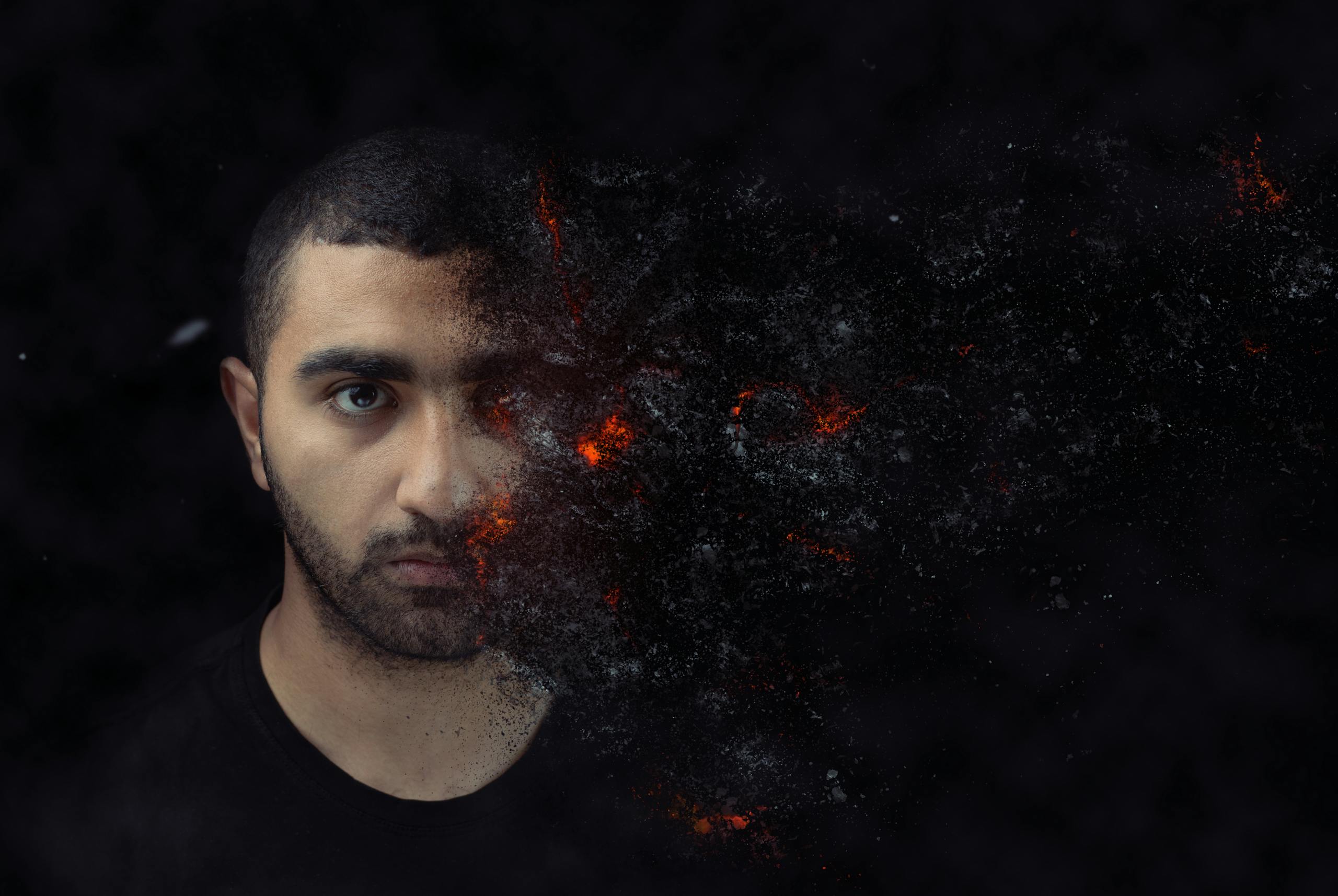
The Char-Man is a Southern California legend of a burned, ghostly figure haunting rural roads affected by wildfires.
Witnesses describe a figure walking along the roadside or suddenly appearing inside vehicles, creating a terrifyingly plausible narrative tied to real wildfire events.
Its continued prevalence stems from the combination of isolation, darkness, and historical context, blending fact and folklore.
Communities have adapted details over time to match local geography, ensuring the Char-Man remains a fixture in California’s urban legend landscape. Its haunting presence reinforces the collective memory of devastation and the lingering fear of fire’s aftermath.
Conclusion
Urban legends endure because they articulate fundamental human fears, blending tragedy, the supernatural, and cultural memory. Each tale reflects caution, grief, or societal anxieties while captivating audiences through suspense and mystery.
From spectral women and haunted objects to cryptids and ghostly figures, these stories continue to shape the way communities perceive danger and the unknown.
They remain vivid reminders that even in a modern world, imagination, storytelling, and fear intersect in ways that keep these legends alive for generations.
Which of these chilling tales leaves the deepest impression and makes you question what might be real?