Fine dining is often seen as the epitome of sophistication, a space where elegance meets culinary excellence. However, navigating this world is riddled with pitfalls, and many diners unknowingly make mistakes that can sabotage their experience or worse, embarrass themselves.
While a perfectly executed fine dining experience should be seamless, the stakes are higher than you might think. From misusing utensils to the unspoken social faux pas, here are the 8 biggest mistakes you’re probably making at fine dining restaurants and how you can avoid them.
Ignoring the Importance of Posture, You’re Sending the Wrong Message
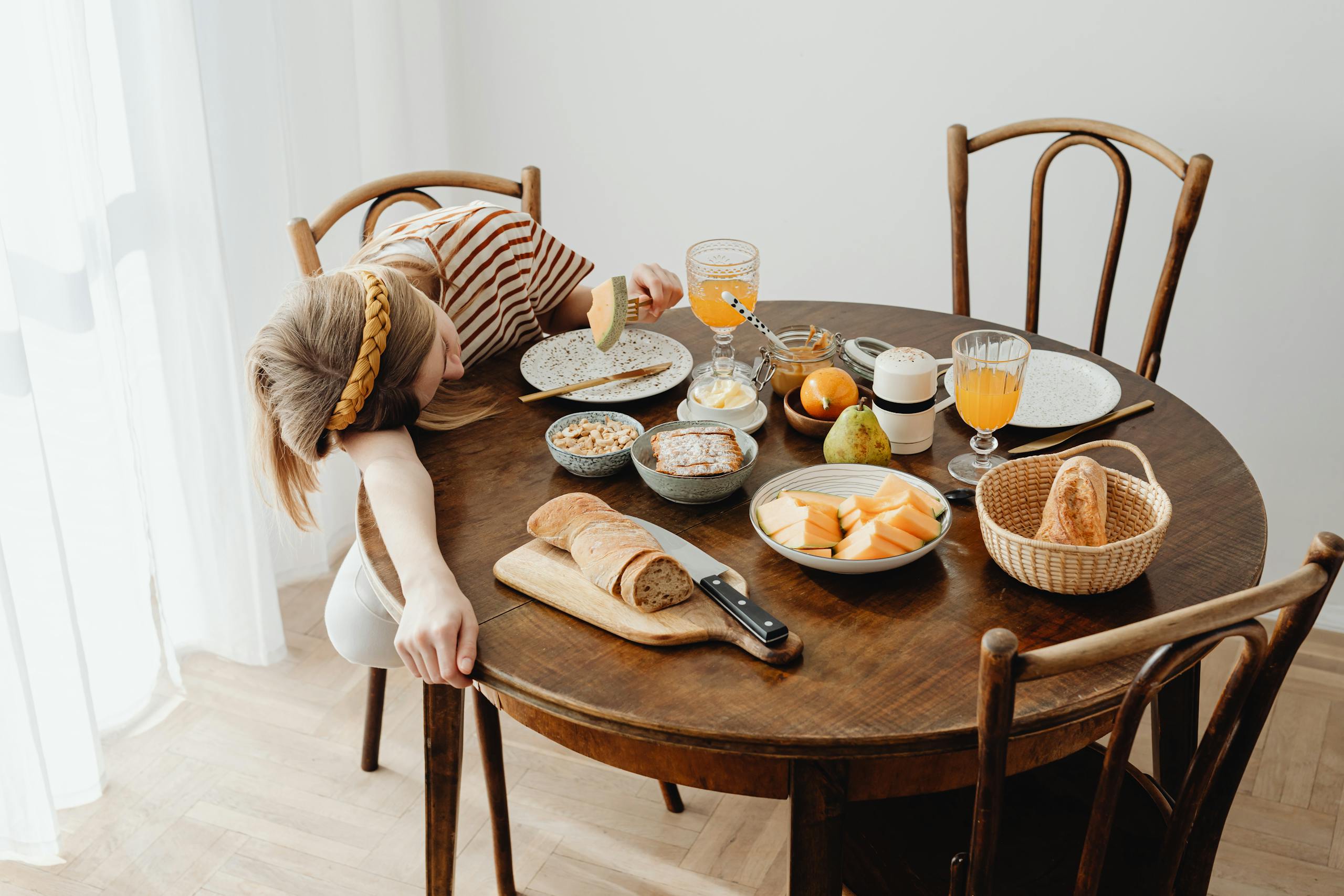
One of the easiest mistakes to make in a fine dining setting is failing to pay attention to your posture. Slouching, leaning back too far, or putting your elbows on the table sends a message that you’re disengaged, uninterested, or unrefined. It’s not just about looking poised; your posture conveys your respect for the occasion and the people you’re dining with.
Many people think they’re just sitting down to eat, but in reality, fine dining is a performance. Your body language needs to reflect that you’re part of the social dance. A careless posture can imply laziness or lack of awareness, making you come across as underprepared or uncouth.
Overindulging in Bread: You’re Filling Up on the Wrong Thing
Bread, though a staple at any fancy restaurant, is one of the most common mistakes diners make. It’s easy to get carried away when that basket of freshly baked bread is placed in front of you. But overindulging in bread is an invisible trap that fills you up quickly, leaving little room to appreciate the carefully prepared courses that follow.
If you find yourself reaching for multiple pieces, you’re essentially sabotaging the meal experience. Bread is meant to be a light accompaniment, not a centerpiece. Take a piece, put it on your side plate, and savor it slowly. The last thing you want is to be too full to enjoy the main event, so remember: moderation is key.
Misusing Utensils: A Surefire Way to Look Unpolished
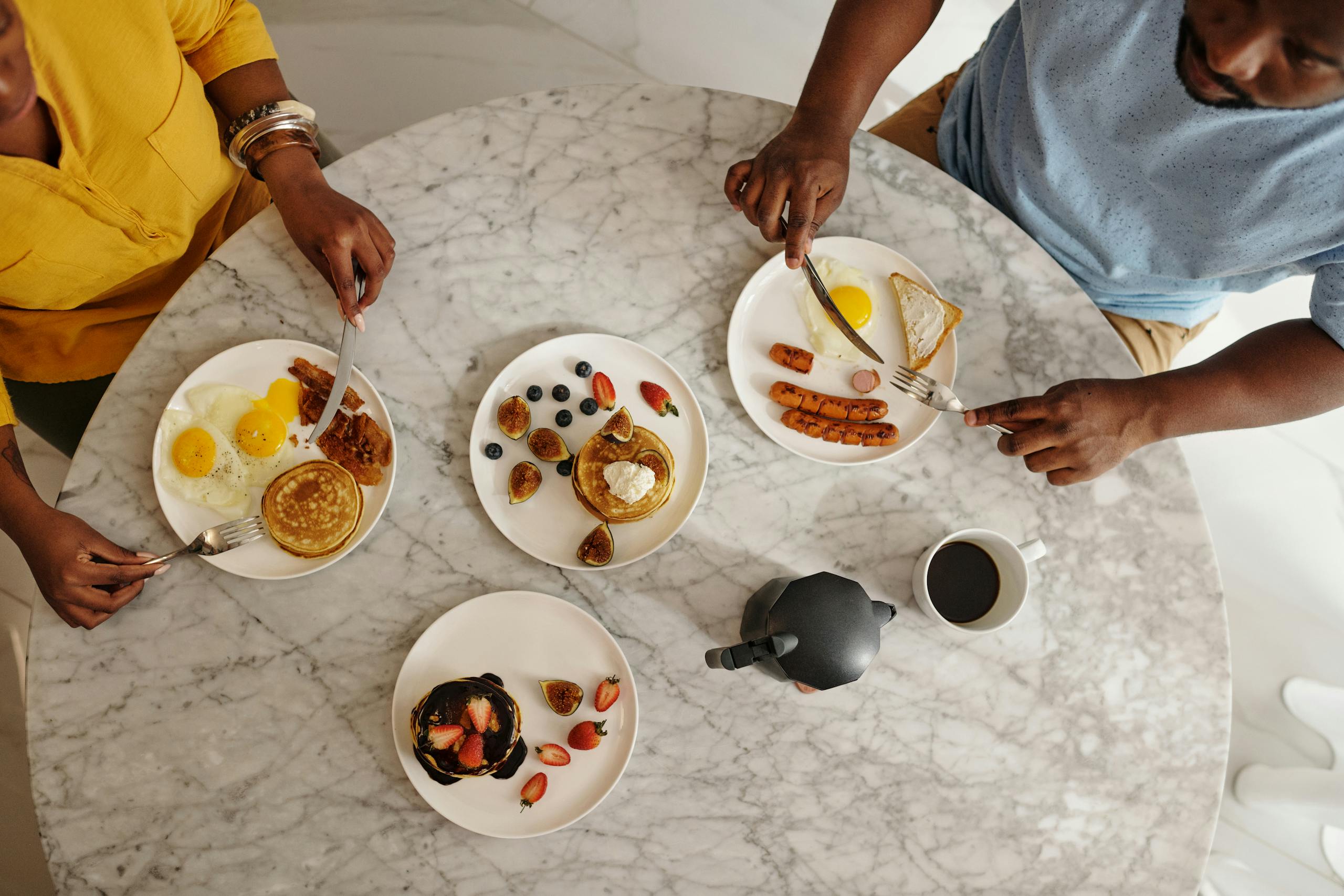
You might think that using the right fork is a minor issue, but in fine dining, it’s an immediate red flag. Grabbing the wrong utensil, whether it’s using the soup spoon for your entrée or not following the “outside-in” rule, will make you look unrefined and unprepared. Many diners fumble through the array of utensils at their disposal, unaware that they’re violating an unwritten code.
Here’s the cold truth: choosing the wrong utensil or using one incorrectly can draw unwanted attention. It not only disrupts the flow of the meal but also signals that you don’t fully understand the setting. The solution? Follow the outside-in rule. Start with the outermost utensils and work your way inward as each course arrives. It’s simple, but mastering this subtle art is essential to avoiding the embarrassment of looking out of place.
Failing to Recognize the Unwritten Conversation Rules
Many diners underestimate the importance of conversation at a fine dining table. Topics like politics, religion, or anything remotely controversial should be strictly off-limits. The last thing you want to do is accidentally offend your host or fellow diners. But here’s the uncomfortable truth: some people don’t realize when they’re dominating the conversation, making it all about themselves or their opinions.
It’s tempting to focus on yourself when you’re at the table, but balance is critical. Pay attention to others, listen, and contribute to the conversation without hijacking it. Avoid texting or checking your phone under any circumstances; it’s rude and sends the wrong message, implying that you’d rather be somewhere else.
Drinking Too Much It’s Not a Party, It’s a Meal

It’s easy to get swept away by the abundance of fine wines and cocktails, but drinking too much can quickly become a huge mistake in a fine dining experience. Overindulgence doesn’t just impair your judgment it affects your ability to enjoy the food and be present with your guests.
You’re not at a bar, and this isn’t happy hour. Pacing yourself is essential. Sipping your drink, savoring the flavors, and ensuring that you don’t finish your glass too quickly will not only enhance the experience but also help you avoid looking like you’re there for the wrong reasons. Keep track of your intake and remember: the goal is to complement your meal, not overshadow it.
The Napkin Blunder: More Than Just a Cloth
Many diners make the mistake of treating their napkin as an afterthought. Wiping your face with it, throwing it across your lap carelessly, or using it inappropriately can be embarrassing, even if you don’t realize it. The napkin is one of the first signs that you understand fine dining etiquette.
The wrong napkin behavior signals a lack of attention to detail, making you look rushed or thoughtless. To avoid this: place it on your lap when you sit, and use it gently to dab at your mouth, not to wipe. When you’re finished, fold it neatly and leave it to the left of your plate. It’s a subtle yet elegant gesture that signals the end of your dining experience.
Overlooking the Chef’s Effort Criticizing the Meal Is a Major Faux Pas

It might seem like a casual thing to comment on the food, but critical remarks about the meal can create an uncomfortable atmosphere. Fine dining isn’t a place for complaints or comparing your dish to your previous dining experiences. If you don’t like something, keep it to yourself.
Criticizing the food makes you appear ungrateful or disconnected from the hard work that went into creating the meal. The best approach is simple: leave what you don’t like without making it obvious to others. A true connoisseur of fine dining will appreciate each course for what it is, even if it’s not exactly to their taste.
Taking Too Long, Don’t Hold Up the Table
Fine dining is structured, and there’s a natural rhythm to the meal’s progression. If you take too long to finish a course or don’t pay attention to the pace of others, you’re disrupting the entire experience. Lingering too long at the table is just as bad as rushing through your meal.
It’s important to understand that the flow of the meal is part of the experience. Be mindful of when others are finished and avoid dragging things out unnecessarily. Staying too long after the meal is finished can make the host or other guests uncomfortable, as it suggests you’re unaware of social cues.
Conclusion
The risks of fine dining etiquette blunders go far beyond making an awkward impression. In a world where first impressions count, how you behave at the table reflects your social awareness and respect for those around you. Fine dining is a skill that requires attention to detail, the ability to pace yourself, and, most importantly, the awareness to avoid making common mistakes.
By mastering these eight essential rules and avoiding the pitfalls of overindulgence, sloppy behavior, and ignorance of proper etiquette, you ensure that your fine dining experience is not only pleasurable but leaves a lasting, positive impression.