Cannabis has moved from whispered controversy to mainstream health conversation, but the truth is more serious than the hype. We cannot treat it like a miracle plant, a harmless wellness trend, or a one-size-fits-all medicine. The real story sits in the middle, where cannabinoids show meaningful promise for specific conditions, yet still demand medical caution, proper dosing, and honest limits.
When we talk about the potential health benefits of cannabis, we are really talking about compounds such as THC, CBD, and other cannabinoids that interact with the body’s endocannabinoid system. This system helps regulate pain, mood, appetite, sleep, inflammation, immune response, and several other biological processes. That does not mean cannabis fixes every problem, but it does explain why researchers continue to study it for pain, nausea, seizures, muscle spasms, appetite loss, and sleep-related symptoms.
Cannabis May Help Reduce Certain Types of Chronic Pain
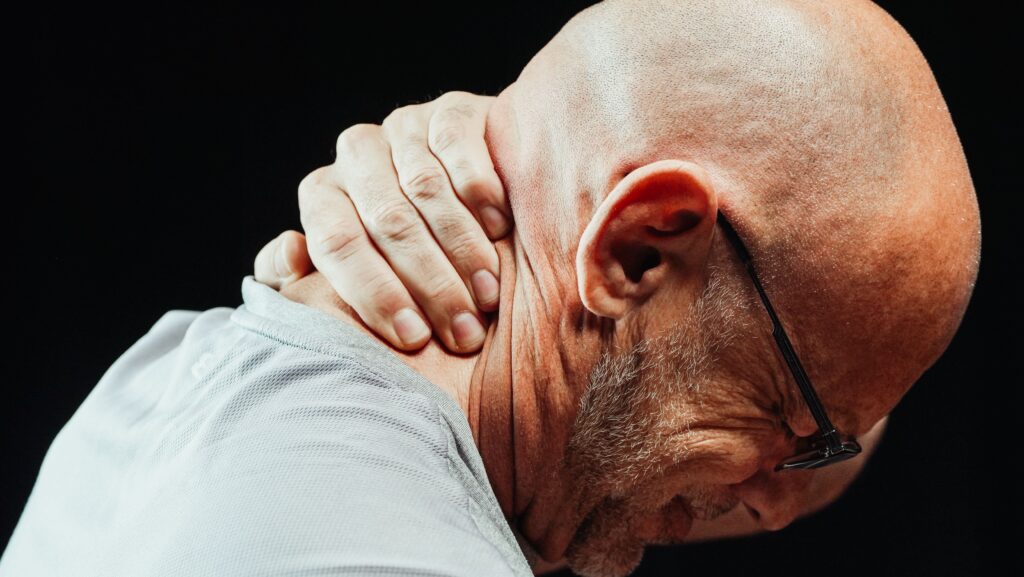
Chronic pain is one of the most common reasons people seek medical cannabis, and it remains one of the strongest areas of evidence. Cannabinoids may influence pain signaling by interacting with receptors in the nervous system and immune system. This makes cannabis especially relevant for neuropathic pain, multiple sclerosis-related pain, cancer-related pain, and other long-lasting pain conditions that do not always respond well to standard treatment.
We should still avoid pretending that cannabis works the same way for everyone. Some patients report meaningful relief, while others experience dizziness, fatigue, anxiety, or little improvement at all. The strongest approach is not to frame cannabis as a replacement for medical care, but as a possible supervised option when pain remains difficult to manage through safer or more established treatments.
Cannabis May Offer Limited Help for Anxiety
Anxiety is one of the most common reasons people try cannabis, yet it is also one of the areas where caution is most needed. CBD may feel calming for some people, and low doses may help certain users feel less tense. THC, however, can worsen anxiety, trigger panic, increase paranoia, or make racing thoughts feel more intense, especially at higher doses.
We should be very careful about calling cannabis an anxiety treatment. People with a history of psychosis, bipolar disorder, severe anxiety, substance-use disorder, or strong family risk of schizophrenia need extra caution. Cannabis may provide short-term relief for some, but it can also delay proven treatment such as therapy, lifestyle changes, and properly prescribed medication.
Cannabinoids Can Reduce Chemotherapy-Related Nausea and Vomiting
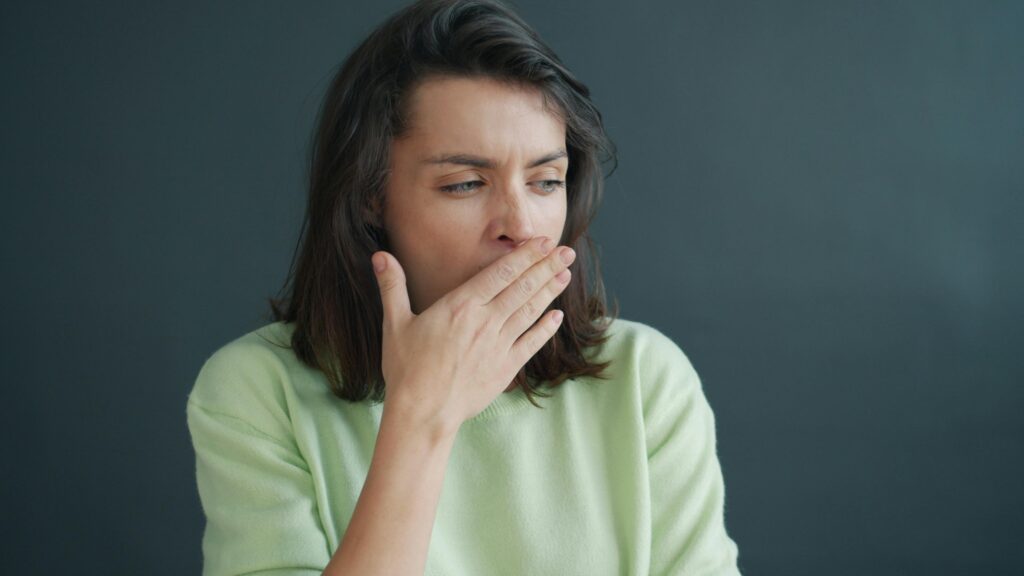
One of the clearest medical uses of cannabinoids involves nausea and vomiting caused by chemotherapy. Cancer treatment can make eating, hydration, and recovery much harder, especially when nausea becomes severe or persistent. Certain cannabinoid-based medications have been used for patients whose nausea does not respond well to traditional anti-nausea drugs.
This benefit matters because uncontrolled nausea can weaken the body at the exact moment it needs strength. When a patient cannot keep food down, treatment becomes harder to tolerate, and quality of life can drop sharply. In this area, cannabis-based medicine is not just about comfort; it can help some patients stay nourished, hydrated, and better able to continue care under medical supervision.
Medical Cannabis May Improve Appetite in Severe Weight Loss
Cannabis is often associated with hunger, but the medical importance goes beyond casual jokes about appetite. For people living with serious illness, unwanted weight loss can become dangerous. Conditions such as HIV/AIDS, cancer, and other wasting-related illnesses can reduce appetite, weaken muscles, and make recovery more difficult.
THC-based medications have been used to help stimulate appetite in specific medical settings. This does not mean cannabis should be used casually for weight gain or general wellness. It means that, for some patients with illness-related appetite loss, cannabinoid therapy may help restore eating patterns when guided by a licensed clinician.
Cannabidiol Has Strong Evidence for Rare Seizure Disorders

CBD has one of the most important medical cannabis stories because it is tied to an approved prescription treatment for rare seizure disorders. Unlike THC, CBD does not create the intoxicating high commonly linked with cannabis. In prescription form, purified CBD has been used for seizures associated with Lennox-Gastaut syndrome, Dravet syndrome, and tuberous sclerosis complex.
This is where we see the difference between regulated medicine and unverified wellness products. A prescription CBD medication is tested, dosed, monitored, and reviewed through a medical system. Store-bought CBD oils, gummies, and tinctures are not the same thing, and consumers should not assume they offer the same safety, purity, or seizure-control benefit.
Cannabis May Ease Multiple Sclerosis Muscle Spasticity
Multiple sclerosis can cause painful muscle stiffness, spasms, and mobility challenges that interfere with daily life. Some evidence suggests cannabinoids may help reduce patient-reported spasticity symptoms, especially in the short term. For people dealing with tight muscles, disrupted sleep, and limited movement, even moderate symptom relief can feel meaningful.
We should be precise here because the benefit is not universal and does not mean cannabis treats the underlying disease. It may help manage certain symptoms for some patients, particularly when other therapies have not provided enough relief. The best use is usually as part of a broader treatment plan that may include physical therapy, neurologic care, medication review, and regular follow-up.
Cannabis May Support Sleep When Pain or Spasticity Is the Main Problem

Many people use cannabis because they believe it helps them sleep, but the evidence is more complicated than the marketing. Cannabis may help some people fall asleep when the sleeplessness is connected to pain, muscle spasms, or certain medical symptoms. In those cases, better symptom control can indirectly lead to better rest.
The warning is that cannabis can also disturb sleep architecture, especially with frequent or high-THC use. Some people may build tolerance, need more over time, or experience worse sleep when they stop. We should treat cannabis for sleep as a targeted medical discussion, not as a nightly habit that automatically improves health.
Cannabidiol May Help Calm Inflammation, But Claims Often Run Ahead of Proof
CBD is widely promoted for its anti-inflammatory effects, and early research suggests cannabinoids may influence immune and inflammatory pathways. This explains why cannabis products are often discussed in relation to arthritis, autoimmune symptoms, muscle soreness, and inflammatory pain. The biological idea is plausible, and many users report feeling better.
Still, we need to separate promising mechanisms from proven treatments. Inflammation is not one single condition; it can involve joints, skin, gut health, nerves, immune disease, infection, or injury. Cannabis may have a role in some inflammatory pain states, but it should not replace diagnosis, lab testing, physical examination, or prescribed treatment for serious inflammatory disease.
Cannabis May Help Some Patients Reduce Reliance on Stronger Pain Medicines
One reason medical cannabis continues to attract attention is the search for safer pain-management options. For some patients, cannabis may reduce the need for higher doses of sedating medications, including opioids, sleep aids, or muscle relaxants. This possibility matters because long-term pain treatment can become risky when patients depend on medications that affect breathing, balance, cognition, or addiction risk.
We should not oversell this point. Cannabis itself can cause dependence, impaired driving, memory problems, anxiety, and drug interactions. The best framing is that cannabis may become one tool in a harm-reduction conversation for carefully selected patients, especially when a clinician is monitoring side effects, function, dosage, and overall medication burden.
Cannabis May Improve Quality of Life for Some Serious Illness Patients

Health is not only about lab results. For people with cancer, HIV/AIDS, multiple sclerosis, chronic pain, or severe neurologic conditions, daily comfort can shape dignity, mood, appetite, rest, and social life. Cannabis may help some patients feel more functional by easing a cluster of symptoms rather than one isolated problem.
This is one of the strongest human arguments for medical cannabis, but it still requires honesty. A patient who sleeps better, eats better, and hurts less may experience a real quality-of-life improvement, even if cannabis does not cure the disease. The responsible goal is symptom relief with careful monitoring, not magical thinking.