Gardens rarely become beautiful because every leaf behaved, every flower stayed in line, and every pot matched like a showroom display. The most memorable gardens usually have a little mischief in them. A vine tumbles over a path. Moss creeps between stones. A cluster of flowers leans into the breeze as though the whole bed has decided to relax for the afternoon.
That is where the secret lives. Many so-called garden mistakes are not failures at all. They are design opportunities waiting for a better name. When we stop fighting every loose stem, mismatched pot, volunteer seedling, or shady patch of moss, we start building a garden that feels alive instead of staged.
Letting Plants Spill Over Paths and Borders

Plants that spill over borders can look messy at first glance, especially when we planned a neat edge, and the garden had other ideas. Yet this is one of the easiest mistakes to turn into a romantic design feature. Creeping thyme, sweet alyssum, nasturtiums, lobelia, trailing rosemary, and creeping Jenny can soften hard lines around stone paths, raised beds, retaining walls, and patio edges.
The beauty of spillover planting comes from contrast. A brick path, timber border, or concrete edge can feel stiff when every plant stops exactly where the structure begins. Once foliage tumbles over that boundary, the garden feels older, fuller, and more settled. The effect works especially well in cottage gardens, herb gardens, Mediterranean spaces, and relaxed backyard landscapes where softness matters more than strict symmetry.
To make this look intentional, we should repeat the same trailing plant in several places. One runaway plant can look neglected. Three or five repeated spillover moments look designed. We can also trim lightly so the path remains usable, leaving enough growth to blur the edge without swallowing the walkway.
Mixing Too Many Flower Colors
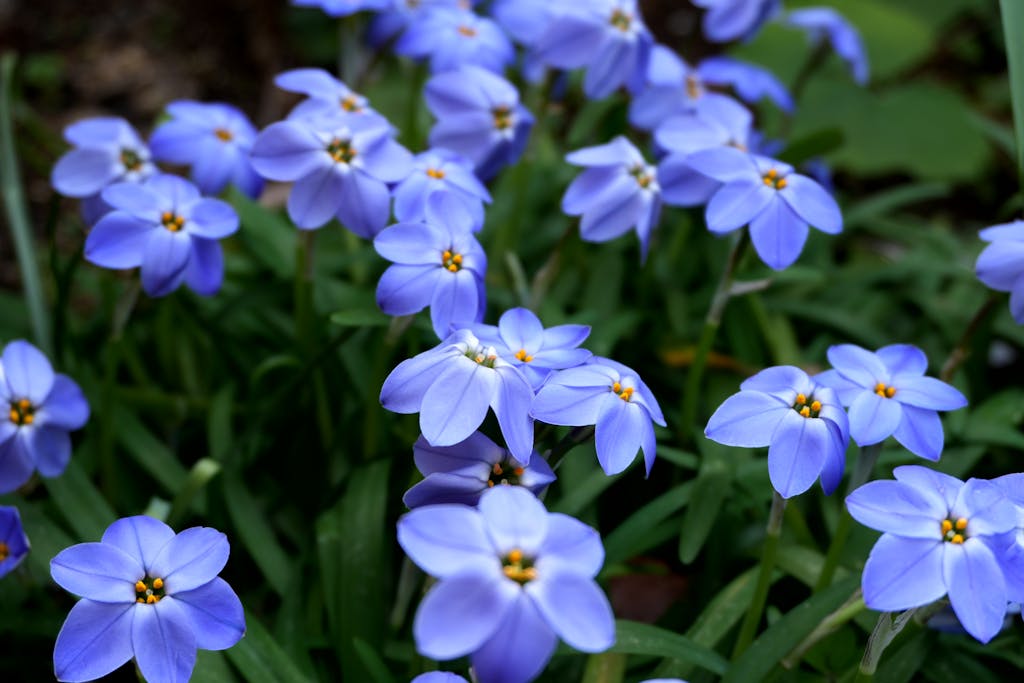
A flower bed packed with red, yellow, pink, purple, orange, and blue can feel like a mistake when we expected a calm palette. Still, colorful chaos can become one of the happiest garden ideas when it is organized through repetition. Cottage gardens, pollinator beds, cutting gardens, and wildflower borders all benefit from rich color because the abundance creates energy and charm.
The key is to avoid random placement. We can repeat color clusters across the bed so the eye finds rhythm. For example, orange marigolds can appear beside purple salvia in one corner, then return near the middle, then appear again at the far end. This repetition makes a loud garden feel confident instead of confused.
Leaf color can also calm the scene. Silver foliage from dusty miller, lamb’s ear, or artemisia softens bright blooms. Deep green shrubs or ornamental grasses create resting places between intense colors. When the garden feels too busy, we do not always need fewer flowers. We may simply need more structure around them.
Forgetting to Deadhead Every Flower
Deadheading keeps many plants blooming longer, but leaving some spent flowers in place can create beauty that lasts beyond peak bloom. Coneflowers, black-eyed Susans, sedum, ornamental grasses, alliums, and poppies often develop seed heads that add shape and texture after petals fade. In autumn and winter, these seed heads can catch frost, feed birds, and give the garden a sculptural look.
A completely deadheaded garden can look fresh, but it can also look flat once the main flush of flowers passes. Seed heads create a different kind of beauty. They bring height, shadow, and movement. They also remind us that a garden is not just a summer performance. It has a full seasonal story.
The best approach is selective tidying. We can cut back plants that become slimy, diseased, or unattractive, then leave the strongest seed heads standing. This gives us a garden that still looks cared for while keeping some natural winter interest. A few faded blooms can do more for atmosphere than a bare bed ever could.
Allowing Helpful Weeds to Stay

Not every weed deserves a place in the garden, but some unwanted plants can become useful when managed carefully. Clover, violets, dandelions, chickweed, and plantain may appear without invitation, yet they can support insects, cover bare soil, and reduce the need for a perfectly manicured lawn. A yard that allows a little botanical diversity often feels softer and more natural than one forced into uniform green.
Clover is especially useful because it stays low, looks fresh, and can fill thin lawn patches. Violets bring early flowers and a woodland feel under trees. Dandelions have deep roots, though they should be managed before they spread too aggressively. The goal is not to surrender the whole yard. The goal is to decide where these plants can help and where they need boundaries.
We can keep helpful weeds in less formal areas, around wild corners, under trees, or in meadow-style lawn zones. In vegetable beds and formal borders, we should still remove anything competing with young plants. Strategic tolerance works best when it is paired with regular observation.
Using Mismatched Pots and Containers
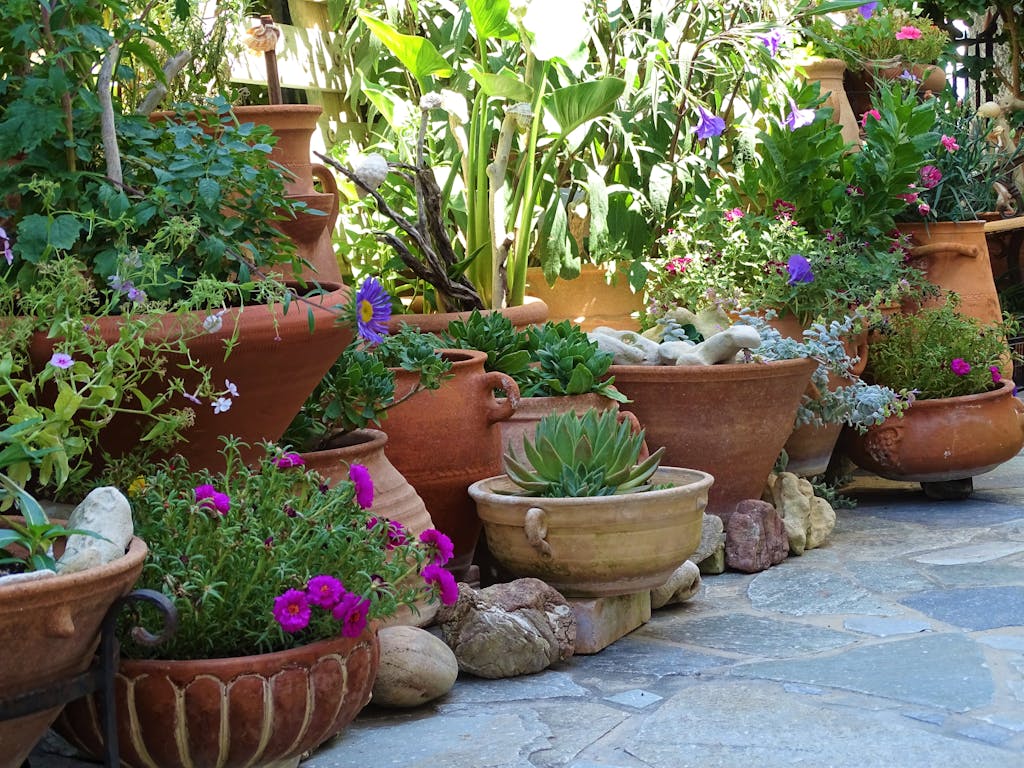
Matching containers can create elegance, but mismatched pots can create personality. A patio filled with terracotta, glazed ceramic, old metal buckets, wooden boxes, and stone planters can feel collected, warm, and creative. What might look like a decorating mistake becomes a layered container garden with character.
The secret is one unifying detail. We can mix shapes if the colors relate. We can mix colors if the materials repeat. We can mix materials if the plant palette feels consistent. Terracotta pots in different sizes almost always work together. Blue glazed pots can mix with weathered wood if the plants repeat silver, white, or deep green foliage.
Height matters too. A cluster of mismatched containers looks better when arranged like a small skyline. Tall pots go toward the back, medium pots fill the middle, and low bowls spill over the front. Grouping containers in odd numbers often feels more natural, especially near steps, patios, gates, and porch corners.
Letting a Garden Corner Grow Wild
Every yard seems to have one awkward corner. It may sit behind the shed, under a tree, beside the fence, or near a compost area. Many gardeners see these places as problems because they are difficult to mow, plant, or decorate. Yet a slightly wild corner can become one of the most useful and enchanting parts of the garden.
Wild corners provide shelter for birds, insects, frogs, and other small garden visitors. They also create mystery. A polished lawn gives everything away at once, but a leafy corner invites curiosity. Ferns, native grasses, self-seeded flowers, logs, stones, and a simple birdbath can turn an ignored patch into a tiny wildlife retreat.
To keep the area from looking abandoned, we should frame it. A low border, stepping stones, a curved path, or a small sign can make the wildness look intentional. The difference between neglect and natural design often comes down to edges. Once a wild area has a boundary, it becomes a feature instead of a forgotten corner.
Leaving Old Garden Tools on Display
A weathered watering can, rusty rake, old spade, or chipped wheelbarrow can look like clutter when it lands in the wrong place. But styled with care, old tools bring rustic charm to the garden. They tell a story of work, seasons, soil, and hands that have shaped the space.
The safest way to use tools as decor is to place them where they seem useful, even if they are mostly decorative. A watering can near a potting bench looks natural. A rake leaning against a shed can add vertical texture. A vintage wheelbarrow filled with flowers can become a movable focal point. Old hand tools hung on a fence can create a charming garden wall.
We should avoid leaving sharp tools randomly in paths or lawns. The display should feel thoughtful and safe. Weathered materials work best against wood, stone, brick, and dense greenery because they contrast with fresh plant life while still feeling connected to the garden.
Overcrowding Containers for a Lush Look
Crowded containers can become a problem when plants compete for water, nutrients, and airflow. Still, the full, overflowing container look is one of the most attractive garden styles when done carefully. A pot packed with trailing vines, upright flowers, mounding foliage, and soft fillers can look like a miniature landscape bursting with life.
The classic container formula uses height, fullness, and spill. Upright plants such as salvia, geraniums, cannas, or ornamental millet create structure. Mounding plants such as coleus, begonias, petunias, or impatiens fill the middle. Trailing plants such as sweet potato vine, bacopa, ivy, or calibrachoa soften the edges.
The maintenance must match the drama. Full containers dry out quickly, especially in hot weather. We should water deeply, feed regularly, and remove weak or diseased plants before they affect the whole display. A crowded container can be beautiful, but it cannot be ignored.
Planting Too Much of One Thing
Planting too much of one plant can seem repetitive, but mass planting is a powerful design technique. A large drift of lavender, a sweep of ornamental grasses, a ribbon of daylilies, or a carpet of creeping thyme creates calm and visual strength. Instead of looking boring, repetition can make the garden feel polished and confident.
This idea works because the eye enjoys rhythm. Scattered single plants can make a garden feel busy. Repeated plants create unity. Mass planting is especially effective along walkways, fences, slopes, driveways, and large borders where small mixed plantings may look lost.
The best plants for this approach are reliable, attractive, and suited to the site. We should choose plants that thrive in the available sun, soil, and water conditions. A mass planting only looks effortless when the plants are healthy. When we choose the right species, “too much of one thing” becomes a bold landscaping statement.
Letting Self-Seeded Flowers Choose Their Own Spots
Self-seeded flowers can feel like a garden mistake because they ignore our plans. Calendula, poppies, foxgloves, nigella, cosmos, alyssum, and columbine often appear in unexpected places. Some land between paving stones. Others pop up in vegetable beds or along borders where we never placed them.
These volunteers can bring a magical quality to the garden. They make the landscape feel spontaneous and generous. A self-seeded poppy in a gravel path can look more poetic than one placed carefully in a formal bed. Nature often understands looseness better than we do.
Still, we should edit. Keep seedlings that appear in beautiful or useful places, then remove those that crowd young plants or block paths. This turns self-seeding into collaboration rather than chaos. We allow the garden to make suggestions, then we choose the best ones.