Fitness advice is everywhere, yet much of it still sounds like it escaped from an old gym poster and found a second life on social media. We see promises that one exercise will melt belly fat, one diet will erase years of bad habits, and one brutal workout will prove we are finally serious. The problem is simple. Bad fitness advice often feels exciting because it offers a shortcut, but the human body responds to consistency, recovery, nutrition, progressive effort, and time.
We need a better way to think about training. Real fitness is not built through punishment or panic. It is built through repeatable habits that improve strength, heart health, mobility, body composition, energy, and confidence. The CDC’s adult activity guidance still points to a balanced foundation, with adults needing at least 150 minutes of moderate-intensity aerobic activity per week and at least two days of muscle-strengthening activity that targets major muscle groups.
Lifting Weights Makes You Bulky
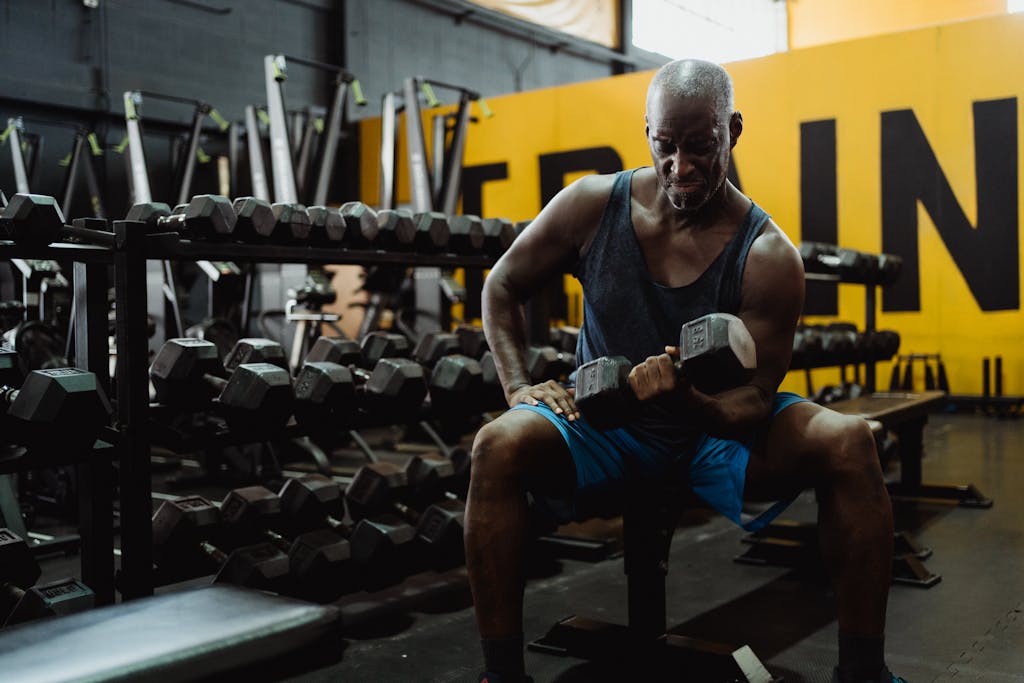
The fear of becoming bulky has kept many people away from one of the most useful tools in fitness. We often hear this myth aimed at women, beginners, older adults, and anyone who wants to look lean rather than muscular. The idea sounds dramatic, but it misunderstands how muscle growth works. Large visible muscle gain requires progressive resistance training, enough training volume, consistent nutrition, adequate recovery, and a long period of effort.
Strength training does not automatically create a bodybuilder’s physique. For most people, it improves shape, posture, strength, bone support, and daily movement. The American College of Sports Medicine’s 2026 resistance training guidance emphasized that the biggest benefits come from regular participation, and that moving from no resistance training to any form of resistance training produces meaningful improvements. Its evidence review covered findings from 137 systematic reviews and more than 30,000 participants.
The smarter truth is that lifting weights helps us build a stronger body, not an accidentally oversized one. We can train with dumbbells, barbells, resistance bands, machines, or body weight. The tool matters less than the habit. The body responds best when we train major muscle groups, add challenge gradually, and keep showing up. For fat loss, shape, and long-term health, strength training should not sit behind cardio as a backup plan. It deserves a front row seat.
Crunches Burn Belly Fat
Crunches can strengthen the abdominal muscles, but they do not command belly fat to disappear. This myth survives because it feels logical. If we want a smaller waist, we train the waist. If we want flatter abs, we do more ab exercises. The body does not lose fat in that neat, local way.
Fat loss is influenced by total energy balance, genetics, hormones, training consistency, sleep, stress, and overall body composition. A University of Sydney review explains that spot reduction remains a weight loss myth because we cannot control exactly where the body loses fat first. It also notes that physical activity can help burn body fat and preserve muscle, which changes body shape over time. The University of Sydney
This does not make core training useless. A strong core helps with posture, lifting mechanics, balance, spinal control, and athletic movement. The mistake is expecting crunches to replace full-body training and nutrition. A smarter plan combines strength training, aerobic activity, protein-rich meals, fiber-rich carbohydrates, sleep, and a realistic calorie structure. We train the abs for strength. We reduce body fat through a whole lifestyle.
More Sweat Means More Fat Burn
Sweat feels satisfying because it gives us visible proof that something happened. A soaked shirt can make a workout feel more successful, but sweat is not a fat loss receipt. We can sweat heavily in a hot room with very little movement, and we can burn plenty of energy during a cold-weather run without dripping much at all.
Sweating is mainly the body’s cooling system. MedlinePlus explains that sweating releases fluid from sweat glands, helps the body stay cool, and is controlled by the autonomic nervous system. It can increase because of hot weather, exercise, nervousness, anger, embarrassment, or fear.
The weight lost through heavy sweating is mostly fluid loss. Once we rehydrate, that scale drop usually returns. Sauna suits, plastic wraps, and overheated workouts may create the illusion of fast progress, but they do not create magical fat loss. They can also increase the risk of dehydration, dizziness, poor performance, and heat stress. A better measure of progress is not how drenched we feel. Better signals include improved strength, better endurance, steadier energy, waist measurements, recovery quality, and sustainable body composition changes.
Cardio Is the Only Way to Lose Weight
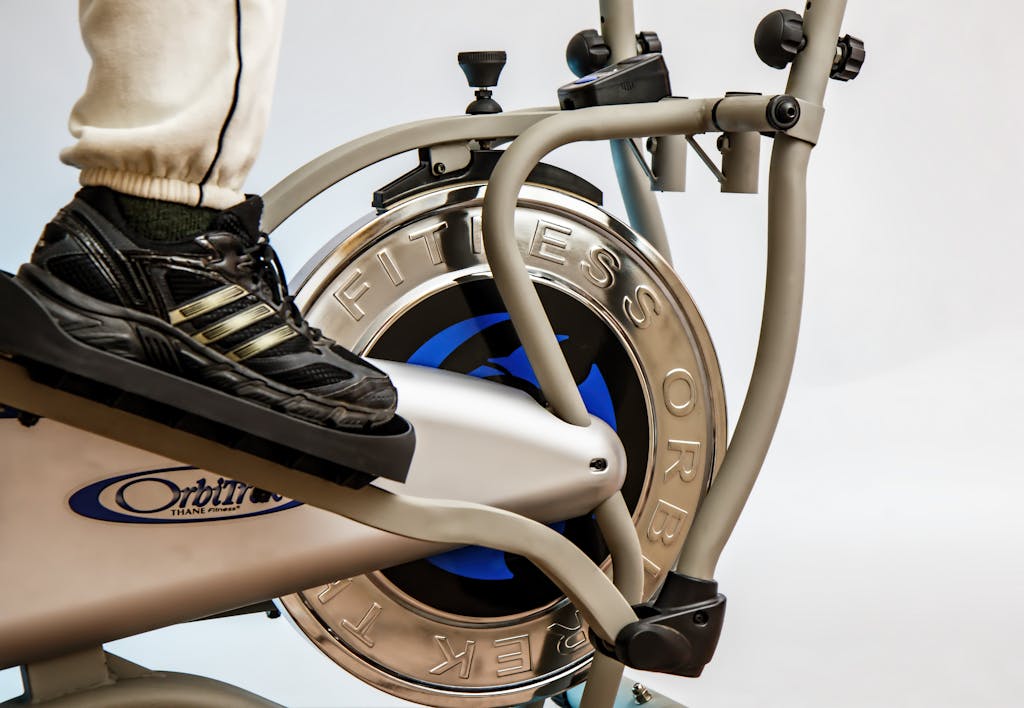
Cardio is valuable, but it is not the only path to fat loss. Running, cycling, swimming, rowing, walking, and dancing can all increase energy expenditure and improve cardiovascular fitness. The problem begins when we treat cardio as the entire solution and ignore strength, nutrition, recovery, and daily movement.
The CDC lists both aerobic activity and muscle strengthening as part of adult activity recommendations. Adults need at least 150 minutes of moderate intensity physical activity weekly, or 75 minutes of vigorous intensity activity, plus at least two days of muscle strengthening work. Regular physical activity also brings immediate and long-term benefits, including better sleep, lower anxiety, reduced blood pressure, lower risk of heart disease, lower risk of stroke, improved bone health, and reduced risk of type 2 diabetes.
Strength training supports fat loss in a different way. Muscle tissue is metabolically active, meaning the body uses energy to maintain it, and preserving muscle helps us avoid the soft, tired look that can come from losing weight through under-eating and excessive cardio alone. Cleveland Clinic notes that muscle tissue takes energy to maintain and that building and keeping muscle mass supports general health and physical ability.
The smarter fat loss formula is not cardio versus weights. It is cardio plus strength plus nutrition plus patience. Cardio improves the engine. Strength training builds the frame. Nutrition controls the fuel. Recovery keeps the system working.
Carbs Are Bad for Fitness

Carbs became the villain of fitness culture because many people confuse refined sugar with all carbohydrates. Cookies, soda, candy, and heavily processed snacks are not the same as oats, beans, fruit, potatoes, lentils, vegetables, and whole grains. Cutting every carb because some carbs are low quality is like refusing water because sugary drinks exist.
Carbohydrates help supply glucose, which the body uses for energy. NIH’s StatPearls explains that carbohydrates are an important part of a nutritional diet, with healthier sources including whole grains, vegetables, fruits, and legumes. It also notes that healthy adult diets commonly include 45% to 65% of calories from carbohydrates. MedlinePlus gives the same general range and emphasizes that carbohydrate needs vary by age, sex, health, and body goals.
The WHO’s carbohydrate guideline focuses on carbohydrate quality, including the type of carbohydrate, sugar content, digestibility, and fiber. It recommends preferred food sources and levels of fruits, vegetables, and dietary fiber to reduce diet-related disease risk. World Health Organization
The better truth is that carbs are not the enemy. Poor carb choices, oversized portions, and low fiber eating patterns cause problems. For people who train hard, carbs can support performance and recovery. For people trying to lose fat, carbs can still fit when total calories, protein, fiber, and food quality are managed well. We do not need to fear carbs. We need to choose them intelligently.
Endless Sit Ups Create a Six Pack

Sit-ups train the abdominal muscles, but visible abs depend heavily on body fat levels, genetics, muscle size, posture, lighting, and even water retention. A person can have strong abs that are not visible. Another person can have visible abs because they carry less fat around the midsection, even with less impressive core strength.
This myth is really a cousin of the spot reduction myth. Training a muscle makes that muscle stronger, but it does not guarantee that the fat above that muscle disappears first. Research summarized by the University of Sydney points to overall fat loss and muscle preservation as the realistic path for body shape change, rather than trying to target one area for fat loss. The University of Sydney
Core work still matters. We should train the trunk through flexion, anti-rotation, anti-extension, carries, planks, dead bugs, Pallof presses, and controlled loaded movements. A stronger core can improve lifting technique and reduce wasted movement during exercise. Yet the six-pack conversation must include food quality, total intake, protein, sleep, and full-body training. Abs are trained in the gym, revealed through body composition, and protected by consistency.
Women Should Only Use Light Weights
The “light weights for women” myth is one of the most outdated ideas in fitness. It packages weakness as elegance and sells the fear that serious lifting will make women look masculine overnight. The science does not support that fear. Women benefit from resistance training for strength, muscle maintenance, bone health, posture, confidence, and metabolic health.
The ACSM’s updated resistance training guidance does not present strength training as a male-only tool. It stresses regular resistance training, individualization, consistency, and training all major muscle groups. It also notes that useful resistance training can involve barbells, bands, or body weight, with the best program being one a person can actually maintain.
Light weights can have a place, especially for beginners, rehabilitation, muscular endurance, technique practice, or high-repetition accessory work. The mistake is treating light weights as a gender rule. A good program should match the person’s goal, experience, injury history, available equipment, and recovery capacity. Women can squat, deadlift, press, row, lunge, carry, and train powerfully. Strength is not a threat to femininity. It is a health asset.
Muscle Turns Into Fat When You Stop Exercising
Muscle cannot transform into fat. They are different tissues with different structures and roles. This myth survives because the visual change can look convincing. A person stops training, loses muscle, moves less, keeps eating the same amount, gains fat, and then says the muscle turned into fat. What really happened was muscle loss and fat gain at the same time.
Cleveland Clinic explains that body fat serves as an energy reserve, muscle tissue is metabolically active, and both tissues differ in function and density. Muscle takes less space than fat at the same weight, which is why a person can look leaner at the same scale weight after gaining muscle and losing fat.
When we stop training, the body no longer receives the same signal to maintain strength and muscle. If daily activity drops and food intake stays high, fat gain becomes easier. The fix is not extreme. We keep some resistance training in the week, keep protein adequate, stay active, and adjust calories when training volume changes. Muscle does not become fat. Habits change, and the body follows.
Conclusion
Fitness myths survive because they sound simple, emotional, and easy to sell. Science asks for something better. We do not need to fear weights, worship sweat, punish the body with pain, avoid carbs, or chase belly fat with endless crunches. We need a plan that respects how the body actually adapts.
The strongest fitness foundation is clear and repeatable. We train strength. We move often. We eat enough protein, fiber, and quality carbohydrates. We recover. We progress gradually. We ignore shortcuts that promise control over biology, the body does not offer.
The best version of fitness is not built on myths. It is built from evidence, patience, and the quiet discipline of doing the right things long enough for the body to believe us.