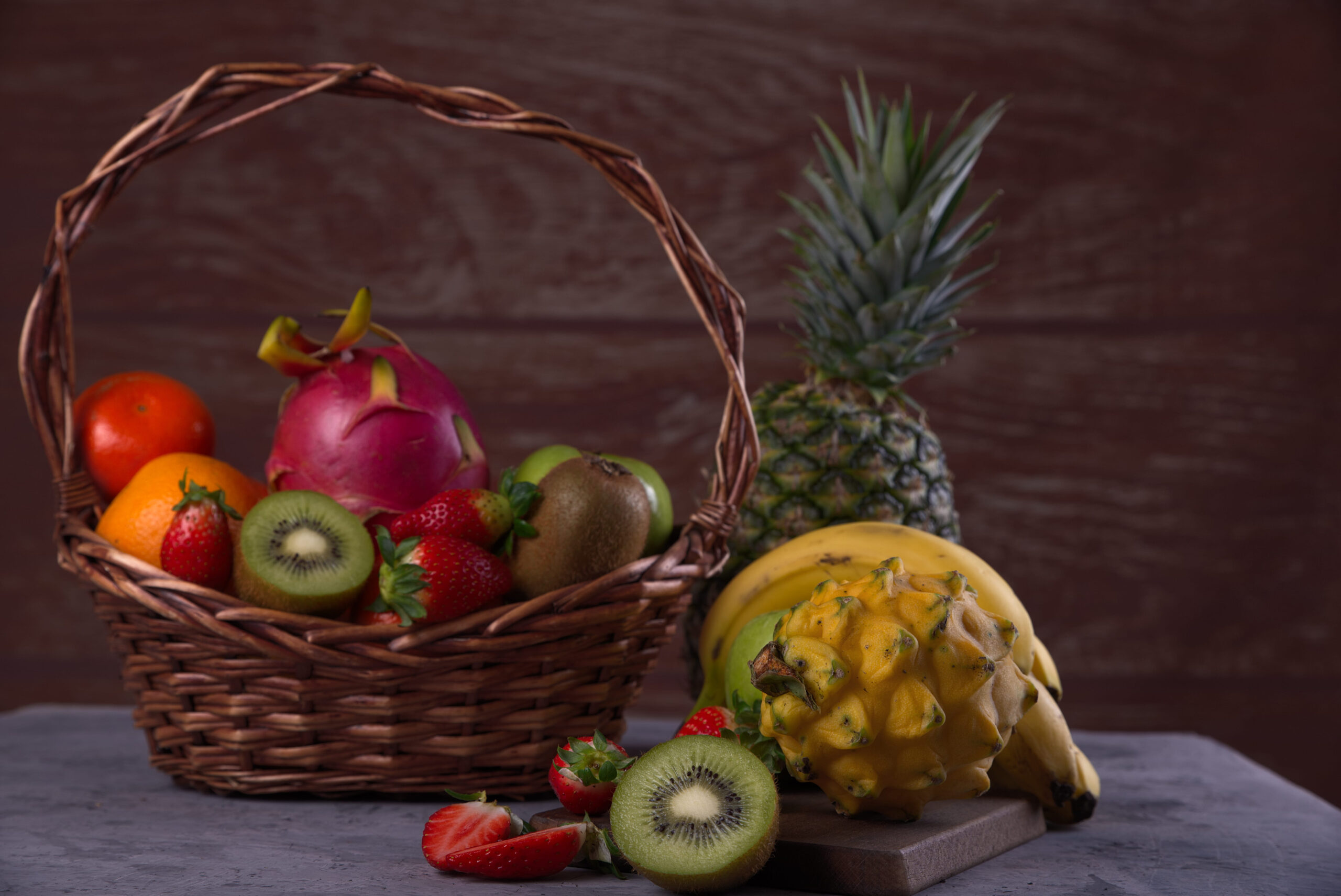
In the modern convenience-food lifestyle, many fruits and vegetables are no longer popular, as mass-market crops have pushed them to the background. However, hidden in the nooks and crannies of forgotten gardens and heirloom seed catalogs are rare, nutrient-rich varieties that can make your food more interesting and provide numerous health benefits. You are a gourmet who wants to taste new flavors, or you are someone who wants to relive the past; these forgotten fruits and vegetables need to be included in your next shopping cart. These are 10 lost gems you should reintroduce to your diet.
Sunchokes (Jerusalem artichokes)
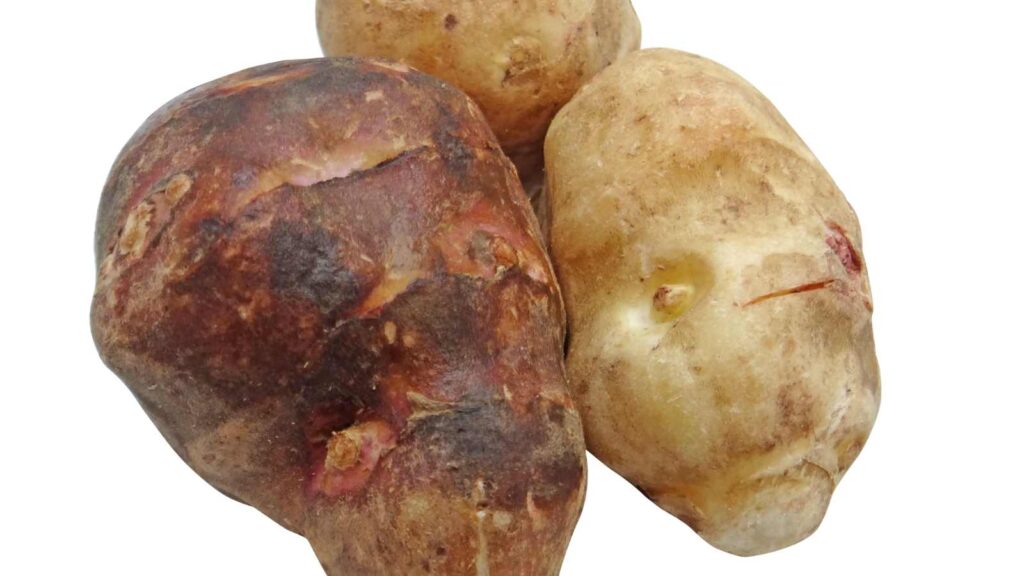
Sunchokes, also called Jerusalem artichokes, are not artichokes but rather a variety of sunflower tuber. Sunchokes have a slightly nutty, earthy taste and are also rich in inulin, a prebiotic fiber that supports gut health. They may be consumed raw in salads, roasted, or mashed as a delicious substitute for potatoes. Although their starchier counterparts have overshadowed them, sunchokes are a great source of vitamins B and C and have a distinct, crisp flavor that can complement any dish.
Chayote
Chayote is a type of squash native to Central and South America, and in the past, it was a common ingredient in many homes, but today it has been forgotten in the kitchen. It is eaten raw in salads or cooked in savory dishes; it tastes mild and cucumber-like and has a crunchy texture. Chayote is rich in fiber, vitamin C, and antioxidants, and it is also very versatile; it can be added to soups or stir-fries or used mashed as a side dish.
Oca (Oca de Montana)
It is a colorful root vegetable called “oca” or “oca de montana,” native to the Andes, and a popular crop before being replaced by potatoes. The tangy taste and waxy texture of Oca will make a great addition to a salad or a roasted side dish. This tuber is a nutritious powerhouse with high vitamin C, potassium, and dietary fiber and is also tasty, which is an added advantage over more popular root vegetables.
Salak (Snake Fruit)
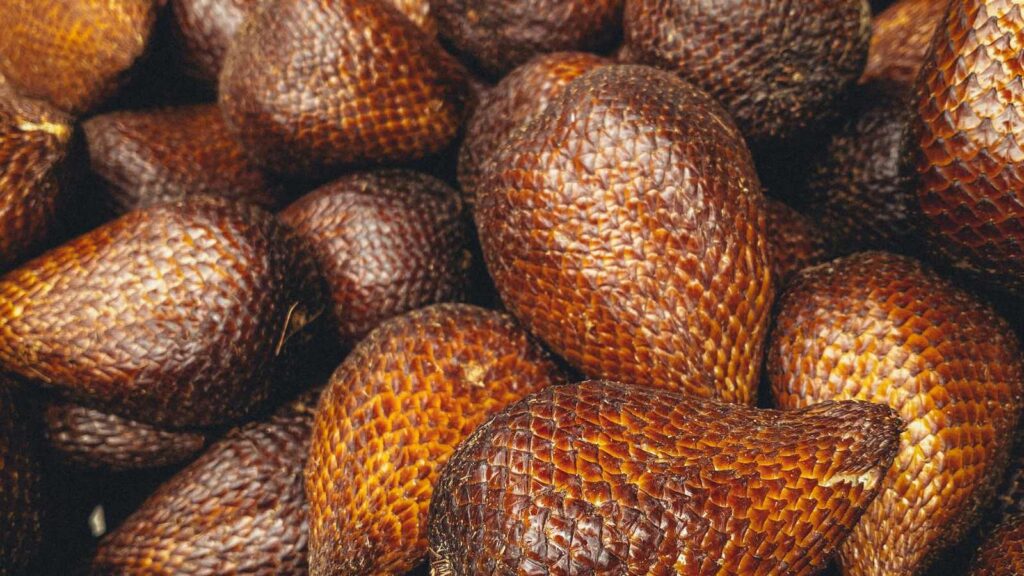
Salak, also known as snake fruit, is native to Southeast Asia and has been largely forgotten by most of the world. Salak has a sweet, tangy flavor, making it a wonderful snack or fruit salad ingredient that reminds me of apples and bananas. It is rich in antioxidants, fiber, and potassium, which support heart health and digestion. Not only is salak a unique fruit, but it is also healthy, making it a new addition to the menu of any fruit lover.
Kohlrabi
Kohlrabi, a root vegetable often mistaken for one, is a member of the cabbage family and has a crisp texture with a mild sweetness. It can be served uncooked in salads or sautéed or roasted, and its versatility makes it an ideal alternative to potatoes or even cabbage in most recipes. Kohlrabi is high in fiber, vitamin C, and potassium; supports digestion and immunity; and adds a crunchy texture that can liven up any meal.
Cherries (capuises) on the ground.
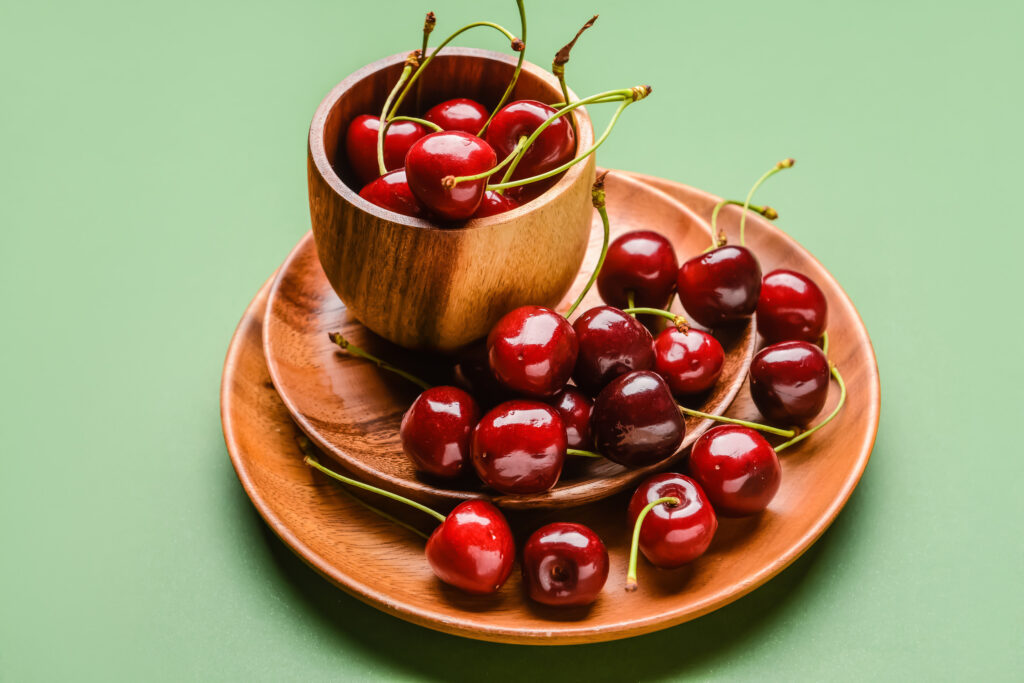
Although ground cherries, also known as cape gooseberries, are being given a bit of a push in the specialty markets, they are by no means mainstream. These are tiny golden fruits with a sweet-tart taste, best served in jam or pie or as snacks in a papery shell. Ground cherries contain vitamins A and C, antioxidants, and fiber and are so incredibly nutritious. Besides tasting delicious, they support the immune system and the skin.
Fennel Pollen
Fennel is usually used with its bulb and fronds, but the pollen of the fennel flower is usually ignored. Fennel pollen has a sweet, slightly aniseed flavor and can be sprinkled on salads, soups, or desserts to add a unique, aromatic note. Fennel pollen is rich in antioxidants, essential fatty acids, and vitamin C; has anti-inflammatory values; and is a very potent but little-used nutritional supplement to any meal.
Sea Buckthorn Berries
Traditional medicine has long recognized sea buckthorn berries, but they have only recently entered the mainstream food market. Sea buckthorn berries have a citrus-like sour taste and are commonly used in juices, jams, or sauces. These brightly colored, tiny orange berries are a super source of vitamins C and E, an essential fatty acid powerhouse, and an antioxidant with immune-boosting properties that keep the skin healthy. They are health-conscious and should be tried by people concerned about their health.
Salsify (Oyster Plant)

Salsify is no longer a popular root vegetable and is also known as the “oyster plant” for its oyster-like flavor. It has a fine, slightly sweet flavor that is ideal for mashing or adding to soups, as it creates a creamy texture and adds a subtle flavor. Salsify is an excellent vegetable that is rich in fiber, iron, and potassium and a great addition to your diet, but it is also a forgotten one, which is why it is so valuable.
Mangelwurzel
Mangel-wurzel is a crop formerly used as fodder, but due to the current farming practices, it has been abandoned. Nevertheless, this root vegetable has a slightly sweet, earthy flavor and is rich in vitamins and minerals. After cooking, it can be treated like beets or sweet potatoes to add a nutritious element to soups, stews, or salads. Mangelwurzel contains plenty of fiber, magnesium, and vitamin C, making it a healthy alternative to more common root vegetables.
Conclusion
Amidst the mass production of food, one can easily lose the memory of the lesser-known fruits and vegetables that existed in gardens and kitchens. These 10 forgotten gems not only offer a faint glimpse into culinary history but also a variety of health benefits that cannot be overlooked. With the salty sweetness of the salsify’s earthiness, bringing these products back into your diet is not only a chance to change the way you eat, but it is also a chance to accept the new nutritional powerhouses. Why not then go beyond the familiar and include such interesting fruits and vegetables on your next shopping list?