Tackling home repairs on your own can be incredibly satisfying, but it’s not always smooth sailing. One wrong move, and you could be looking at a bigger mess or worse, a safety hazard. Think about it: You might save a few bucks by skipping the professionals, but are you making a few costly mistakes along the way?
In this article, I’ll share 16 DIY repair blunders you might be making and, more importantly, how to avoid them. Let’s dive in!
Underestimating the Job
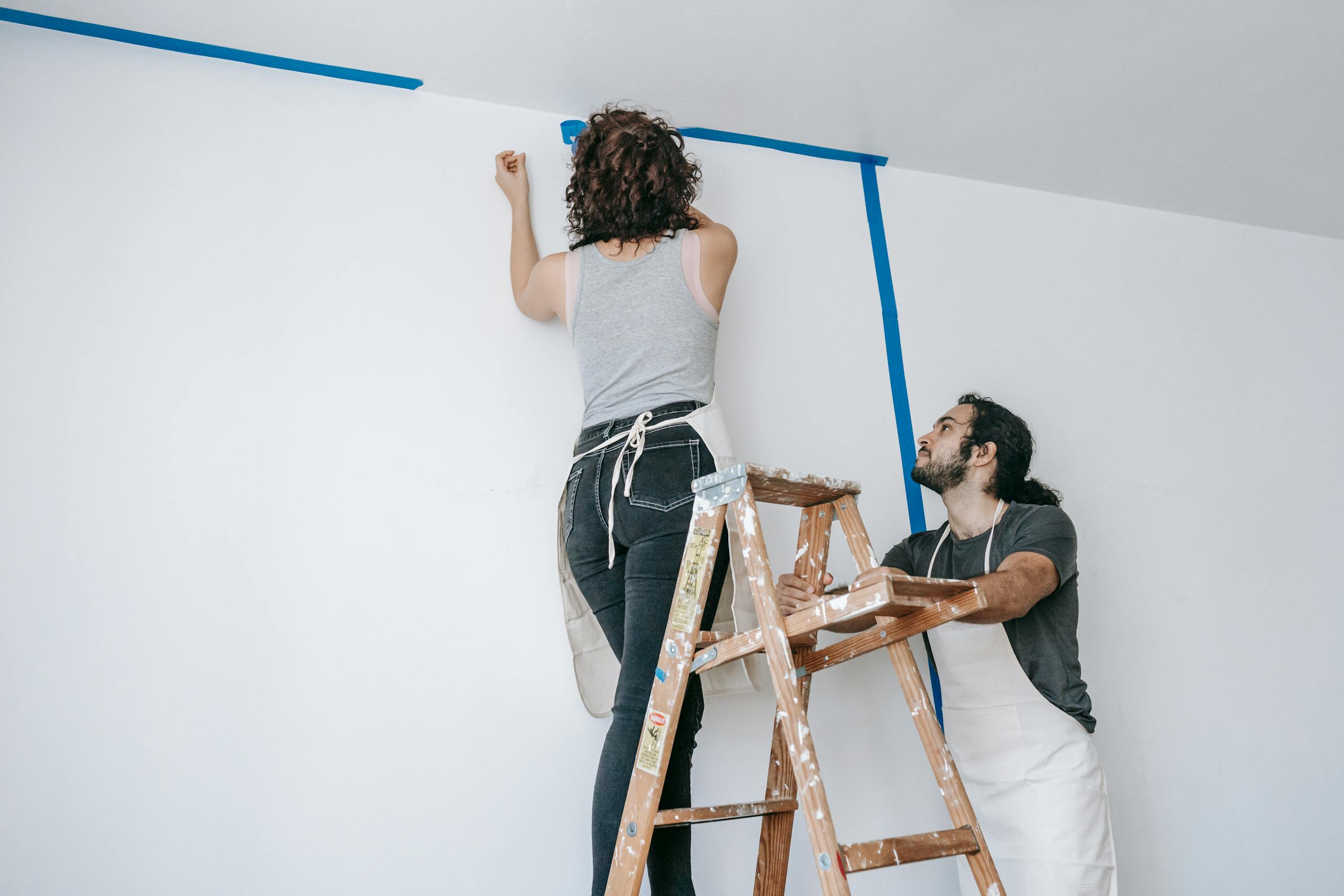
You’ve probably said it before: “How hard can it be?” It’s easy to assume that a simple repair will be over in no time, but often, it’s much more involved than you think. What seems like a quick fix can turn into an overwhelming task if you’re not prepared.
The Mistake:
Underestimating the complexity of your DIY project, assuming it will be quicker and simpler than it really is.
How to Avoid It:
Take your time and do your homework. Research your repair from start to finish. Watch tutorial videos, read guides, and be honest with yourself about how much time you’ll need to dedicate to the job.
Skipping Permits
It might seem like a small thing, but not getting the right permits can lead to major headaches. Whether you’re working on plumbing, electrical, or structural changes, skipping permits can result in fines, the need to redo your work, or even damage to your home.
The Mistake:
Trying to avoid the hassle of permits and thinking you can get away with it.
How to Avoid It:
Before starting any major project, check your local building codes. If a permit is required, get it. It might seem like a hassle now, but it’ll save you a ton of trouble later.
Messing with Structural Integrity
So, you want to knock down a wall? Think twice. Messing with the structure of your home is risky. It’s not just about the cost, it’s about safety. Making the wrong move could lead to collapsed ceilings,cracked foundations, or worse.
The Mistake:
Attempting major structural changes without fully understanding how they could affect the rest of your home.
How to Avoid It:
Consult with a professional contractor for anything structural. It’s much safer and cheaper to bring in an expert than deal with the aftermath of a failed DIY structural project.
Using the Wrong Tools
Have you ever tried to fix something with the wrong tools, only to make things worse? It happens more than you think. Using improper or poor-quality tools can lead to damaged materials and unnecessary frustration.
The Mistake:
Using the wrong tools for the job, just because they’re the ones you have on hand.
How to Avoid It:
Don’t just settle for what you have. If you don’t own the right tools, rent or borrow them. A simple tool swap can make all the difference between a smooth fix and a disaster.
Forgetting to Turn Off the Water or Electricity
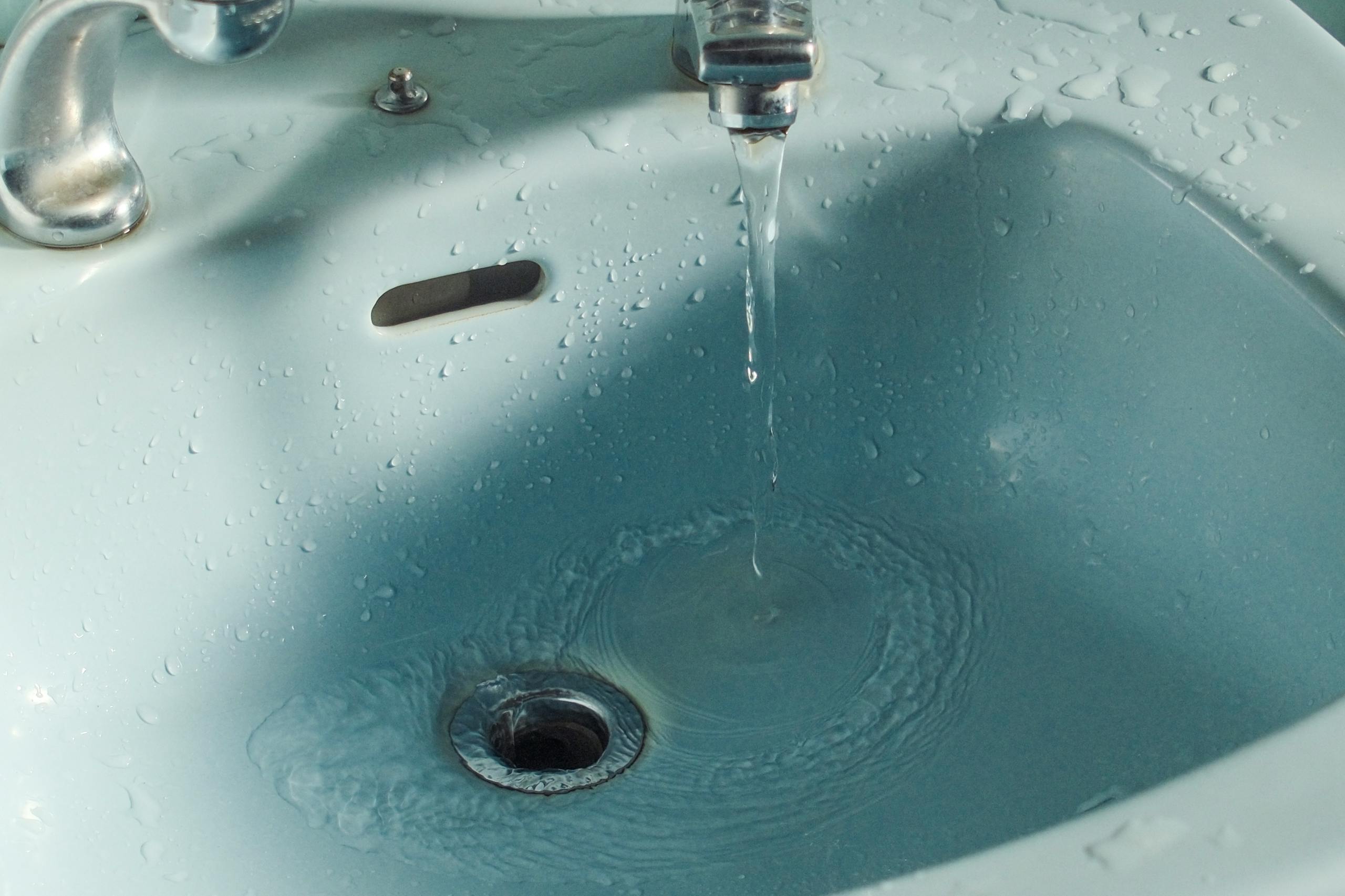
It might sound obvious, but it’s easy to get so focused on the task that you forget to turn off the water or electricity. Working with live wires or running water without shutting off the power can lead to electrical shocks, water damage, or worse.
The Mistake:
Diving into a repair without turning off the power or water supply.
How to Avoid It:
Before you start, shut off the power at the breaker and turn off the water supply. Always double-check that everything is off before you begin your repair.
Rushing the Job
It’s easy to get frustrated when a repair takes longer than expected. But rushing to finish a job can lead to careless mistakes that will cost you in the long run. Hasty work can result in unfinishedrepairs or worse, further damage.
The Mistake:
Trying to rush through a repair just to get it over with.
How to Avoid It:
Take your time and work carefully. If you need to step away and come back to it, that’s okay. The key is quality, not speed.
Forgetting to Test Your Work
You’ve fixed the leaky faucet, but did you check whether the repair actually worked? Forgetting to test your repairs after completing them can lead to hidden problems that surface later, such as leaks or electrical malfunctions.
The Mistake:
Skipping the final test to ensure your work was successful.
How to Avoid It:
After finishing, test everything. Run the water, flip the switch, or check for leaks. If something’s off, catch it right away to avoid a bigger mess.
Choosing Cheap Materials
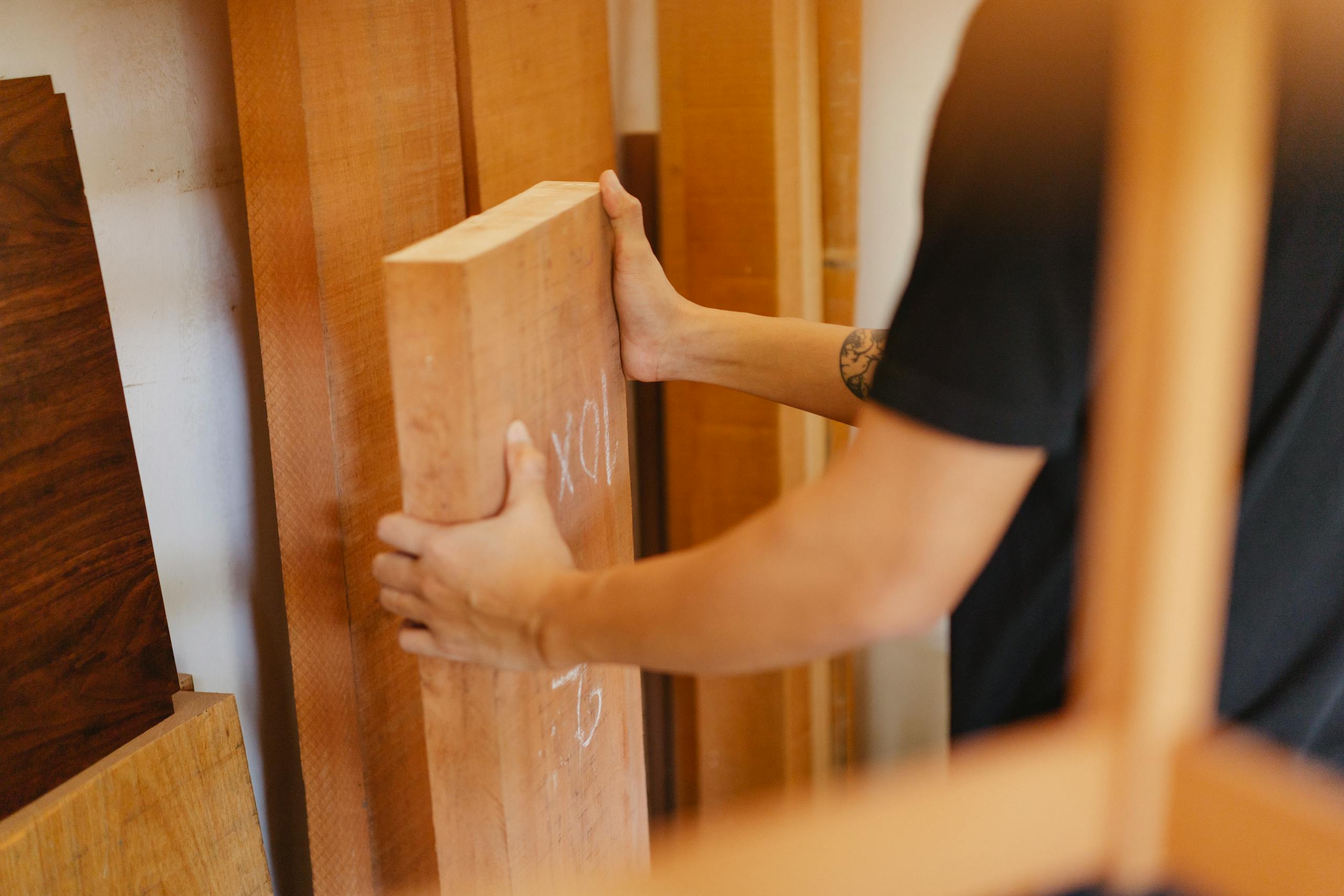
You might think you’re saving money by using cheap materials, but in reality, you’re likely just setting yourself up for future repairs. Cheap materials wear outquickly, leading to frequent repairs and a higher total cost over time.
The Mistake:
Opting for inexpensive materials that don’t last.
How to Avoid It:
Invest in quality materials. You don’t have to go overboard, but choosing more durable options will save you time and money spent fixing the same issue later.
Not Checking for Leaks
After replacing a pipe or installing a new faucet, don’t skip the inspection. Even the smallest leak can lead to significant water damage, mold growth, and expensive repairs down the line.
The Mistake:
Ignoring the need to check for leaks after completing your repair.
How to Avoid It:
After you’ve finished, run water through the system and check for leaks. Pay close attention to joints and seals to make sure everything is properly tightened.
Neglecting Long-Term Maintenance
Once the job is done, it’s easy to think you can forget about it. But regular maintenance is key to preventing future issues. Neglecting your home’s upkeep could lead to larger, more expensive repairs later.
The Mistake:
Assuming the job is done once you’ve fixed it, without considering ongoing maintenance.
How to Avoid It:
Set a maintenance schedule to regularly check plumbing, HVAC, and electrical systems. Small, proactive steps will save you from having to deal with massive repairs later.
Overloading Electrical Circuits
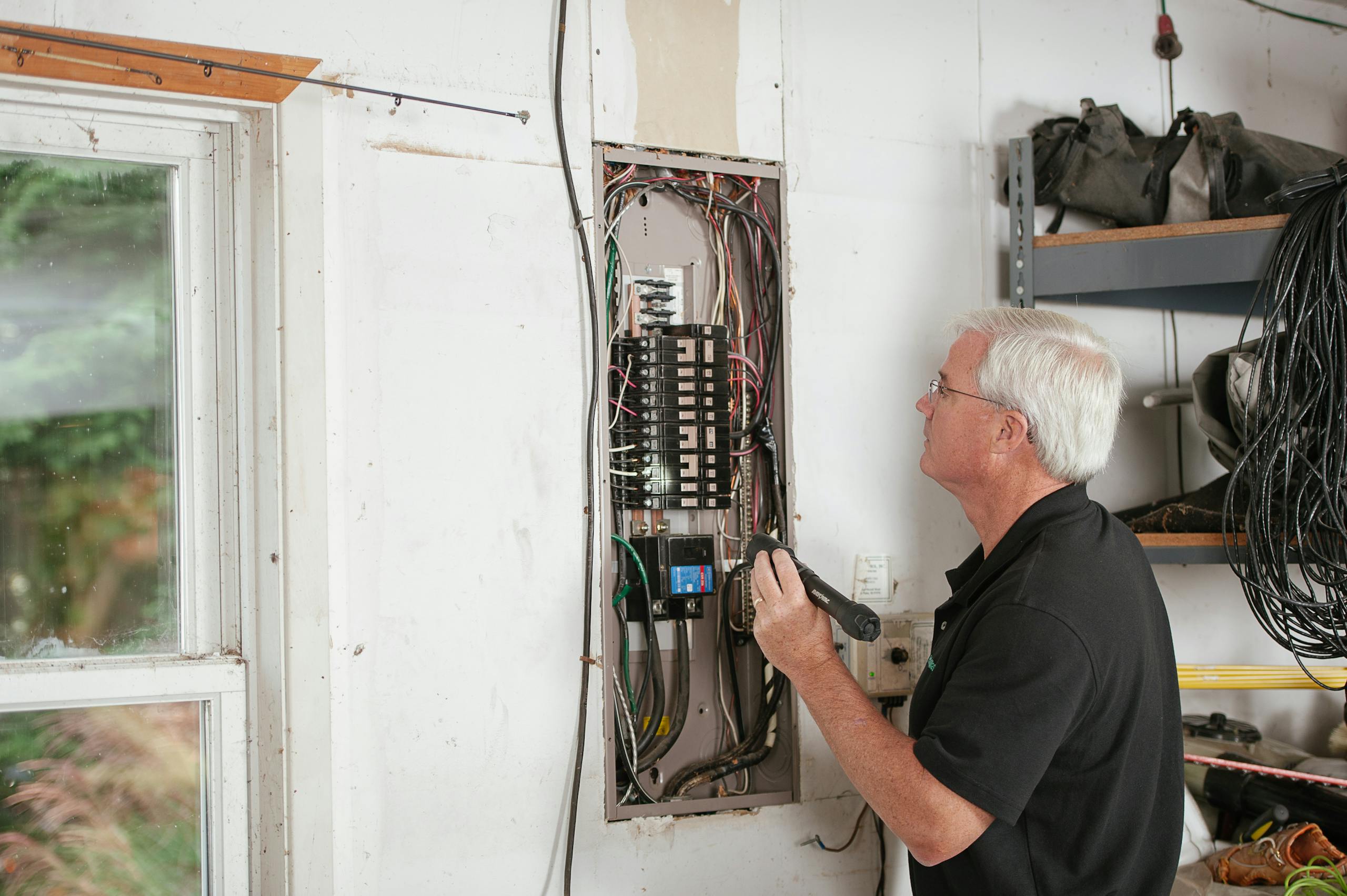
Adding too many outlets to a single circuit or drawing more power than a circuit can handle can cause blown fuses, overheating, or even a fire.
The Mistake:
Trying to extend an electrical circuit without understanding its capacity.
How to Avoid It:
If you’re working with electricity, don’t overload circuits. Consult with a licensed electrician to ensure you’re meeting safety requirements.
Not Ventilating Properly
Home repairs involving chemicals, paints, or cleaning products require proper ventilation. Not opening windows or using a fan can leave you inhaling toxic fumes, which can cause headaches, dizziness, or worse.
The Mistake:
Skipping proper ventilation when working with fumes or chemicals.
How to Avoid It:
Open windows, use fans, and wear a mask when using strong chemicals or paints. Don’t cut corners on airflow.
Leaving a Mess Behind
A repair job doesn’t end when the last screw is in place. Leaving debris or hazardous materials can pose safety risks and make the space unsafe to use.
The Mistake:
Failing to clean up after the job, leaving debris or sharp objects behind.
How to Avoid It:
Set aside time to properly clean up after your repairs. Dispose of hazardous materials properly and make sure the area is safe and clean.
Conclusion
DIY repairs can save money and give you a sense of accomplishment, but they come with risks. By taking the time to avoid these mistakes, you can tackle your next repair confidently. From planning ahead to using quality materials, you’ve got the tools to succeed.
So, what’s your next project? Are you ready to take on the challenge with the right knowledge, or are you thinking of calling in the professionals? Let me know how you plan to approach your next DIY repair!