Raised garden beds offer numerous advantages for gardeners, especially beginners. They provide better drainage, prevent soil compaction, and allow for easier control of soil quality. If you’re considering transforming your outdoor space into a thriving vegetable garden, you’ll want to know which vegetables do best in these elevated environments. Let’s explore some top vegetables to plant in raised garden beds for healthy, flavorful harvests.
Carrots

Raised beds are ideal for carrots because they provide the deep, stone-free soil that carrots need to develop straight, smooth roots. Traditional garden beds often have compacted soil, which can hinder carrot growth, leading to misshapen or stunted roots. In a raised bed, carrots have the space to grow long and straight. They do best in cool weather and need plenty of sunlight to thrive. After sowing the seeds, thin them out to allow room for the carrots to mature. Within 60–75 days, you’ll be able to enjoy your crisp, sweet carrots either raw, in stews, or even roasted with a little olive oil and seasoning.
Bush Beans
Bush beans are among the easiest vegetables to grow in raised garden beds, making them an ideal choice for gardeners just starting out. These beans love full sun and benefit from the consistent moisture and fertile soil that raised beds offer. Bush beans grow as compact, low-spreading plants, so they don’t require as much space as their climbing counterparts. They mature quickly, usually in about 45–60 days, providing an abundant harvest of tender, green beans. They’re perfect for making fresh salads, stir-fries, or as a side dish. Moreover, bush beans are nitrogen-fixing, enriching your soil for future plantings.
Beets
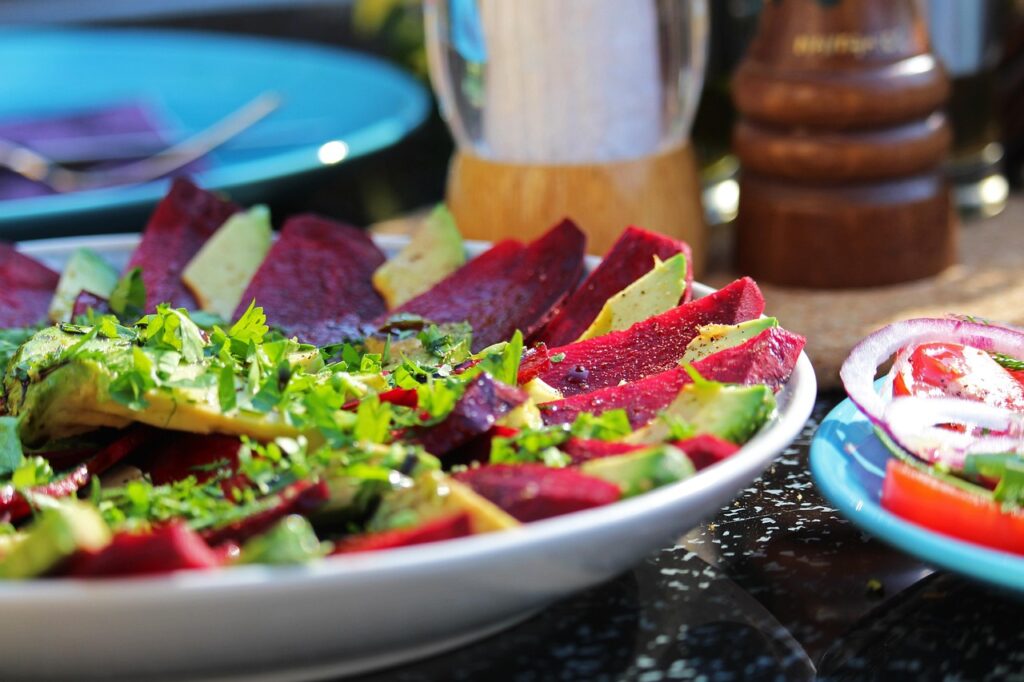
Beets are an excellent choice for raised beds, as their deep-growing roots thrive in the loose, well-drained soil these beds provide. Raised beds give you the perfect soil depth to produce plump, tender beets, while also ensuring they don’t have to fight for nutrients. Beets enjoy full sun and need consistent moisture to grow properly. The good news is that they’re also incredibly easy to grow. Plant your seeds early in the season, and in about 50–70 days, you’ll have a vibrant harvest of beets ready for roasting, juicing, or salads. Plus, the beet greens are edible too, offering a bonus leafy crop!
Kale

Kale is another great vegetable for raised beds. This nutrient-dense leafy green thrives in cool, moist conditions, making it well-suited to the controlled environment of a raised bed. Raised beds help keep the soil well-drained and rich in nutrients, two factors that support strong, healthy kale growth. Kale is relatively low-maintenance and can tolerate light frosts, allowing it to continue producing fresh leaves even through the cooler months. You can harvest the outer leaves as the plant grows, allowing for a continuous supply of greens throughout the season. It’s perfect for smoothies, salads, or sautéed dishes.
Radishes
Radishes are among the fastest-growing vegetables, with most varieties maturing in just 20–30 days. Raised beds provide the loose, fast-draining soil that radishes love, allowing their roots to develop quickly. They don’t need much space, so you can plant them in rows or scattered throughout your bed, making them an excellent companion crop for larger plants like tomatoes and peppers. Radishes do best in cooler weather, so spring or fall planting is ideal. Enjoy them raw in salads, or cook them to mellow out their signature spiciness.
Cucumbers

Cucumbers are warm-season vegetables that thrive in warm, well-drained soil of raised beds. These vining plants need plenty of sunlight, ideally 8 hours a day, and a support structure, such as a trellis, to help the vines grow vertically. By training cucumbers to climb, you can save space and enjoy more manageable harvests. Raised beds also help prevent soil-borne diseases, which cucumbers are prone to in traditional garden plots. Expect your cucumbers to mature in about 50–70 days. From fresh salads to pickles, cucumbers are a refreshing addition to any garden.
Swiss Chard
Swiss chard is another fantastic vegetable for raised beds. This vibrant, leafy green is packed with nutrients and can tolerate a wide range of growing conditions. Raised beds provide excellent soil quality and drainage, which helps Swiss chard thrive. Swiss chard can be harvested continuously by picking outer leaves, and it will keep producing more throughout the season. With its beautiful stems in colors like red, yellow, and orange, Swiss chard adds a splash of color to your garden, making it a visually stunning as well as delicious addition.
Lettuce

Lettuce is one of the quickest-growing vegetables you can plant in a raised bed. With its shallow roots and rapid growth cycle, lettuce thrives in the loose, fertile soil of raised garden beds. You can plant different varieties, from tender butterhead to crispy romaine, and have a steady supply of fresh, crisp leaves in as little as 30–50 days. Lettuce enjoys cooler temperatures, so it’s perfect for early spring or fall planting. Be sure to keep the soil consistently moist, and you can harvest leaves throughout the season as needed, either by picking outer leaves or harvesting the entire head.
Conclusion
Raised garden beds offer an incredible opportunity to grow a wide range of vegetables in an efficient, organized manner. From easy-to-grow beets and carrots to nutrient-packed kale and cucumbers, you can create a diverse and productive vegetable garden in a raised bed. With the added benefits of better soil quality, drainage, and pest control, these beds are perfect for gardeners of all experience levels. So, whether you’re a beginner or seasoned gardener, raised beds are a game-changer for your homegrown veggie patch!