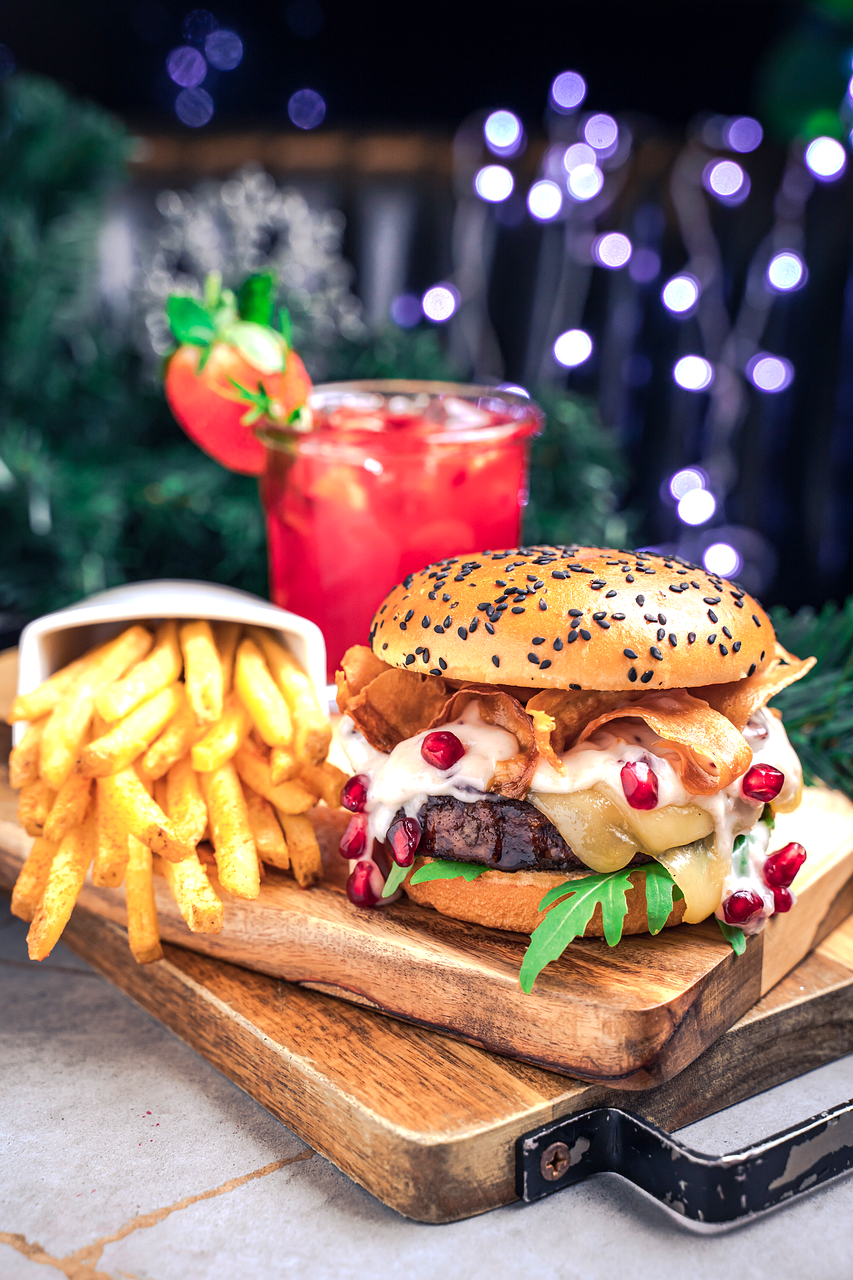
Some food pairings look harmless because they are familiar, easy, and sometimes downright delicious. A glass of milk with fruit, coffee with a quick banana, or ramen with extra soy sauce can feel like normal everyday eating. The problem is that some combinations do not work as smoothly inside the body as they do on the plate.
This does not mean every food pairing is dangerous or that one bite will ruin your health. It means some combinations can cause bloating, energy crashes, poor nutrient absorption, or unnecessary strain on the body when they become habits. Here are six food combinations worth avoiding or at least eating more carefully.
Milk and Citrus
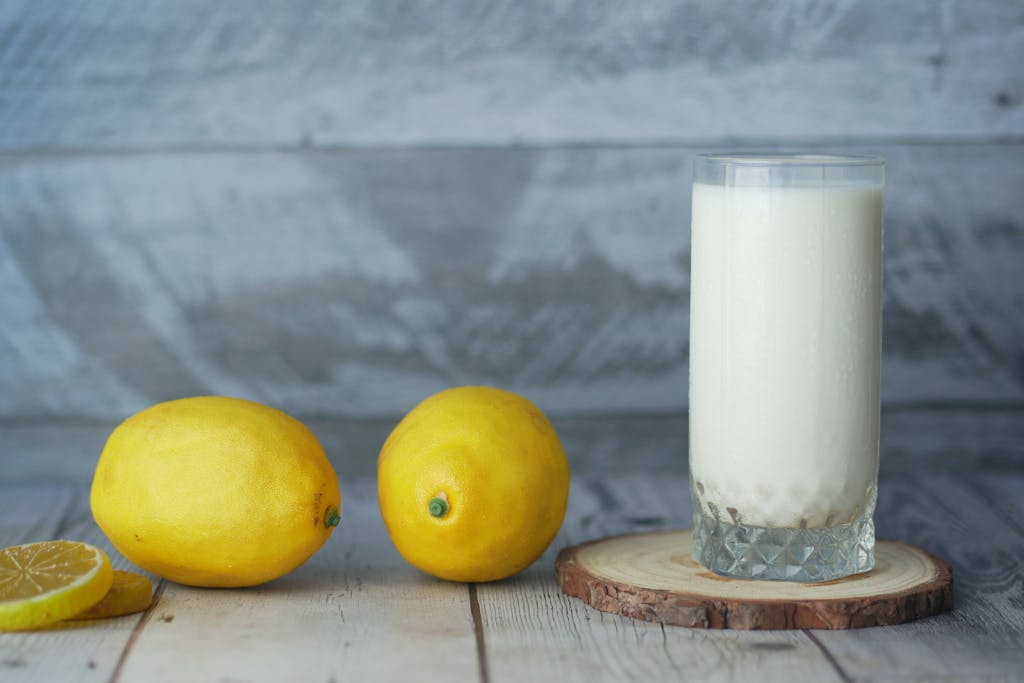
Milk and citrus sound innocent enough, especially if breakfast includes oranges, mandarins, or a glass of orange juice. The issue is that citrus fruits are acidic, and that acidity can cause milk proteins to clump or curdle. For some people, especially those with sensitive digestion or lactose intolerance, this can lead to bloating, gas, stomach discomfort, or that heavy feeling that makes breakfast feel like a mistake.
This combination is not automatically harmful for everyone, but it can be rough on people who already struggle with dairy. A better option is to separate the two by time. Have citrus earlier, then enjoy milk, yogurt, or a dairy-based drink later. Your stomach may handle both foods better when they are not landing together at once.
Coffee and Bananas
Coffee and bananas are the unofficial breakfast of busy people who are already late. The banana provides quick carbohydrates, and the coffee provides a caffeine boost, so the pairing can feel powerful for the first hour. Then reality catches up. The body burns through that fast fuel, caffeine starts shifting, and suddenly the same person who felt sharp at 8 a.m. feels shaky, hungry, or tired by midmorning.
The smarter move is to add staying power. A banana can be fine, but it works better with protein, healthy fat, or fiber. Coffee also feels gentler when the body has real fuel to work with. Eggs, Greek yogurt, oats, nuts, or whole-grain toast can turn that rushed breakfast into something that actually carries you through the morning instead of teasing your energy and draining it.
Dark Chocolate and Milk
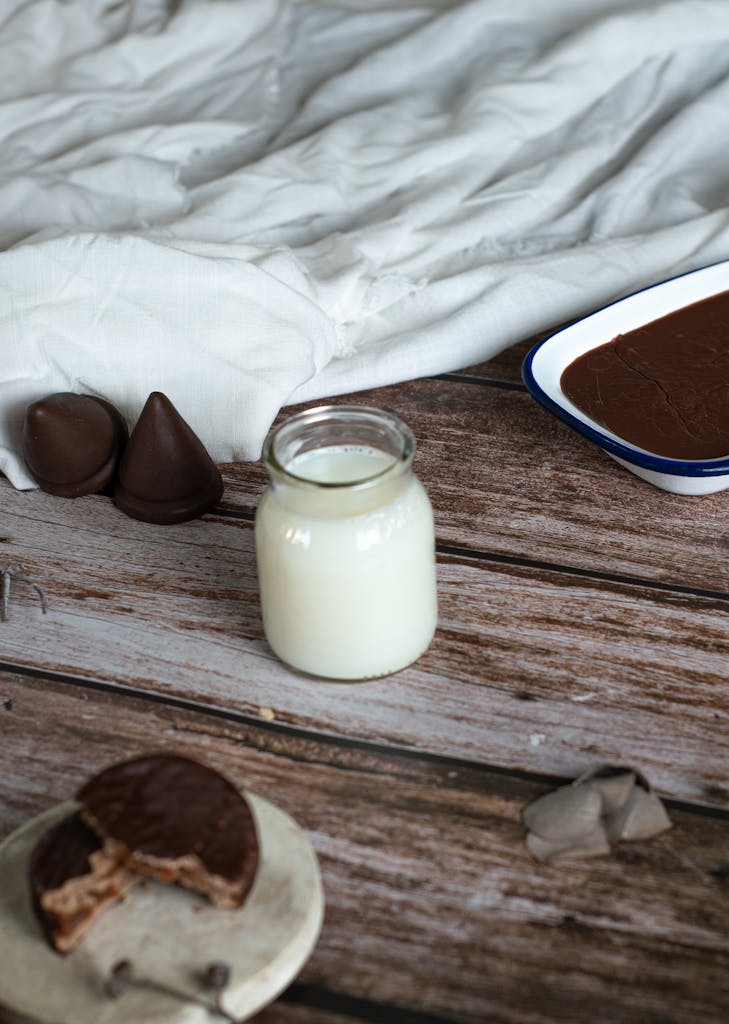
Dark chocolate has a strong reputation as the “better” chocolate because it contains cocoa compounds linked with heart-friendly benefits. Many people ruin that advantage by eating it with milk or drinking milk alongside it. The problem is that milk proteins may interfere with the body’s absorption of some of the beneficial compounds in dark chocolate.
That does not mean you must give up chocolate. It simply means dark chocolate works better as a solo treat. If you are choosing the rich, bitter, high-cocoa kind because you want more than just sweetness, give it space to do its job. A few squares after a meal can feel more satisfying than turning it into a milky dessert that weakens the reason you picked it in the first place.
Instant Noodles and Soy Sauce
Instant noodles are already salty before anything extra touches them. Add soy sauce, salty seasoning, processed meat, or another high-sodium topping, and the bowl can turn into a sodium bomb. That matters because too much sodium can make the body retain water, increase thirst, and put extra pressure on the heart and blood vessels when the habit repeats often.
The danger here is not one emergency bowl on a stressful night. It is the routine of making an already salty food even saltier. If you love noodles, use less of the seasoning packet, add vegetables, include a boiled egg or lean protein, and skip the heavy splash of soy sauce. You still get comfort, warmth, and flavor without turning a quick meal into a salt trap.
Peanut Butter and Rice Cakes
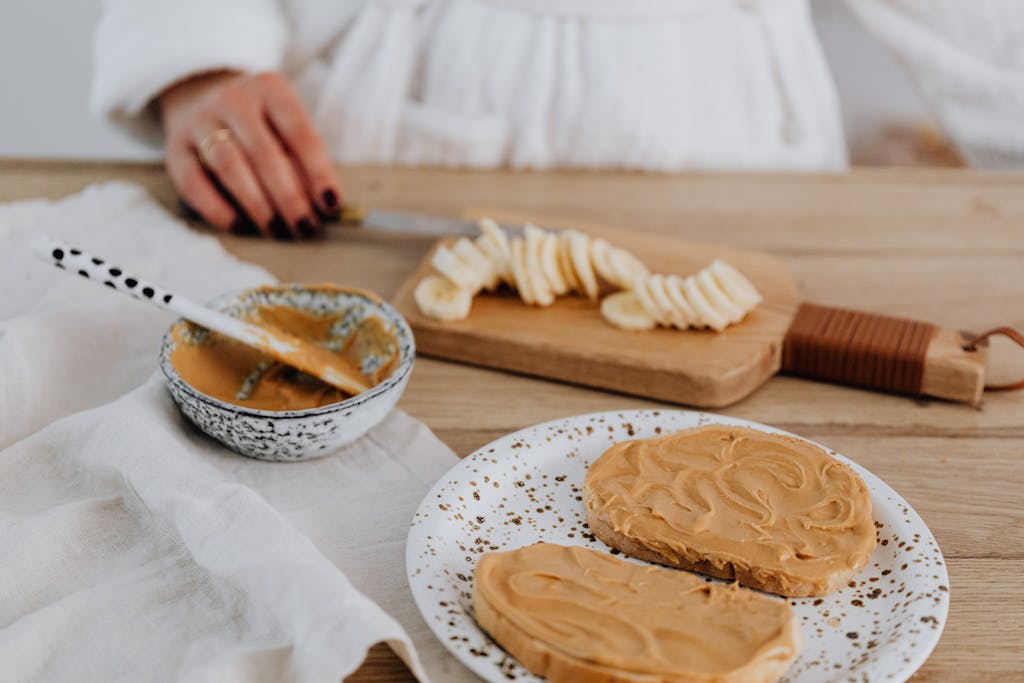
Peanut butter on rice cakes looks like a healthy snack, and it can be better than candy or chips. The problem is that rice cakes are light, airy, and often not very filling. Peanut butter adds fat and flavor, but the snack may still lack enough fiber, protein, and slow-digesting carbohydrates to keep hunger away for long.
That is why this combination can feel satisfying for ten minutes and disappointing soon after. It crunches nicely, tastes good, and then leaves you searching the kitchen again. A stronger snack would pair peanut butter with whole-grain toast, apple slices, oatmeal, or a high-fiber cracker. The goal is not to punish rice cakes, but to stop pretending they are a full solution to hunger.
Alcohol and caffeine
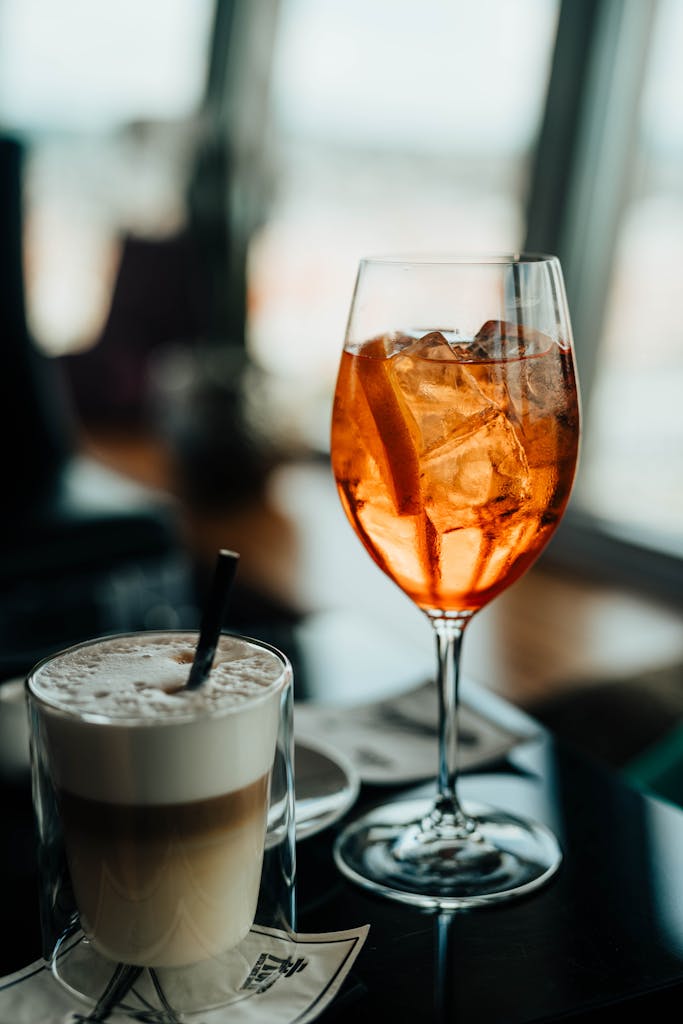
Alcohol and caffeine are a risky match because they pull the body in opposite directions. Alcohol slows the body down, while caffeine makes people feel more awake and alert. That sounds useful on the surface, but it can become dangerous because caffeine may hide how impaired someone really is. A person may feel “fine” even when judgment, coordination, and reaction time are already affected.
This is why drinks that combine alcohol with coffee, energy drinks, or strong caffeine should be used with caution. The buzz can feel controlled when it is not. People may drink more, stay out longer, or make riskier choices because the sleepy warning signs feel muted. If alcohol is involved, it is safer to leave caffeine out of the mix and pay attention to how the body actually feels.
Conclusion
Food combinations do not need to be treated like a daily fear list. Most people can enjoy a wide range of meals without obsessing over every pairing. Still, the body does have limits, and some combinations can make digestion harder, energy less stable, or nutrition less useful.
The smartest approach is simple. Notice how your body reacts, avoid pairings that repeatedly make you feel bloated or drained, and build meals around balance instead of convenience alone. A few small changes can make everyday eating feel lighter, steadier, and far less punishing.