Cherry tomatoes offer a burst of sweet, summery flavor even for gardeners lacking outdoor space. The compact bush varieties thrive in containers and hydroponic systems, making it easy to enjoy this garden favorite. Even novice indoor growers can achieve success by understanding cherry tomato needs for proper nutrition, lighting, support and pruning.
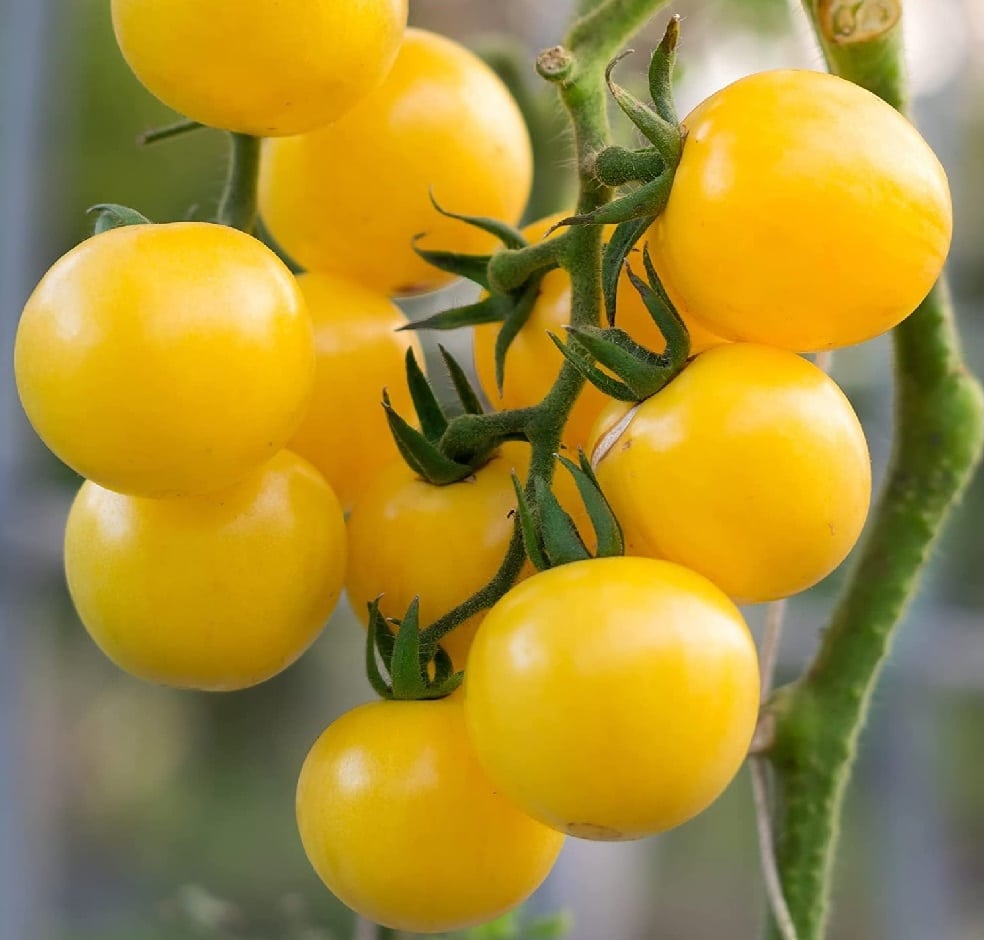
This guide covers choosing among the many options for compact cherry or grape tomato plants, recommended containers and soilless media, easy trellising techniques as well as how much light and nutrients these heavy feeders demand. Learn preventative care, ensuring prolific fruiting over a span of months. Get tips of maximizing the quantity of flavorful and nutrients-dense cherry tomatoes indoors or out on terraces with the right cultivation methods.
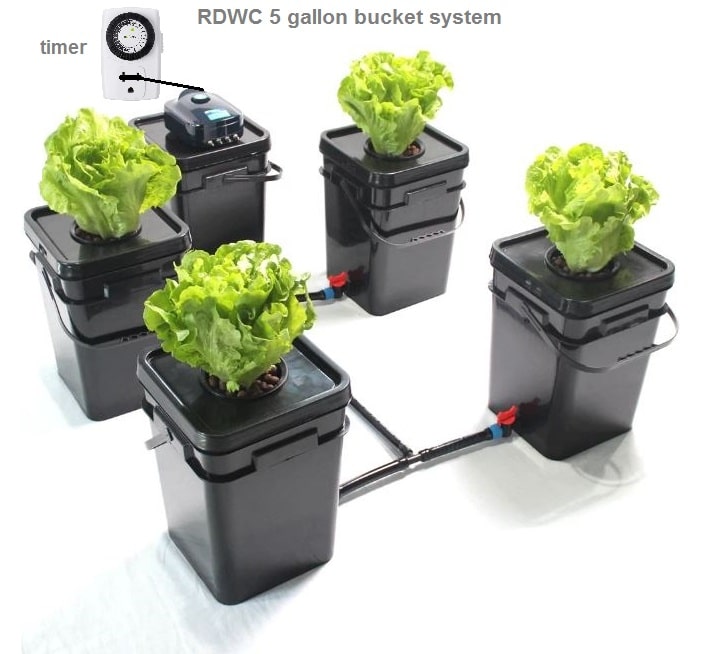
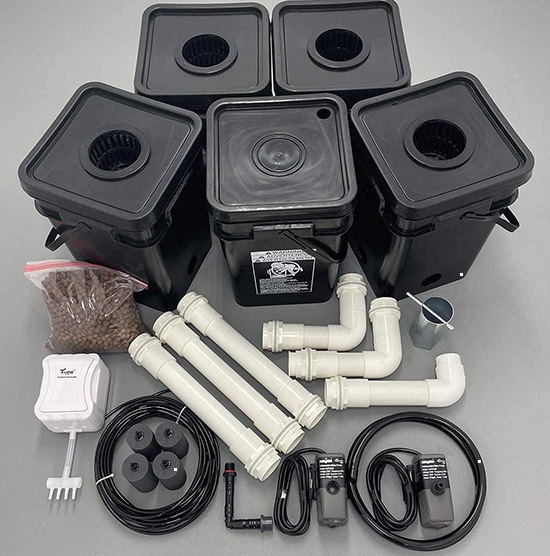
- Reservoir Bucket Connected to 4 Grow Buckets
- 400 Gallon/hour Circulating Pump
- Large 5 gallon square buckets, pre-drilled
Types of Cherry Tomatoes
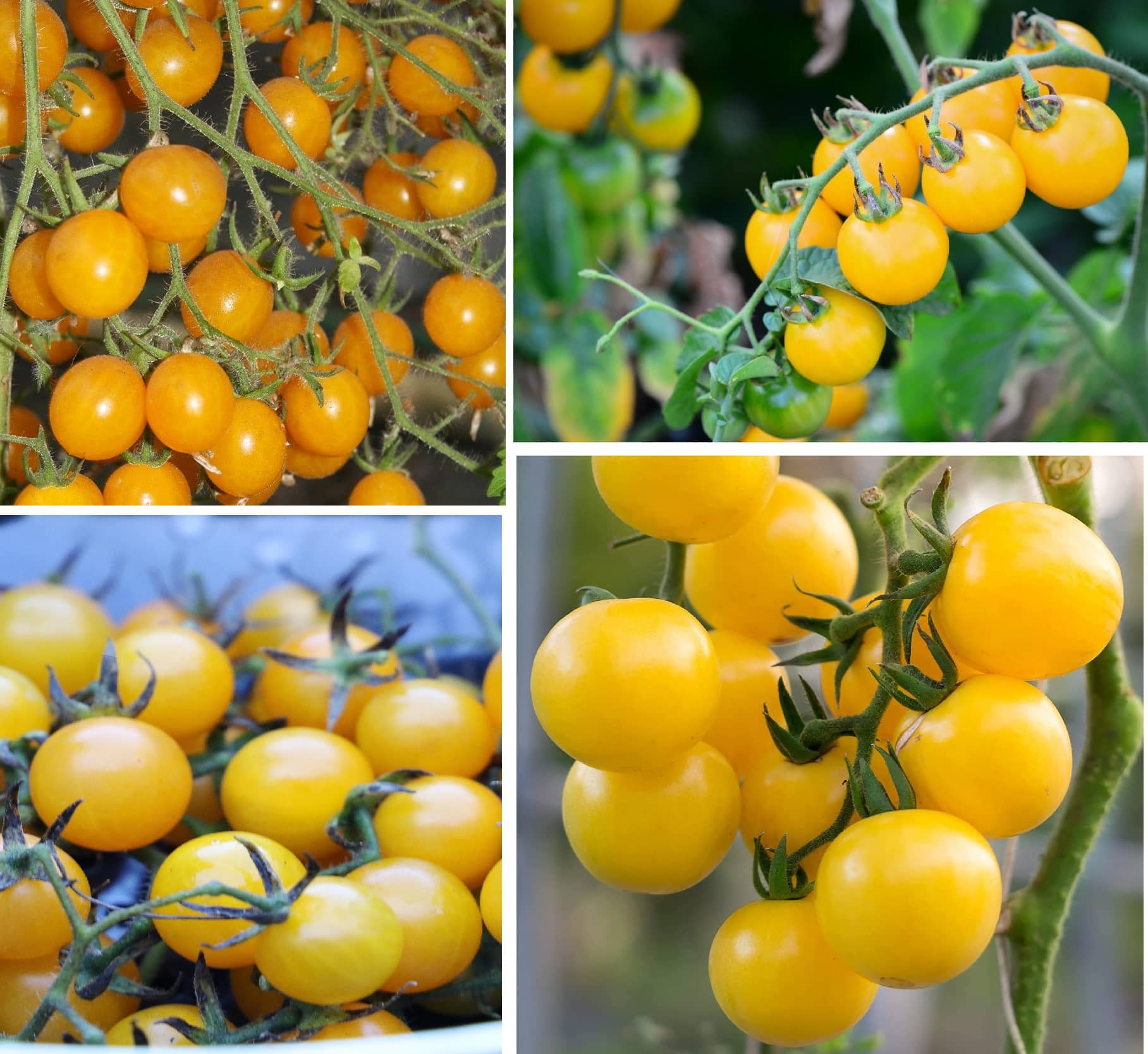
Img: 4 examples of Yellow Cherry Tomatoes
There are hundreds of cherry and grape tomato varietals featuring an array of colors, flavor nuances, and growth habits. Choosing proven compact types ensures success whether cultivating in garden beds or containers. The most prolific, disease-resistant cherry tomato strains will reward growers through an extended harvesting period.
Baby Boomer
An aptly named dwarf variety, Baby Boomer produces abundantly on very compact, multi-branched plants reaching just 2 feet tall. The bright red fruits reliably grow to pea size, making them a true grape tomato. What Baby Boomer lacks in individual fruit size, it makes up for in clustered production off short racemes. Each stem can present 40 or more ripe tomatoes at once for easy picking.
The determinant bush structure needs no pruning and withstands weather fluctuations well. Baby Boomer resists cracking or dropping fruit before ripening. While the taste skews more towards mild instead of sharp sweetness, productivity satisfies with little effort. Best of all, the dwarf habit makes overwintering successful indoors.
Black Cherry
Valued for unique coloration and enhanced nutrients, Black Cherry fruits deliver darker pigments, especially anthocyanins and polyphenols. The rich black-red skin and flesh comes from natural mutations producing extra antioxidant levels, boosting cherry tomato health benefits. Beneath the exotic exterior lies a classic balance of sugar and acid for full-bodied flavor teetering between juicy plum and cherry types.
Compact at under 3 foot vines, Black Cherry grows well in hanging pots. Yields range high from lengthy clustered stems holding 30-plus petite oval fruits. Some tendency towards splitting skin during rainy periods makes Black Cherry better suited to indoor and greenhouse growing rather than outdoor beds. The thin skin also lends delicate fruits a very short shelf life unless eaten immediately after harvest.
Sungold
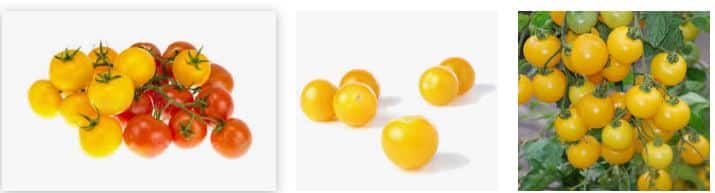
Img: 3 examples of Yellow Cherry Tomatoes
No cherry tomato selection surpasses Sungold in sweetness, the benchmark for exceptional flavor. These sunny orange globes declare summer, with tart-tinged sugar bursting in every bite. The F1 hybrid Sungold delivers big harvests on vigorous vines reaching up to 5 feet without support or pruning. Growers willing to wrangle and stake Springold get paid back with the earliest yields among cherries.
The frail skin of Sungold requires gentle handling and consumption soon after picking to prevent splitting open. Chowing these candy-like tomatoes right off the vine makes for sublime snacking. For such thin skin, Sungold shows admirable disease resistance in high humidity and rain. Just mind the soft fruits in windstorm conditions. Grow one plant or several, Sungold always satisfies any craving for sweet-and-sour cherry tomatoes.
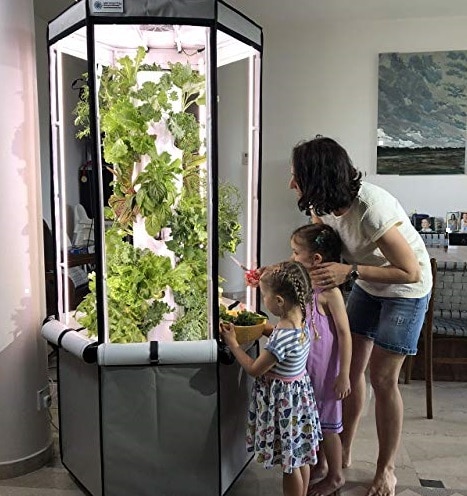
- Easy to use aeroponic system for your home
- Fan - Grow Lettuce, Herbs, Veggies & Fruits
- Grow smart & eat healthy, 20 gallon water reservoir Grow Tent, LED Grow Lights
How to Grow Cherry Tomatoes From Cuttings
Propagating cherry tomatoes from cuttings allows growers to multiply prized plant varieties cost-effectively. Cloning preserves flavors and growth habits through successive generations, without variation issues from saved seeds. With proper tools and attentive aftercare, home gardeners can successfully root tomato cuttings for bountiful harvests.
Stuff You Need
Starting cherry tomato plants from cuttings requires just a few supplies. Have ready clean containers like drained yogurt cups or tall glasses to house individual cuttings. Use sharp, sterile gardening shears or pruners to make a smooth cut that will heal rapidly.
Rooting hormone powder encourages cell division and cluster formation while discouraging rot fungi during the cloning process. Place cuttings by a bright, indirect light source where they are not touching glass panes, which could cause burns. Sprinkling bottom heat across the rooting zone from heating mats also speeds development.
Gather these materials before beginning cuttings to ease the process. Carefully select mother plants and location for cuttings to develop undisturbed over a 10-15 day rooting period. Avoid direct sunlight shining through glass onto emerging foliage. Bottom heat maintains 70-80°F, accelerating callous formation and root initiation.
Selecting What to Cut
Time cuttings for early morning before heat and sunlight sap plant energy reserves. Target young but firm lateral shoots around 4–6 inches in length showing a couple mature leaves. The stem bottom should snap cleanly rather than bend limply when tested. Make cuts at a 45-degree angle right below leaf nodes using sterile pruners. These nodes emit chemical triggers for clustering roots.
Always keep 1-2 full leaves but trim their tips, minimizing moisture loss through transpiration. Avoid flowering stems, redirecting energy away from root production. Select only stems emerging from the top quarter of vigorously growing mother plants, presenting no flowers or fruits. Healthy young shoots offer high regenerative capacity, amplified by rooting gels.
Put the Cuttings in Water
First dip each angled stem into rooting gel coating an inch up from the bottom. Tap off any excess powder before nestling into containers filled with room temperature filtered or distilled water only. Harsh additives harm stem tissues intended to transform into roots. Refresh liquid every few days as cuttings absorb elements needed for building cells and vascular threads.
Avoid cramming many cuttings together, even if containers have ample room. Crowding risks faster transmission of decay pathogens between stems in proximity. Give each cutting sufficient individual space, as incubating roots remain delicate to invading microbes.
Transplant
Inspect the submerged stem base each week for white nodules signaling new root initials. Be patient – tomato cuttings take 10–15 days before sufficiently rooted for transplanting into starter soilless mix. Gently loosen any matted new roots carefully to avoid snapping delicate strands. Select only vigorously growing cuttings, avoiding any sagging or wilting.
Transplant healthy cuttings at the same level stems grew from water, keeping emerging roots covered but not buried too deep. Compact mix gently around stems and water lightly to settle around new root systems. Acclimate baby clones slowly to outside conditions before putting into garden beds. Shelter transplants another week, allowing more secondary root establishment, conferring resiliency.
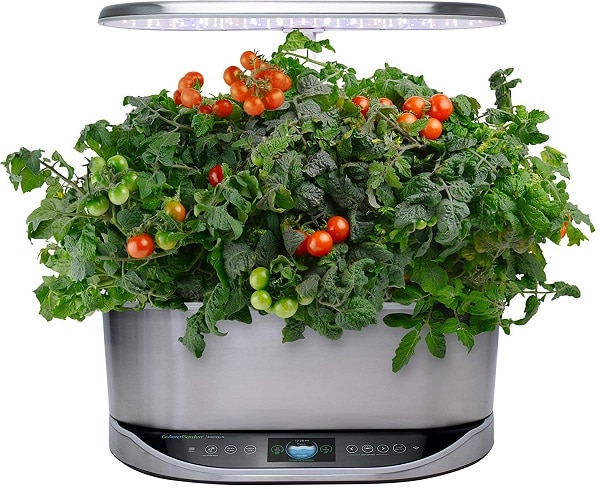
- WiFi and Alexa Compatible, Stainless Steel Grow up to 9 plants, up to 24duim
- Includes everything you need to grow
- 50 watt LED Grow Lights, perfect spectrum for fast growth & big harvests
Cherry Tomato Plant Care
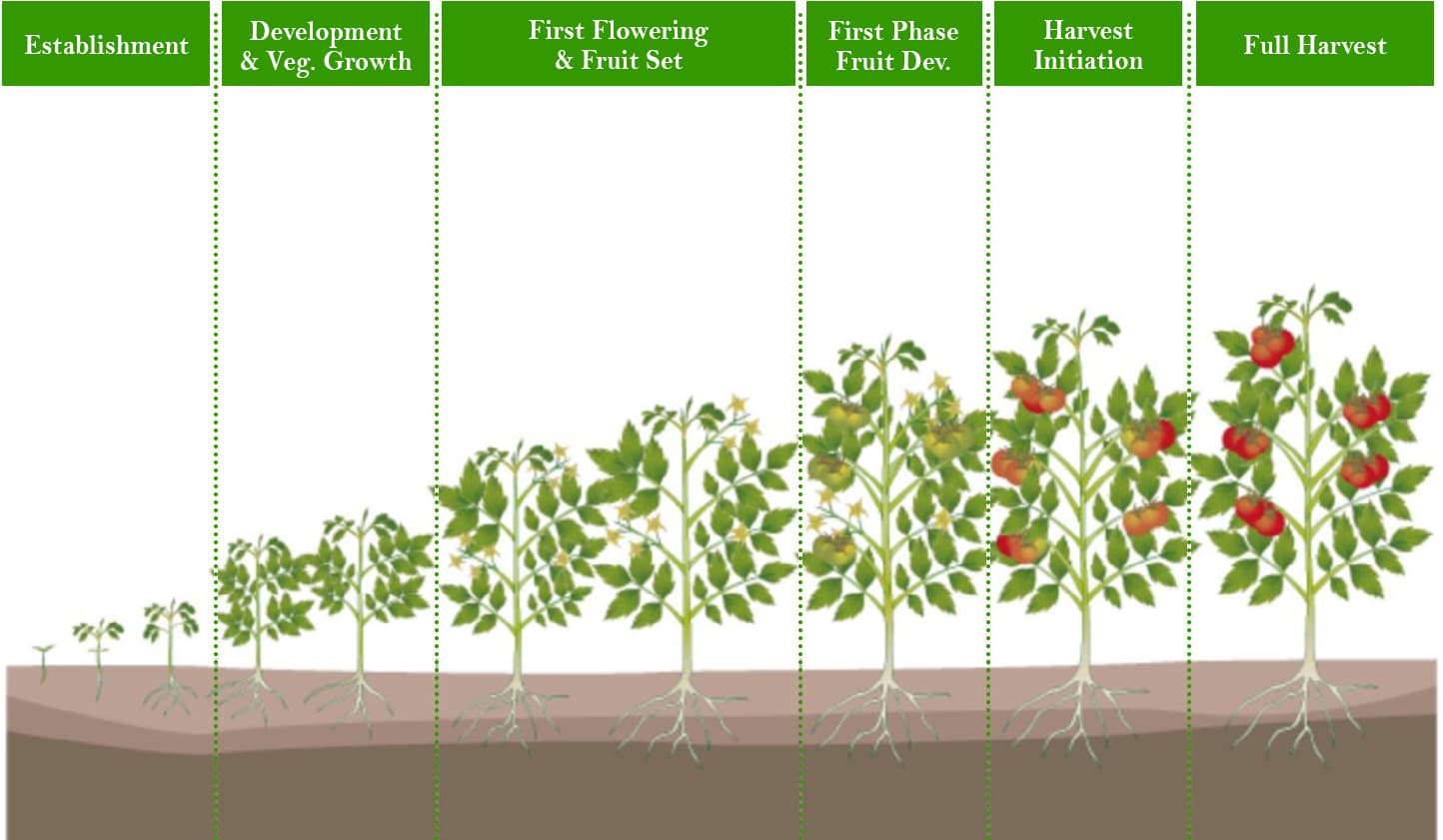
Img: Tomato development stages detail schema
Providing the right care for your cherry tomato plants is essential for them to thrive and produce an abundant harvest. There are a few key things to focus on: soil, water, and temperature/humidity.
Soil
Cherry tomato plants need nutrient-rich, well-drained soil. A potting mix formulated specifically for tomatoes is ideal, as it will provide the right pH and nutrient content. Make sure the soil in your container or garden bed allows for adequate drainage to prevent soggy roots. You can also mix in a slow-release tomato fertilizer at planting time to give your plants a boost.
Add compost or manure to enrich the soil over time. Top dress around your plants with more compost or fertilizer every 4–6 weeks during the growing season. This will replenish nutrients that the plants take up.
Water
Cherry tomato plants need consistent moisture, about 1–2 inches per week. Water at the base of plants, taking care not to splash water on the leaves, which can promote disease. Allow soil to slightly dry out between waterings. Use a mulch around plants to help retain soil moisture.
During fruit set and harvest, blossom end rot can be an issue caused by inconsistent watering. Keep soil moisture steady to prevent this disorder. Monitor soil and plant appearance daily to determine water needs.
Temperature and Humidity
Cherry tomato plants thrive in warm weather, ideally with daytime temps of 70-85°F and 60-70°F at night. Provide sun protection if temps exceed 90°F. Low humidity can also impact pollination and fruit set. Maintain 40-50% humidity around plants.
Move container plants or use row covers to provide frost protection if overnight temps drop below 55°F. Cherry tomato growth declines below 60°F and stops altogether when cold weather sets in.
Fertilizer
Cherry tomato plants need consistent fertilization to support their vigorous growth and high yields. Use a balanced vegetable fertilizer or one formulated specifically for tomatoes. Apply at planting time, then every 2–4 weeks once plants are established.
Organic options like compost tea, fish emulsion, worm castings, or manure can also be used. Rotate different organic fertilizers to provide a diversity of micronutrients over the season. Always follow label instructions carefully when applying any fertilizer to avoid plant damage from over-feeding.
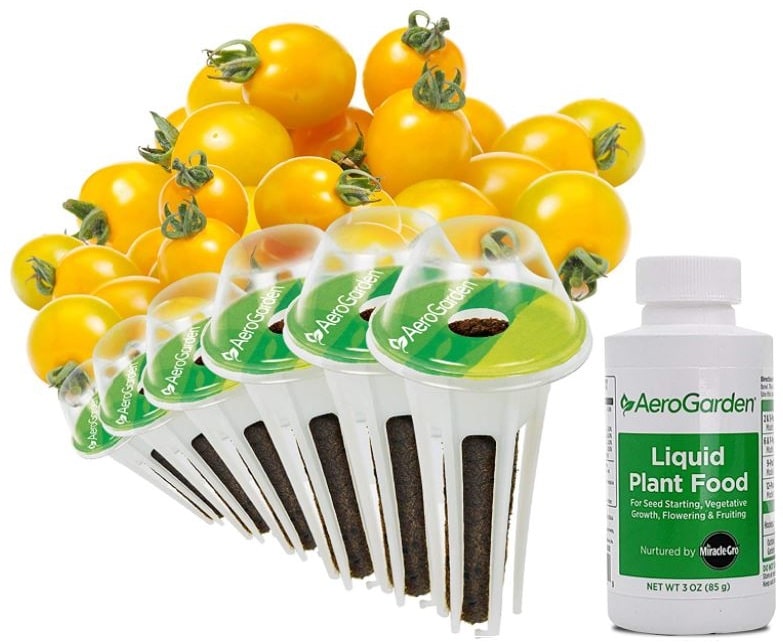
- 6 pre-seeded Golden Cherry Tomato Grow Pods;
- COMES WITH EVERYTHING
- GERMINATION GUARANTEE - 100 Percent
Pruning
Pruning cherry tomato plants is not strictly necessary, but can be beneficial. Pruning to remove suckers (shoots between main stems and branches) helps direct more energy into the main plant structure and fruit production. Allow 2-3 main stems to develop.
Pinching off the top few leaves above the topmost flower cluster when plants reach the desired height will also focus the plant’s energy on ripening fruit. Just be careful not to over-prune. Leave ample healthy foliage to support photosynthesis.
Pollination
Cherry tomato flowers are self-pollinating, but also benefit from wind or bee activity that shakes pollen free. Poor fruit set is often due to inadequate pollination, especially in greenhouses or covered gardens.
Gently shaking plants daily or using an electric toothbrush along the stalks and underside of leaves will distribute pollen. Maintaining good air flow and raising humidity around plants also aids pollination. As a last resort, try hand pollinating with a small brush.
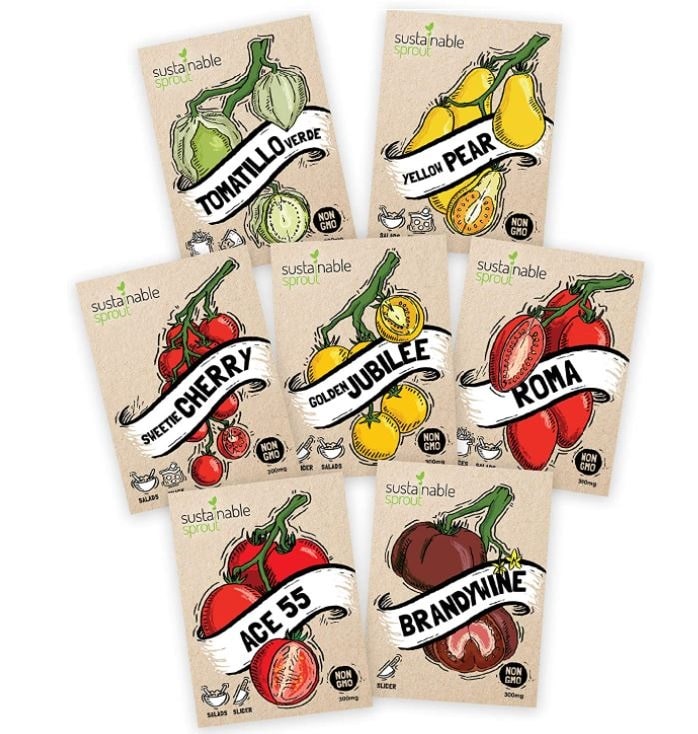
- Cherry, Brandywine Beefsteak, Yellow Pear, Golden Jubilee...
- Heirloom Tomato Seeds for Your Organic Garden
- MOST POPULAR tomato seeds in one kit! 100% Non GMO
Harvesting and Storing Cherry Tomatoes
Cherry tomatoes reach peak ripeness on the vine, offering the sweetest flavor and texture when harvested fully ripe. Check your cherry tomato plants daily once fruit begins to develop a red blush. Gently twist and pull ripe cherry tomatoes off the vines, being careful not to damage the plant.
For the best flavor, allow cherry tomatoes to ripen fully on the plant before harvesting. However, once cooler nighttime temperatures set in late summer, harvest all remaining fruit even if not completely ripe, as prolonged exposure to cold can damage quality.
After harvesting, cherry tomatoes will hold well on the counter for 2–3 days before beginning to soften. To extend storage life longer, keep freshly picked cherry tomatoes loosely packed in a shallow container or basket in the refrigerator. While cool temps can diminish flavor, this can keep them edible for up to 10–14 days.
For longer term preservation, consider canning, freezing, dehydrating or pickling your bountiful cherry tomato crop at the end of the season. Properly canned or frozen cherry tomatoes will hold quality for 6–12 months.
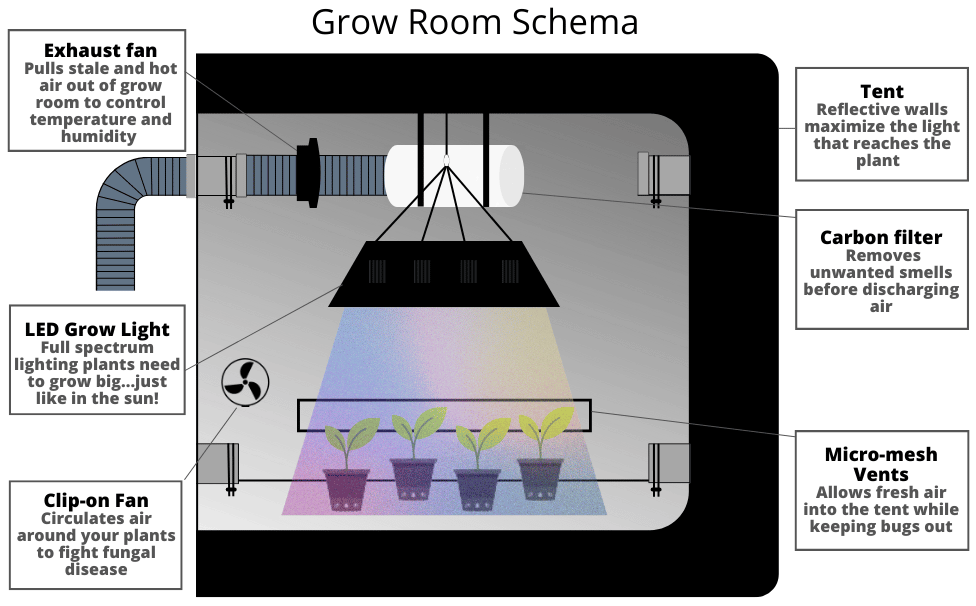
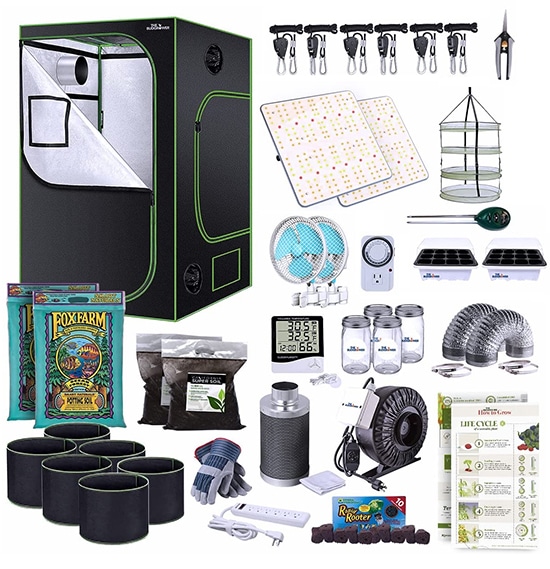
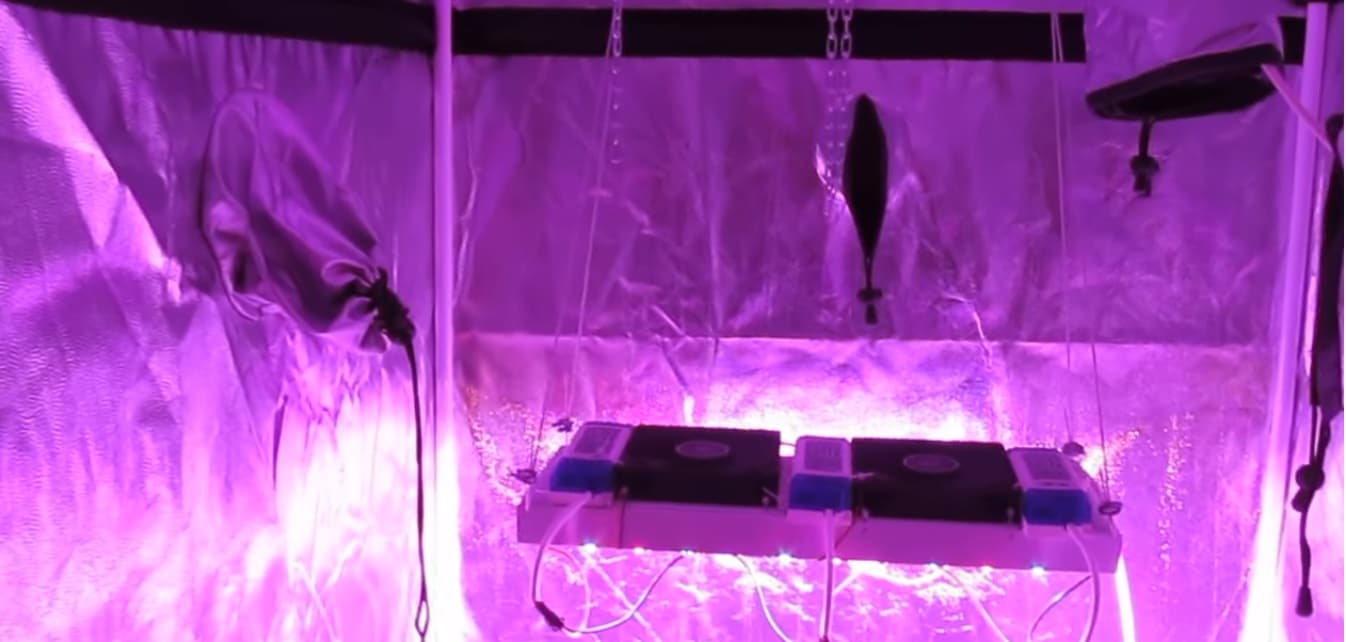
- LED lights specialty manufactured by VIVOSUN with Samsung LM301 diodes for FULL spectrum light
- The industries most durable grow tent – heavy duty 1680d oxford cloth
- Money & energy saving complete home grow tent kit
Troubleshooting While Cherry Tomatoes Growing
Growing bountiful crops of sweet cherry tomatoes can be easy and rewarding when things go smoothly. However, issues occasionally arise that require troubleshooting to get your plants back to peak health. Common problems range from environmental growing issues, to pests, to plant diseases.
Growing Problems
Cherry tomato plants need consistent moisture and nutrition to flourish. Wilting or yellowed leaf margins late in the season often indicate insufficient water or nitrogen. Cherry tomatoes also desire at least 6–8 hours of sunlight—those grown in too much shade stretch and fail to properly fruit.
If leaves are curling or new growth becomes distorted, inadequate calcium could be to blame. Correct any suspected nutrient deficiencies with a balanced fertilizer, or add lime to the soil if pH is too low. Maintaining optimal growing conditions prevents many problems.
Pests
A few common garden pests attack cherry tomato plants. Aphids congregate on stems and undersides of leaves, sucking plant juices. Simply spraying them off with water can control light infestations. For heavy infestations, use insecticidal soap sprays targeting the bugs.
Tomato hornworms devour foliage and damage fruit. Hand pick these large green caterpillars off plants if spotted. Also watch for tiny whiteflies that drink plant sap, causing yellow speckled leaves. Use sticky traps to monitor for the nearly invisible adults.
Diseases
Prevent disease issues by improving air circulation and irrigation practices. Fungal problems like early blight and septoria leaf spot often start on the oldest leaves. Prune infected leaves and destroy them. Serious soil-borne diseases require crop rotation the following year.
Blossom end rot leads to sunken black spots on the bottom of fruit. It results from erratic soil moisture levels. Maintain consistent watering and add calcium supplements if soil is deficient. Catching diseases early allows for corrective action to still save the cherry tomato crop.
Frequently Asked Questions
When is the best time to plant cherry tomatoes?
The ideal planting window for cherry tomatoes is 1–2 weeks after the average last spring frost date for your local area. Cherry tomato plants need warm soil and air temperatures around 60-80°F to thrive. Planting too early when nights are still cold can slow growth and delay tomato production. Wait until day and night temperatures have warmed up to give your cherry tomato seedlings the best start.
What type of soil do cherry tomatoes need?
Cherry tomatoes thrive in nutrient-rich, well-drained soil with a pH between 6.0-6.5. Work aged compost into your garden bed before planting to enrich the soil with organic matter. You can also mix in a balanced vegetable fertilizer or use nitrogen-phosphorus-potassium ratios tailored for tomatoes. Soil drainage is especially important to prevent fungal issues, so choose elevated garden beds or raised beds if your yard tends to collect water.
How far apart should I space my cherry tomato plants?
Space your cherry tomato plants 18–24 inches apart in all directions. Rows should be separated by at least 3 feet to allow for air circulation and plenty of sunlight exposure. Since cherry tomato vines can grow over 5 feet long, install tall cages or stakes right after transplanting seedlings. As the plants grow, gently tie main stems to supports every 8–12 inches with soft plant ties or twine. Proper spacing and support improves plant health.
How much sunlight do cherry tomato plants need?
Cherry tomato plants require a minimum of 6–8 hours per day of direct sunlight, but 8+ hours is best for maximum fruit production. Choose the sunniest part of your vegetable garden and avoid planting near structures that could shade plants during peak sunlight hours. If your yard lacks sufficient sun exposure, supplement with grow lights to provide extra brightness for several hours per day.
How often, and how much, should I water cherry tomatoes?
Cherry tomatoes need about 1–2 inches of water per week from irrigation and rainfall combined, adjusting as needed based on soil type. Water at the soil level rather than overhead to keep foliage dry and prevent disease issues. Maintain consistent moisture in the top 6 inches of soil, increasing frequency during the heat of summer. Drip irrigation and soaker hoses are excellent controlled watering options.
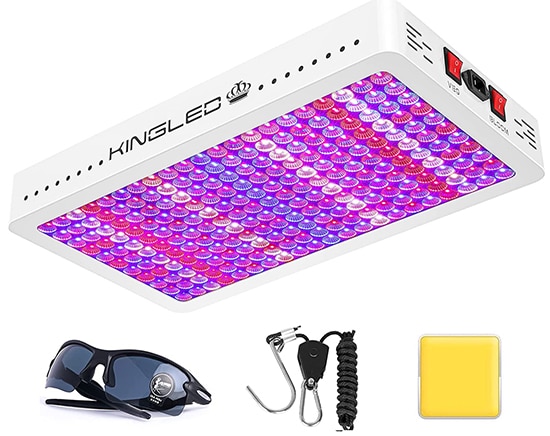
- Coverage Full Spectrum Grow Lights
- For Indoor Hydroponic Plants Veg Bloom
- 3 years Professional Service and free return for 90 days