Camping should be an escape into the wild, an opportunity to disconnect, relax, and enjoy nature. But all too often, mistakes, big and small, turn what could be a memorable adventure into a nightmare. The last thing you want is for your weekend getaway to be ruined by avoidable errors.
From bad weather to forgotten essentials, some simple slip-ups can escalate quickly when you’re far from home. Here are the top 10 camping mistakes you must avoid, so your next trip remains stress-free, safe, and unforgettable.
Overpacking
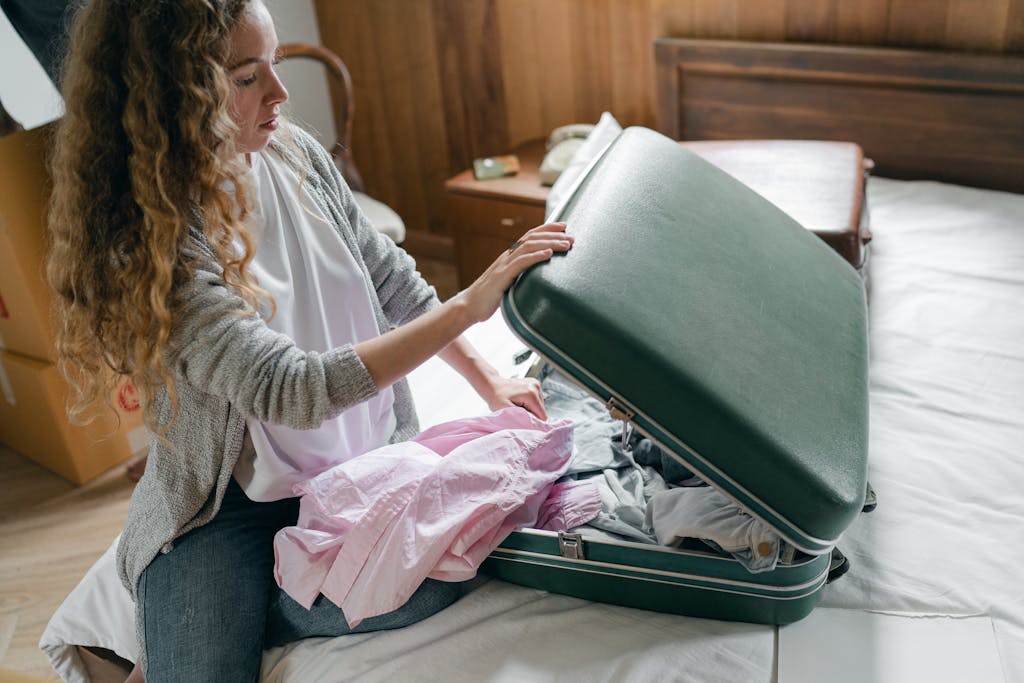
Packing too much gear makes your trip feel more like a burden than an escape. Hauling extra weight around, whether it’s unnecessary clothes or gadgets, will tire you out and make every task feel like a chore. It can also clutter your campsite, making it harder to move around.
Pack smart, not excessively. Take only what you need and keep your pack light. Focus on the essentials like food, water, shelter, and safety items. Think about the weight of each item and whether it’s truly necessary for your trip.
Mismanaging the Fire
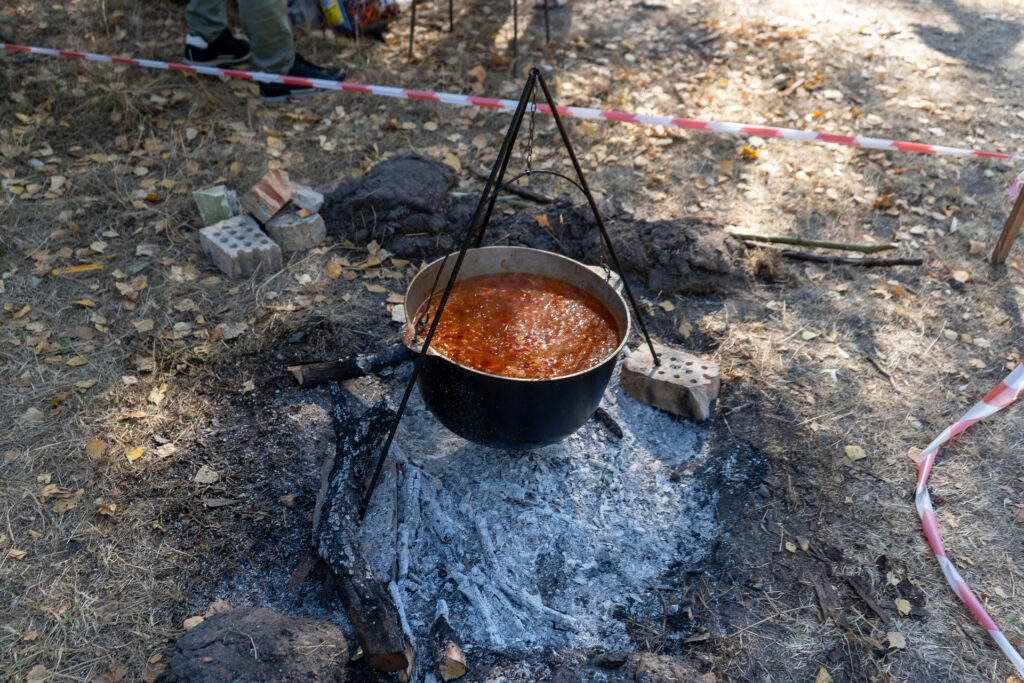
Campfires are a classic part of the camping experience, providing warmth, cooking, and a good old-fashioned gathering place for stories and songs. But a fire left unattended or improperly extinguished can lead to disaster. Campfires can spread quickly and cause wildfires, and improperly handling them can lead to burns or other injuries.
Always follow the campground’s fire guidelines. Never leave a fire unattended, and make sure it’s completely out before you leave it. A campfire should be cold to the touch, and you should douse it with water to ensure there are no smoldering embers left.
Leaving Food Exposed
It might seem harmless to leave your snacks or leftover food out overnight, but in reality, you’re just inviting wildlife to your campsite. Bears, raccoons, squirrels, and even birds are opportunistic feeders and will take any chance they get to raid your food supply. Once they associate your campsite with food, you’re in for a restless night (or worse).
Store food in airtight containers, and if your campsite doesn’t provide bear lockers, consider investing in bear-resistant food storage bags or canisters. Always keep your food out of reach from wildlife; this means no food left in tents or in coolers that are easy for animals to access. Make sure to clean up thoroughly after meals and dispose of trash properly.
Trusting Gear You Haven’t Tested
There’s nothing worse than showing up at your campsite and realizing your tent doesn’t fit, your stove won’t light, or your sleeping bag has a hole. This is the reality for too many campers who make the mistake of bringing brand-new gear straight to the wilderness without a trial run. The outdoors will expose every flaw in your equipment, and what seemed like a great idea at home quickly turns into a major inconvenience.
Always test your gear before you leave home. Set up your tent in the backyard or even in your living room to ensure everything is complete and functional. Light your kitchen stove and check the batteries in your flashlight. The last thing you want is to find out your gear isn’t up to the challenge once you’re out in the wild with no way to fix it.
Ignoring Changing Weather
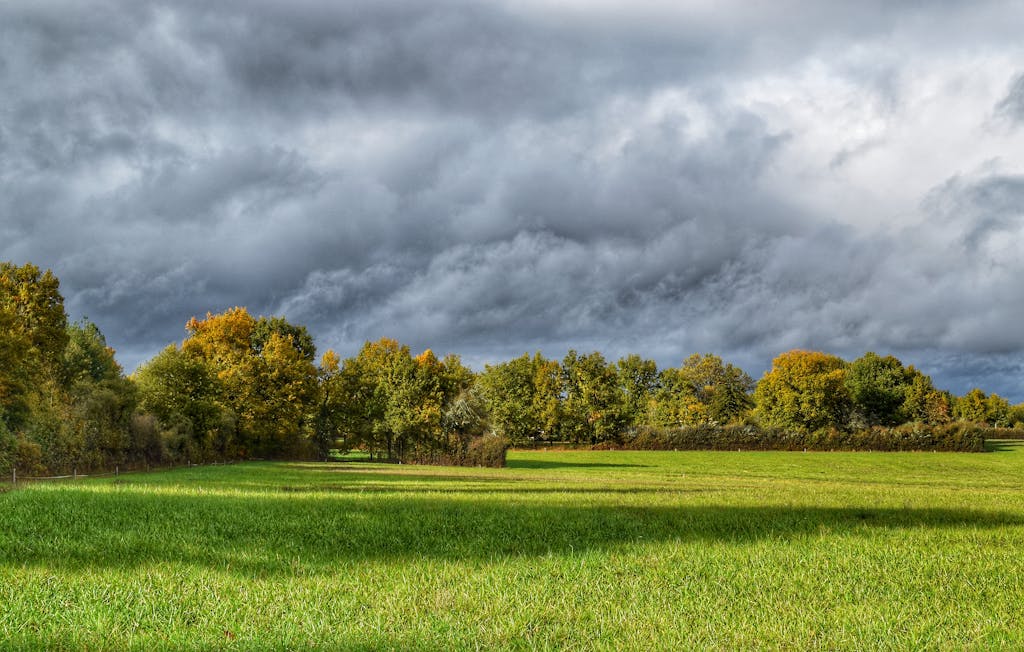
The weather in the great outdoors can change in the blink of an eye. A sunny morning can turn into a torrential downpour by afternoon, and those perfectly clear skies you planned your activities around can become overcast and cold by evening. If you’re not prepared for those quick shifts, you’ll find yourself cold, wet, and uncomfortable in a hurry.
Always check the weather forecast in the days leading up to your trip, and pack for all possibilities. Layer your clothing so that you can adjust to different temperatures, and bring waterproof gear like a rain jacket and boots. Also, remember that even on good-weather days, temperatures drop at night, so always pack a warm jacket or fleece to stay cozy when the sun goes down.
Forgetting Essentials
Packing for a camping trip is easy to get excited about, but it’s also easy to forget the essentials. Toilet paper, a first aid kit, and a working flashlight are the items that seem insignificant until you need them. It’s tempting to overpack the fun items, like games or extra layers for warmth, but without the basics, your trip could take a dangerous turn.
Follow a checklist for your camping essentials. The National Park Service recommends packing 10 key items, including a map, extra water, first-aid supplies, and emergency tools. If you don’t already have a list, make one before your trip and stick to it. Ensure that your basics are always packed and ready to go.
Ignoring Campground Rules
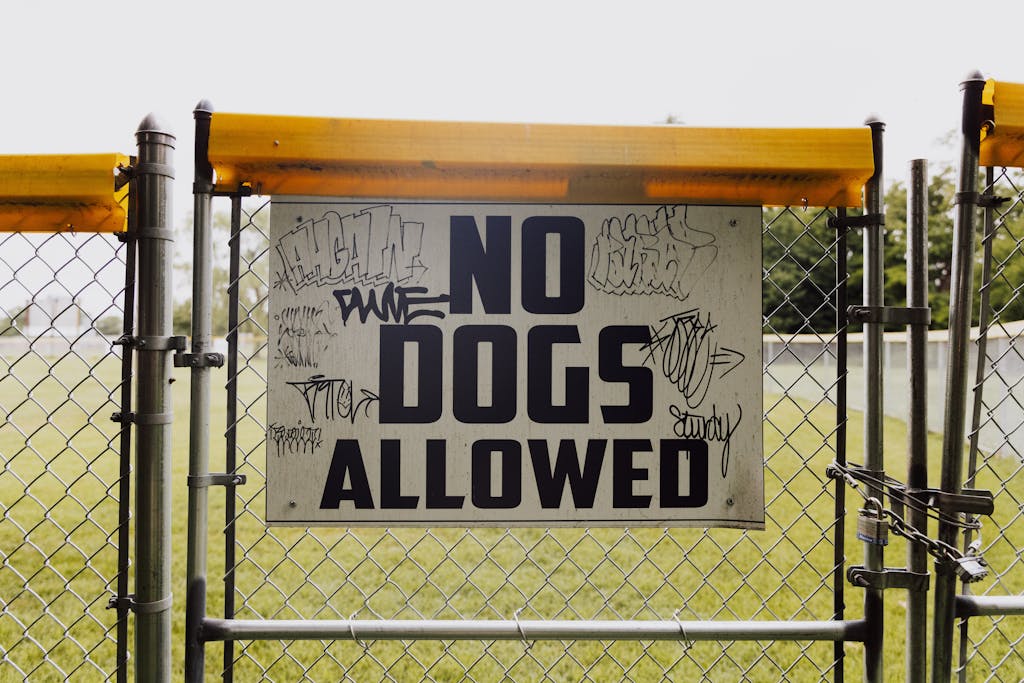
Campground rules are not just guidelines; they’re designed to keep you safe, protect the environment, and maintain order at your campsite. Skipping the rules can not only put you and others at risk but also lead to fines or even being kicked out of the campground. Rules around campfires, food storage, and noise are there for a reason.
Before heading to your campsite, make sure you read up on the campground’s specific rules. Respect fire restrictions, keep noise levels down, and follow all guidelines for trash disposal. By being a responsible camper, you’ll help preserve the park and make your trip more enjoyable for everyone else.
Arriving Too Late
There’s something magical about arriving at a campsite in daylight, when you can leisurely unpack and get everything organized. Arriving after sunset, on the other hand, is a recipe for stress. You’ll be scrambling to pitch your tent in the dark, your gear will be scattered around, and you’ll miss out on vital time for planning meals or enjoying the surroundings.
Make it a priority to arrive at your campsite with plenty of daylight left. This gives you time to scope out the area, set up camp, and enjoy the evening. It also ensures you won’t be caught off guard by unforeseen challenges, like trying to set up in unfamiliar terrain with limited visibility.
Underestimating Water and Food Needs

Dehydration and hunger can sap your energy quickly. It’s easy to assume you’ll have enough water and food to last, but things often take longer than expected. Hiking distances can feel longer, the heat can be more intense, and your body can burn more calories than you anticipate.
Always pack extra food and water, even if you think it’s overkill. The National Park Service recommends carrying at least one gallon of water per person per day for hiking trips. If you’re staying longer, bring backup rations. Keep extra snacks in your pack and make sure your water source is reliable, if you’re relying on streams, bring a filter.
Leaving Trash Behind
Leaving trash behind is not only disrespectful but can also have lasting consequences for the environment. Wildlife can ingest harmful materials, and litter can pollute rivers, lakes, and forests. Plus, no one wants to arrive at a campsite that looks like a landfill.
Follow the Leave No Trace principles and clean up your campsite thoroughly before leaving. Pack out all your trash, and make sure you leave the site looking better than you found it. If you’re using a fire pit, make sure to clean it up and dispose of waste properly.