Your home may look clean, but germs do not care about appearances. They hide in the quiet places you touch every day, the kitchen tools you trust, and the bathroom items you barely think about. The unsettling part is that some of the dirtiest spots are not the obvious ones. They are the things you use to clean, cook, relax, and start your morning.
A Listverse roundup highlighted common household hotspots where bacteria, mold, yeast, staph, salmonella, E. coli, and even fecal matter can collect. The CDC also advises cleaning high-touch surfaces regularly, especially items like light switches, handles, countertops, faucets, and sinks. The good news is simple: once you know where the grime hides, you can stop giving germs free rent.
Dish Sponges

The kitchen sponge may be the most suspicious object in the house. It spends its life wiping down plates, counters, and pans, yet it often stays damp for hours. That warm, wet environment turns it into a tiny germ hotel sitting beside your sink.
Listverse reported that dish sponges can contain staggering amounts of microorganisms, with one cited estimate reaching hundreds of millions per gram. It also noted that sponges can harbor Salmonella, E. coli, fecal matter, yeast, mold, and staph. Replace sponges often, let them dry between uses, and stop treating one sponge like it can clean the whole universe.
Toothbrush Holders

The toothbrush holder looks harmless because it sits beside something associated with cleanliness. That is exactly why people forget about it. Toothpaste residue, moisture, bathroom air, and poor ventilation can turn it into one of the nastiest little containers in the room.
Listverse noted that toothbrush holders can collect mold, yeast, staph, coliform bacteria, and fecal-containing matter, especially when they sit near the toilet. The problem is not just the holder itself. It is the fact that your toothbrush comes into contact with it before going into your mouth. Wash the holder regularly with hot, soapy water, let it dry fully, and keep toothbrushes away from the toilet spray when possible.
Cutting Boards
A cutting board can look clean and still hide trouble inside tiny knife scars. Raw meat, seafood, vegetables, fruit, and hands all meet on that same surface. If the board is not cleaned properly, bacteria can settle into grooves where a quick rinse will not reach.
Listverse reported that cutting boards can harbor coliform bacteria, yeast, and mold, and cited the alarming claim that they may be far more likely than toilet seats to harbor fecal bacteria. Use separate boards for raw meat and ready-to-eat foods when possible. Plastic boards can often go in the dishwasher, while wooden boards need careful washing, drying, and maintenance.
Kitchen Sinks
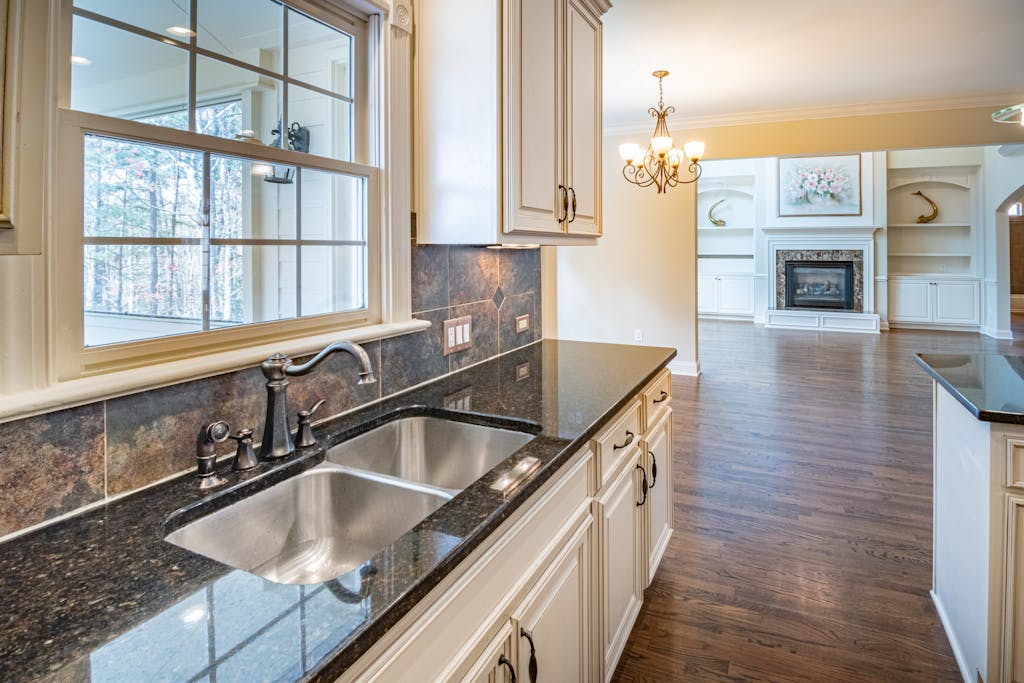
The kitchen sink has a clean reputation because water and soap run through it all day. That reputation is misleading. Food scraps, raw meat juices, dirty dishes, damp drains, and sponge residue can make the sink one of the germiest places in the home.
Listverse reported that an average kitchen sink can hold thousands of microorganisms per square inch and may contain more E. coli than a toilet. That sounds disgusting because it is. Scrub the basin, faucet area, drain, and handles regularly, then disinfect when needed, especially after washing raw meat tools or handling messy food prep.
Coffee Makers
Your coffee maker helps you wake up, but it may also be quietly growing things you do not want near breakfast. Reservoirs hold water. Internal parts stay damp. Old coffee oils, mineral buildup, and neglected corners create the perfect setting for grime.
Listverse cited a study where 50% of coffee makers tested had mold and yeast, along with bacteria such as Staphylococcus, Streptococcus, and Bacillus cereus. The water reservoir is a major concern because people forget it exists until the coffee tastes strange. Clean removable parts often, descale the machine as directed, and do not let water sit in the reservoir for days.
Stove Knobs
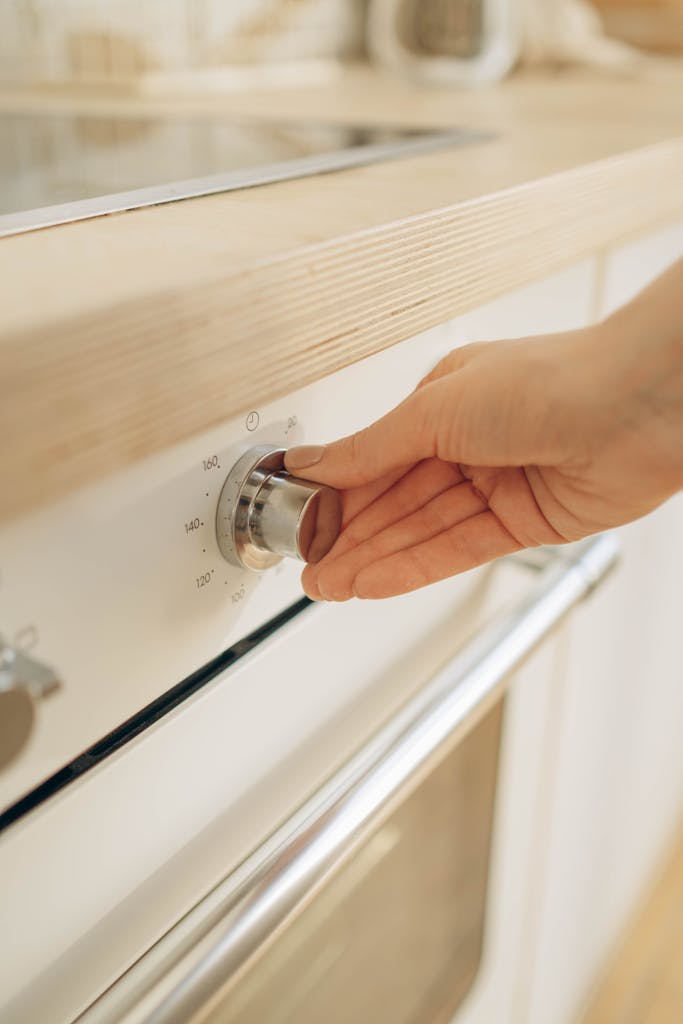
Most people wipe the stovetop when sauce splatters or oil pops. Stove knobs, however, often get ignored. They are touched before, during, and after cooking, sometimes by hands that just handled raw meat, eggs, or vegetables.
Listverse reported that some stove knobs tested positive for coliform bacteria, mold, and yeast. That makes sense when you think about how often people adjust heat with messy fingers and then move on. Remove the knobs if your stove allows it and wash them with hot, soapy water. If they cannot be removed, wipe them carefully with a safe surface cleaner.
Faucet Handles
Faucet handles are a cleaning paradox. You touch them because your hands are dirty, then you touch them again after your hands are clean. That means germs can move back and forth unless the handles get regular attention.
Listverse noted that bathroom faucet handles can carry thousands of bacteria per square inch, and some sinks tested positive for mold and staph. The CDC recommends cleaning high-touch surfaces regularly, and faucet handles absolutely belong in that category. Wipe them daily if your household is busy, someone is sick, or the bathroom gets heavy use.
Kitchen Counters
Kitchen counters carry groceries, mail, bags, phones, chopping boards, lunchboxes, and the occasional “I’ll clean that later” spill. They may look polished after a quick wipe, but that does not mean they are sanitary. The danger grows when people use a dirty sponge or dishcloth to “clean” them.
Listverse reported that kitchen counters can harbor harmful bacteria and mold, partly because they come into contact with so many parts of daily life. The CDC advises cleaning hard surfaces with soap and water or a product suited to that surface, then disinfecting when needed. Clean counters before and after food prep, especially when raw meat, poultry, eggs, or seafood are involved.
Remote Controls

The remote control is a family handoff device disguised as entertainment equipment. Kids touch it. Adults touch it. Snack-covered fingers touch it. Sick people touch it while binge-watching shows under a blanket. Then it slides between couch cushions and waits for its next victim.
That is not shocking once you remember how rarely people clean them. Use a disinfecting wipe or a slightly damp cloth with an appropriate cleaner, but avoid soaking the device. Pay attention to the buttons, because grime loves hiding around the edges.
Garbage Cans
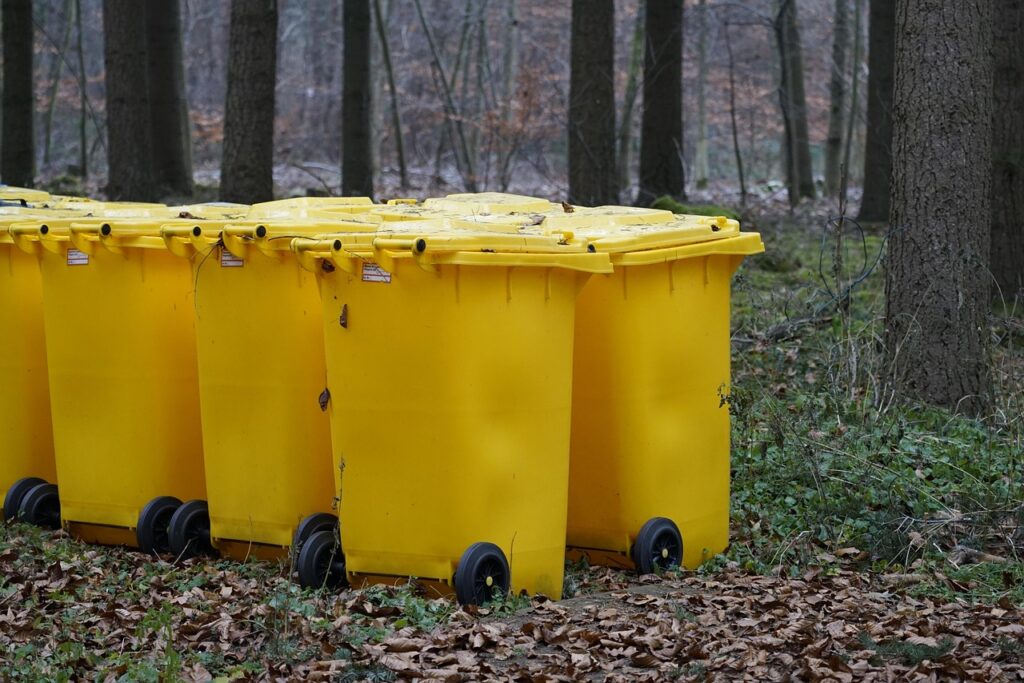
Garbage cans are supposed to hold dirty things, so people expect them to be unpleasant. The mistake is assuming the trash bag protects everything. Bags leak, tear, overflow, and smear residue onto lids, rims, pedals, and the floor around the can.
Listverse estimated that garbage cans can carry hundreds of bacteria per square inch and may support the growth of mold and yeast. Clean the inside, outside, lid, handle, pedal, and the surrounding floor area. A can that smells even after the bag is gone is not “just trash.” It is a cleaning appointment waiting to happen.
The Real Lesson
The dirtiest places in your home are usually not dramatic. They are ordinary, useful, and easy to overlook. Sponges, sinks, toothbrush holders, remotes, faucet handles, cutting boards, and coffee makers become risky because people touch them constantly and clean them casually.
You do not need to turn your home into a sterile laboratory. The CDC says regular cleaning is enough in most situations, with disinfecting added when needed, especially for high-touch surfaces or after illness. The smartest routine is simple: clean what gets touched, dry what stays damp, replace what gets worn out, and stop trusting anything just because it looks clean.