Tomatoes Can Turn Foil Into a Bad Idea

Tomatoes are among the foods you should avoid cooking directly in aluminium foil. Their natural acidity can react with the foil, especially in dishes like roasted tomatoes, tomato-based sauces, baked pasta, or foil packets with fresh tomato slices.
That reaction can leave the food tasting sharp, metallic, or slightly bitter instead of rich and sweet.
Use glass, ceramic, enamel, or stainless steel cookware when tomatoes are the star of the recipe. These materials hold up better to acidic ingredients and help protect the dish’s natural flavour.
If you are making a saucy meal, foil can still cover the pan loosely, but it should not sit directly against the food.
Citrus Fruits Are Too Acidic for Direct Foil Contact
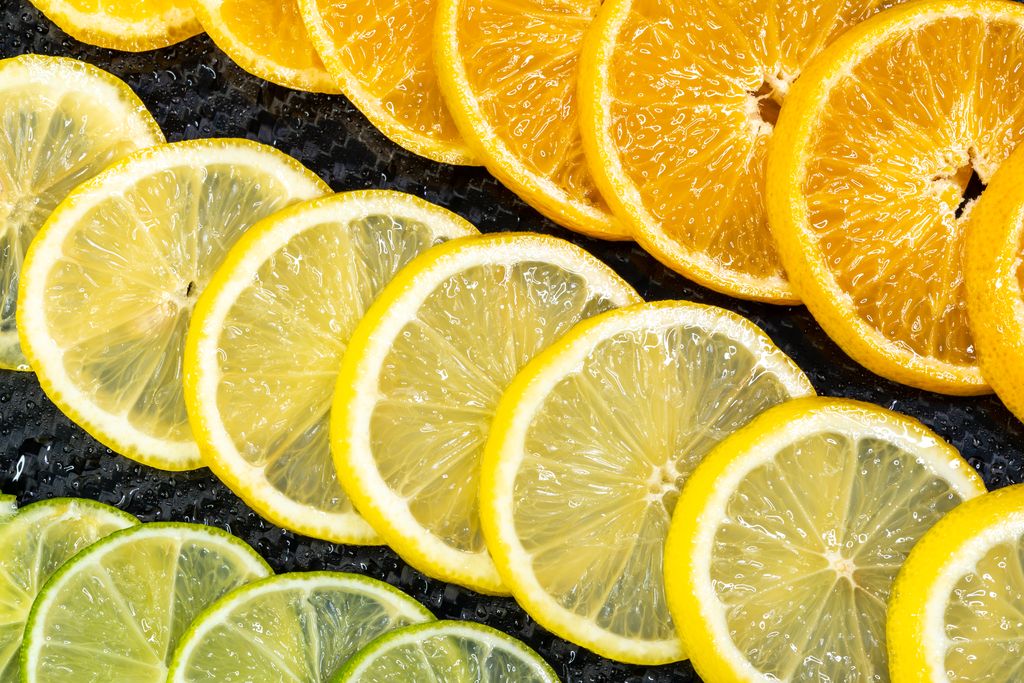
Lemons, limes, oranges, and grapefruits may look harmless in a foil packet, especially with fish or chicken.
The problem is that citrus juice is highly acidic, and that acid can break down the surface of aluminium foil when heat is involved. That is why a bright, lemony dinner can sometimes end up with an unpleasant metallic taste.
A safer option is to place citrus slices on parchment paper before wrapping or baking. You can also cook the food in a glass baking dish and add the citrus flavour without direct contact with foil.
The dish will still taste fresh, but you will avoid the reaction that can ruin the meal.
Vinegar-Based Foods Should Skip the Foil
Vinegar brings bite, brightness, and balance to many dishes, but it does not play nicely with aluminium foil.
Foods like pickles, sauerkraut, kimchi, vinegar marinades, and vinaigrette-coated vegetables can react with foil when heated. That reaction may affect both the food’s flavour and the foil’s condition.
This matters most when the food is sitting in the foil for a longer cooking time. A quick touch may not seem dramatic, but a hot, wet, acidic mixture wrapped tightly in foil is not a great setup.
Glass or ceramic baking dishes are better choices for tangy foods that need heat.
Spicy Foods Can Be Rough on Foil

Spicy foods can cause trouble when they are cooked directly in aluminium foil. Ingredients such as chilli powder, paprika, cayenne, cumin, hot sauce, and pepper-heavy marinades can make foil more likely to break down during cooking.
Add heat and moisture, and the risk of an off-flavour becomes even higher.
This is especially important for grilled meats, spicy vegetables, and foil packet meals. Use a stainless steel pan, a cast iron skillet, a ceramic dish, or a parchment barrier instead.
Your food will keep its bold flavour without picking up a strange metallic edge.
Berries Can Become Mushy and Metallic
Berries may seem perfect for baked desserts, but aluminium foil is not their best partner. Strawberries, blueberries, raspberries, and blackberries contain natural acids that can react with foil when heated.
They also release juices quickly, which can create a wet environment that increases the likelihood of the reaction.
Texture is another problem. Berries can collapse fast when trapped in foil, turning from juicy and bright into a soggy mess. Bake berry desserts in glass or ceramic dishes to keep the flavour cleaner and the texture more appealing.
Rhubarb Is Too Tangy for Aluminium Foil

Rhubarb has a strong tart flavour, and that same tartness makes it a poor match for aluminium foil. When rhubarb is baked or stewed, it releases acidic juices that can corrode foil and affect the taste of the final dish.
That is the last thing you want in a crumble, compote, pie filling, or spring dessert.
Glass, enamel, and stainless steel are much better options for rhubarb recipes. These materials let the fruit soften properly without reacting with the cooking surface.
You get the tangy flavour you want without adding a metallic aftertaste you never asked for.
Apples With Spices Can React Badly
Apples may seem mild, but they can still cause problems when cooked in foil, especially with warm spices. Cinnamon, cloves, nutmeg, allspice, lemon juice, and brown sugar can create a sweet but acidic mixture. When that mixture sits against aluminium foil in the oven, the flavour may shift in the wrong direction.
This matters for baked apples, apple packets, cobblers, and foil-wrapped campfire desserts. Use a baking dish or place parchment between the fruit and the foil. Apples should taste cosy, fragrant, and soft, not like they picked up flavour from the wrapper.
Peppers Are Better Roasted Without Foil
Bell peppers and hot peppers can also be a problem for aluminium foil. Peppers contain natural acidity, and spicy varieties add capsaicin, the compound responsible for heat.
When peppers are roasted directly on foil, especially at high temperatures, they can react with the metal and lose some of their clean flavour.
A sheet pan, grill basket, cast iron pan, or parchment-lined tray is a better choice. Peppers roast beautifully when they have enough direct heat and airflow.
They should come out smoky, sweet, and slightly charred, not steamed and metallic.
Eggplant Can Pick Up a Strange Taste

Eggplant is another food that does not always cook well in aluminium foil. It absorbs flavors and moisture easily, which is part of what makes it delicious in the right dish.
But that same sponge-like quality can work against it if the foil reacts during baking or grilling.
For better results, cook eggplant on parchment, in a baking dish, or in a well-heated skillet. This helps the flesh become creamy while the outside browns properly.
Foil may save cleanup time, but it can cost you the flavour and texture that make eggplant worth cooking.