Falling in Love With the Monthly Payment

The monthly payment is often the first number buyers ask about, and that is exactly where trouble begins.
A low payment can look comfortable, but it may hide a longer loan term, higher interest, or a final price far above what the buyer planned to spend.
Dealers know that many shoppers think in monthly chunks rather than total cost, so the conversation can quickly shift away from the full financial picture.
The smarter move is to ask for the full out-of-the-door price before discussing monthly payments.
That means the vehicle price, fees, taxes, add-ons, financing charges, and total amount paid over the life of the loan.
A car that feels affordable at $599 a month may become far less attractive when the buyer sees how much they will actually pay after years of interest.
Ignoring the Total Cost of the Loan
A longer loan can make an expensive car look manageable, but it often pushes the real cost higher.
Stretching payments over six, seven, or even eight years may lower the monthly bill, but it keeps the buyer in debt longer and increases the risk of owing more than the car is worth.
That is how a dream purchase can slowly turn into a financial anchor.
Buyers should compare loan offers before stepping into the finance office. A bank or credit union’s preapproval gives you a specific number to compare against the dealer’s offer.
It also helps them negotiate from a stronger position instead of accepting whatever rate appears at the end of a long sales process.
Buying Extras Without Questioning Them
The finance office is where many car deals quietly get more expensive. Extended warranties, paint protection, tire packages, maintenance plans, gap coverage, theft protection, and other add-ons can sound useful when presented quickly.
Some may be worth considering, but many are optional, overpriced, duplicated, or unnecessary for the buyer’s situation.
A buyer should never treat add-ons as automatic. Every extra charge should be explained clearly, priced separately, and removed if it does not make sense.
The best protection is simple: read the contract slowly, ask what each line means, and refuse anything that was not agreed to before signing.
Skipping the Test Drive
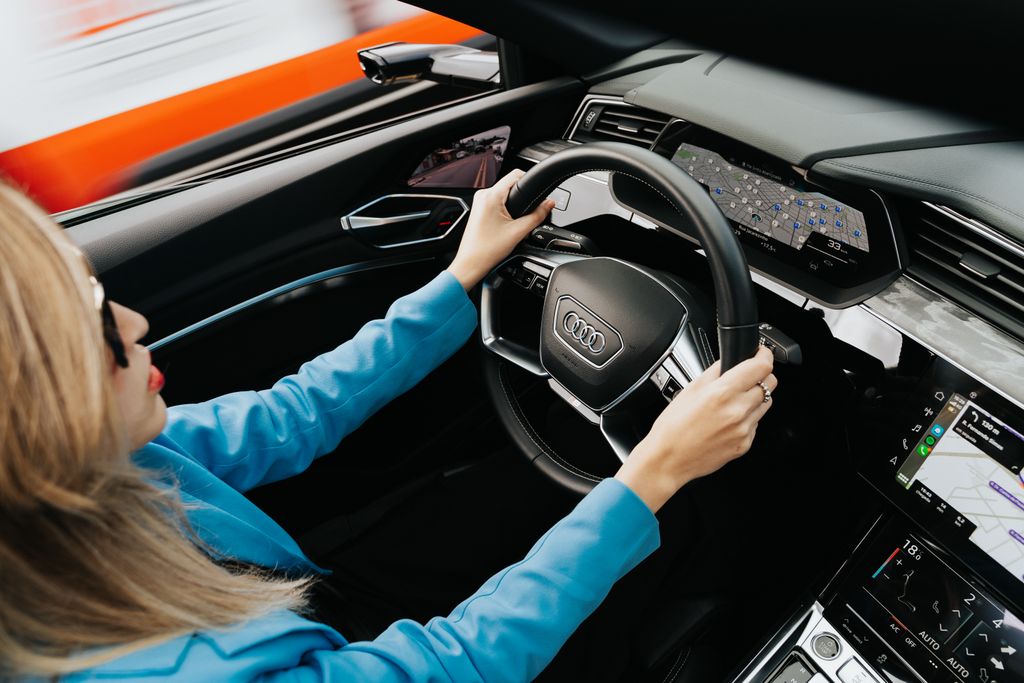
It sounds unbelievable, but some buyers still skip the test drive because the car looks perfect online or because they already know the brand.
That is a risky shortcut. Photos cannot show how the seat feels after 20 minutes, how the brakes respond, how much road noise enters the cabin, or whether the dashboard controls make sense.
A proper test drive should include more than a quick loop around the dealership. Buyers should drive on local roads, highways, rough patches, turns, and parking areas if possible.
A car can look beautiful on the lot and still feel uncomfortable, loud, stiff, cramped, or awkward in everyday driving.
Forgetting About Depreciation
A new car starts losing value almost immediately, and some models drop faster than others. That matters most for buyers who finance most of the purchase price, make a small down payment, or plan to trade in the vehicle within a few years.
Depreciation can leave them owing more than the car is worth, especially if the loan term is long.
Smart buyers check resale value before they buy. A cheaper car is not always the cheaper long-term choice if it loses value quickly.
Strong resale value can protect the buyer later, especially during a trade-in, private sale, or unexpected financial change.
Rolling Old Debt Into the New Loan
Trading in a car with negative equity is one of the most dangerous new-car-buying mistakes. It means the buyer owes more on the old car than it is worth, then adds that unpaid balance to the new loan.
The result is a bigger loan on a vehicle that is already depreciating.
This mistake can trap people in a cycle of never catching up. The new car may feel like a fresh start, but the old debt is still riding along in the contract.
Buyers in this situation should consider waiting, paying down the current loan, refinancing, or choosing a much cheaper vehicle instead of rolling the debt forward.
Shopping Without Researching Prices First

Walking into a dealership without checking market prices gives the seller too much control. A buyer may think they are getting a discount when the price is still higher than what similar cars are selling for nearby.
Online research is no longer optional, especially when inventory, incentives, and demand can change quickly.
Buyers should compare prices across several dealerships before visiting one in person. They should check the manufacturer’s website, local listings, incentives, destination charges, and average transaction prices.
When buyers know the real market, they are less likely to be impressed by a “deal” that is mostly theater.
Forgetting Insurance, Taxes, and Ownership Costs
The purchase price is only one part of the car’s real cost. Insurance, registration, fuel, maintenance, tires, repairs, and taxes can push a vehicle far beyond the buyer’s comfort zone.
This is especially true with larger SUVs, trucks, luxury models, electric vehicles, and performance cars.
Before buying, shoppers should get insurance quotes for the exact model and trim they want. They should also estimate fuel or charging costs, maintenance needs, tire prices, and registration fees.
A car that fits within the monthly loan payment can still be stressful if ownership costs are ignored.
Letting the Dealership Rush the Paperwork
The final paperwork stage can feel exhausting, and that is where buyers may stop paying attention. After hours of negotiating, test driving, waiting, and answering questions, many people just want to sign and leave.
That tired moment can be expensive if fees, warranties, add-ons, loan terms, or interest rates change from what was discussed.
No buyer should feel embarrassed about slowing down. A car contract is not a casual receipt. It is a legal financial agreement that can affect the buyer’s budget for years. Reading every page may feel boring, but it is much better than finding a surprise charge after the car is already in the driveway.
Treating the Salesperson Like the Enemy
Some buyers think being aggressive is the best way to win at the dealership. That can backfire. A firm, informed buyer is powerful, but a rude buyer can make the process harder than it needs to be.
Respect does not mean accepting a bad deal. It means staying calm, asking clear questions, and being willing to walk away.
The best buyers are polite, prepared, and difficult to pressure. They know their budget, financing, preferred vehicle, and exit point before negotiations begin.
That approach often works better than hostility because it keeps the conversation focused on the numbers rather than emotions.
The Smartest Buyer Is the Least Rushed Buyer

A new car can be a great purchase when the deal fits the buyer’s real life, not just their excitement in the showroom.
The biggest mistakes usually happen when people rush, focus on the wrong number, ignore the fine print, or let the emotional thrill of a new vehicle overpower basic math.
The strongest position belongs to the buyer who can pause. They research, compare, test drive, read the contract, question the extras, and walk away when the numbers do not work.
In today’s car market, patience is not just a nice trait. It may be the most valuable negotiating tool a buyer has.