Phone scams are like wolves in sheep’s clothing, and they’re more common than you might think. Fraudsters are constantly evolving their tactics to make their schemes look convincing.
The good news? With the right knowledge, you can avoid falling into their traps. This guide reveals the most common phone scams and provides the tips you need to protect yourself from losing your hard-earned cash.
“Your Computer Is at Risk”—Don’t Be Fooled

Imagine this: you pick up the phone, and a so-called “tech support agent” claims that your computer is infected with a virus. The solution? Download their software, and they’ll fix everything. However, what they don’t tell you is that the software is actually malware designed to steal your personal information.
How to Spot It: If a stranger calls claiming to fix a problem with your computer, be suspicious. Legitimate companies won’t call you unsolicited.
Tip: Always contact the company directly through official channels. If you didn’t request support, hang up.
The “Free Gas” Scam , Don’t Fall for It
Scammers are taking advantage of skyrocketing fuel prices to trick people into handing over their personal details. They’ll contact you, claiming you qualify for a “Fuel Relief Program” to help cover the cost of gas. The catch? They’ll ask for your financial information to steal your money.
Why It’s Dangerous: These scammers promise relief but end up using your personal data for fraudulent activities.
Tip: Always question offers that sound too good to be true, especially if they’re unsolicited. There’s no such thing as a free gas program from unknown callers.
Lottery and Prize Scams

Everyone dreams of hitting the jackpot, but scammers know exactly how to exploit that desire. They’ll call you out of the blue, claiming that you’ve won a lottery or prize, but they’ll ask for a fee to claim it. The twist? Once you pay, they disappear without delivering anything.
What to Look For: The key giveaway is that they’ll ask for money up front—legitimate lotteries never ask winners to pay a fee.
Tip: If you didn’t enter a lottery, you didn’t win. Just hang up and move on.
Imposter Scams
Imposter scams are the masters of disguise. Scammers use your trust to their advantage by impersonating someone you know, such as a relative, a government official, or a company representative. Their goal is simple: get you to send money or share private information.
Why It Works: These scams often create a sense of urgency, making you feel you have no choice but to act quickly. The scammer will pressure you into making a decision, hoping that you won’t stop to think.
Tip: Always take a moment to verify the situation. If someone you trust is “in trouble,” reach out to them through their real contact number.
AI Voice Cloning

One of the most terrifying new scams involves AI technology that allows scammers to clone someone’s voice. You might get a call that sounds like your loved one is in distress and needs money urgently. The problem? It’s not really them—it’s an AI-generated voice designed to manipulate you.
Why It’s Dangerous: Scammers use this technology to sound incredibly convincing, preying on your emotions and trust.
Tip: If you get a call like this, hang up immediately and contact your loved one using their usual contact details. Don’t let urgency cloud your judgment.
Desperate Times Don’t Call for Desperate Measures
If you’ve struggled to pay rent during tough times, you might be especially vulnerable to this scam. Fraudsters claim they can help you with rent payments or even prevent eviction—but there’s always a catch. They ask for an upfront payment or sensitive personal information before providing any help.
Why It’s a Trap: Once they have your money or information, you’re left with nothing. Legitimate organizations don’t ask for payment up front for these services.
Tip: If someone promises rental assistance or legal help in exchange for an upfront payment, it’s likely a scam. Always verify the source before making any payment.
“Pay or Go to Jail”—Not a Chance
This is one of the most persistent scams around. Scammers pose as IRS agents, threatening you with legal consequences or even arrest if you don’t immediately pay taxes over the phone. They might even spoof the caller ID to make it appear the call is coming from the IRS.
How to Spot It: The IRS never demands immediate payment or threatens arrest over the phone. They will always send written notices for tax issues.
Tip: Hang up and call the IRS directly. Never make a payment over the phone unless you’ve confirmed it through official channels.
Scan With Caution
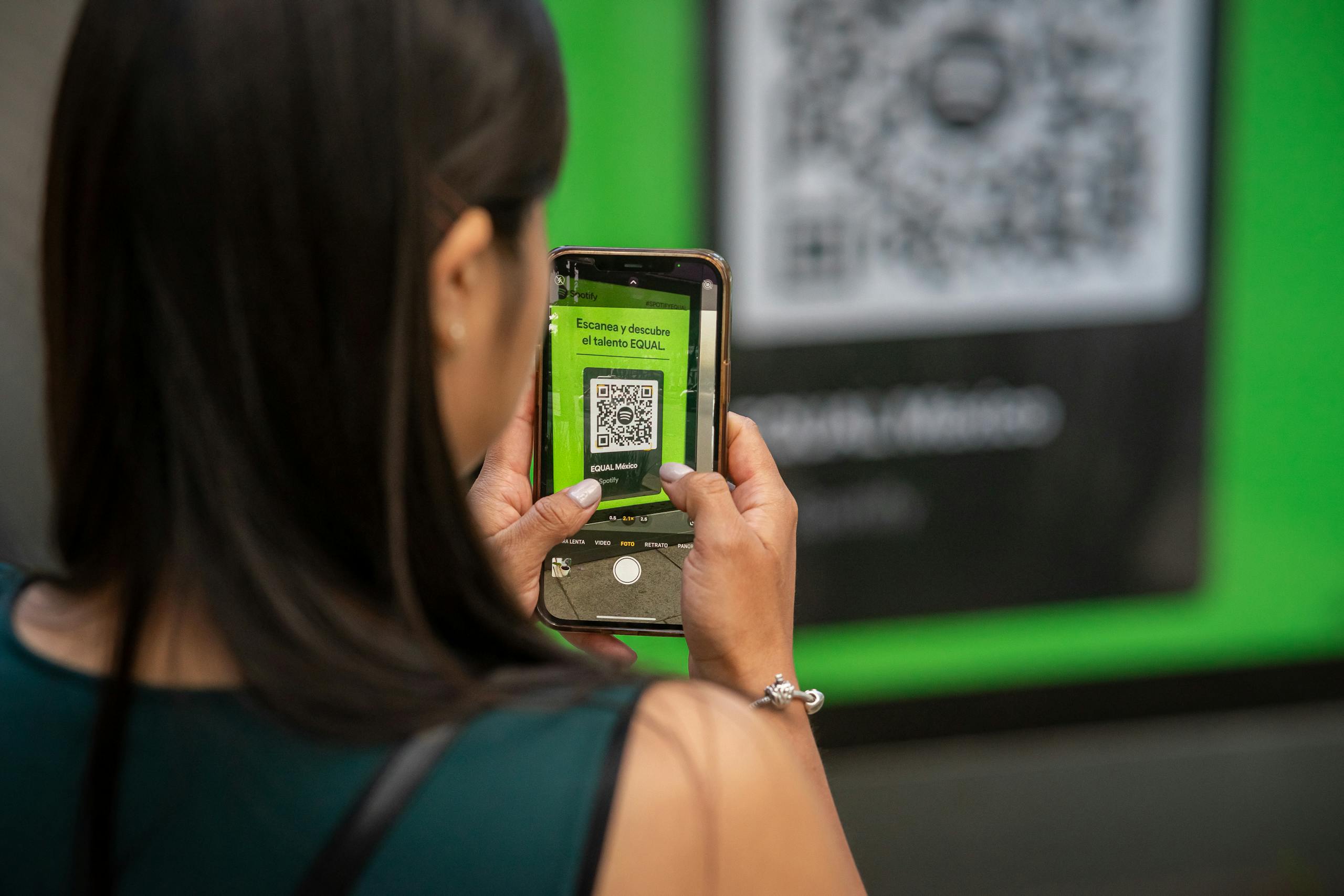
QR codes are everywhere these days, from restaurant menus to payment apps. But scammers have figured out how to use these handy codes to lead people to fraudulent websites. By scanning a scam QR code, you could unknowingly expose your personal information to thieves.
What’s the Risk: A fake QR code can redirect you to a website that looks legitimate, but it’s actually designed to steal your data.
Tip: Always verify where a QR code will take you before scanning. Don’t enter personal information on suspicious sites.
Conclusion
Phone scams can happen to anyone, but the good news is that by staying informed and cautious, you can protect yourself from becoming a victim. The key is to recognize the warning signs, stay skeptical, and take your time to verify any unsolicited requests for money or personal information.
The bottom line? Don’t let a scammer rush you into a decision. If something feels off, trust your instincts and take action to protect yourself. Remember, your personal information and money are valuable—don’t let fraudsters take them from you.
Are you ready to take charge of your safety? The next time your phone rings with an unfamiliar number, will you answer, or let it go to voicemail? Stay alert, and don’t let scammers win.