Some people enter a room and subtly control the energy without raising their voice. Their words act as magnets, drawing attention, sympathy, and validation with minimal effort. This behavior, now commonly recognized as the “pick me girl” pattern, has become a social phenomenon amplified by social media, dating apps, and viral culture.
Millions of people recognize these phrases instantly, understanding the hidden layers of comparison, competition, and subtle manipulation that lie beneath them. These statements rarely appear threatening, but repeated exposure can shape friendships, romantic interactions, and self-perception in complex ways. Understanding these phrases is crucial to spotting manipulative behavior and navigating modern social environments effectively.
What makes these statements powerful is how casually they are delivered. Many are disguised as humility, simplicity, or being “different,” yet they often carry undertones of insecurity or attention-seeking. When repeated over time, these phrases can alter social dynamics, creating friction between friends, co-workers, and romantic partners. Recognizing them requires awareness of the context, tone, and underlying intent, as well as an understanding of the broader cultural narrative that amplifies them online.
“I’m Not Like Other Girls”

This is arguably the most iconic pick-me-up phrase because it positions the speaker above a generalized, often stereotyped group of women. At first glance, it may appear as a simple expression of individuality, but the underlying implication is that femininity or typical female behavior is inferior. The statement is rarely neutral; it carries a hidden critique of other women while simultaneously elevating the speaker. This creates a subtle competitive dynamic, as if worth and attractiveness are determined by how “unlike other girls” someone can present themselves.
The use of this phrase is particularly prevalent in dating conversations and on social media, where female rivalry is exaggerated for attention and validation. By framing themselves as “different” or “easier to deal with,” the speaker leverages social comparison to gain approval, especially from men or peers who may buy into the narrative. Over time, the constant repetition of this pattern can erode friendships, foster resentment, and perpetuate insecurity for both the speaker and the peers targeted by these comparisons. Real confidence rarely needs to be established at others’ expense, yet this phrase thrives precisely because it disguises insecurity as uniqueness.
“I Only Hang Out With Guys Because Girls Are Too Much Drama”
This phrase frames female friendships as inherently problematic while positioning the speaker as someone who transcends “typical” female behavior. It implies that women are inherently difficult, emotional, or overly complicated, whereas male peers are easygoing, trustworthy, and less prone to conflict. The statement is often deployed to create an identity aligned with male approval and validation, subtly prioritizing external perception over genuine relationships.
Repeated use of this phrase can have significant social consequences. It fosters tension among female peers and discourages authentic connection, casting women collectively as competitors or sources of unnecessary stress. The behavior also signals a reliance on male attention for self-worth, which can skew relational dynamics and set unrealistic expectations in both friendships and romantic contexts. Rather than demonstrating resilience or adaptability, it frames social interaction as a zero-sum game where “being drama-free” becomes a performance metric rather than a natural trait.
This pattern has been magnified on online platforms, where influencers and content creators often discuss, parody, or critique pick-me behavior. Social media encourages performative narratives, making this statement not just a casual remark but a tool for shaping personal brand, attention, and perceived desirability. The underlying insecurity, masked as superiority, can subtly influence peer perceptions, impacting both offline and online relationships.
“I Barely Eat”
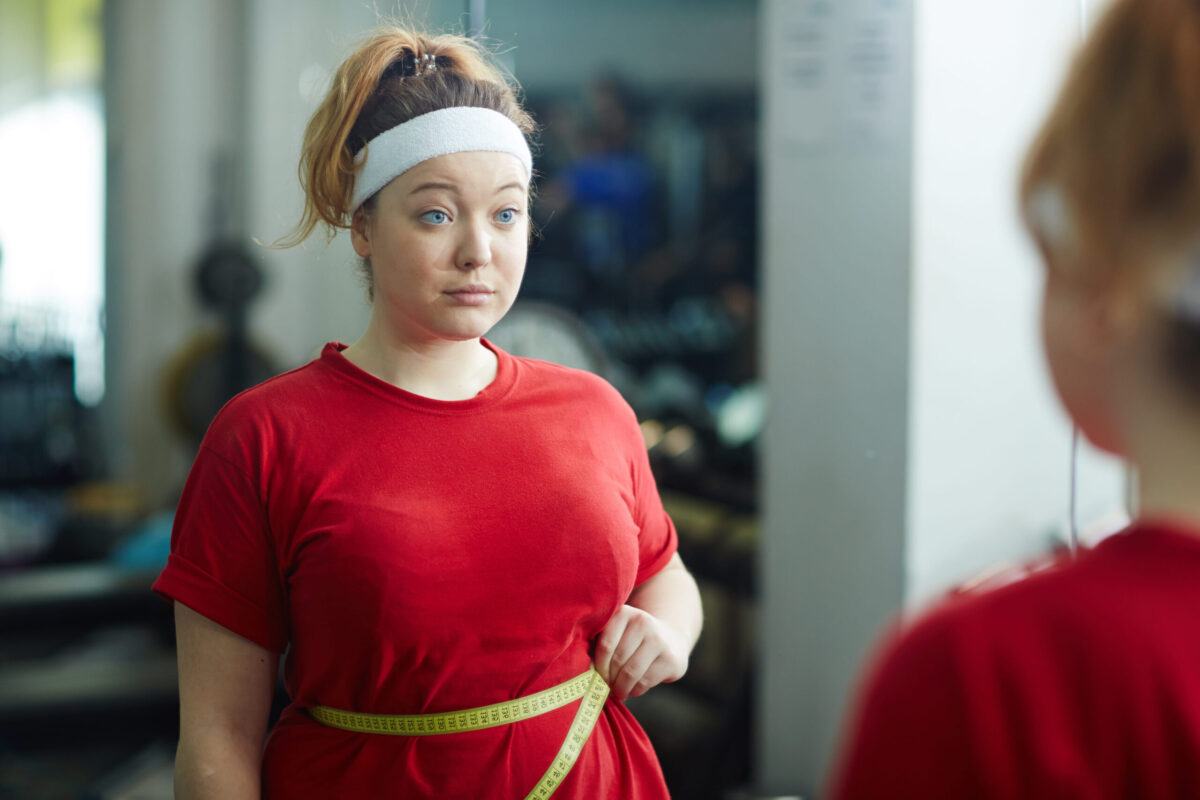
Comments about minimal food intake may seem casual, but in a pick-me culture, they serve as tools to attract attention and seek validation. This phrase often surfaces in group settings where the speaker expects reactions, compliments, or reassurance. By framing themselves as delicate, fragile, or “disciplined,” the speaker invites others to comment on appearance, health, or self-control, effectively turning an ordinary statement into a magnet for social engagement.
The impact of this behavior extends beyond simple attention-seeking. In a culture where body image and eating habits are heavily scrutinized, repeatedly emphasizing minimal eating can normalize unhealthy attitudes toward food and self-perception. Younger audiences on platforms like TikTok and Instagram are particularly vulnerable, as viral content often rewards comments about physical appearance or perceived self-restraint. Over time, the phrase can reinforce insecurities, propagate unrealistic beauty standards, and shape social dynamics in ways that reward external validation rather than personal well-being.
Moreover, the phrase can be coupled with subtle competitive undertones, implying that the speaker’s self-control, attractiveness, or moral virtue exceeds that of peers. This creates tension within social groups and positions the speaker as both fragile and superior at once. While some may claim the statement reflects personal preference, the broader effect is an indirect manipulation of attention, praise, and perception. Recognizing this tactic is essential to maintaining both personal boundaries and emotional awareness in social and digital spaces.
“I Only Hang Out with Guys Because Girls Are Too Much Drama”
This phrase frames female friendships as inherently problematic while positioning the speaker as someone who transcends “typical” female behavior. It implies that women are inherently difficult, emotional, or overly complicated, whereas male peers are easygoing, trustworthy, and less prone to conflict. The statement is often deployed to create an identity aligned with male approval and validation, subtly prioritizing external perception over genuine relationships.
Repeated use of this phrase can have significant social consequences. It fosters tension among female peers and discourages authentic connection, casting women collectively as competitors or sources of unnecessary stress. The behavior also signals a reliance on male attention for self-worth, which can skew relational dynamics and set unrealistic expectations in both friendships and romantic contexts. Rather than demonstrating resilience or adaptability, it frames social interaction as a zero-sum game where “being drama-free” becomes a performance metric rather than a natural trait.
This pattern has been magnified on online platforms, where influencers and content creators often discuss, parody, or critique pick-me behavior. Social media encourages performative narratives, making this statement not just a casual remark but a tool for shaping personal brand, attention, and perceived desirability. The underlying insecurity, masked as superiority, can subtly influence peer perceptions, impacting both offline and online relationships.
“I Barely Eat”

Comments about minimal food intake may seem casual, but in a pick-me culture, they serve as tools to attract attention and seek validation. This phrase often surfaces in group settings where the speaker expects reactions, compliments, or reassurance. By framing themselves as delicate, fragile, or “disciplined,” the speaker invites others to comment on appearance, health, or self-control, effectively turning an ordinary statement into a magnet for social engagement.
The impact of this behavior extends beyond simple attention-seeking. In a culture where body image and eating habits are heavily scrutinized, repeatedly emphasizing minimal eating can normalize unhealthy attitudes toward food and self-perception. Younger audiences on platforms like TikTok and Instagram are particularly vulnerable, as viral content often rewards comments about physical appearance or perceived self-restraint. Over time, the phrase can reinforce insecurities, propagate unrealistic beauty standards, and shape social dynamics that reward external validation over personal well-being.
Moreover, the phrase can be coupled with subtle competitive undertones, implying that the speaker’s self-control, attractiveness, or moral virtue exceeds that of peers. This creates tension within social groups and positions the speaker as both fragile and superior at once. While some may claim the statement reflects personal preference, the broader effect is an indirect manipulation of attention, praise, and perception. Recognizing this tactic is essential to maintaining both personal boundaries and emotional awareness in social and digital spaces.
“I Don’t Need Attention”
Claiming to avoid attention is paradoxical, as it is often a calculated way to attract attention indirectly. In many cases, this statement is used to manipulate social perception, signaling independence, humility, or emotional restraint while quietly seeking recognition or admiration. The speaker may appear indifferent, but the underlying goal is often to provoke validation or concern without directly requesting it.
In social media culture, this tactic is amplified. Cryptic captions, vague posts, and subtle hints of dissatisfaction are common forms of digital pick-me behavior that feed into the same dynamic. Observers are prompted to comment, reassure, or praise the speaker, thereby fulfilling the attention-seeking function covertly. This creates a cycle of passive manipulation where emotional responses from others become the primary source of validation, replacing authentic self-esteem. Over time, this behavior can erode trust, as others recognize the inconsistency between the declared desire for invisibility and the actual pursuit of acknowledgment.
“I’m Just One of the Boys”

This phrase suggests that the speaker aligns more comfortably with male peers while distancing herself from women. On the surface, it may suggest friendship flexibility or broad social compatibility, but in a ” pick me culture, it is often deployed to claim superiority over other women. The statement subtly implies that the speaker is less emotional, less dramatic, or easier to engage with than female peers, reinforcing gendered stereotypes and creating competition among women.
Using this phrase repeatedly can undermine the speaker’s authentic relationships with women. By framing femininity as inherently problematic, the speaker risks alienating potential friends and creating tension in social groups. Additionally, the phrase positions male attention or approval as a key marker of value, signaling that social worth is contingent on being “relatable” to men. Social media amplifies this pattern, rewarding performative declarations of gendered alignment and further reinforcing cultural narratives that undervalue traditional female traits while elevating the speaker as exceptional or “different.”
“I Don’t Cause Problems”
Repeatedly claiming to be “drama-free” is a subtle attempt to control social perception preemptively. The statement positions the speaker as inherently trustworthy, easygoing, or conflict-averse, often to contrast themselves with others perceived as difficult or emotional. While appearing innocuous, this phrase functions as a self-promotional tactic designed to elicit trust, admiration, or preferential treatment.
The problem arises when this assertion replaces authentic behavior. True emotional maturity is demonstrated through consistency, accountability, and the ability to navigate conflicts constructively. Individuals who frequently advertise their “low drama” status often struggle to maintain it under pressure, creating a disconnect between claimed identity and lived behavior. In social groups, this can lead to disappointment, confusion, or resentment, as others realize that the repeated claims about being problem-free are more about image management than genuine relational conduct.
“I’m Too Nice”

This phrase reframes self-interest as moral or emotional superiority. The speaker positions themselves as exceptionally generous, empathetic, or misunderstood, while subtly casting others as less kind or attentive. By emphasizing this trait verbally, the speaker seeks validation, recognition, and social praise, often shifting focus from the group to themselves.
Over time, the habit of repeatedly announcing one’s “niceness” can undermine authentic connections. True kindness is demonstrated through consistent actions rather than verbal assertions. When people are constantly reminded of how “nice” someone is, it can create cognitive dissonance in observers, leading them to question motives or perceive manipulation. This statement, like other pick me phrases, relies on external validation to sustain self-esteem, creating patterns that prioritize social approval over genuine character development.
Why Pick Me? Behavior Dominates Online Conversations
Social media has amplified the ” pick me behavior because these patterns are instantly recognizable, easily shared, and highly relatable. Viral clips, memes, and influencer commentary highlight these behaviors in exaggerated yet accurate portrayals. The popularity of this content reflects how deeply attention-seeking patterns intersect with cultural narratives around validation, gender, and social hierarchy.
Pick-me behavior often emerges from a combination of insecurity, competition, and a desire for social approval. The phrases serve as tools for navigating complex social environments, but overreliance on them undermines authentic self-expression. Understanding the mechanics behind these statements allows observers to spot manipulative patterns before they escalate into relational tension.