A man’s outfit does not need to scream wealth, trend-chasing, or fashion-school confidence to make a strong impression. Most women are not silently auditing labels, counting designer logos, or expecting every guy to walk into dinner looking like a movie premiere just broke out at the restaurant. The real problem is much simpler. Too many men ruin a decent look with small style mistakes that make them seem careless before they even say hello.
That is why men’s style matters more than many men admit. Fit, grooming, shoes, colors, and setting all send quiet signals about effort, self-respect, and social awareness. Several men’s style guides focus on the same core details that women notice quickly, including fit, footwear, grooming, color coordination, and dressing appropriately for the situation. The good news is that none of this requires a luxury wardrobe. It requires paying attention before walking out the door.
Letting Dirty Shoes Destroy the Whole Look
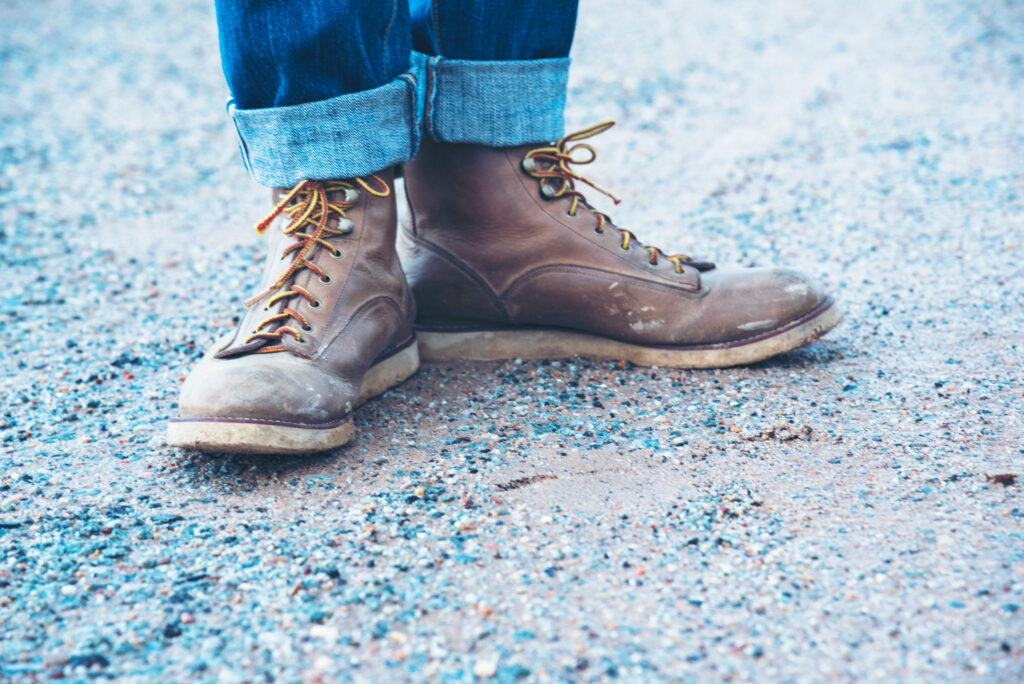
Shoes carry more weight than many men realize. Clean sneakers, polished boots, or well-kept loafers can pull an outfit together, but dirty, cracked, or worn-out shoes can drag everything down. Footwear sits at the end of the outfit, yet it often becomes the detail that reveals whether a man actually looked in the mirror before leaving home. Menswear writers often rank shoes as one of the most noticeable parts of a man’s style, especially because they can signal care, taste, and attention to detail.
The mistake is not wearing affordable shoes. The mistake is wearing shoes that look as if they were forgotten. Scuffed dress shoes at a dinner date, gym sneakers at a nice bar, or muddy trainers with a clean outfit can create a disconnect that women pick up on quickly. Shoes do not need to be flashy. They need to match the occasion and look cared for.
A man can build a strong footwear rotation with only a few pairs. Clean white or neutral sneakers work for casual outfits. Brown or black leather shoes are more appropriate for smarter settings. Boots add structure to jeans, chinos, and jackets. The rule is simple. If the shoes look like they have survived a construction site, a lawn-mowing session, and three forgotten gym bags, they should not be carrying the outfit.
Wearing Clothes That Fit as They Belong to Someone Else
Bad fit is one of the fastest ways to make an outfit look sloppy. A shirt that balloons around the waist, jeans that sag at the seat, sleeves that swallow the hands, or pants that pile up around the shoes can make even expensive clothes look neglected. Many men assume fit means tight, but that is not the goal. A good fit means the clothes follow the body without squeezing, dragging, or creating awkward extra fabric.
This matters because fit controls the entire silhouette. A simple white shirt and dark jeans can look sharp when the shoulders sit correctly, the sleeves hit the right spot, and the pants break cleanly near the shoes. The same outfit can look careless when everything hangs loosely or clings in the wrong places. Women often notice this because fit suggests body awareness, confidence, and effort without making the outfit feel forced.
The easiest fix is to stop buying clothes based only on size labels. Sizes vary wildly between brands, so the mirror matters more than the tag. Men should check shoulder seams, sleeve length, waist comfort, pant length, and how the fabric moves when sitting or walking. A tailor can also turn average clothes into reliable staples, especially for dress shirts, trousers, jackets, and jeans.
Ignoring Grooming and Expecting Clothes to Do All the Work

Clothes cannot rescue poor grooming. A sharp jacket loses its power when paired with greasy hair, untrimmed nails, dry skin, heavy body odor, or a beard that looks abandoned. Grooming is not about looking overly polished or artificial. It is about showing that basic personal care is part of the routine.
This is one of the style rules women often wish more men understood, because grooming affects a person’s overall presence. A clean haircut, fresh breath, trimmed facial hair, moisturized skin, and neat nails can make a plain outfit look more intentional. Poor grooming does the opposite. It makes even good clothes feel like a costume placed over neglect.
A reliable grooming routine does not need to be complicated. Hair should be washed and styled to suit the cut. Facial hair should have a clear shape, even when it is full. Nails should be clipped and clean. Fragrance should be light enough to invite someone closer, not loud enough to announce itself across the room. The goal is freshness, not performance.
Dressing Too Casually for Moments That Deserve Effort

There is casual, and then there is careless. A relaxed outfit can look confident when it fits well and suits the setting. The problem starts when men treat every occasion like a quick gas-station run. Showing up to a date, dinner, work event, family gathering, or evening plan in stretched-out gym clothes can make the other person feel like the moment did not matter.
Dressing for the setting shows social intelligence. It tells people that a man understands context and respects the effort others made. A casual coffee date does not require a blazer, but it does deserve clean shoes, a decent shirt, and clothes that look chosen rather than grabbed from the nearest chair. A wedding, a nice restaurant, an interview, or a formal dinner deserves even more thought.
Men can avoid this mistake by asking one simple question before leaving home. Would this outfit make sense where I am going? If the answer is shaky, upgrade one piece. Swap the hoodie for a casual jacket. Change gym sneakers for clean leather sneakers. Replace wrinkled shorts with chinos. Small upgrades can shift an outfit from lazy to intentional without making it feel overdressed.
Wearing Wrinkled Clothes Like No One Will Notice
Wrinkles are quite outfit killers. They make shirts look tired, pants look careless, and jackets look like they were rescued from the bottom of a laundry basket. A wrinkled shirt can ruin an otherwise good look, conveying the message that the outfit wasn’t worth the extra five minutes of effort.
This mistake stands out because wrinkles are avoidable. A man does not need a huge wardrobe or expensive clothes to look put together. He only needs clean, smooth, well-maintained pieces. A basic cotton shirt looks better when pressed. A simple pair of trousers looks sharper when stored properly. Even a casual overshirt or jacket gains structure when it is not crushed.
The fix is practical. Hang shirts immediately after drying. Fold knitwear properly. Use a steamer for quick touch-ups. Avoid stuffing clean clothes into crowded drawers. Choose wrinkle-resistant fabrics for travel or long workdays. A smooth outfit suggests readiness, and that impression often matters more than the brand name stitched inside the collar.
Chasing Loud Logos Instead of Building Real Style
Big logos can work in some streetwear looks, but they become a problem when they replace personal style. A giant designer name across the chest does not automatically make an outfit attractive. In many cases, it can look like the clothing is trying too hard to prove something. Women who notice style often respond more to balance, fit, color, and confidence than to obvious branding.
The danger of logo-heavy dressing is that it can make the outfit feel less mature. Instead of looking stylish, the man looks like he is advertising a store. A quiet, well-fitted outfit in good colors often feels more confident because it does not beg for attention. It simply works.
Men who want a better style should build around strong basics first. Solid T-shirts, crisp shirts, good jeans, chinos, clean sneakers, leather shoes, a versatile jacket, and simple knitwear can create more outfits than a closet full of loud statement pieces. A logo should support the look, not become the outfit’s whole personality.
Mixing Colors That Fight Each Other
Color mistakes can make an outfit feel chaotic, even when every piece is decent on its own. Bright red shoes, a neon shirt, faded blue jeans, and a random patterned jacket may each have a place, but together they can look confused. Color coordination is one of those details women often notice because it affects the whole mood of the outfit. Style advice on men’s clothing often points to coordinated colors and balanced combinations as a simple way to look more polished.
Men do not need advanced color theory to dress better. They need a dependable base. Neutral colors like navy, black, gray, white, beige, olive, and brown are easier to combine. Once the base works, one stronger color can add personality without turning the outfit into a traffic signal.
A simple rule helps. Keep most of the outfit calm, then let one item stand out. That could be a watch strap, a jacket, a sneaker detail, a shirt, or a pocket square. When everything screams at once, nothing looks intentional. When the colors work together, even basic clothes look sharper.
Forgetting That Accessories Can Upgrade or Ruin Everything

Accessories are small but powerful. A clean watch, a simple belt, good sunglasses, a neat wallet, or a subtle chain can make a man look more finished. The wrong accessories can do the opposite. Oversized belt buckles, scratched sunglasses, childish bracelets, bulky wallets, or a belt that clashes badly with the shoes can weaken the whole outfit.
The issue is usually not having too few accessories. It is choosing accessories that do not match the outfit’s tone. A rugged leather watch may work well with boots and denim. A slim metal watch may suit a dress shirt or blazer better. A clean belt should connect with the rest of the outfit rather than look randomly chosen.
Men should treat accessories as punctuation, not the whole sentence. They should add polish, structure, or personality without stealing the room. A good accessory makes people think the outfit is complete. A bad one makes them wonder why it is there.
Wearing Clothes That Still Belong to an Older Version of You
Some men keep dressing like the version of themselves they were ten years ago. The old college hoodie, the graphic tee from a forgotten phase, the jeans with the outdated cut, or the club shirt from a different era can quietly age the whole look. Nostalgia is understandable, but a wardrobe should grow with the person wearing it.
This does not mean men need to chase every trend. Trend-chasing can look just as awkward as refusing to update anything. The goal is to maintain a modern, adult personal style. A man can still dress casually, comfortably, and authentically without looking stuck in an old photograph.
A closet audit helps. Anything badly worn, poorly fitting, overly dated, or connected to a version of life that no longer fits should be reconsidered. Keep meaningful pieces for sentimental reasons, but do not let them run the daily wardrobe. Style should reflect who a man is now, not just who he used to be.
Confusing Confidence With Looking Like You Tried Too Hard
Good style feels natural. It shows effort without making the outfit look like a costume. The mistake some men make is overcorrecting. After realizing style matters, they pile on too many trends, too much fragrance, too many accessories, too many colors, or clothes that do not match their personality. The result can feel less attractive because it looks uncomfortable.
Confidence comes from alignment. The outfit should suit the body, the setting, and the person wearing it. A quiet man does not need to dress like a nightclub promoter. A creative man does not need to erase his personality to look “classic.” A professional man does not need to wear a suit everywhere to seem serious. The best style feels believable.
Women often notice when a man seems comfortable in his clothes. That comfort shows in posture, movement, and conversation. When the outfit fits the person, he stops adjusting his sleeves every ten seconds or tugging at a shirt that does not feel right. Real confidence looks relaxed, clean, and intentional.