Grocery shopping should not feel like stepping into a financial trap, but for many households, that is exactly what it has become. You walk in for milk, eggs, bread, and chicken, then somehow leave with a cart that looks innocent but a receipt that feels personal.
The worst part is that the biggest grocery budget killers are not always obvious. They hide in small habits, lazy planning, pretty packaging, “just in case” purchases, and those tempting little deals that are only deals when you actually need them.
Shopping Without a List
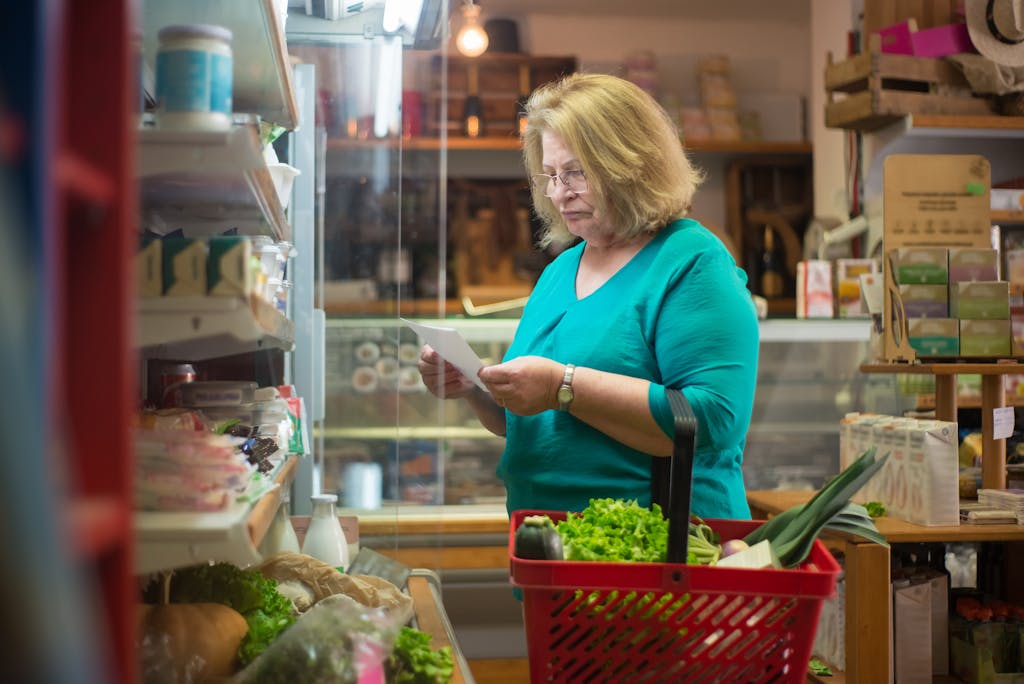
Walking into a grocery store without a list is one of the easiest ways to lose control of your budget. The store is designed to make you notice more, crave more, and buy more, which means your memory is not the best shopping tool. A simple grocery list gives your trip structure and stops random cravings from running the show.
A good list should be built around meals, not just random items. Instead of writing “vegetables,” write what you actually need for dinner, lunch prep, snacks, or breakfast. That small shift helps you avoid buying food that looks healthy in the cart but dies slowly in the fridge.
Digital lists can make this habit even easier. Keep a reusable grocery list on your phone with your usual staples, then update it before each trip. This helps you save money on groceries without feeling like you have to start from scratch every week.
Ignoring What You Already Have at Home
Many people overspend at the grocery store because they do not check their kitchen first. That is how you end up with three jars of peanut butter, two bags of rice, extra pasta, and a freezer full of mystery meat you forgot existed. Buying duplicates may seem harmless, but those small repeats quietly eat into your grocery budget.
Before shopping, take a quick look at your fridge, freezer, and pantry. Check what needs to be used soon, what can be used in a meal, and what you already have enough of. This habit prevents waste and helps you plan meals around food you already paid for.
A smart trick is to take quick photos of your pantry shelves, fridge drawers, and freezer before leaving the house. When you are standing in the store wondering if you still have onions, pasta sauce, or frozen vegetables, the answer is already in your pocket. That one move can stop unnecessary spending fast.
Buying Bulk Items You Will Never Finish

Bulk buying can save money, but only when you are honest about what your household actually uses. A huge bag of rice, a family pack of chicken, or a giant tub of yogurt can be a smart purchase if it fits your routine. It becomes wasteful when it sits untouched, expires, or forces you to eat something you are tired of just because it was “a good deal.”
The trap is thinking that bigger always means cheaper. Sometimes bulk items reduce the price per unit, but they still cost more upfront and require storage, planning, and discipline. If your kitchen is small or your cooking habits change often, bulk shopping can turn into clutter with a price tag.
The best bulk items are the ones you already buy often. Rice, oats, pasta, beans, cooking oil, flour, frozen vegetables, and household staples usually make sense if you use them regularly. Skip bulk purchases that depend on fantasy versions of yourself, like the person who suddenly bakes every weekend or eats salad twice a day.
Falling for Deals That Make You Spend More
Deals and coupons can help your budget, but they can also trick you into buying things you never planned to purchase. A discount is only useful when it applies to something you already need. Buying snacks, sauces, frozen meals, or drinks just because they are on sale still drains your money.
Store loyalty programs, digital coupons, and weekly ads can be helpful when used as part of a plan. Check deals before you shop, then build your list around the items that match your meals and household needs. Do not let the store’s promotion become your meal plan.
The real danger is the “buy more to save more” deal. If you buy three items to save a little but only need one, the store wins. Your grocery budget stays stronger when you treat every deal like a question, not a command.
Letting Food Waste Destroy Your Savings

Food waste is one of the sneakiest ways grocery money disappears. It doesn’t feel like spending because the money was already paid at checkout, but every slimy cucumber, forgotten leftover, and expired container is part of your budget going to waste. Saving money on groceries does not end at the store.
The solution is to plan how you will use the food after you buy it. Fresh herbs can become sauces, roasted vegetables can become wraps, leftovers can become lunch, and freezer bags can rescue food before it spoils. Even simple habits like labeling leftovers or moving older food to the front of the fridge can make a difference.
You should also build a “use first” area in your fridge. This can be one shelf or a container for food that needs attention soon. When dinner feels confusing, check that spot first instead of ordering takeout or opening something new.
Choosing Name Brands Without Thinking
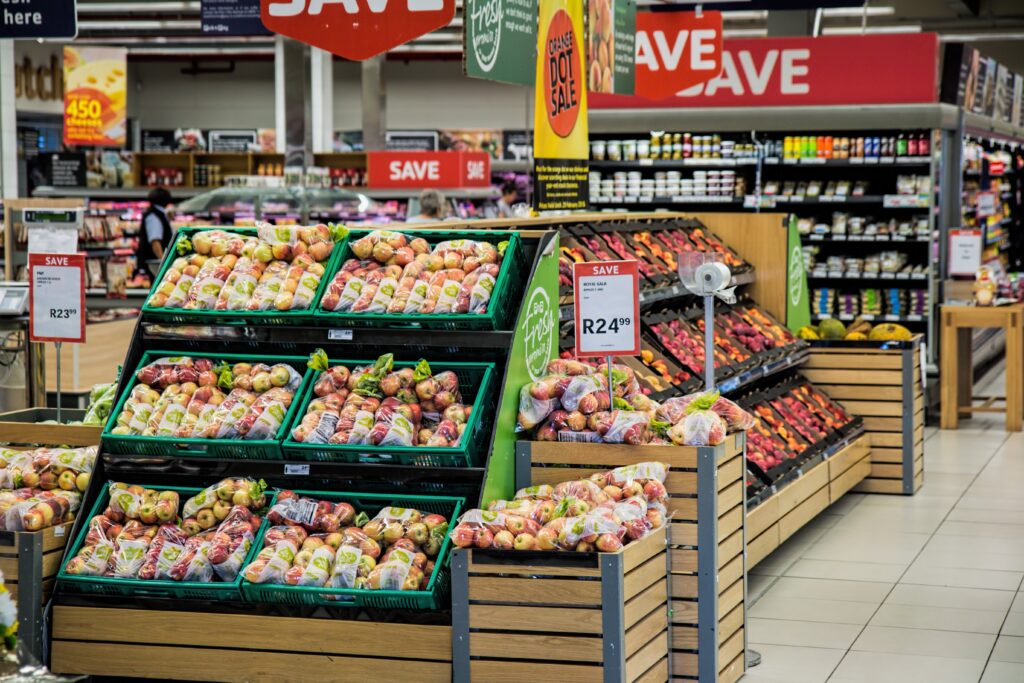
Name brands are often familiar, but familiar does not always mean better. Many store brands offer similar quality at a lower price, especially for pantry basics like flour, sugar, pasta, canned beans, spices, rice, and cleaning staples. If you automatically reach for the famous label, you may be paying extra for packaging and habit.
The smartest approach is to test store brands one category at a time. Try the private label version of something simple, then compare taste, texture, ingredients, and value. If your family cannot tell the difference, keep the cheaper option and save the brand loyalty for products where quality truly matters.
This does not mean every store brand is perfect. Some items may taste different, cook differently, or not match your preferences. The point is to stop assuming the expensive label deserves a permanent spot in your cart.
Conclusion
Grocery bills often rise because of small mistakes repeated every week. Shopping without a list, ignoring food at home, buying the wrong bulk items, chasing fake deals, wasting leftovers, and choosing name brands out of habit can all make your cart more expensive than it needs to be.
The good news is that these mistakes are easy to fix once you notice them. A better grocery routine does not require extreme couponing or eating boring meals. It simply requires planning before you shop, paying attention while you shop, and using what you bought after you get home.
Saving money on groceries is less about being cheap and more about being intentional. When every item in your cart has a purpose, your kitchen works harder, your food lasts longer, and your receipt finally starts to feel less painful.