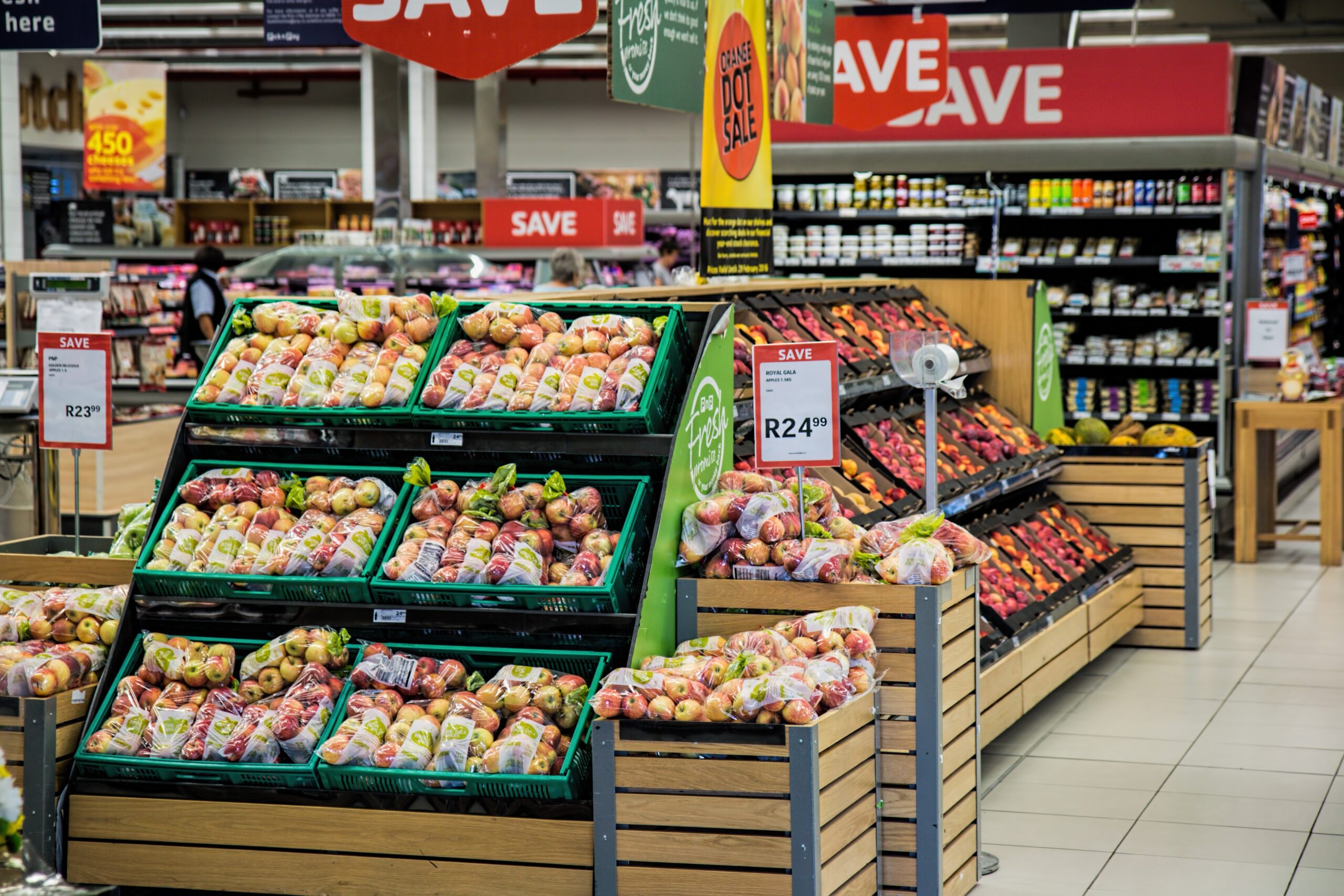
Bulk buying, who doesn’t love the idea of saving money by stocking up on essentials in giant quantities? It’s tempting to think you’re scoring major deals when you spot those massive warehouse-sized packs.
But here’s the uncomfortable truth: buying in bulk isn’t always as cost-effective as it seems, and you might be making one of these 10 costly mistakes. Let’s take a hard look at where bulk buying goes wrong, the hidden risks you’re overlooking, and how you can stop wasting your money.
The Myth of Always Getting the Best Deal
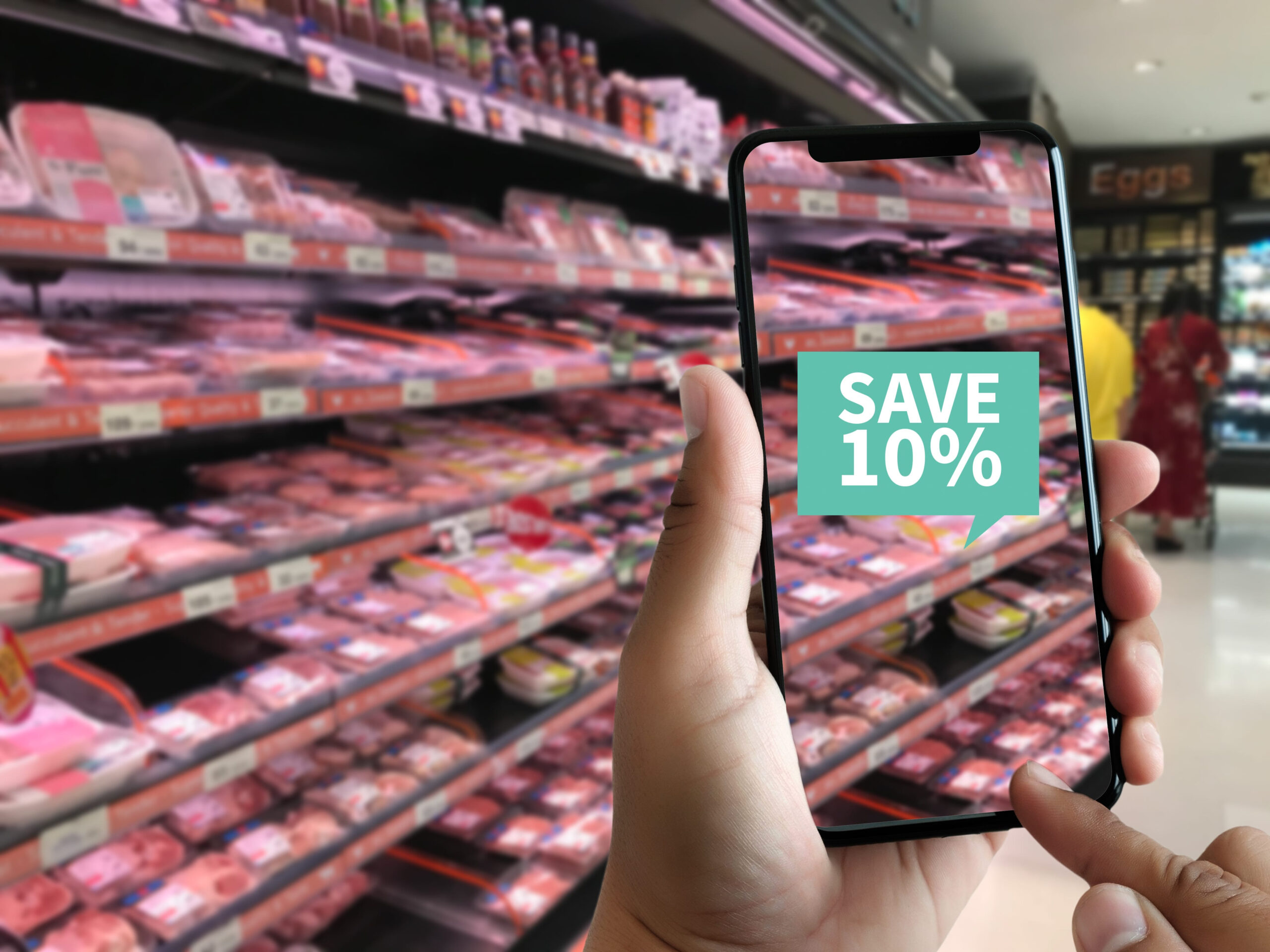
When it comes to bulk buying, bigger isn’t always better. Sure, the price per unit may be lower, but if you’re buying more than you can use, are you really saving money? The sad truth is that many bulk purchases are overhyped as the “best deal,” but those huge packs can quickly become a burden.
From toilet paper to detergent, you’re often paying for storage space and long-term inconvenience not for the savings you think you’re getting.
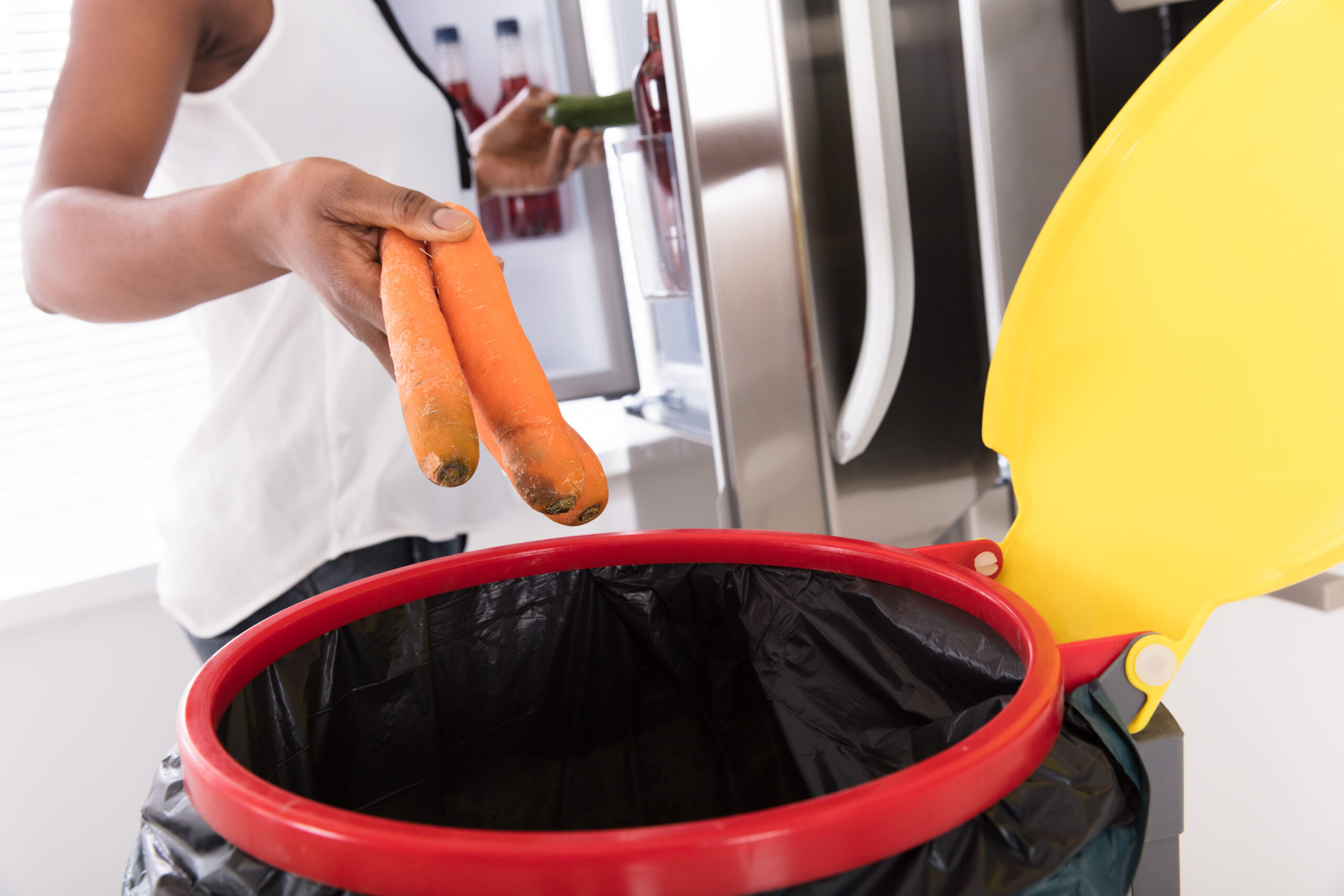
The risk? If you don’t use it all before the expiration date, you’re wasting money on products that will go to waste. This means your savings disappear when you have to throw things away.
Solution: Next time, focus on quantity vs. quality. Consider whether you’ll actually use everything before it expires. If you won’t, steer clear of that giant pack and look for smaller, more reasonable purchases.
Buying Perishables in Bulk is a Gamble
Buying a year’s worth of avocados because they’re on sale may seem like a smart move until they start turning brown in your fridge. Perishable foods have a shelf life, and buying them in bulk, especially fresh produce, can result in spoiled goods and wasted money.
Those bananas you bought in bulk might look good today, but once they ripen faster than you can consume them, they’re headed straight for the trash.
The risk? You may end up throwing away spoiled food bought in bulk, directly losing the money you spent, and hoping for savings.
Solution: Stick to buying perishable foods in smaller amounts that you can use within the week. If you really want to save, freeze what you can to extend its shelf life, but don’t go overboard with bulk unless it’s something non-perishable like frozen veggies or meat.
Stockpiling Cleaning Products You’ll Never Use
We’ve all seen those “3 for $5” deals on laundry detergent or cleaning supplies that seem like a steal. But here’s the reality check: cleaning products don’t last forever. Over time, their effectiveness can degrade, especially with items like bleach or antibacterial wipes, which lose their potency once they’re past their prime.
The risk? Products bought in bulk can expire or lose effectiveness before you use them up, resulting in wasted money and clutter when you have to dispose of the unused items.
Solution: Only buy cleaning products in bulk if you’re sure you’ll use them up promptly. If you use them infrequently, stick to standard-sized containers to avoid clutter and waste.
Tossing Money on Items You’ll Forget About
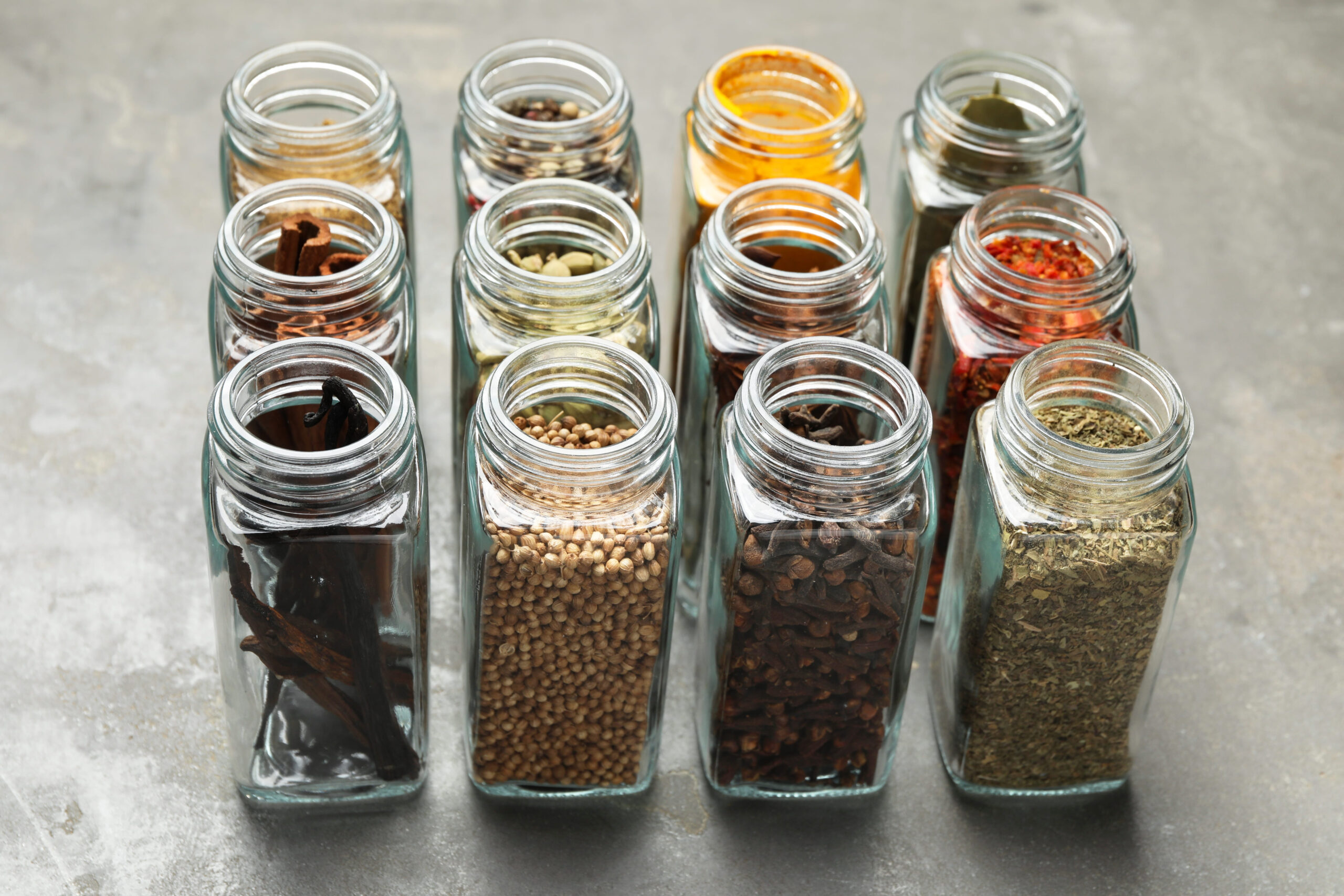
Bulk buying doesn’t always mean saving. Spices and seasonings are notorious for losing flavor over time. That gigantic bag of garlic powder may seem like a good idea now, but in six months, it’ll have lost all its potency.
Or worse, you’ll completely forget about it until it’s too late and you end up tossing it. You could’ve bought smaller, fresh supplies at a fraction of the price!
The risk? You risk forgetting about bulk items or letting them go bad, wasting both space and the money spent on unused or expired products.
Solution: Buy smaller quantities of spices or seasonings and replenish as needed. Unless you’re running a restaurant, a giant jar of cinnamon is a waste of space.
Forgetting the Storage Factor
A major downside of bulk buying is the storage issue. You may have a huge pantry, but unless you’re living in a warehouse, cramming 50 pounds of rice into your cabinets could lead to chaos. You’ll spend more time organizing and maneuvering around those jumbo packs than actually enjoying the savings.
The risk? Too much bulk can quickly outgrow your available storage, creating disorganization in your home and making it harder to access what you need. Unused or misplaced items lead to unnecessary clutter.
Solution: Before grabbing those bulk deals, take a hard look at your storage capacity. If storing bulk items isn’t enough, it’s better to buy smaller quantities that fit your space.
The Expiry Date Trap
Ever bought a massive pack of toilet paper thinking, “Hey, this will last forever!”? While that giant roll pack will last you a while, it doesn’t last forever, and the same goes for many bulk items, including medications, cosmetics, and dried goods. The expiration dates creep up on you, and before you know it, your supposed “savings” have gone out the window with a pack of expired goods.
The risk? If you don’t use bulk items in time, they expire, and you lose your investment in both the products and the space dedicated to storing them.
Solution: Check expiration dates carefully and buy only what you realistically need before it expires. Bulk-buying is only a good deal if you’ll use the products before their shelf life expires.
The Baby Item Blunder

Buying diapers and wipes in bulk might seem like an obvious choice for new parents, but babies grow fast. The size that fits today may not fit in a few months, leaving you with boxes of unusable diapers that you can’t return. This isn’t just a storage issue; it’s a money loss.
The risk? Buying baby items in large quantities without considering your child’s rapid growth could leave you with unopened or outgrown products you can’t return, costing you money.
Solution: Buy baby essentials in smaller quantities and check your baby’s growth stages regularly. You don’t want to end up with an excess of newborn-sized diapers when your little one is already on to the next size.
The “Just Because It’s Cheap” Fallacy
We’ve all fallen for it: seeing an unbelievable deal and snatching it up just because it’s “cheap.” But that jumbo pack of plastic cups or kitchen gadgets you picked up might not be such a bargain after all. Low-quality bulk products often need to be replaced sooner than higher-quality items, leading you to spend more in the long run.
The risk? You may end up spending more over time because low-quality bulk products wear out or break easily, requiring more frequent replacements and costing more in the long run.
Solution: Focus on buying high-quality, durable, essential bulk items, and avoid impulse buys that seem cheap in the moment but fall apart too quickly.
Ignoring the Convenience Factor
Convenience is key. We all know that. So why, then, do we often overlook how much time and effort we’ll spend with bulk purchases? From finding room to store your mega packs to dealing with expired or unused goods, bulk buying can become more of a hassle than it’s worth.
The risk? Not only are you potentially wasting money on unused bulk buys, but managing them can also take up significant time and effort, leading to wasted energy and increased stress.
Solution: Be honest with yourself about whether bulk buying will truly make your life easier or if it’s simply going to add stress and clutter. Convenience should trump all in today’s fast-paced world.
Misjudging the Quantity You Actually Need
You might be shocked to learn how many people bulk-buy things like snacks or beverages and end up throwing half of them away. The truth is, most of us can’t finish a giant bag of chips before it goes stale, and we don’t drink enough soda to justify 12 liters of it. Overshooting your needs can backfire, turning a seemingly good deal into a waste.
The risk? Buying more than you need results in unused products, leading to both financial waste and the inability to return the excess goods.
Solution: Buy only what you realistically use on a weekly or monthly basis. This simple rule will help you avoid buying too much of anything, whether it’s snacks or toiletries.
Conclusion
While bulk buying can be a great way to save money, it’s not always the golden ticket it’s cracked up to be. From wasted food and expired products to overflowing storage and unnecessary clutter, buying in bulk can often backfire. So, before you grab that oversized pack, stop and think: Is this truly the best decision for you?
Next time you’re tempted by those bulk deals, ask yourself: Will I actually use all of this? If the answer isn’t a confident “yes,” it’s time to walk away from the bulk aisle and make smarter, more strategic purchases.