You can spend hours comparing prices at the store, skip takeout for a week, and still lose money in the kitchen without realizing it.
The real culprit is often not what you buy, but how you store it once you get home. A recent article from Crafting Your Home centered on four common food-storage mistakes, and the bigger picture is backed by food-safety guidance from the USDA and FDA: temperature mistakes, poor produce handling, forgotten leftovers, and sloppy freezing all shorten shelf life and increase waste.
Your fridge may be warmer than you think.

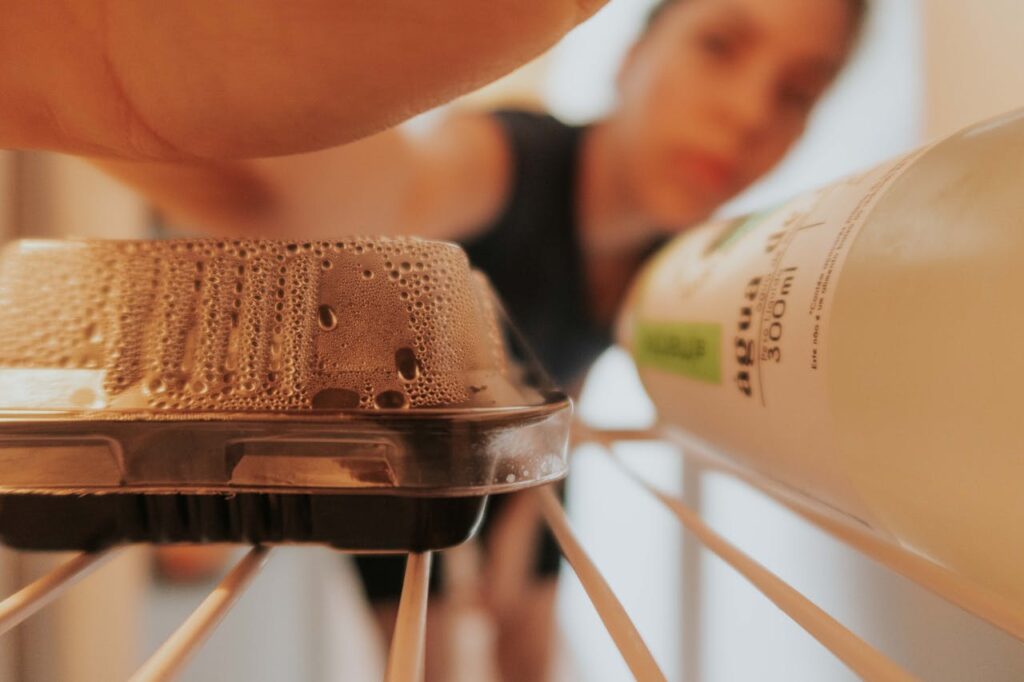
A fridge is not automatically doing its job just because it feels cold when you open the door. The USDA and FDA recommend keeping your refrigerator at 40°F or below and your freezer at 0°F or below, because warmer temperatures give bacteria a better chance to grow and make food spoil faster.
That means milk, leftovers, deli items, and cooked meals can all lose quality sooner than expected if your appliance is running even slightly warm. A simple refrigerator thermometer can save more money than most kitchen gadgets, since it helps you catch problems before your groceries end up in the trash.
Treating all produce the same is an expensive mistake.
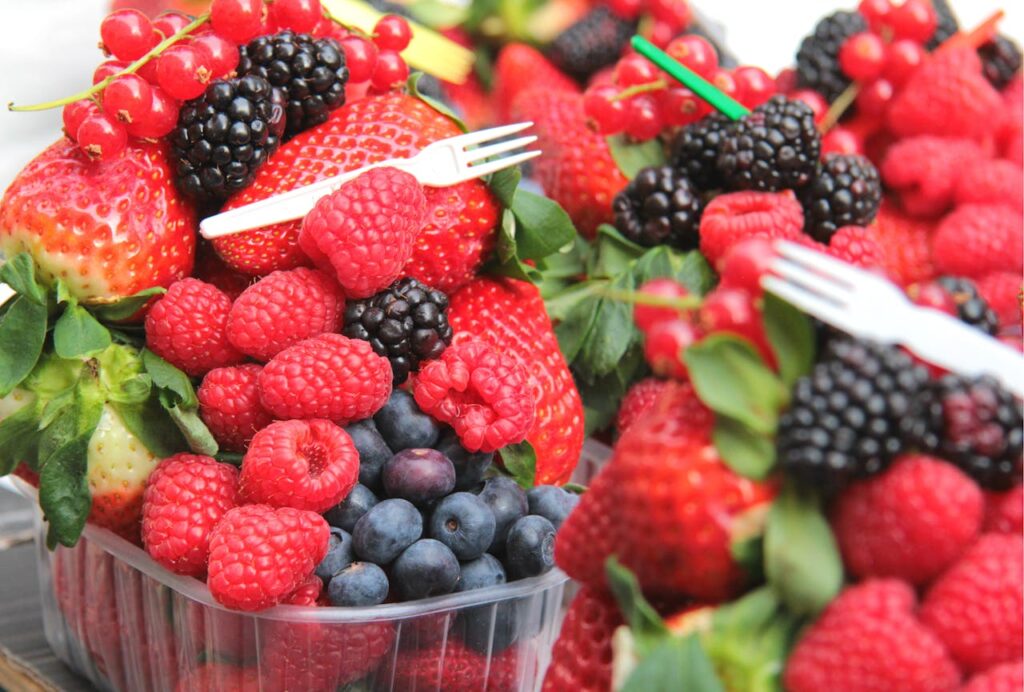
Produce is not a one-size-fits-all category, and that is where many shoppers lose money. Some fruits release ethylene gas, which speeds up ripening in nearby produce, so apples, bananas, avocados, pears, and similar items can cause more delicate foods to age faster when stored together.
University extension sources explain that ethylene is a natural ripening hormone, and even low exposure can push sensitive produce toward soft spots, flavor loss, and spoilage. That is why separating fast-ripening fruit from greens and berries is not fussy behavior; it is a practical way to stretch your grocery budget.
Leftovers do not last as long as people assume
Many people treat leftovers like they have an open-ended grace period, and that habit can waste both money and food. USDA guidance says most cooked leftovers should be used within 3 to 4 days in the refrigerator, and Foodsafety.gov repeats the same timeline across many prepared foods.
The FDA also warns that food can become unsafe even when it does not look, smell, or taste spoiled, so relying on a sniff test is a risky strategy. The result is a familiar cycle: food gets pushed to the back, forgotten for too long, then thrown away with a sigh and a guilty shrug.
The freezer is helpful, but it is not magic.
Freezing food is smart, but only when you do it properly. The USDA notes that frozen food kept at 0°F stays safe indefinitely, but quality still degrades over time, and poorly wrapped food can lose moisture and texture.
That means tossing bread, meat, or leftovers into the freezer without airtight packaging is a great way to create freezer-burned food that nobody wants to eat later. Technically safe is not the same as enjoyable, and once something looks dry, icy, or bland, i