Food is deeply connected to history—some of the most beloved dishes around the world were named after iconic figures who left their mark on society. From savory to sweet, these culinary creations often carry fascinating backstories that link them to real people who, in some cases, were far removed from the kitchen. The rich tapestry of culture, politics, and innovation shaped the dishes we know and love today, as a glimpse is provided by these stories. Below is where food and fame collide in unexpected ways.
Wellington Beef
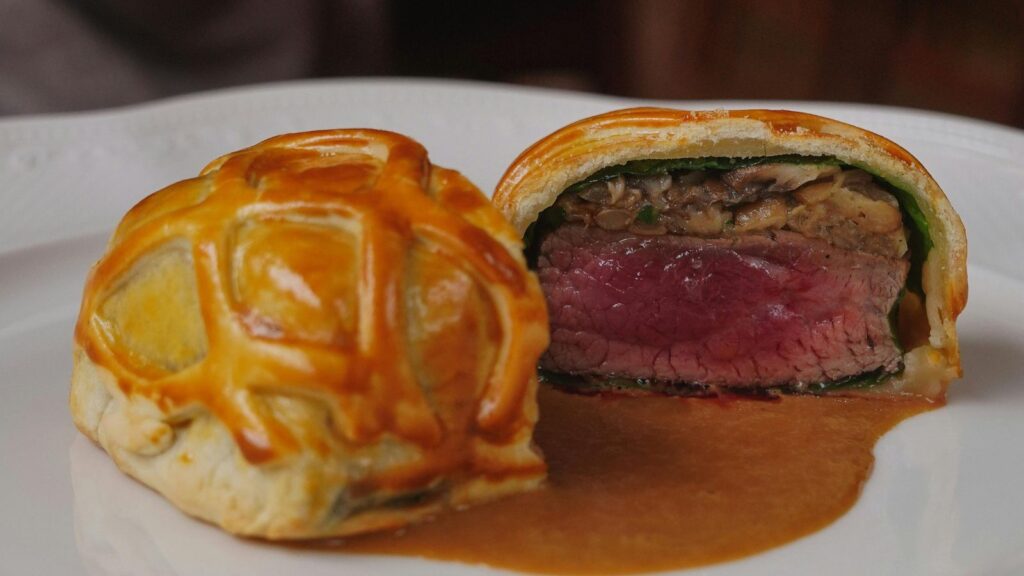
Beef Wellington is a classic dish of tender beef wrapped in puff pastry, layered with mushrooms, pâté, and prosciutto. This delicious entrée is named after Arthur Wellesley, the 1st Duke of Wellington, who is best known for defeating Napoleon at the Battle of Waterloo in 1815. Though no definitive proof exists that the Duke himself ever ate this dish, it was allegedly created to commemorate his victory and became a symbol of British military triumph. Its decadent and hearty nature reflects the grandeur of the man it was named after.
Caesar Salad
Contrary to what many may assume, the Caesar salad was not named after Julius Caesar. Instead, it was created by Caesar Cardini, an Italian-American restaurateur who ran a restaurant in Tijuana, Mexico. The salad, composed of romaine lettuce, croutons, Parmesan cheese, eggs, and a rich dressing, was invented in the 1920s when Cardini improvised with limited ingredients. Today, Caesar salad is a staple on restaurant menus worldwide, named after the visionary chef.
Sandwich
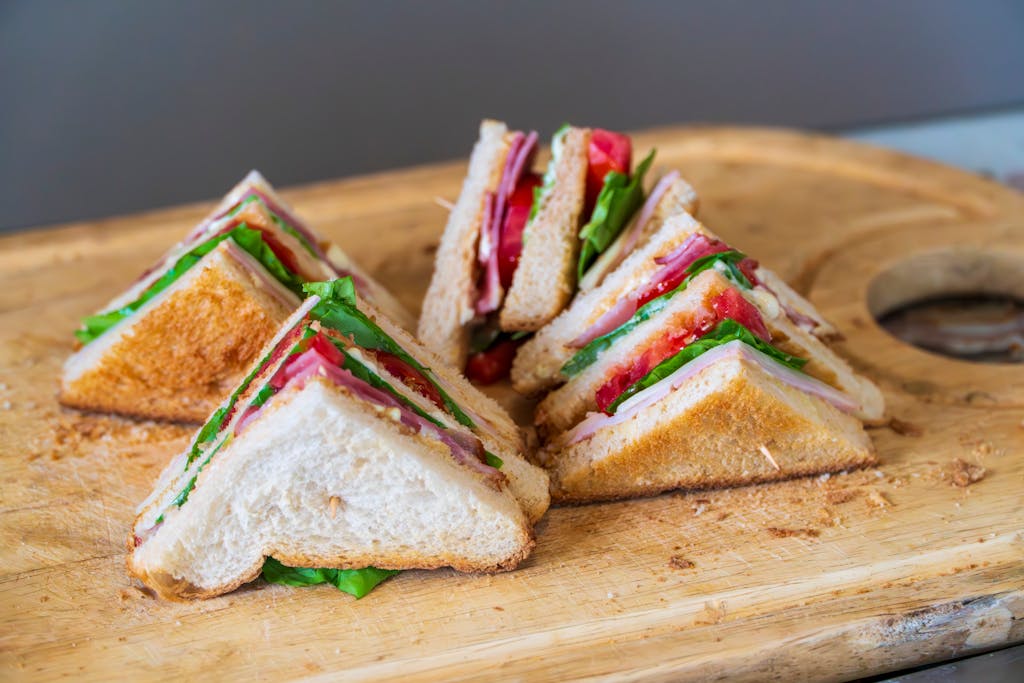
The humble sandwich is arguably one of the most popular and convenient foods around the world, and its name honors the 4th Earl of Sandwich, John Montagu. Montagu, known for his love of gambling, allegedly invented the sandwich in the 18th century as a way to eat without interrupting his gaming sessions. He requested his servant bring him some meat between slices of bread so he could eat with one hand while playing. The convenience caught on, and soon, the sandwich became a meal enjoyed by people everywhere.
Napoleon Pastry
The Napoleon pastry, often referred to as a mille-feuille, features layers of puff pastry filled with cream or custard and topped with icing. While many believe the dessert’s name is connected to Napoleon Bonaparte (French emperor), there’s no historical evidence that he had a direct link to the creation of this pastry. Some historians suggest the pastry was named after Napoleon because of its association with French aristocracy and its origins in French royal kitchens. Regardless of the exact connection, the Napoleon pastry remains a timeless favorite in the world of French desserts.
Pommes Anna
Pommes Anna is a simple yet elegant French dish of thinly sliced potatoes, butter, and herbs, beautifully layered and baked to perfection. The dish is named after Anna Deslions, a French actress known for her beauty and flair. According to legend, she requested the dish at a dinner party, and its popularity soared. Now, Pommes Anna is synonymous with classic French cuisine and remains a go-to side dish at fine dining establishments.
Benedict Eggs
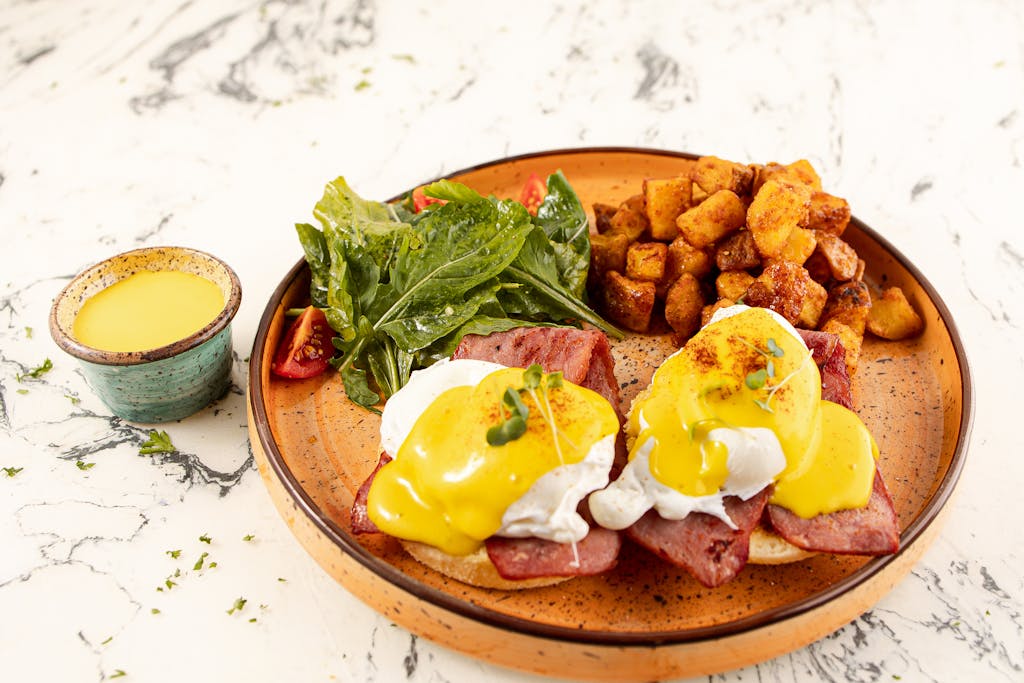
Eggs Benedict is a beloved breakfast dish consisting of poached eggs, English muffins, Canadian bacon, and hollandaise sauce. The exact origin of this dish is shrouded in mystery, but it is often attributed to a man named Lemuel Benedict (retired New York stockbroker). According to one version of the story, Benedict requested the dish at the Waldorf Hotel in the 1890s as a remedy for a hangover, and the chefs there perfected the recipe. The dish gained such popularity that it eventually appeared on the menu under the name Eggs Benedict, honoring the socialite who allegedly inspired it.
Fettuccine Alfredo
Fettuccine Alfredo is a rich and creamy pasta dish made with fettuccine noodles, butter, and Parmesan cheese. Its creation is credited to Alfredo di Lelio, an Italian chef from Rome, who invented the dish in the early 1900s. Legend has it that Di Lelio created the dish to help his wife, who was recovering from a difficult pregnancy, regain her appetite. The dish was so well-loved that it quickly became famous worldwide, particularly after Hollywood stars like Mary Pickford and Douglas Fairbanks dined at his restaurant in the 1920s.
Tarte Tatin
Tarte Tatin (an iconic upside-down caramelized apple tart) was created by accident by the Tatin sisters, Stéphanie and Caroline, who ran a hotel in the Loire Valley of France. One day, while preparing a traditional apple pie, Stephanie accidentally left the apples cooking too long in butter and sugar. In an attempt to save the dish, she quickly covered the caramelized apples with pastry and baked them, ultimately creating a culinary masterpiece. The Tarte Tatin became a signature dish and is now a beloved French dessert named after the inventive Tatin sisters.
Kaiser Roll
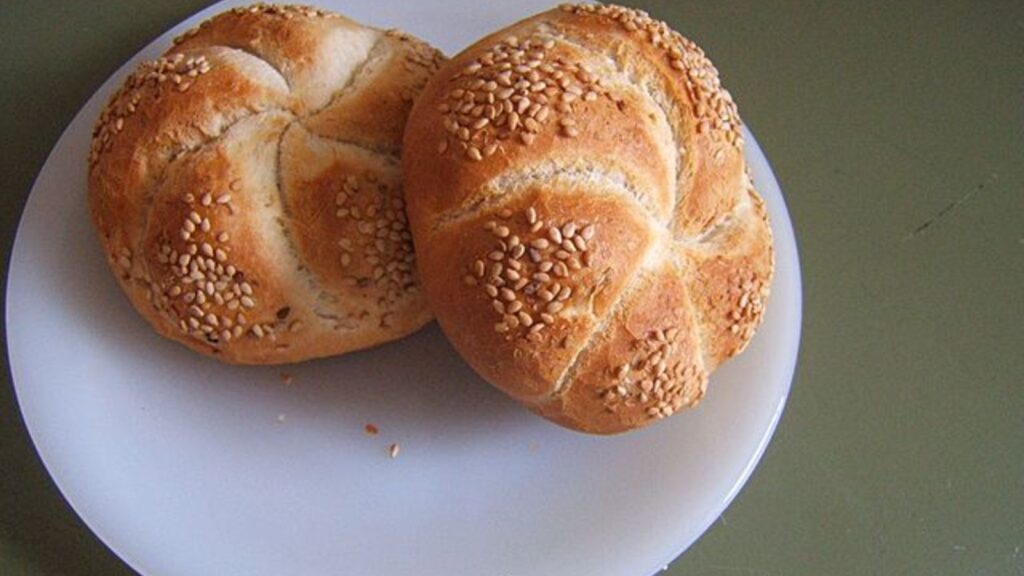
The Kaiser roll, also known as the Vienna roll, is a round bread roll with a crisp crust and soft interior. It’s believed to be named after the Austrian Emperor Franz Joseph I (the Kaiser), whose reign began in the mid-19th century. The bread’s unique shape is said to resemble the imperial crown, and its popularity spread across Europe and eventually to the United States. Today, the Kaiser roll is commonly used for sandwiches, especially those with hearty fillings.
Ratatouille
Ratatouille (French vegetable dish) gained international fame thanks to the Pixar movie of the same name. However, its roots trace back to the Provençal region of France, where it was a dish for humble farmers. The name may not reference a particular historical figure, but its cultural significance and connection to French aristocracy and the culinary legacy of the region make it an essential part of France’s gastronomic heritage. Its history and rich flavors speak to the versatility of French cuisine and the importance of simple, fresh ingredients.
Conclusion
These fascinating names behind these culinary creations highlight how food and history are intertwined in unexpected ways. Many of these dishes were born of unique personal stories or inspired by the grandeur of historical figures, and they remain enduring symbols of the cultures they originated in. Next time you sit down to enjoy one of these dishes, you’ll know the rich history and notable people who helped shape these timeless recipes.