If you have ever eaten breakfast and still felt hungry well before lunch time, the issue might be what is not on your plate rather than what is. Many typical morning meals focus on simple carbs and sugar that digest quickly and leave you crashing, but they lack a key nutrient that helps keep you feeling full. Adding high‑fiber foods to breakfast slows digestion, feeds friendly gut bacteria, and stabilizes blood sugar levels throughout the morning. Increasing your fiber intake at breakfast sets the tone for the rest of your day and helps you work toward daily fiber goals that most people fall short of.
Here are ten expanded high‑fiber breakfast ideas that help solve the problem of hunger and low energy early in the day:
Chia Seed Pudding
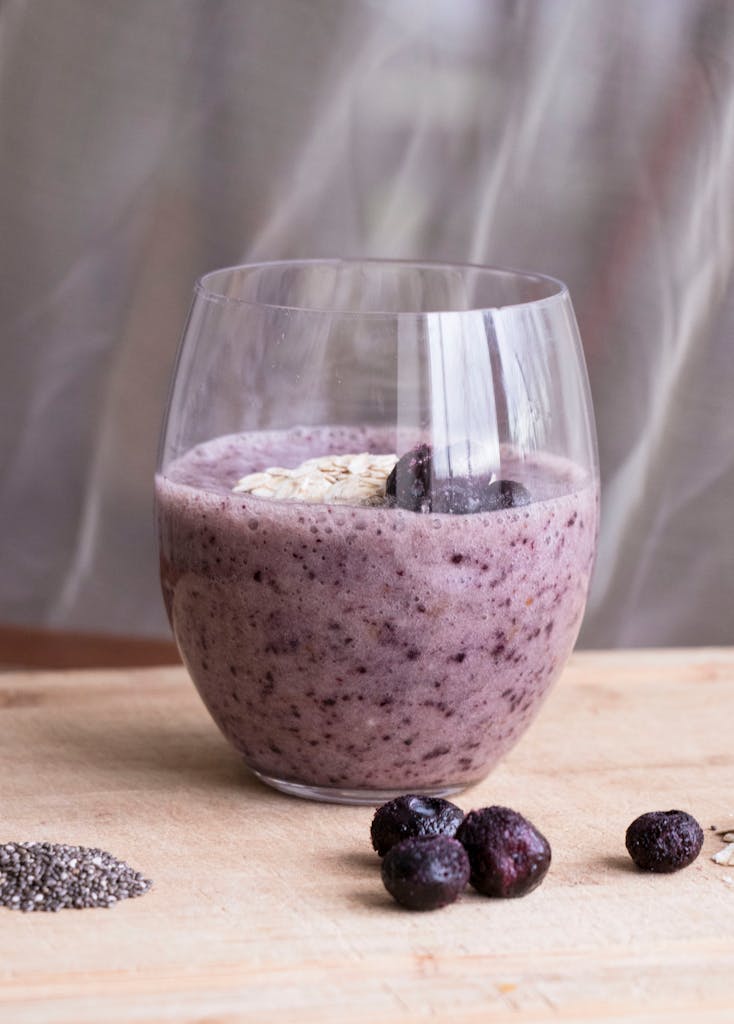
Chia seeds are naturally rich in fiber and a simple base for pudding when soaked in your favorite milk. By themselves, they provide a good dose of fiber, but to make this meal feel satisfying, add fresh berries or chopped nuts. Preparing it the night before gives you a creamy, ready‑to‑eat option that keeps hunger at bay without the insulin spikes that sugary cereals cause. This breakfast is also highly customizable with spices like cinnamon or vanilla to suit different flavor preferences.
Whole Wheat French Toast
Pairing whole wheat bread with eggs for French toast adds fiber from the bread and protein from the eggs, but syrup can negate much of the health benefits by adding quick‑digesting sugars. Instead, use fresh fruit or a dusting of cinnamon for sweetness with added nutrients. This simple swap means your breakfast delivers lasting energy without the blood sugar roller coaster.
Green Smoothies

Blending leafy greens like spinach or kale with frozen fruit and seeds creates a fiber‑packed drink that your body digests slowly. However, some smoothies feel too light and leave you unsatisfied. To improve satiety, include protein like Greek yogurt or a scoop of nut butter, and be sure to add fiber‑rich ingredients such as bananas or pears. When done right, this drink delivers both soluble and insoluble fiber plus micronutrients that support digestion and steady energy.
Sweet Potato Breakfast Tacos
Using whole‑grain tortillas stuffed with roasted sweet potatoes and black beans is a clever way to get fiber and flavor together. Sweet potatoes alone contain fiber and vitamins, but pairing them with beans increases overall fiber and protein. Toppings like avocado and salsa add healthy fats and antioxidants, making this meal a balanced, hearty choice that helps keep your gut moving and your energy steady.
Avocado Toast

An Instagram favorite, avocado on toast is a fiber hit only when you choose whole‑grain bread. The bread offers fiber from whole grains, while the avocado adds additional fiber and healthy fat. To make this breakfast more filling, sprinkle hemp hearts or chia seeds on top for texture and an extra fiber boost. Adding a side of fruit, like kiwi or raspberries, can make this more of a complete meal than a snack.
A Bowl of Cereal
Many store‑bought cereals are high in sugar and low in real fiber. To make cereal a high‑fiber breakfast, choose whole-grain options that list whole wheat or bran as the first ingredient and aim for at least 5 grams of fiber per serving. Top your bowl with sliced fruit and nuts to further boost fiber and add a bit of protein, helping avoid mid‑morning energy dips that sugary breakfasts can cause.
Savory Granola
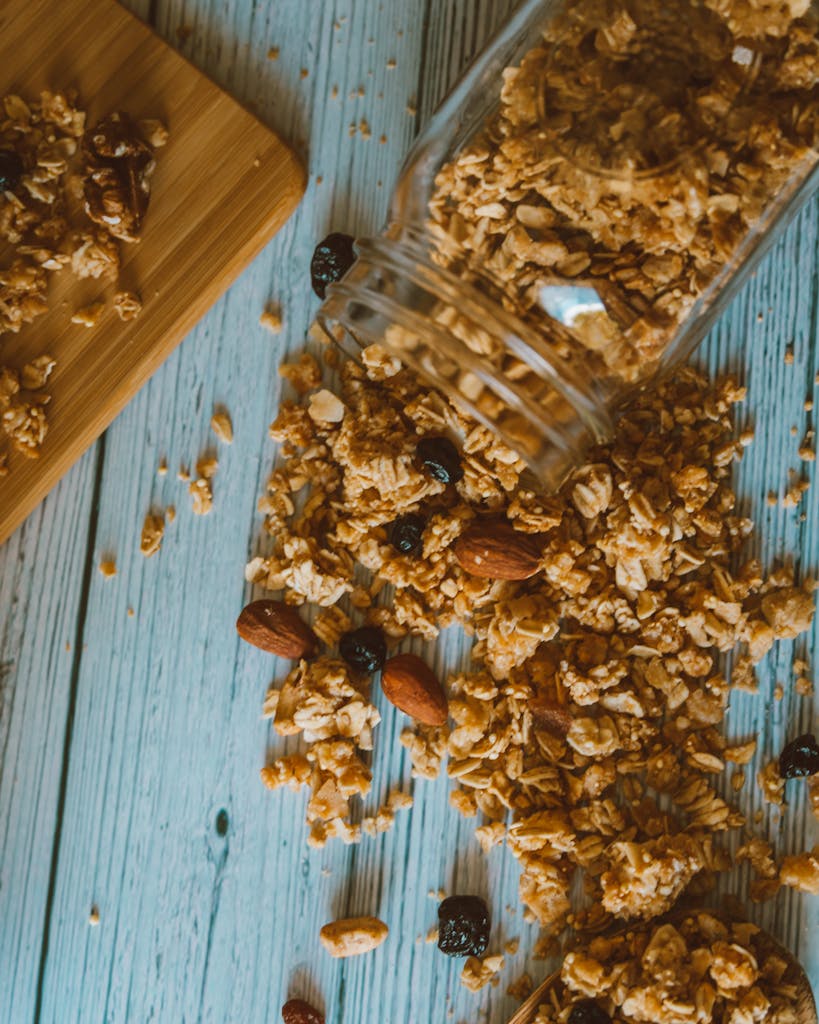
Granola is often thought of as sweet, but savory versions with seeds and spices bring fiber from oats, pepitas, and sesame seeds without extra sugar. Eating it alongside eggs or on top of yogurt gives a mix of fiber and protein that supports digestion and fullness. The crunch and complex flavor help make this less like a snack and more like a satisfying meal.
Beans in a Skillet Breakfast
White beans or cannellini beans paired with vegetables and eggs make a skillet breakfast rich in both fiber and protein. It may not be traditional breakfast fare, but this dish delivers sustained fullness and gut health benefits. The combination of legumes and leafy greens provides both soluble and insoluble fiber, as well as micronutrients that many breakfast foods lack.
Yogurt With Granola and Fruit

Yogurt by itself does not contain fiber. When you add granola and fruit, consider the balance: a generous portion of mixed berries and high‑fiber granola helps ensure this bowl provides enough fiber to slow digestion. Sprinkling chia seeds or ground flaxseed on top adds more fiber without changing the taste dramatically.
Overnight Oats
Oats are a classic high‑fiber choice, but plain oats deliver only moderate fiber. To make overnight oats truly satisfying, mix in fruits like apples or pears and seeds like flaxseed or chia. This turns a basic bowl into a fiber powerhouse that digests slowly and keeps hunger under control long past breakfast time.
Making fiber a priority at breakfast can help correct the common issue of morning cravings and energy crashes by stabilizing how fast food leaves your stomach and how steady your blood sugar stays.
Conclusion
In conclusion, skipping fiber at breakfast is one of the easiest ways to set yourself up for hunger and dips in concentration later in the day. The ten ideas above show how adding the right ingredients can turn a weak breakfast into one that supports digestion, prolongs fullness, and fuels your morning with steady energy. Simple swaps and additions like whole grains, seeds, beans, nuts, and fruit make all the difference in transforming a typical meal into a fiber‑rich start that your body will thank you for.