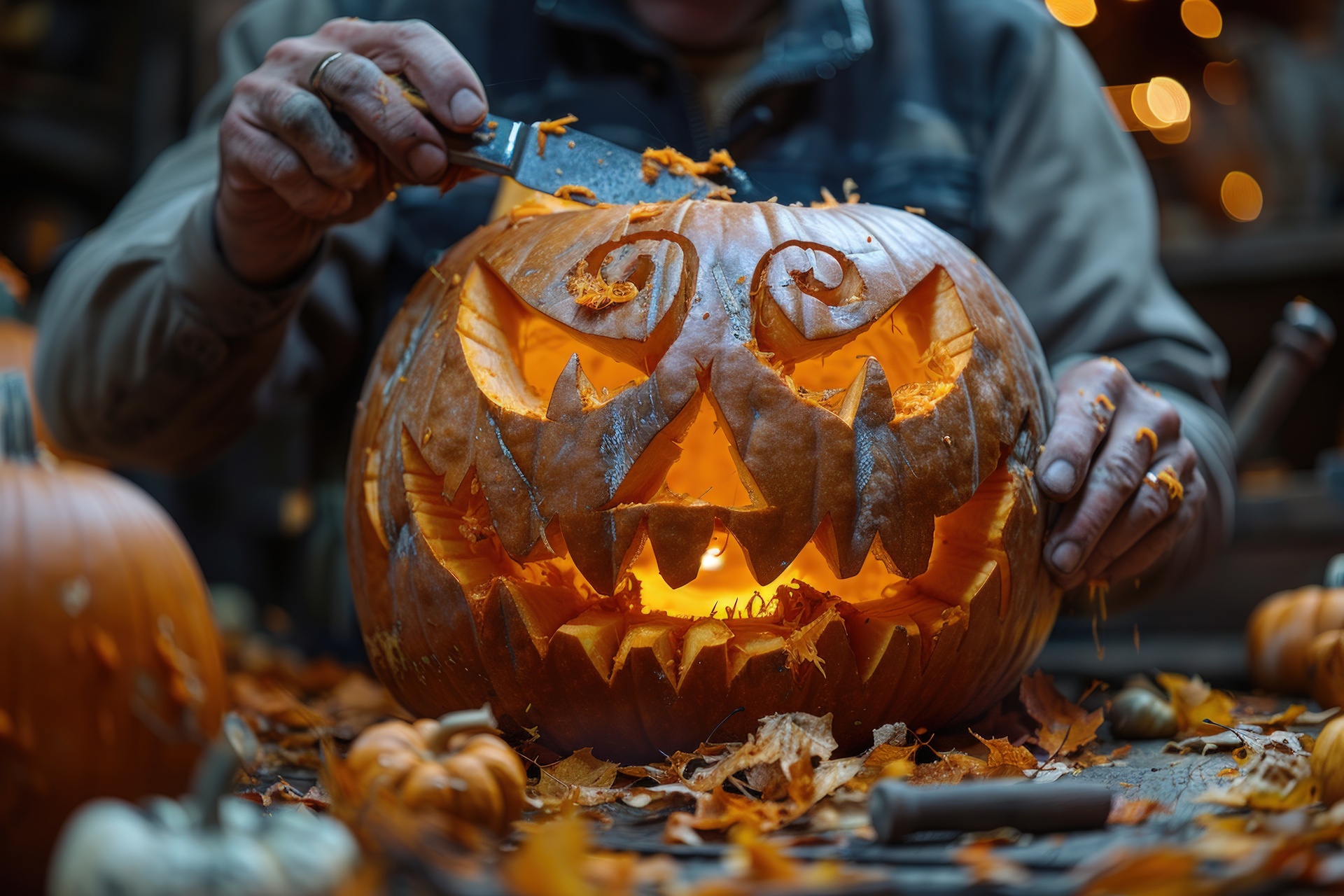
Throughout history, food has been more than just sustenance; it’s been a gateway to understanding fate, fortune, and the unseen forces at work in the world. Long before modern divination tools like tarot cards and astrology apps became mainstream, people turned to their kitchens for answers. Flour, salt, onions, cheese, and even corn were used in rituals, omens, and tests of truth. These foods were imbued with mystical properties, believed to reveal hidden truths, predict the future, and even protect against harm.
Flour Divination
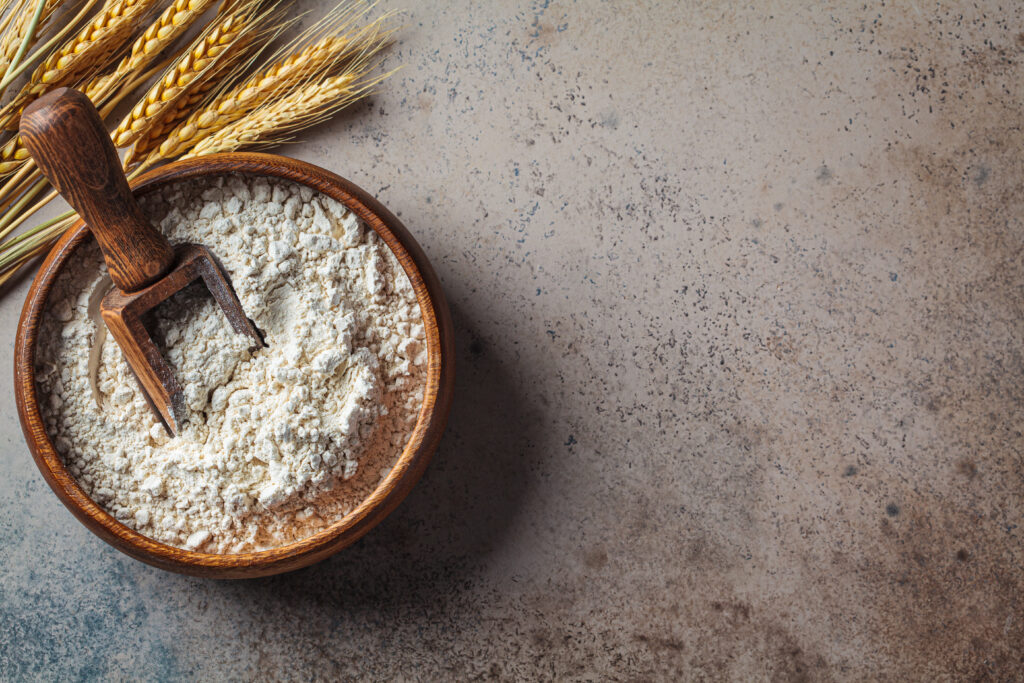
Aleuromancy, or the reading of flour, was practiced as early as ancient Greece. Diviners would hide messages in pieces of dough or flour cakes, which were then mixed, baked, and distributed among a group of people. The divination occurred when the recipient interpreted the symbols or messages embedded in their piece of bread, which was believed to reveal their future. This practice carried into modern times through fortune cookies, a playful reminder of ancient methods of predicting fate using common kitchen staples.
Salt
Salt has long been viewed as a powerful and protective substance in many cultures. In ancient rituals, it was used for purification, blessing, and to ward off evil spirits. People believed that salt could protect a space from negativity, which is why it was often scattered at the corners of rooms or sprinkled over sacred objects. The method of throwing salt over the shoulder for good luck is a remnant of ancient alomancy, where the patterns of scattered salt were read for meaning, guiding decisions or offering protection in uncertain times.
Onions and Cromniomancy
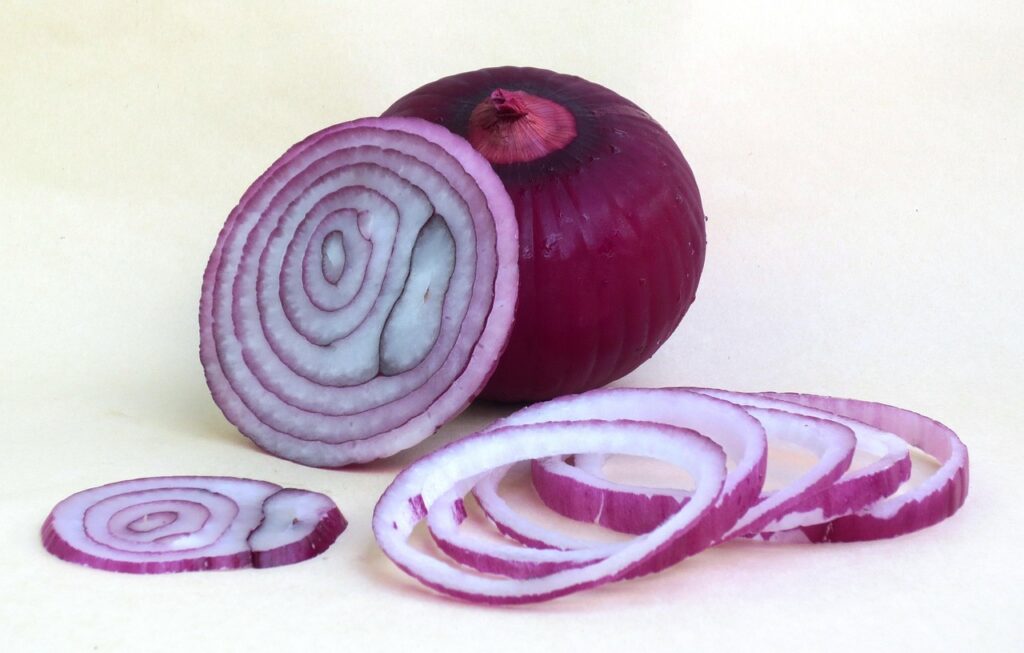
Onions were more than just a food staple in ancient cultures; they were used in divination practices like cromniomancy. The layers of an onion symbolized the many layers of the future, and the way it sprouted, or the patterns formed by its growth, could predict what was to come. In medieval Europe, onions were placed under pillows to reveal the name of a future partner through dreams. In some traditions, the way onions sprouted or reacted when cut or burned was believed to offer insight into upcoming events.
Cheese and Tyromancy
Cheese, with its process of transformation from liquid to solid, held mystical significance for centuries. Tyromancy, the divination through cheese, involved examining the shape, holes, or mold patterns on pieces of cheese to predict love, success, or misfortune. In medieval Europe, people carved names into pieces of cheese and left them to mold. The first piece to grow mold was said to reveal the name of the person’s perfect match, making cheese a popular tool for love divination.
Corn
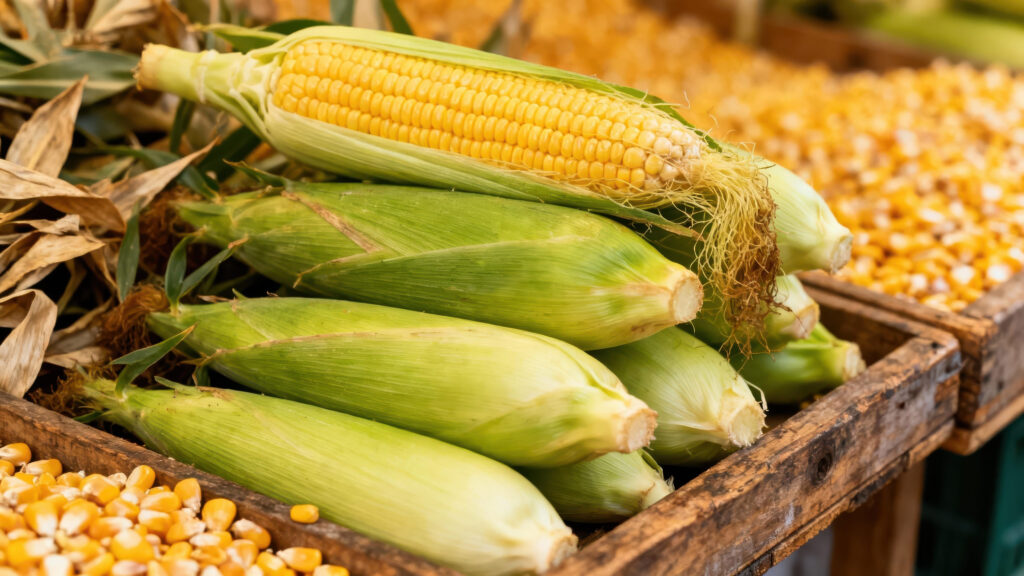
In ancient Mesoamerica, corn was sacred, believed to be a gift from the gods and a link between humanity and the divine. Corn was not just a staple food; it was central to religious and spiritual practices. Divination methods involving corn kernels included casting them onto a surface and reading the resulting patterns to interpret the future. Corn’s significance in many indigenous cultures made it a powerful tool for connecting with the divine and seeking guidance on matters of life, love, and destiny.
Eggs and Oomancy
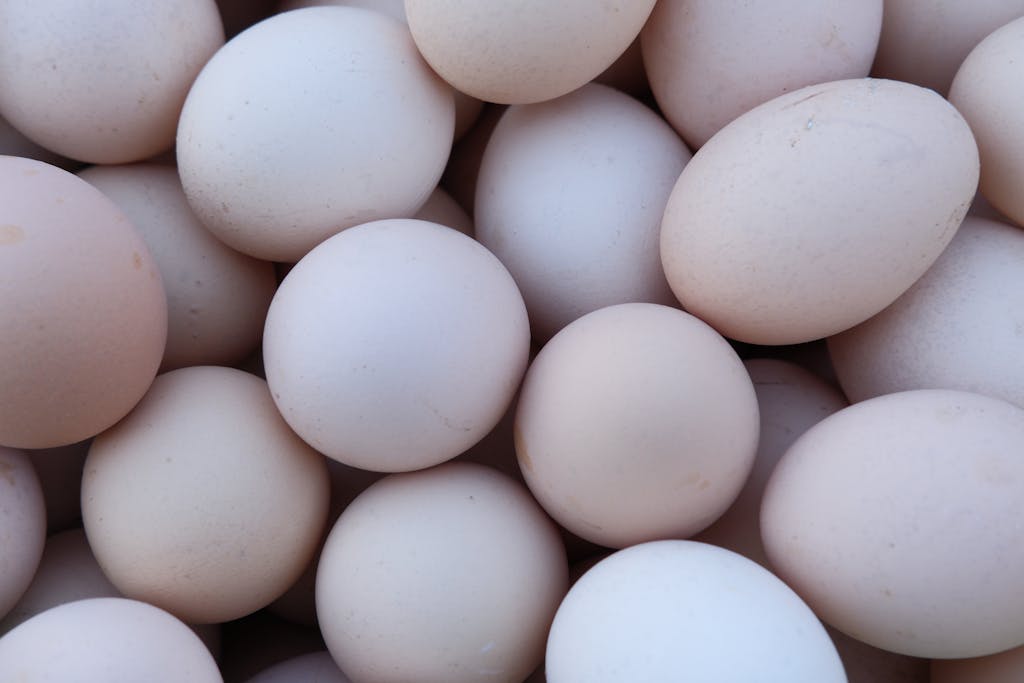
Eggs have long been associated with life, rebirth, and fertility, making them ideal for mystical practices. Oomancy, or egg divination, involves interpreting the shapes formed by egg whites when dropped into water or analyzing the lines on the eggshell. In some traditions, eggs were cracked open to reveal hidden messages, while others used them to cleanse negative energy or seek protection. Eggs’ symbolic connection to creation and the cosmos made them a powerful tool for fortune-telling, especially in rituals surrounding new beginnings or major life transitions.
Conclusion
These foods, once considered magical and full of hidden meanings, show how deeply intertwined daily life and spiritual practices were in the past. Kitchen divination wasn’t just about food; it was about understanding the world through the things people had closest at hand.