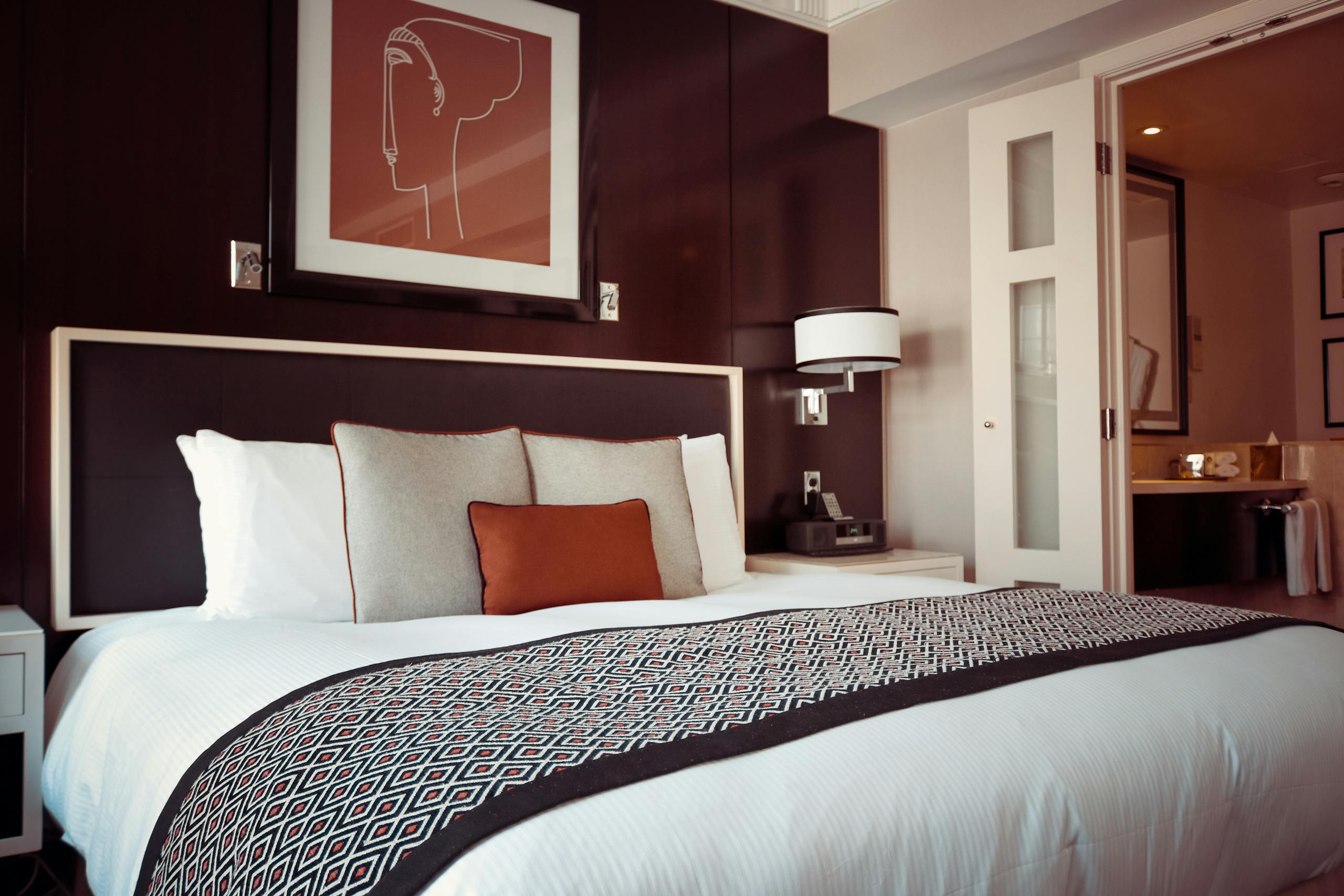
Spring has a way of exposing what winter managed to hide. The same cozy details that felt comforting during colder months can suddenly make a room feel stuffy, crowded, and far dimmer than it should. That is why designers treat spring as a visual reset, stripping away pieces that block light, add weight, or keep a home stuck in a colder season. Here are six common items that designers routinely remove once the weather warms up, all aimed at making rooms feel brighter and airier again.
Heavy drapes

One of the fastest ways to make a room feel gloomy in spring is to leave heavy window treatments in place. Thick drapes often soften a room in winter, but once the season changes, they can work against the fresh and open feeling most people want. Designers recommend starting with the windows by cleaning the glass and either pulling back heavy panels or replacing them with lighter fabrics that let daylight move through the space more freely. This swap changes the mood of a room almost instantly because natural light does more than brighten a corner; it makes the whole home feel awake again.
Velvet pillows and dark cushions
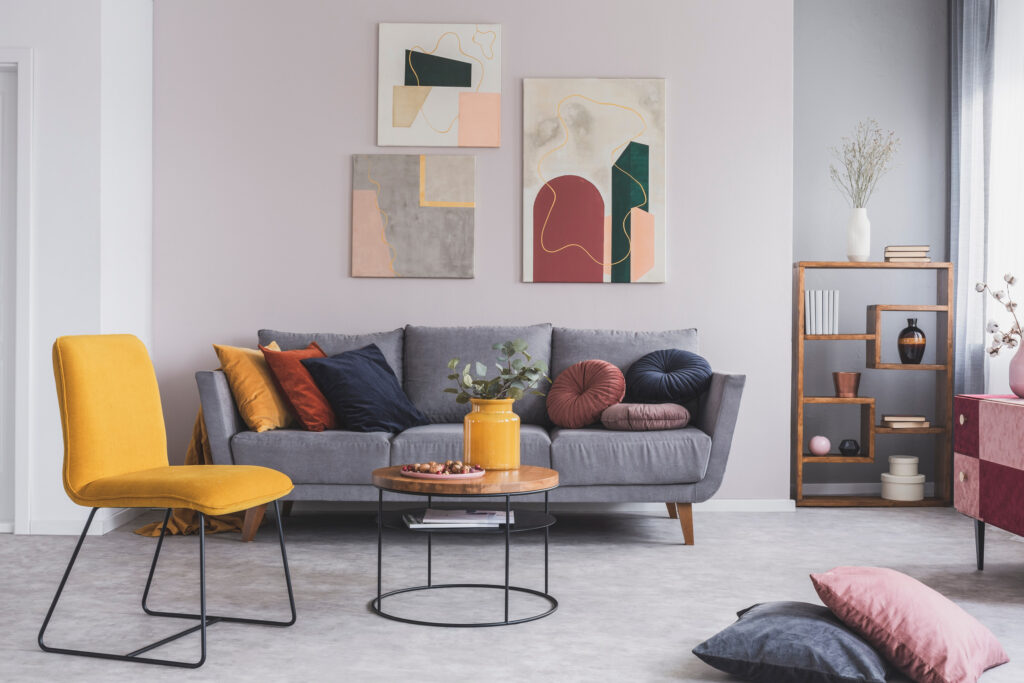
Velvet cushions and deep, moody pillows can make a living room feel rich and layered, but spring asks for a lighter hand. Designers highlighted velvet, seriously patterned cushions, and darker, fuzzy pillows as among the first pieces to put away when the season shifts. In their place, linen, cotton, and softer neutral tones help seating areas feel less formal and less visually dense. The goal is not to strip the room of personality, but to trade heaviness for ease so the space feels relaxed, breathable, and more in tune with longer days.
Warm blankets
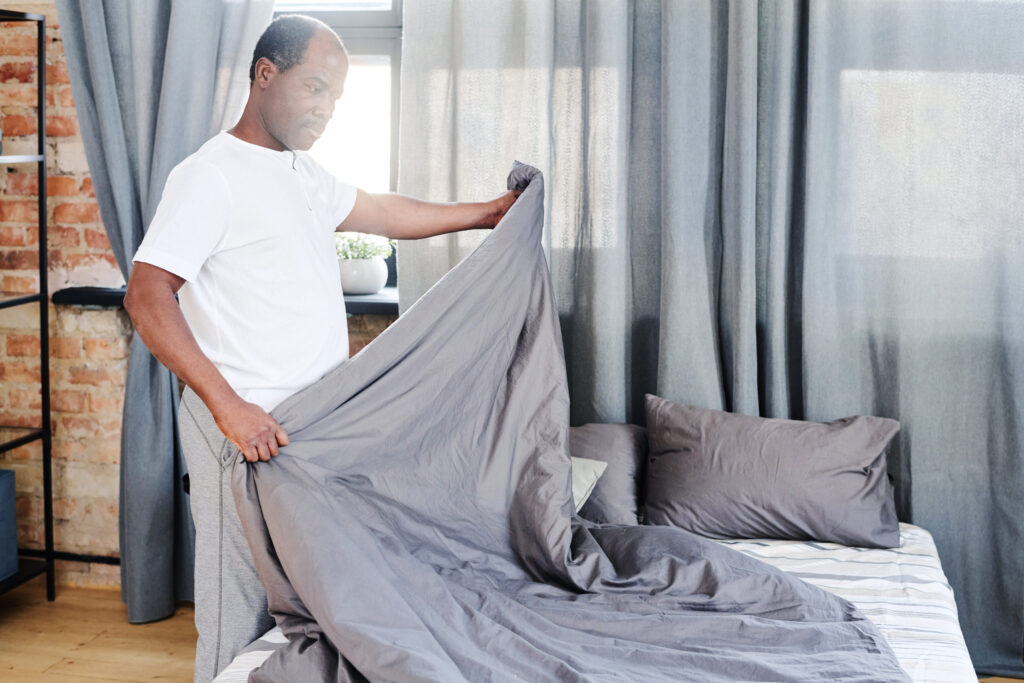
A thick wool blanket makes perfect sense on a freezing night, but by spring it can start to look more oppressive than inviting. Designers say heavy throws, faux fur layers, and autumnal textures are among the first things they remove because they add visual mass even when no one is using them. Swapping them for lighter cashmere or cotton throws keeps the room comfortable without making it feel overheated or overcrowded. It is a small seasonal edit, yet it sends a strong signal that the room is meant to feel fresh rather than bundled up.
Coffee table clutter
Spring decorating is not always about bringing in more. Sometimes it is about taking away what has quietly piled up over the colder months. Designers pointed to crowded coffee tables filled with magazines, candles, books, and decorative extras as a major reason rooms lose that open, airy look. Clearing those surfaces creates breathing room, and even leaving the table mostly bare can feel more intentional than layering it with objects that compete for attention. A simple vase of fresh flowers has more impact in spring than a stack of accessories fighting for space.
Jewel-toned dishes and accessories
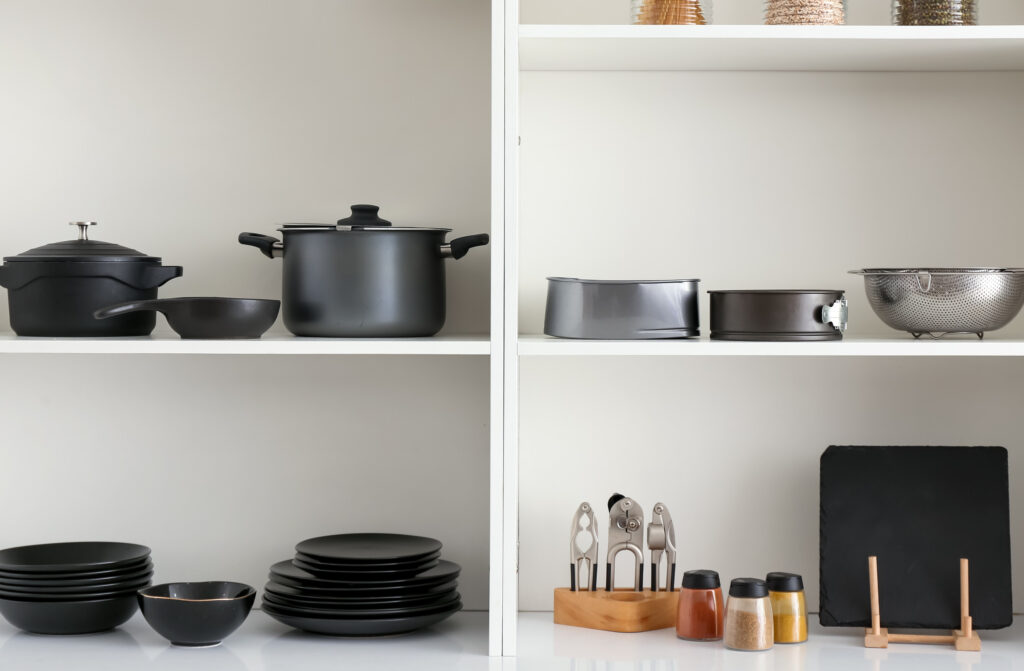
Dark tableware can look dramatic and beautiful in fall and winter, but spring usually benefits from a brighter palette. Designers recommend packing away jewel-toned dishes and kitchen accessories and replacing them with whites, yellows, soft pinks, or lighter seasonal patterns. These colors reflect more light, making dining areas feel cleaner, fresher, and more cheerful without any renovation at all. It is one of those subtle changes people often overlook, yet it can make a kitchen feel far less heavy the moment you walk in.
Dried or silk flowers
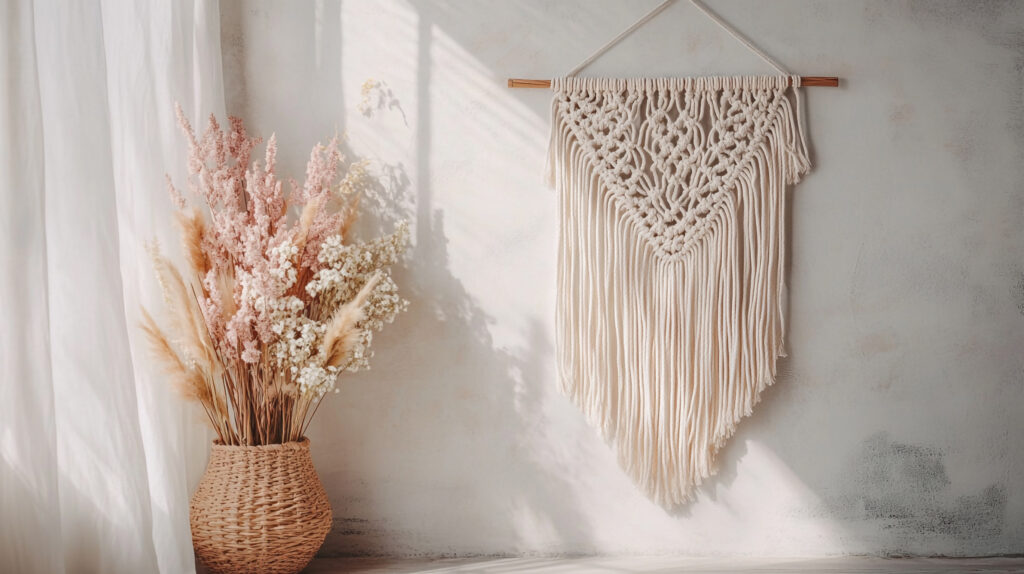
Artificial and dried arrangements may be practical during colder months, but spring is less forgiving with décor that looks static or dusty. Designers specifically called out dried florals, silk flowers, and even heavy ceramic vases as pieces that can darken corners and collect dust rather than energize a room. Replacing them with live flowers, fresh greenery, or even a single simple branch adds movement, life, and a sense of seasonality that faux arrangements often cannot match. In spring, what feels alive in a room matters just as much as what looks pretty on a shelf.
Conclusion
A brighter spring home is often less about buying new décor and more about recognizing what is dragging the room down. Heavy fabrics, dark accessories, and clutter can keep a space tied to winter long after the season has passed. By removing items that block light, add bulk, or make a room feel visually tired, the whole home can feel renewed. Swapping out these pieces opens up the space, bringing in fresh air and light without requiring major changes.