America often appears friendly and easy to navigate at first glance. The highways, coffee shops, familiar stores, and smiling faces make visitors feel at home before they even land. That comfort, however, can be deceiving. Simple assumptions about how the country works, cultural cues, or local laws can quickly turn an ordinary day into a stressful ordeal. Even careful travelers risk costly mistakes if they overlook hidden rules, customs, or expectations.
The United States offers a mix of open landscapes, exciting cities, and countless experiences that make visiting memorable. But the country also has rules, habits, and social expectations that differ from what travelers might know. Knowing what not to do can save time, money, and embarrassment. Here are eight dangerous mistakes visitors should avoid in America to ensure a smooth, enjoyable trip.
Never Try to Bribe a Police Officer
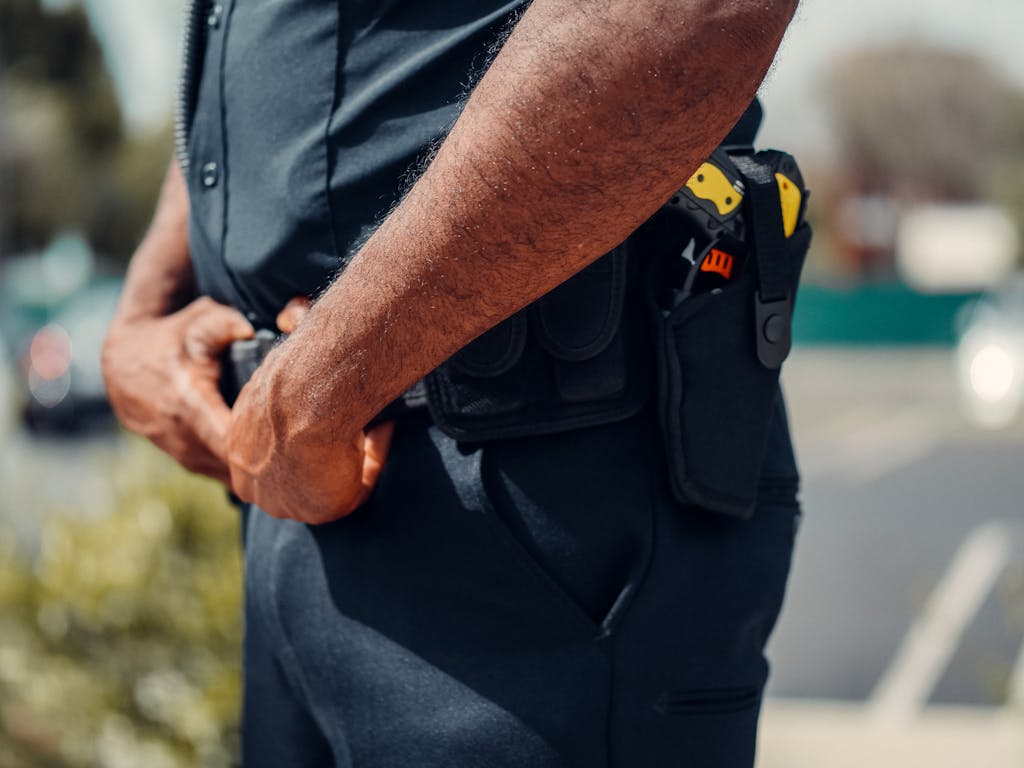
In some countries, offering a quiet payment can smooth over a traffic stop or minor legal issue. In America, that tactic is illegal and can escalate the situation. Any attempt to bribe a police officer with cash, gifts, or favors can result in arrest, fines, or even criminal charges. What seems like a small shortcut can quickly turn into a nightmare involving police reports, legal fees, and the potential for detention.
Instead, visitors should remain calm and cooperative. Keep your hands visible, speak clearly, and avoid gestures or jokes that may appear suspicious. If you feel you were treated unfairly, the correct approach is to record details and address the issue through legal channels afterward. Trying to negotiate in the moment almost always makes things worse, not better.
Never Joke With Border Officers
Airport and land border officers take security seriously, and they do not appreciate humor about sensitive topics. Jokes about drugs, weapons, overstaying a visa, or hiding items in luggage can be seen as serious threats. What a traveler considers funny or harmless can lead to secondary questioning, denied entry, or even detention. Even sarcastic remarks about immigration rules are risky and often misinterpreted.
The safest approach is straightforward honesty. Answer questions directly, have documents ready, and clearly explain the purpose of your visit. Polite demeanor is fine, but trying to be clever can trigger suspicion where none previously existed. Borders are not the place to test wit; your safest strategy is simplicity, clarity, and respect.
Never Assume Medical Help Will Be Cheap

Visitors often underestimate the high cost of healthcare in America. Even minor emergencies can result in thousands of dollars in bills. Ambulance rides,emergency room visits, or prescriptions can quickly become financial stressors for travelers without insurance. Expecting healthcare to be cheap can lead to panic when faced with urgent care costs that far exceed your expectations.
Preparation is essential. Visitors should invest in comprehensive travel insurance, keep essential medications on hand, and know the location of nearby urgent care or clinic options. Understanding potential expenses before a medical emergency arises ensures that health concerns are addressed promptly rather than avoided, keeping both safety and finances in check.
Never Cheat on Taxes or Official Forms
America relies heavily on paperwork, and mistakes can carry serious consequences. Providing false information on tax returns, visa applications, customs declarations, or employment forms can result in penalties, fines, or even permanent travel restrictions. Small lies or skipped questions are treated seriously and can follow travelers for years through official records.
The most reliable approach is caution and accuracy. Ask questions before signing forms, clarify instructions when needed, and provide correct details. Whether declaring income, gifts, or travel plans, honesty avoids unnecessary complications and prevents minor misunderstandings from escalating into major legal problems.
Never Take “How Are You?” Too Literally
Visitors can be surprised by casual American greetings. “How are you?” is often a polite ritual rather than a genuine request for personal details. Answering with a long explanation of personal struggles or health issues in public settings can create awkward moments or discomfort. Cashiers, coworkers, and strangers typically expect a simple “Good, thanks” instead.
While Americans are friendly, social cues in public conversations tend to favor brevity. Personal topics should be reserved for friends, family, or those who clearly invite deeper discussion. Understanding these conversational norms prevents misunderstandings and keeps interactions smooth, polite, and comfortable for both parties.
Never Ignore Tipping Culture

Tipping is a cornerstone of service culture in America. Servers, bartenders, rideshare drivers, hotel staff, and hairdressers often rely on tips to make a living. Skipping tipping or leaving too little can seem disrespectful, even if the service was acceptable. Many visitors are shocked when they realize the expectation is built into the cost of the experience rather than being optional.
Planning for tips in advance prevents awkward moments and ensures fairness. Budgeting a percentage of the bill for restaurants or services is part of standard practice, and even small gestures like rounding up or leaving extra for exceptional service show respect. Ignoring tipping culture can leave a negative impression and may create tension where none should exist.
Never Walk Around With Open Alcohol

Open container laws vary by city and state, but the general rule is clear: public drinking is heavily regulated. Walking down a street with an open beer, drinking in public parks, or carrying alcohol into prohibited areas can attract fines or police intervention. Some entertainment districts allow open containers, but most cities enforce strict rules.
Visitors must research local laws before consuming alcohol outside designated spaces. Licensed bars, restaurants, private homes, and official events are usually safe. Understanding these laws prevents misunderstandings, unwanted attention, and costly citations that can sour a trip quickly.
Never Treat Distances Like They Are Small
America’s size can be misleading. Cities, highways, and attractions appear close on a map but often involve hours of driving, unexpected traffic, tolls, and additional stops. Underestimating travel distances can ruin schedules, cause fatigue, and lead to missed reservations or attractions.
Planning ahead is key. Factor in real travel times, rest breaks, parking, and potential weather or traffic delays. This practical approach allows travelers to enjoy destinations fully and reduces stress, ensuring long trips remain manageable rather than exhausting.
Conclusion
Visiting America offers incredible experiences, from vibrant cities to natural wonders. It can also surprise travelers with strict rules, high costs, and hidden social expectations. The most common mistakes, such as bribing officials, joking with border agents, skipping tipping, ignoring medical costs, mishandling forms, or misreading social cues, can turn an enjoyable trip into a stressful ordeal.
Travelers who pause, prepare, and respect local laws and customs navigate the country safely. Awareness, research, and careful planning ensure your visit is memorable for the right reasons. Being informed transforms potential pitfalls into smooth, rewarding experiences.