Solitary confinement remains one of the most extreme punishments in the U.S. prison system. Thousands of inmates face complete isolation for weeks, months, or even years, with minimal human contact and harsh daily routines. The psychological and physical effects are severe, yet the practice continues to expand, often used for minor offenses or as a default measure for inmates with mental health challenges. Understanding the grim realities of this environment sheds light on the hidden costs of punishment that rarely reach public awareness.
While the legal system frames solitary confinement as a corrective measure, the reality is far darker. Prisoners are subjected to sensory deprivation, irregular routines, and strict behavioral monitoring, all of which compound stress and trauma.
The following points reveal the stark consequences of life behind closed doors in restricted housing units.
Extreme Isolation Shapes Daily Life
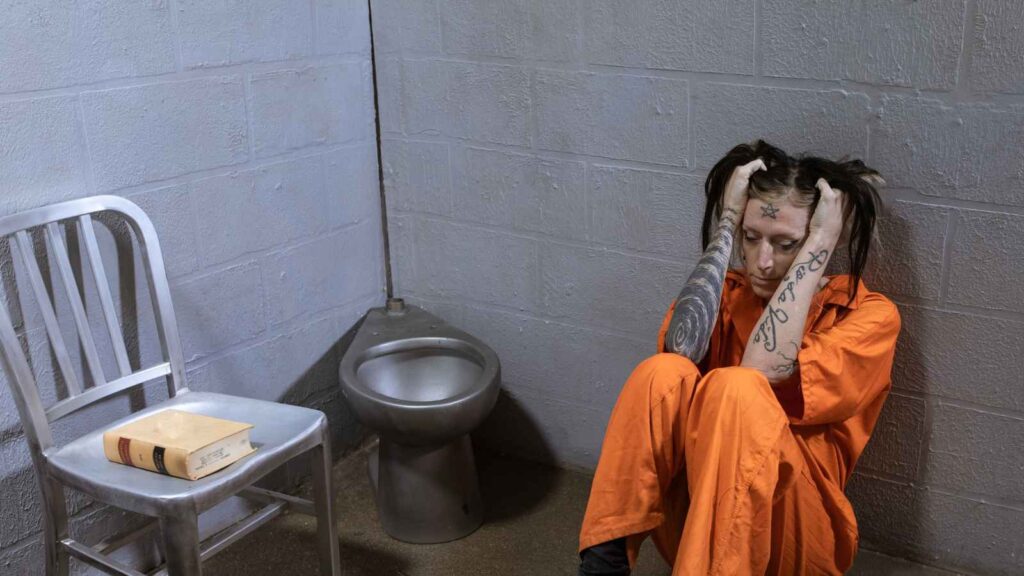
Solitary confinement isolates prisoners in small cells for 22 to 24 hours each day, leaving them with minimal social interaction. Meals are delivered through slots, phone access is restricted, and any human contact is mediated entirely by guards. Prisoners can spend weeks in these conditions without seeing natural light or engaging in normal conversation, creating an environment that magnifies stress and loneliness.
Recreational activities are almost nonexistent, and the monotony of life in a single cell can erode mental resilience. Even brief interactions with staff are often intimidating and controlled, fostering a sense of constant surveillance and fear. These conditions produce not only emotional strain but also heightened physical tension, contributing to long-term health risks.
Denial of Basic Needs
Solitary confinement often involves deprivation of fundamental human needs, including adequate nutrition, hygiene, and medical care. Inmates may go extended periods without showers, receive insufficient or spoiled food, and experience delayed or ignored medical attention. These violations undermine physical health and exacerbate the psychological impact of isolation.
Neglect of basic needs creates an environment of indignity and suffering. The systematic denial of essential services reinforces the punitive intent of confinement while compounding the long-term consequences for prisoner well-being.
Heightened Risk of Self-Harm
Inmates in solitary confinement are significantly more likely to harm themselves than the general prison population. Self-mutilation ranges from superficial cuts to severe injuries inflicted with improvised tools or personal objects. The combination of isolation, mental illness, and environmental stressors makes self-harm a common response to extreme confinement.
The lack of intervention or timely medical attention often allows these behaviors to escalate. In some cases, prisoners survive severe injuries, but many endure lasting physical and emotional consequences, highlighting the dangerous nature of prolonged isolation.
Psychological Torture Becomes Routine

Extended solitary confinement can have long-lasting psychological effects, including paranoia, hallucinations, and cognitive deterioration. Prisoners often report hearing disembodied voices, experiencing distorted perceptions of time, and developing chronic anxiety. Such symptoms mirror those found in clinical studies of extreme sensory deprivation and psychological stress.
Inmates subjected to prolonged isolation may experience irreversible mental health damage. Even brief periods in these conditions can disrupt emotional regulation, leaving former prisoners vulnerable to aggression, depression, and post-traumatic stress long after release.
Minor Offenses Lead to Prolonged Confinement
In many prisons, trivial or nonviolent infractions can trigger solitary confinement. Inmates have been placed in isolation for disputes with guards, minor rule violations, or even social media activity. Such disproportionate punishments highlight the discretionary power that correctional staff holds, often leading to prolonged and arbitrary sentences.
This misuse of confinement means that inmates with minor behavioral issues endure years of sensory deprivation alongside those who committed serious offenses. The result is an environment where fear and compliance overshadow rehabilitation, and nonviolent prisoners experience psychological burdens far exceeding the severity of their initial actions.
Suicide Rates Escalate
The extreme psychological strain of solitary confinement dramatically increases suicide risk. Inmates are isolated from support systems and face barriers to accessing counseling or psychiatric care. Suicide rates among prisoners in solitary confinement are disproportionately high, reflecting the compounded effects of mental illness, chronic stress, and lack of human interaction.
This risk is further heightened by the prison culture, where expressions of vulnerability are stigmatized, and professional support is scarce. The result is a system that punishes emotional distress rather than addressing underlying causes, leaving inmates trapped in a cycle of despair.
Mental Illness Amplifies Vulnerability

A significant portion of solitary populations consists of inmates with mental health conditions. Estimates suggest that one-third to one-half of prisoners in isolation struggle with disorders such as anxiety, depression, or schizophrenia. Solitary confinement intensifies these conditions, leaving vulnerable inmates unable to cope with the extreme stress and sensory deprivation.
Lack of psychiatric support exacerbates the risk of self-harm and violent outbursts. Incarcerated individuals with mental illness often cycle through confinement repeatedly, worsening their symptoms over time. The combination of isolation and untreated mental health issues can transform manageable conditions into severe crises.