Planning a U.S. road trip can feel exciting, especially when you imagine the open roads, scenic stops, and freedom to explore. However, small mistakes can quickly turn that dream trip into a stressful experience.
Poor planning, rushed schedules, and forgotten essentials can make the journey harder than expected. The good news is that most road trip problems are easy to avoid with a little preparation. Here’s how to avoid those pitfalls and make the most out of your road trip adventure.
Skipping Vehicle Maintenance
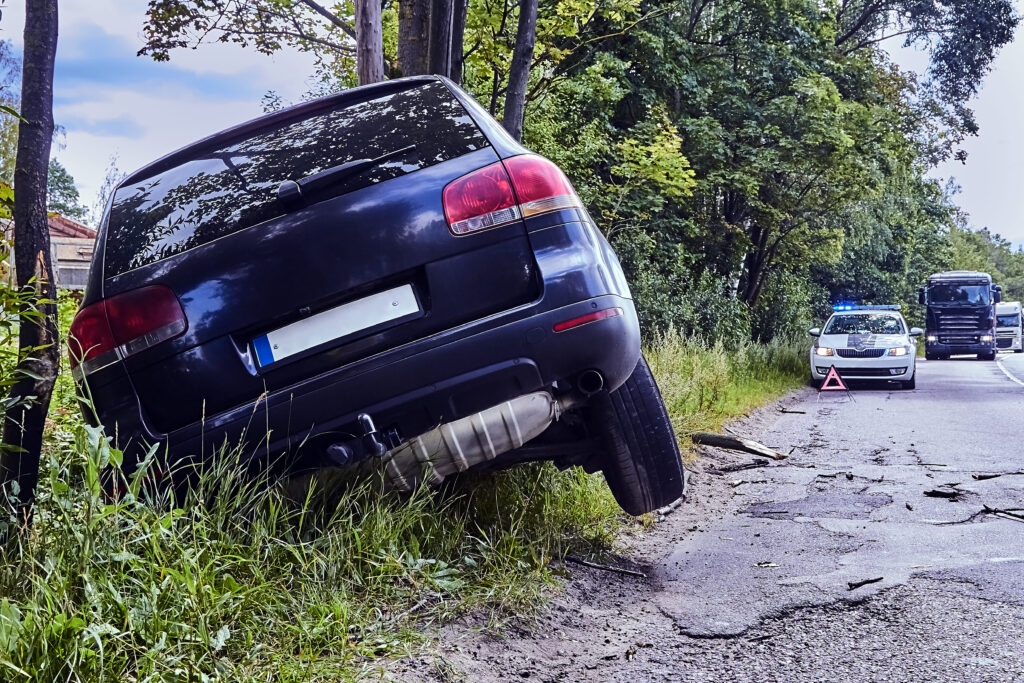
Before hitting the road, ensure your vehicle is ready for the journey. Road trips can be demanding on your car, so it’s crucial to check tire pressure, fluid levels, and brakes. Consider having a mechanic do a pre-trip inspection to avoid breakdowns during your travels.
Trying to Cover Too Much Ground
The U.S. is vast, and it’s impossible to see everything in a short time. When planning your road trip, try focusing on one specific region, highway, or theme. Instead of trying to cover the entire country, opt for a more manageable route, such as the Pacific Coast Highway or the Florida Keys, to ensure a more fulfilling experience.
Underpacking for the Trip

While you don’t want to overpack, make sure you bring essential items such as a first-aid kit, extra blankets, and enough food and water. Having backups for items like your phone charger, toiletries, and extra clothes will prevent unnecessary stress when you’re in remote areas with few resupply options.
Underestimating Distances
The U.S. is enormous. Many travelers, especially those unfamiliar with the country’s size, are shocked when they realize how far apart cities and attractions really are. Texas alone can take up to 15 hours to drive across, and major destinations like the Grand Canyon and Los Angeles are 8 hours apart. Always factor in travel time realistically and allow extra time for detours or scenic stops.
Over-Scheduling Driving Time
While the idea of cramming multiple destinations into one trip is tempting, it’s important to pace yourself. Excessive driving, especially over 8 hours a day, can cause burnout. Instead, aim for an average of 3-4 hours of driving per day, with some days dedicated to rest or exploration. Your body (and mind) will thank you later.
Limiting Your Trip to Major Cities and Coasts
While cities like New York, Los Angeles, and Miami are popular, there are plenty of hidden gems in lesser-visited areas. Consider exploring underrated destinations like Upper Michigan or West Virginia. These places can offer just as much beauty and are often far less crowded.
Overlooking State Parks

National parks often steal the spotlight, but state parks can be just as impressive, with fewer crowds. For example, Snow Canyon State Park rivals Zion National Park, and Goblin Valley State Park offers a unique alternative to Bryce Canyon. State parks offer stunning landscapes and peaceful settings, perfect for a road-trip detour.
Not Doing Enough Research
Unlike a spontaneous city trip, a road trip requires thoughtful planning. Make sure to research road closures, seasonal park closures, expected weather conditions, and potential toll fees. This step will help you avoid unpleasant surprises during your travels and allow for a smoother experience.
Failing to Book in Advance
While last-minute bookings can work in some cases, road trips often require a little extra foresight. Popular destinations, especially national parks, can require reservations for both accommodations and tours. Book accommodations and must-do activities well in advance to avoid paying premium rates or missing out altogether.
Expecting to Eat Healthy on the Road

If you think you’ll find healthy food options everywhere on your road trip, think again. Many areas, especially rural ones, are food deserts, meaning access to fresh, healthy foods is limited. Pack your own cooler with snacks and meal options to avoid unhealthy fast food and ensure you stay energized and nourished.
Sticking Only to Major Highways
Although major highways are typically faster, they often miss out on scenic views and charming small towns. Venture off the beaten path and take the two-lane roads that offer a more immersive American experience. These routes will let you discover hidden gems, quirky roadside attractions, and breathtaking landscapes.
Forgetting About Time Zones

When traveling across multiple states, don’t forget to account for time zone changes. The U.S. spans several time zones, which can lead to confusion when scheduling stops or activities. Always double-check local times to stay on track and avoid missing important events.