Exercise is a cornerstone of maintaining good cardiovascular health. However, when the body’s heart function is compromised, physical activity can trigger warning signs that indicate an impending heart attack.
Identifying these signs early during exercise can prevent catastrophic consequences, as swift intervention can save lives. Below, we examine the five critical warning signs of a heart attack you should never ignore during exercise.
Unexplained Chest Pain or Discomfort
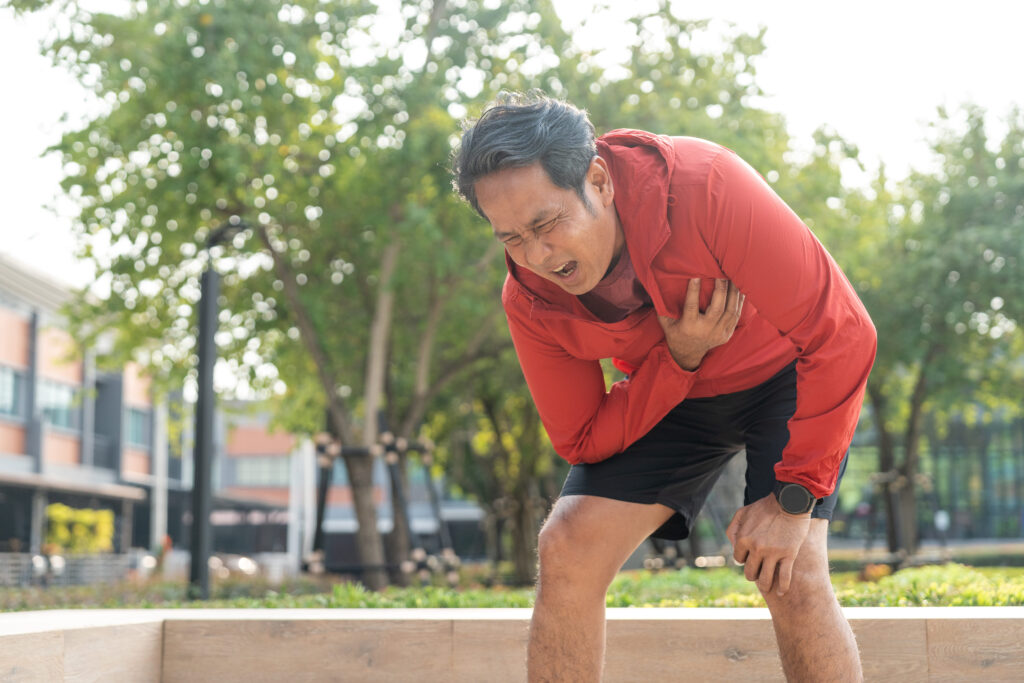
Unexplained chest pain or discomfort is one of the most recognized indicators of a heart attack. During exercise, chest pain can manifest as a feeling of tightness, pressure, or a heavy weight across the chest. You might describe it as a sensation of someone sitting on your chest, or as a burning or aching in the chest area.
While some chest discomfort can be related to muscle strain or indigestion, if it persists and doesn’t ease up after stopping exercise, it could be a red flag for a heart attack.
This chest discomfort can extend to other areas, including the arms, back, shoulders, neck, and even the jaw. The pain may start gradually, intensify, and feel dull or sharp. It’s essential to listen to your body and take this symptom seriously if it occurs during physical activity, as it’s often the first sign of a life-threatening event. If you experience chest pain, stop exercising immediately and call emergency services.
Shortness of Breath

While shortness of breath can be a normal symptom during intense physical exertion, it should be a cause for concern if it occurs unexpectedly or feels much more severe than usual.
If you find yourself struggling to catch your breath, even after you stop exercising, this could be a sign that your heart is not functioning properly. The heart may be unable to pump blood effectively, which limits the amount of oxygen your lungs can supply to the body, including the muscles you’re using to exercise.
Heart attacks often lead to difficulty in breathing because the heart cannot pump blood efficiently to all parts of the body. If you experience shortness of breath along with other symptoms like chest pain or dizziness, it’s important to stop your activity immediately and seek medical help. This combination of symptoms could point to a serious heart-related emergency, and you should not ignore it.
Dizziness or Lightheadedness

Dizziness, lightheadedness, or feeling faint during exercise can be a sign of low blood pressure, dehydration, or even fatigue. However, if dizziness is accompanied by chest pain, sweating, nausea, or shortness of breath, it may indicate a heart attack. This happens when the heart is unable to pump blood effectively, resulting in insufficient oxygen reaching the brain and causing dizziness or confusion.
These symptoms often occur suddenly, leaving you feeling weak and unsteady. If you’re already exercising and experience sudden dizziness that doesn’t subside after resting, you must stop all physical activity and seek medical assistance immediately. These sensations should never be dismissed, especially if they occur with other symptoms of a heart attack
Pain Radiating to the Upper Body
While chest pain is a common symptom of heart attacks, the pain may also radiate to other parts of the upper body, including the arms (especially the left arm), neck, jaw, back, and even the stomach. This radiating pain often begins gradually and may intensify as you continue to exercise. The feeling can range from mild discomfort to severe pain and may be accompanied by numbness or tingling.
Pain radiating to the upper body is a classic sign of heart distress. If you notice any discomfort traveling from your chest to other areas of your upper body during physical activity, stop exercising immediately and call emergency services. This symptom, along with other signs like dizziness or shortness of breath, indicates that the heart may be deprived of blood flow, potentially leading to a heart attack.
Cold Sweats or Excessive Sweating

Excessive sweating, especially cold sweats, can be another alarming sign of a heart attack, especially when it appears unexpectedly during or after exercise. Cold sweats often result from the body going into shock when it’s not getting enough oxygen. This may occur because the heart is struggling to pump enough oxygen-rich blood to vital organs and muscles.
During a heart attack, the body can enter a state of distress, triggering a cold, clammy feeling. If you’re sweating excessively even when you haven’t been exerting yourself, or if your sweat feels cold and clammy, stop exercising immediately and seek medical help. This symptom, especially when it occurs along with chest discomfort or shortness of breath, can be a sign that you’re at risk for a heart attack.