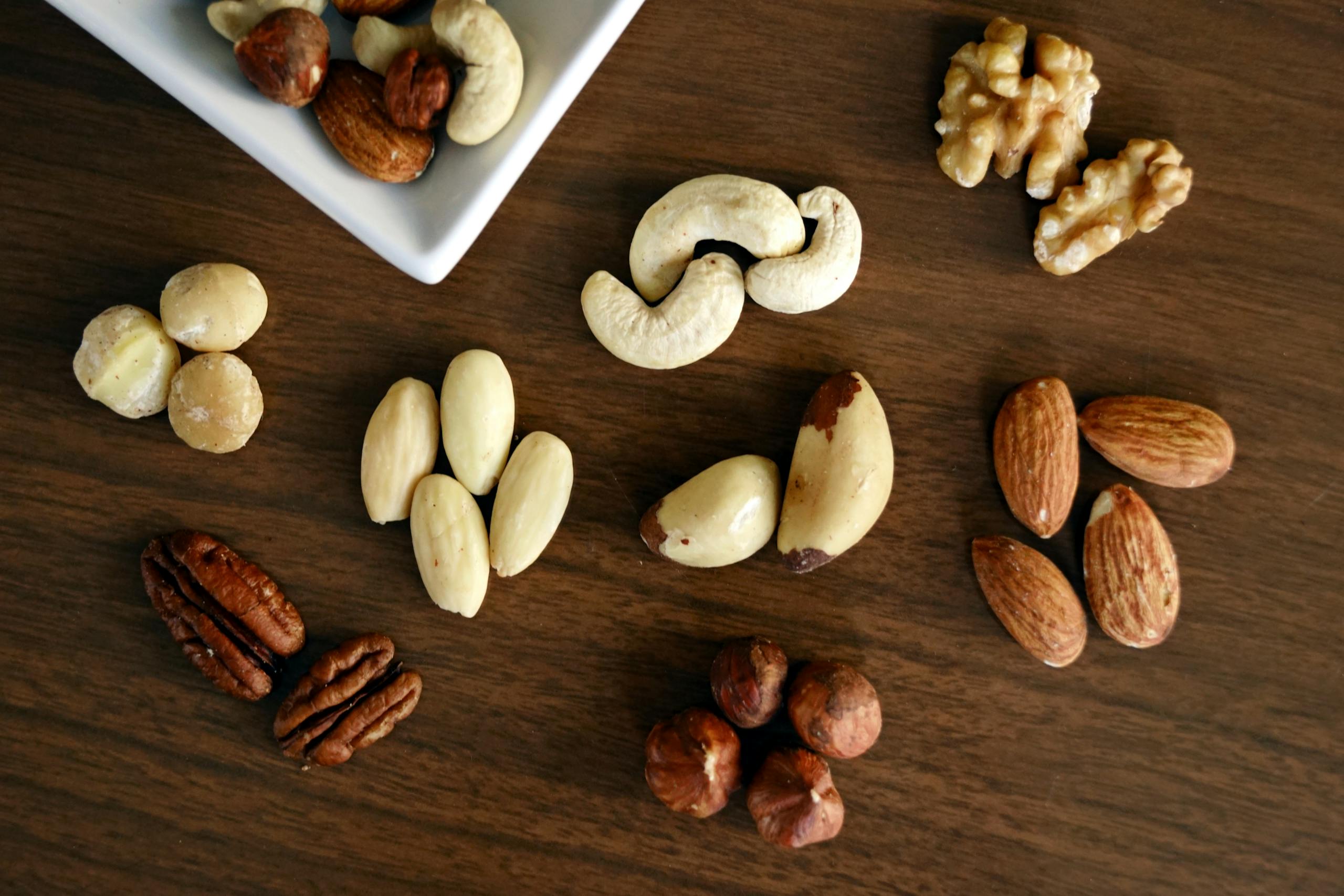
When it comes to food safety, we often assume that anything fresh is safe to eat. But some foods, despite looking innocent, can harbor harmful bacteria or toxins when consumed raw. From hidden bacterial threats to naturally occurring toxins, raw foods can pose serious health risks. Here’s a deeper dive into 10 foods you should never eat raw.
Ground Beef
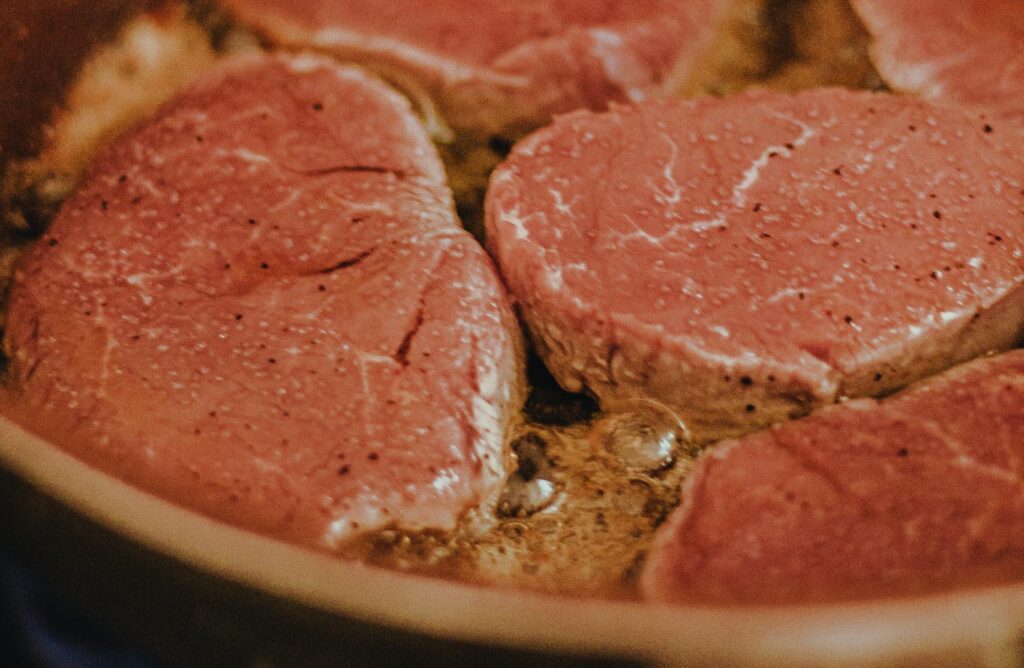
Ground beef is a convenient and versatile meat, but it’s a prime candidate for bacterial contamination, especially when consumed raw. Unlike steak, which has a solid structure, ground beef is more susceptible to bacteria like E. coli and Salmonella because the grinding process spreads bacteria throughout the meat. Always cook ground beef thoroughly to an internal temperature of 160°F to ensure it’s safe to eat.
Flour
Flour may seem harmless, but it’s one of the most commonly overlooked raw ingredients. The truth is, raw flour can contain harmful bacteria, such as E. coli, that can cause food poisoning. Since flour comes from grains that are often grown in fields, there’s a risk of contamination during harvesting, processing, and handling. Always cook or bake flour to eliminate potential risks.
Kidney Beans
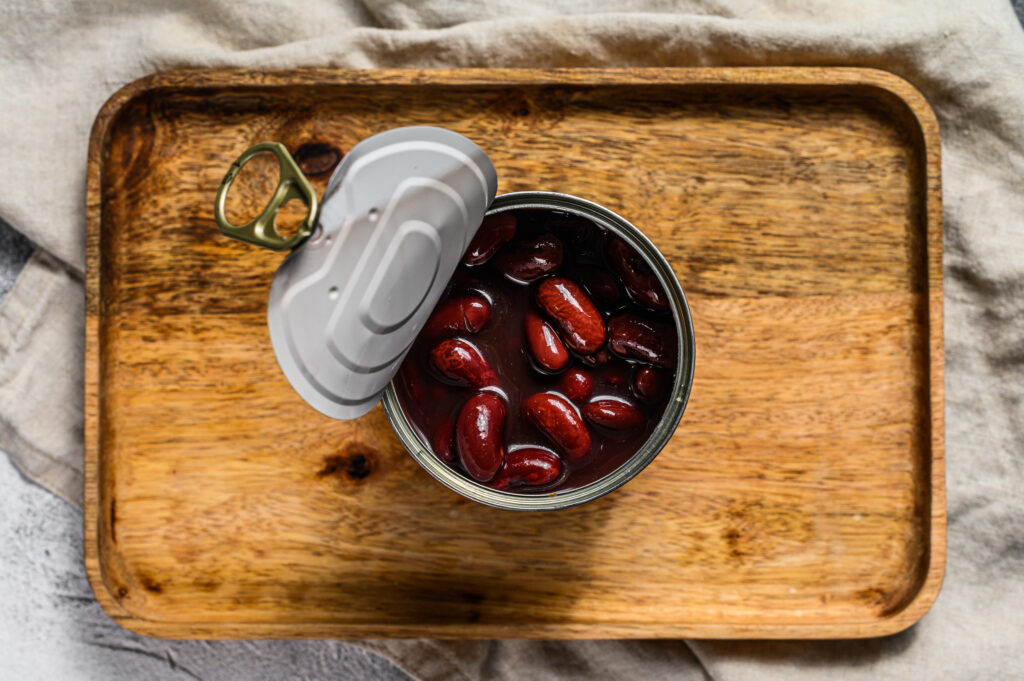
Kidney beans contain a natural toxin called phytohaemagglutinin, which is poisonous when consumed raw or undercooked. Even just a handful of raw kidney beans can lead to nausea, vomiting, and diarrhea. The good news is, a simple soak and proper cooking (at least 10 minutes of boiling) destroy the toxin, making them safe to eat.
Shellfish
Raw shellfish, such as oysters, clams, and mussels, can harbor dangerous viruses and bacteria like Norovirus and Vibrio vulnificus. These pathogens can cause severe gastrointestinal illness and even lead to death in individuals with weakened immune systems. It’s essential to avoid raw shellfish and instead opt for thoroughly cooked versions to eliminate the risks.
Cassava
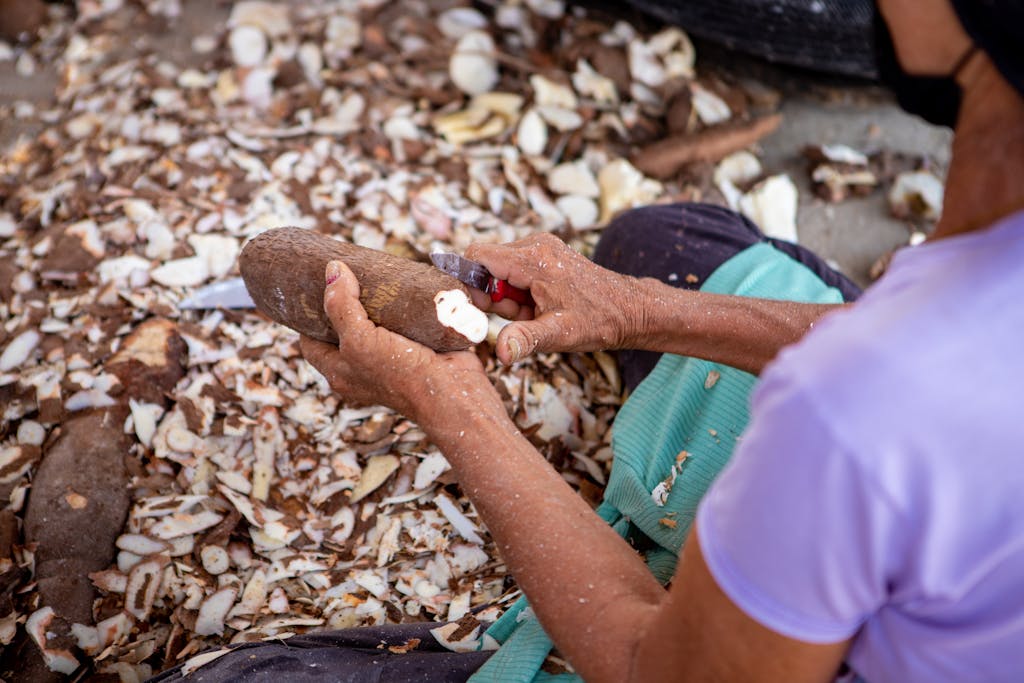
This starchy root vegetable, popular in many tropical regions, contains cyanogenic compounds that can release cyanide when consumed raw. Eating raw cassava can lead to cyanide poisoning, which can cause dizziness, nausea, and in severe cases, death. Always peel and cook cassava properly to eliminate these dangerous toxins.
Lima Beans
Lima beans also contain cyanogenic compounds, similar to those in cassava. Eating raw lima beans can cause symptoms like nausea, vomiting, and difficulty breathing due to cyanide poisoning. By cooking the beans thoroughly, you can neutralize the toxins and safely enjoy their nutritional benefits.
Raw Milk
While raw milk enthusiasts argue for its purported health benefits, the truth is that raw milk can contain harmful bacteria such as Salmonella, Listeria, and E. coli. These pathogens are especially dangerous to vulnerable populations, such as pregnant women, young children, and the elderly. Pasteurization kills harmful bacteria, making pasteurized milk the safer choice for consumption.
Eggs
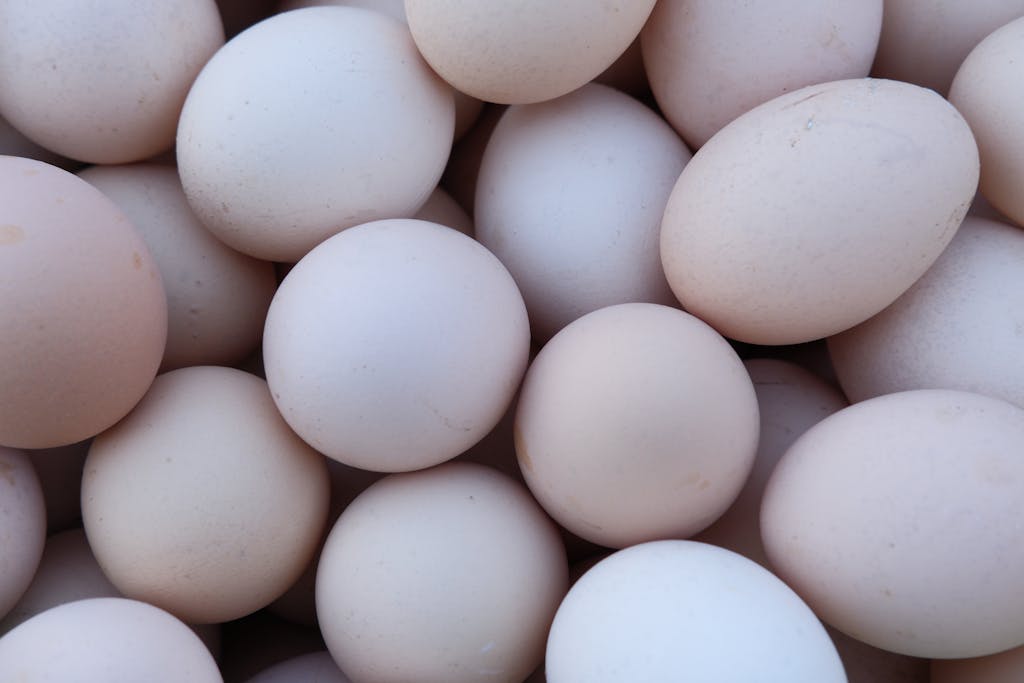
Raw or undercooked eggs are a known source of Salmonella, which can cause serious foodborne illness. Although many people consume raw eggs in dishes like homemade mayonnaise or smoothies, the risks are not worth it. If you enjoy raw eggs, make sure they are pasteurized, or use alternative egg substitutes designed for raw consumption.
Sprouts
Sprouts, including alfalfa, clover, and mung bean sprouts, are often grown in warm, moist conditions that can promote bacterial growth. The small seeds are typically consumed raw, but unfortunately, they can carry harmful bacteria such as Salmonella, E. coli, and Listeria. Cooking sprouts thoroughly can kill off any bacteria and make them safe to eat.
Poultry

Raw poultry is a well-known culprit in foodborne illness. Chicken, turkey, and other poultry products often carry dangerous bacteria like Salmonella and Campylobacter. These pathogens can lead to severe stomach cramps, vomiting, and diarrhea. Cooking poultry to a safe temperature of 165°F kills these bacteria, making it safe to consume.
Conclusion
While some raw foods are safe, others pose a significant health risk due to hidden toxins or bacteria. By avoiding the consumption of these 10 foods raw, you can significantly reduce your chances of foodborne illness and protect your health. Cooking these foods properly ensures they are not only safer but also delicious and nutritious. When in doubt, always cook your food. It’s better to be safe than sorry!