That pleading face at dinner fools good owners every day. One bite feels harmless, but that tiny handout can start a real emergency. Human food causes many pet poisoning cases each year. This problem is common, serious, and often preventable.
This is the mistake many people still make. They think a human snack becomes safe because the dog looks happy. Dogs explore with speed, hunger, and zero caution. Trouble often starts on a counter, in a handbag, or in an open trash can.
Xylitol Can Turn a Tiny Treat Into a Major Emergency
Xylitol is one of the most dangerous ingredients for dogs. It hides in gum, candy, baked goods, toothpaste, cough products, and even some nut butters. In dogs, it can cause a sudden drop in blood sugar. It can also damage the liver.
This danger moves fast. A small amount can trigger vomiting, weakness, collapse, or seizures. Many owners do not even know the product contains xylitol. That is why label reading matters so much.
Chocolate Still Causes Trouble Because Owners Underestimate It
Chocolate remains one of the most common toxic foods for dogs. The danger comes from theobromine and caffeine. These compounds can affect the heart, stomach, and nervous system. Dark chocolate and baking chocolate carry the biggest risk.
This is where people get careless. They think one bite of cake or one cookie crumb cannot matter. That guess can backfire fast. Dogs can develop vomiting, panting, tremors, restlessness, or worse.
Coffee, Tea, and Energy Drinks Can Hit Dogs Hard
Many owners fear chocolate but forget the mug on the table. Coffee, tea, caffeine powders, and energy drinks can harm dogs in the same way. These drinks can cause hyperactivity, tremors, rapid heart rate, and seizures. A tipped cup is not a harmless mess.
This mistake happens in seconds. A dog licks the spill, grabs the cup, or noses through the trash. What looks minor can turn into a full-blown panic scene. Caffeine does not play fair with small bodies.
Grapes and Raisins Look Healthy but Can Damage the Kidneys
Grapes and raisins fool people because they sound healthy. That logic falls apart with dogs. Even small amounts can cause stomach upset and acute kidney failure in some animals. The reaction can be severe and unpredictable.
This is why trail mix is a hidden threat. Raisin bread, oatmeal cookies, and lunchbox leftovers can also cause trouble. A dog does not need to eat a full bunch to get sick. One careless moment can become a costly lesson.
Onions Can Damage Red Blood Cells
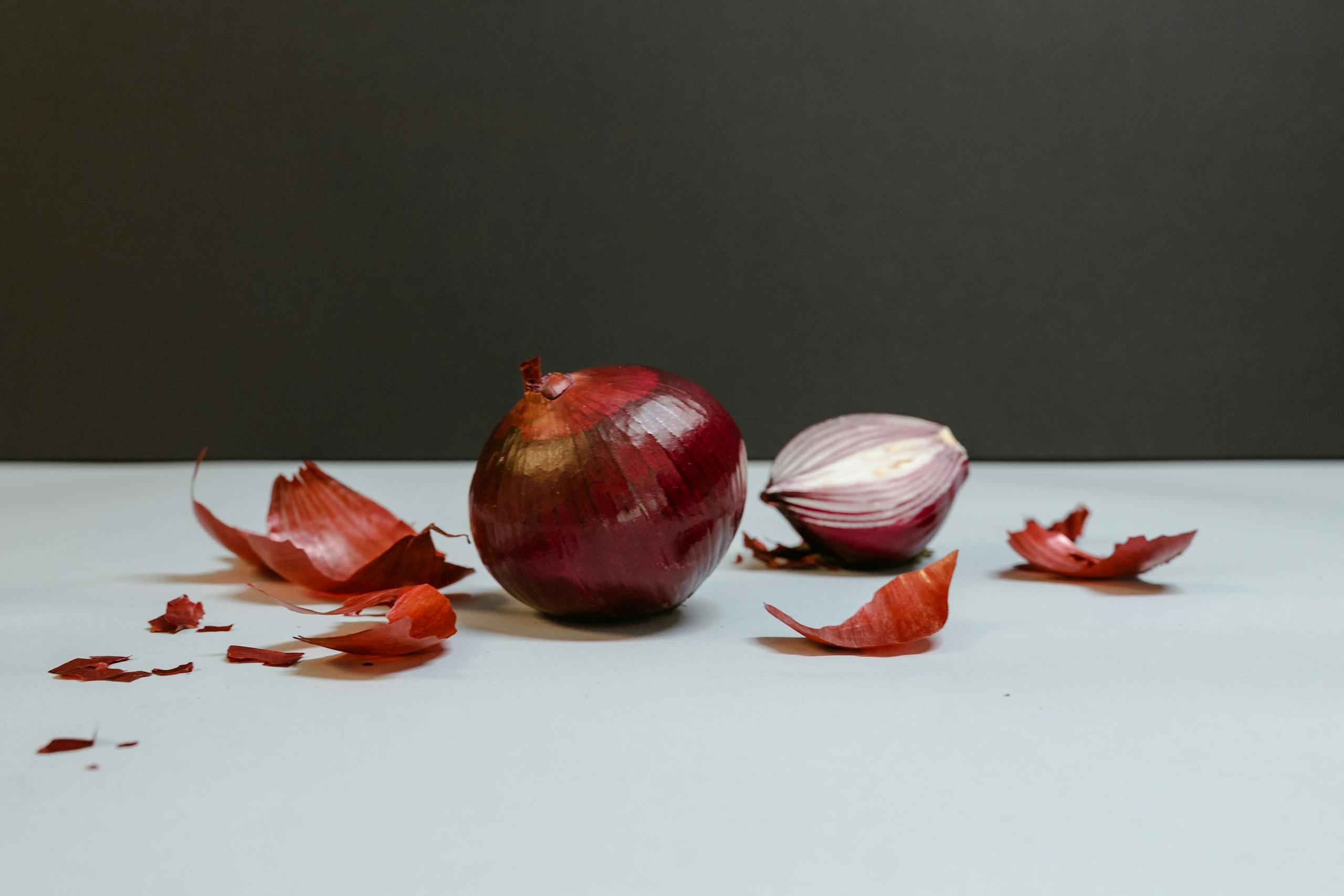
Onions do more than upset the stomach. They can damage red blood cells and lead to anemia. Fresh onions, cooked onions, and onion powder all create risk. The danger hides in leftovers, soups, gravies, and takeout.
This is a slow-burning problem. A dog may not look very sick right away. Then weakness, pale gums, and low energy can appear later. That delay tricks owners into thinking everything is fine.
Garlic, Chives, and Leeks Belong on the Same No List
Many people avoid onions but still trust garlic. That is a bad call. Garlic, chives, and leeks belong to the same plant family. They can also damage blood cells and make dogs sick.
This is where seasoning becomes the enemy. A little powder on meat or sauce still counts. Dogs do not need a large serving to start trouble. The kitchen favorite becomes the dog’s problem.
Alcohol Can Cause a Fast and Ugly Crisis
Alcohol is never a joke for dogs. Beer, wine, liquor, and alcohol-based desserts can all cause harm. Dogs can develop vomiting, poor coordination, breathing trouble, tremors, coma, or death. Even a few laps from a glass can be dangerous.
This mistake often happens during parties. Guests leave drinks low on tables. Dogs roam, sniff, and sample without permission. By the time people notice, the damage may already be moving.
Raw Yeast Dough Is a Double Threat
Raw yeast dough creates two problems at once. First, it expands inside the stomach. That can cause painful bloating and serious pressure. Second, the yeast produces alcohol as it ferments.
This is one of the sneakiest kitchen dangers. A dog steals dough off the counter, and the owners laugh at the mess. Then the stomach swells and the dog crashes. That is not mischief anymore.
Macadamia Nuts Can Wreck a Dog’s Day Fast
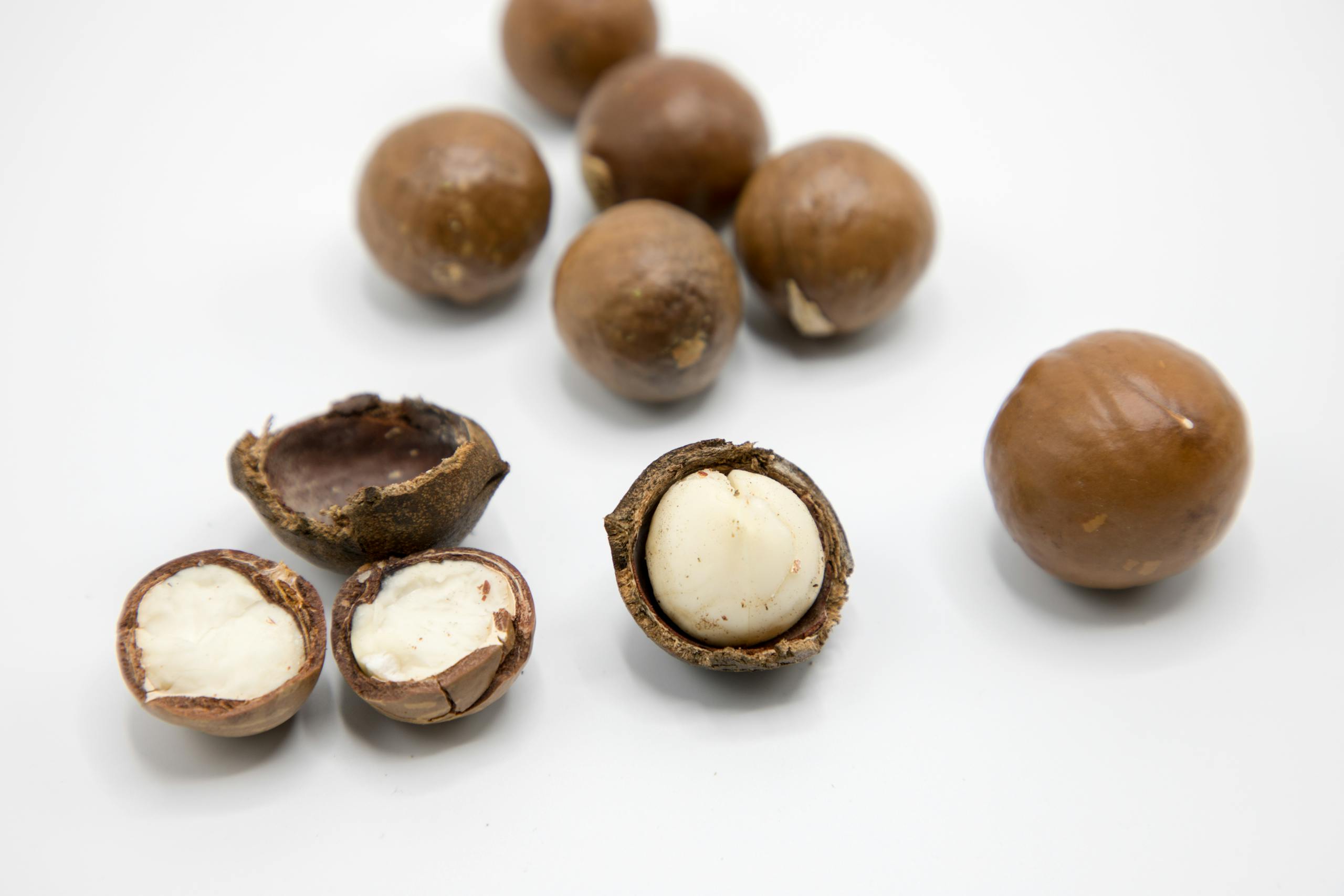
Macadamia nuts look harmless, but dogs react badly to them. They can cause weakness, vomiting, tremors, poor balance, and fever. The signs often start within hours. Small portions can still cause trouble.
This danger is easy to miss. The dog eats cookies, trail mix, or baking scraps, then starts wobbling later. Owners often blame something else first. Meanwhile, the real cause sits in the snack bowl.
Bones Are Not the Classic Dog Treat People Imagine
The old image of a happy dog with a bone has fooled many owners. Real life is not a cartoon. Bones can splinter, choke, block the gut, or tear the digestive tract. Cooked bones are especially risky.
This is one of the biggest myths in dog care. People give bones as treats and call it ‘natural’. Then the dog ends up gagging, straining, or needing surgery. That old habit needs to go.
Raw Meat and Raw Eggs Carry Hidden Risks
Raw feeding sounds simple and natural. It also carries bacteria like Salmonella and E. coli. Raw eggs can create problems, too. These foods can harm dogs and also expose people in the home.
This is where trends can mislead owners. Natural does not always mean safe. Bacteria do not care about good intentions. A smart feeding plan should protect the whole household.
Salty Snacks Can Do More Than Cause Thirst
Chips, seasoned fries, salty meat, and table scraps cause more than begging. Too much salt can upset the stomach and disturb body chemistry. Dogs can develop vomiting, diarrhea, tremors, or seizures. That is far beyond a simple bad snack choice.
This danger sneaks in during movie night or family dinners. People toss a few pieces and move on. The dog pays for that decision later. Salty food is not love in disguise.
Fatty Leftovers Can Trigger Pancreatitis
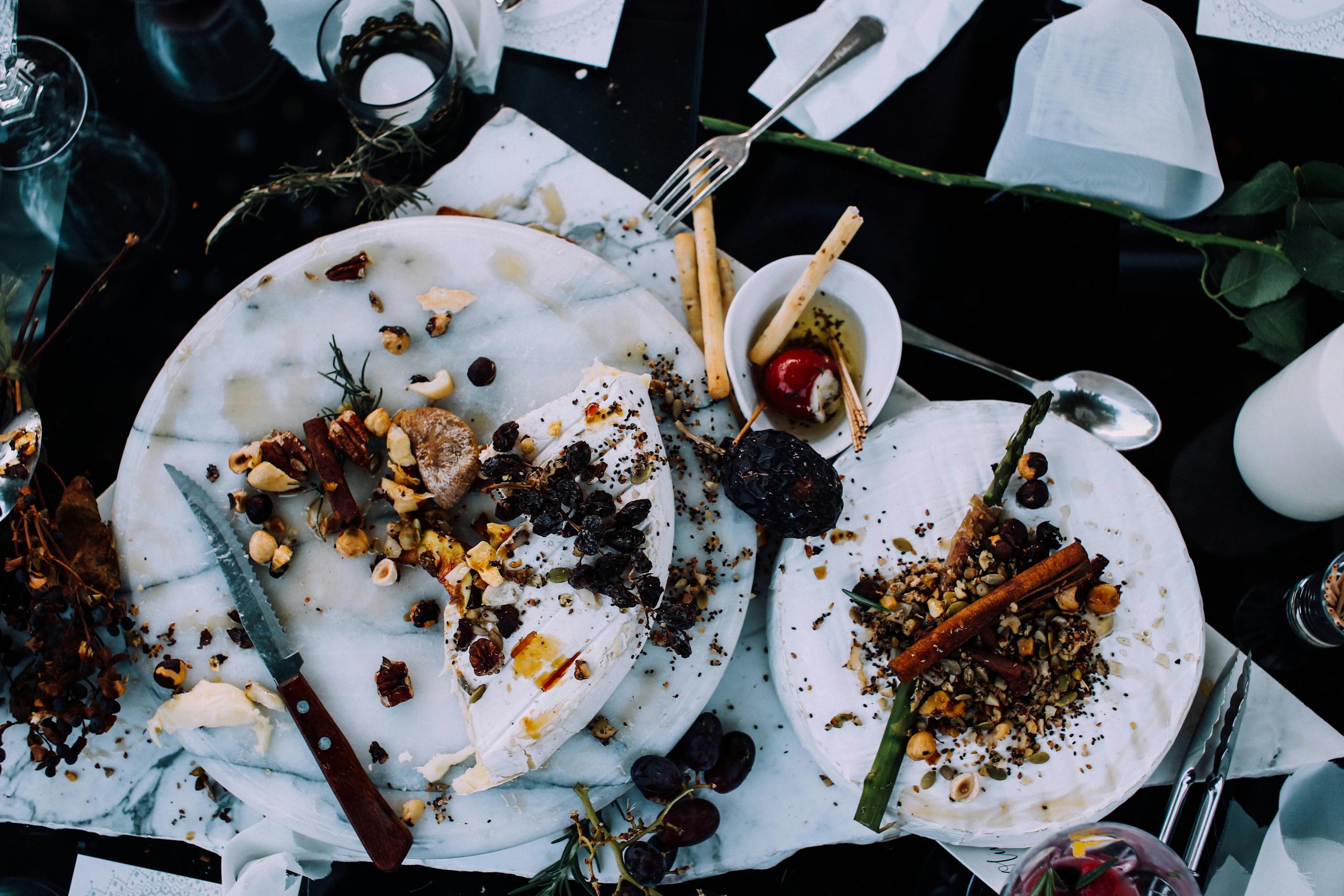
Greasy scraps may look like a special treat. They can hit the pancreas hard. Rich foods and fatty leftovers can trigger vomiting, diarrhea, and pancreatitis. That pain can be severe and hard to manage.
This mistake shows up after barbecues and holiday meals. Owners hate wasting food, so they pass it to the dog. The dog gets a feast and then a medical crisis. That trade is never worth it.
Avocado Is a Messy Risk in More Than One Way
Avocado confuses many dog owners. The flesh may not be the biggest problem, but the pit can block the gut. Rich avocado dishes can also upset the stomach. Guacamole becomes even riskier because it often contains onion, garlic, and salt.
This is how one food turns into a stack of problems. The dog does not just steal the avocado. The dog steals the whole dip. That bowl can bring far more trouble than most people expect.
Moldy Leftovers Can Cause Tremors and Seizures
Spoiled food is not just gross. Some molds produce toxins that affect the nervous system. Dogs can develop tremors, seizures, and serious illness after eating moldy food. Old bread, rotting fruit, and spoiled leftovers all create risk.
This mistake often starts in the trash. Dogs raid bins like tiny furry burglars. Owners discover the mess after the meal is gone. By then, the symptoms may already be starting.
Apple Seeds, Fruit Pits, and Corn Cobs Can Create a Different Emergency
Some foods harm dogs through toxins. Others harm dogs by blocking the gut. Apple seeds can release toxic compounds when chewed, and large pits can become choking or blockage hazards. Corn cobs are especially dangerous because they often lodge in the intestines.
This is the problem with letting dogs clean plates. It sounds easy, but it can end badly. A cob or pit can move from dinner waste to a surgery case fast. Convenience often turns into chaos.
What Smart Owners Do Instead
The solution starts with stricter habits. Read ingredient labels, especially on sugar-free foods, baked goods, candy, and nut butters. Keep counters clean and trash cans closed. Store risky foods out of reach of dogs.
The next step is speed. If your dog eats something dangerous, call a veterinarian or pet poison service right away. Do not guess. Do not wait for symptoms to get worse.
Conclusion
The biggest mistake is not a lack of love. It is false confidence. People assume one tiny bite cannot hurt, but many toxic foods prove them wrong fast. Before you share that snack, ask yourself a better question: Is this treat worth an emergency?