Grains are a staple in diets around the world and are synonymous with a healthy lifestyle because they provide energy, fiber, and essential nutrients. But not all grains deliver the same health benefits or support your wellness goals as well as others. Many people assume that any grain on the shelf is automatically good for them without understanding the differences in nutrient profiles, cooking versatility, or the way these grains impact digestion and long‑term health.
It’s easy to make choices that seem healthy on the surface but don’t actually provide the benefits you’re hoping for. Choosing the wrong grains or preparing them poorly can leave your meals lacking in protein, fiber, micronutrients, or even contribute to unwanted blood sugar spikes. Below are eight pitfalls many people fall into when picking grains, reframed as the healthiest grains you should focus on instead, with explanations of why they matter for your diet.
Thinking All Grains Are Equal When Barley Offers Superior Heart Support
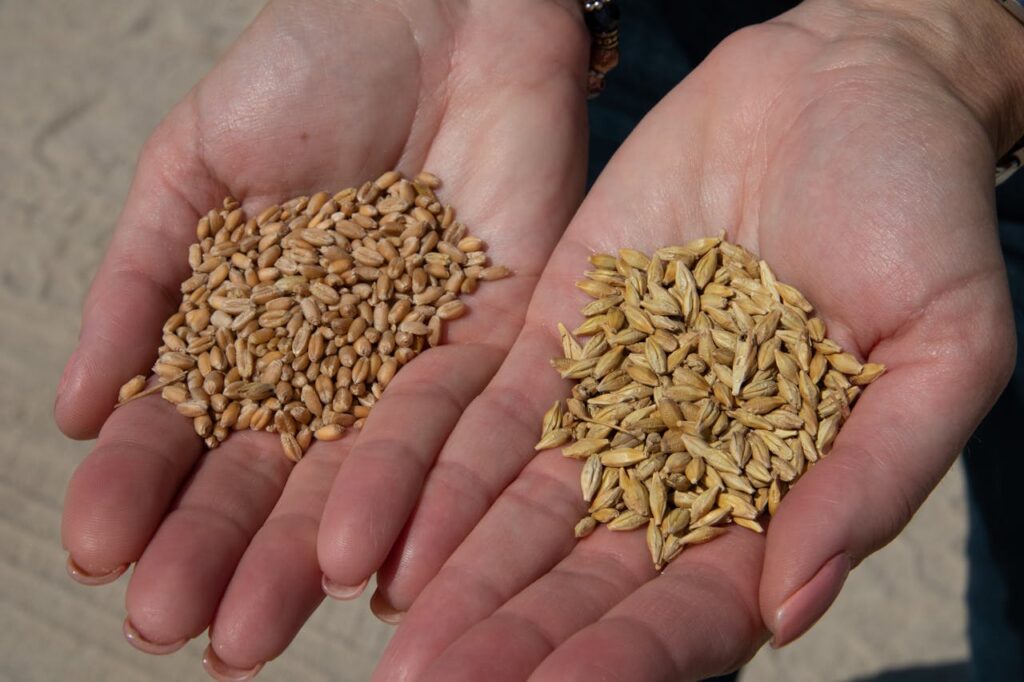
Barley stands out as one of the most nutrient‑dense grains you can eat, loaded with fiber that helps regulate cholesterol and supports digestive health. Its soluble fiber content is especially powerful for keeping blood lipids in check and feeding beneficial gut bacteria. By overlooking barley in favor of more familiar grains like white rice or bread, you miss out on this heart‑supporting power.
Overlooking Quinoa and Missing Out on Complete Protein
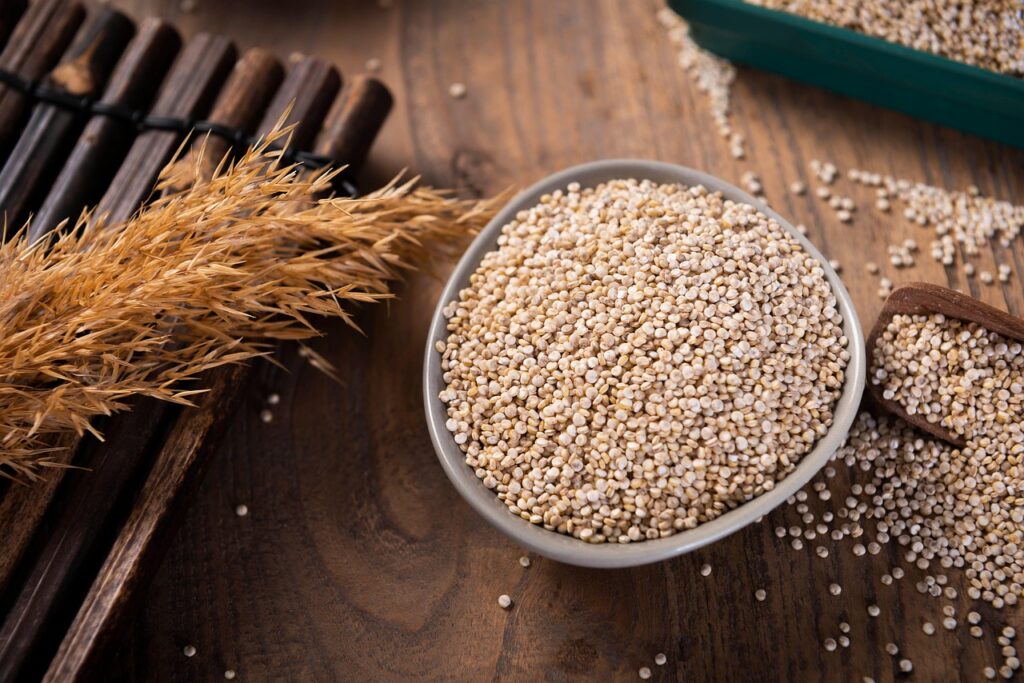
Many people assume that only animal foods deliver complete protein, but quinoa breaks that myth. Unlike most plant foods, quinoa provides all nine essential amino acids, making it an excellent choice for people who follow plant‑based diets or want to boost overall protein intake from plant sources. Ignoring quinoa means settling for grains that only deliver carbohydrates rather than a balanced macronutrient profile.
Ignoring Amaranth and Losing Valuable Micronutrients
Amaranth is a gluten‑free grain that often flies under the radar, despite being richer in protein and key minerals like magnesium and manganese than many other grains. When you default to refined or familiar grains, you bypass these critical micronutrients that support energy metabolism and bone health. Choosing amaranth helps elevate your grain choices from filler foods to nutrient‑dense ingredients.
Skipping Buckwheat and Missing Antioxidant Benefits
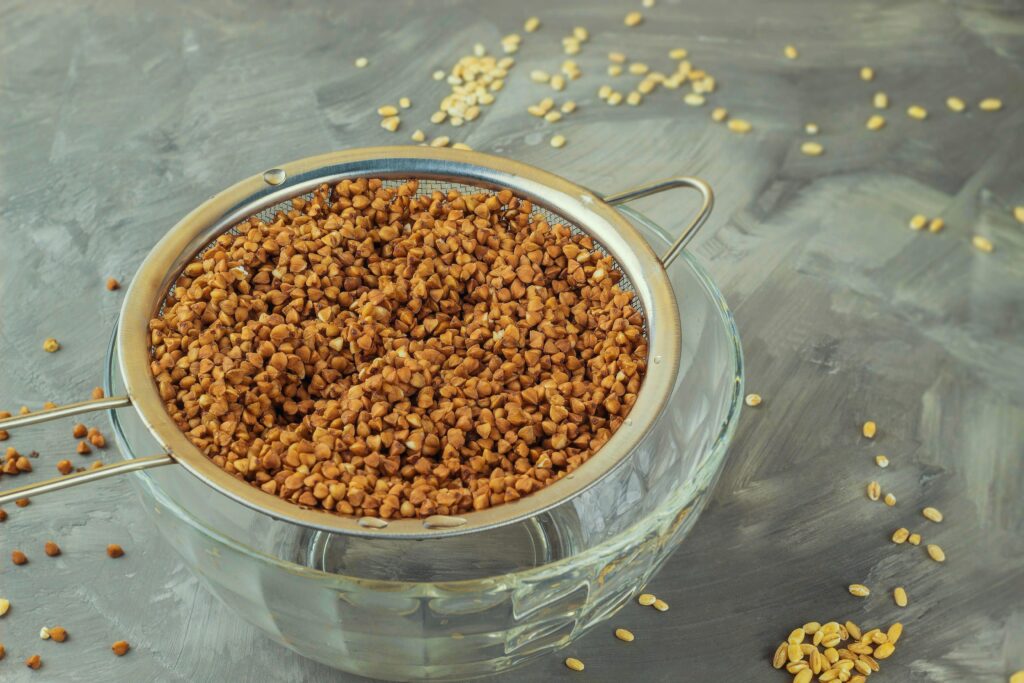
Despite the misleading name, buckwheat isn’t related to wheat, making it naturally gluten‑free but rich in antioxidants that help protect cells from damage. People who avoid buckwheat in favor of conventional options like white rice or pasta are missing out on its unique benefits for blood sugar control and inflammation management. Buckwheat deserves a regular place in your meals for this very reason.
Underestimating Teff and Losing Out on Iron and Mineral Density
Teff is the tiniest grain on the planet, yet it packs an impressive amount of iron, magnesium, and protein. Many people don’t include it simply because it isn’t mainstream in Western diets, yet this tiny grain delivers big nutritional rewards, especially for people trying to increase iron intake or support metabolic health.
Neglecting Oats and Allowing Cholesterol to Stay High
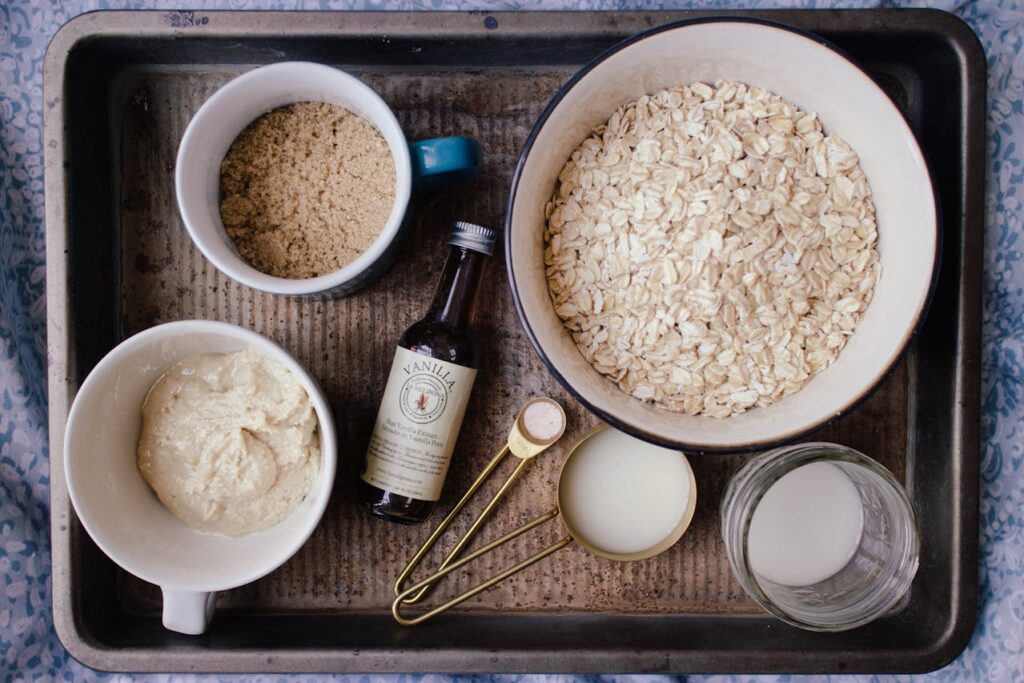
Oats are often relegated to breakfast cereal, but they deserve more credit for their beta‑glucan fiber, a type of soluble fiber known to help lower LDL cholesterol. Treating oats as just a bland morning routine item rather than a nutritional powerhouse means missing their ability to help reduce heart disease risk. Incorporating oats into savory dishes or snacks can bring surprising benefits.
Forgoing Farro and Bulgur Because They Seem Too “Old School”
Farro and bulgur are ancient grains that have been staples in traditional diets for centuries, offering hearty texture and fiber that helps keep you full longer. Disregarding them because they aren’t trendy sidelines a chance to diversify your nutrient intake and enjoy grains that support stable energy and digestive health.
Choosing Refined Grains Over Wild Rice and Millet and Sacrificing Antioxidants
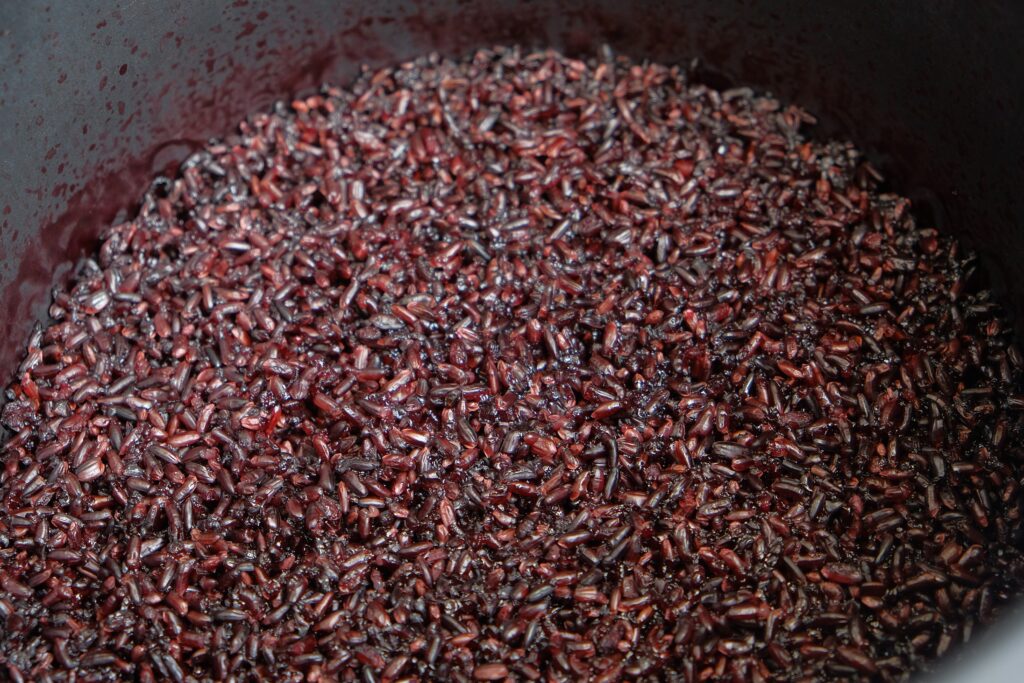
Wild rice and millet are often ignored in favor of more familiar grains like white rice, which is mostly starch and low in nutrients. Wild rice delivers more protein and antioxidants, while millet brings a gluten‑free option rich in manganese and phytonutrients. By skipping these whole grains, you lose out on the broad spectrum of vitamins and minerals that support long‑term health.
Conclusion
Making healthy grain choices isn’t just about cutting out refined breads or pastas. It’s about actively selecting grains that deliver substantial nutritional value and align with your health goals. From barley’s heart‑helping fiber to quinoa’s complete protein and the rich mineral profiles of amaranth and teff, the right grains can dramatically elevate your diet. Instead of defaulting to the usual suspects, broaden your grain repertoire to include these nutrient‑dense options and avoid common pitfalls that leave meals less nourishing than they could be. Every meal becomes an opportunity to support overall wellness when you make smarter grain choices.