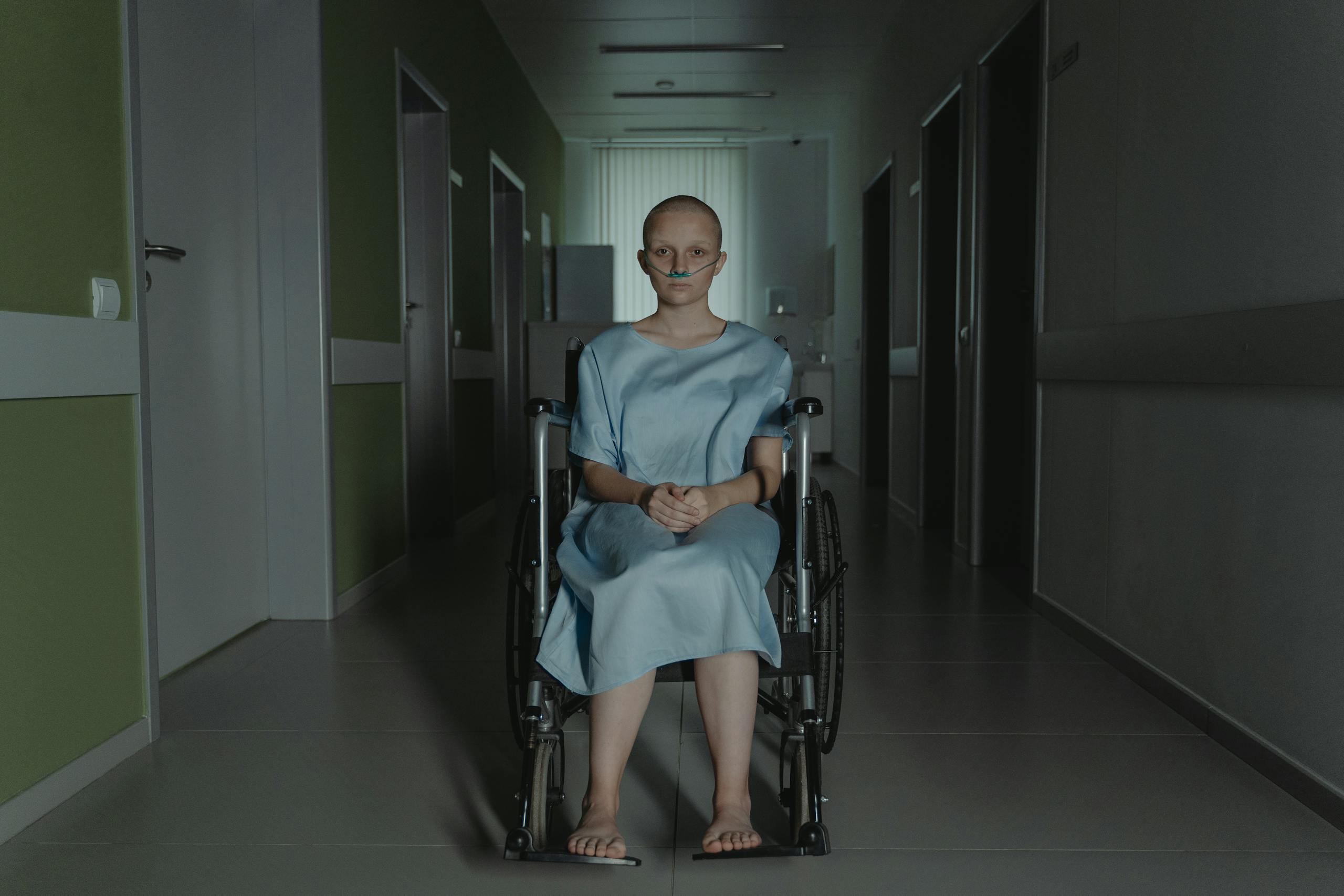
Relationship stress usually doesn’t show up with a big warning. Instead, it often slips in quietly—through short answers, tense meals, restless nights, and that heavy feeling after a simple talk. It’s normal to think every couple has problems, and that’s true, but there’s a difference between everyday tension and the kind of emotional pressure that starts to change how we think, feel, and live.
When relationship stress begins to affect our mental health, it doesn’t stay just between partners. It can show up at work, disrupt our sleep, change our appetite, lower our self-esteem, affect friendships, and even shape how we see the future. The warning signs might seem small at first, but they can turn into habits over time. Noticing them early lets us be honest with ourselves before stress turns into anxiety, resentment, burnout, or depression.
Relationship Stress Is Affecting Mental Health When Sleep Becomes Difficult

Sleep is often one of the first things affected by relationship stress. We might lie awake replaying arguments, overthinking old messages, or getting ready for a talk that hasn’t even happened. Our bodies want to rest, but our minds keep going back to the conflict.
Not sleeping well can make everything feel harder the next day. A small disagreement might feel like rejection, a late reply might feel like being abandoned, and a normal problem can seem impossible to fix. When relationship stress keeps us up night after night, it’s not just a relationship problem anymore—it’s affecting our whole body.
Physical Symptoms Begin Showing Up
Relationship stress can show up in our bodies. Headaches, stomachaches, chest tightness, tense muscles, tiredness, changes in appetite, and a racing heart can all occur when we’re under emotional pressure. We might think we’re just tired, but our bodies could be reacting to stress.
We shouldn’t ignore these symptoms, especially if they keep happening during conflict or emotional stress. Our minds and bodies are closely linked. When a relationship is always stressful, our bodies might start to show what we haven’t been able to say out loud.
Emotional Exhaustion Replaces Emotional Connection
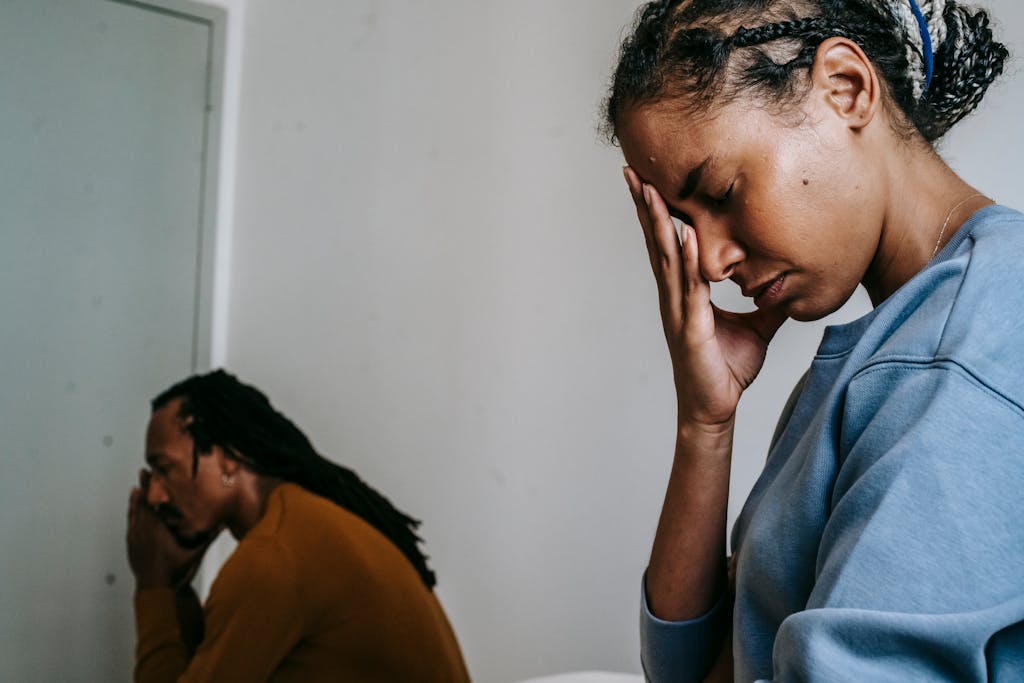
All relationships take work, but they shouldn’t feel like a daily emotional struggle with no break. If we feel worn out after every talk, tired before every discussion, or even relieved when our partner isn’t around, we might be emotionally exhausted. This doesn’t always mean the relationship is over, but it does mean something isn’t right.
Emotional exhaustion can make us feel distant, quiet, and less patient. We might stop explaining ourselves because it seems pointless, or agree just to avoid another argument. Over time, this way of coping can weaken our feelings and make the relationship feel less safe and more like a job we can’t leave.
Self-Esteem Starts to Shrink
Relationship stress can slowly change the way we see ourselves. We might start to wonder if we’re too sensitive, too difficult, too needy, or always to blame for problems. If criticism, blame, comparisons, or distance become common, our confidence can start to fade.
This is one of the hardest signs because it feels personal, not just about the relationship. We might stop trusting our own judgment, apologize even when we’re hurt, or accept behavior we once said we’d never allow. If a relationship makes us feel smaller over time, our mental health is already being affected. Ting Mental Health When Focus Disappears
Mental stress doesn’t stay in just one part of our lives—it spreads. We might be at work, but still thinking about last night’s argument. We might read the same paragraph over and over, or forget simple things, because our minds are busy sorting out our feelings.
Losing focus can add even more stress. Missing deadlines, underperforming at work, leaving chores unfinished, or pulling away from others can make us feel worse. The relationship becomes the main thing on our minds, and everything else seems to slow down.
Constant Anxiety Becomes Part of the Relationship
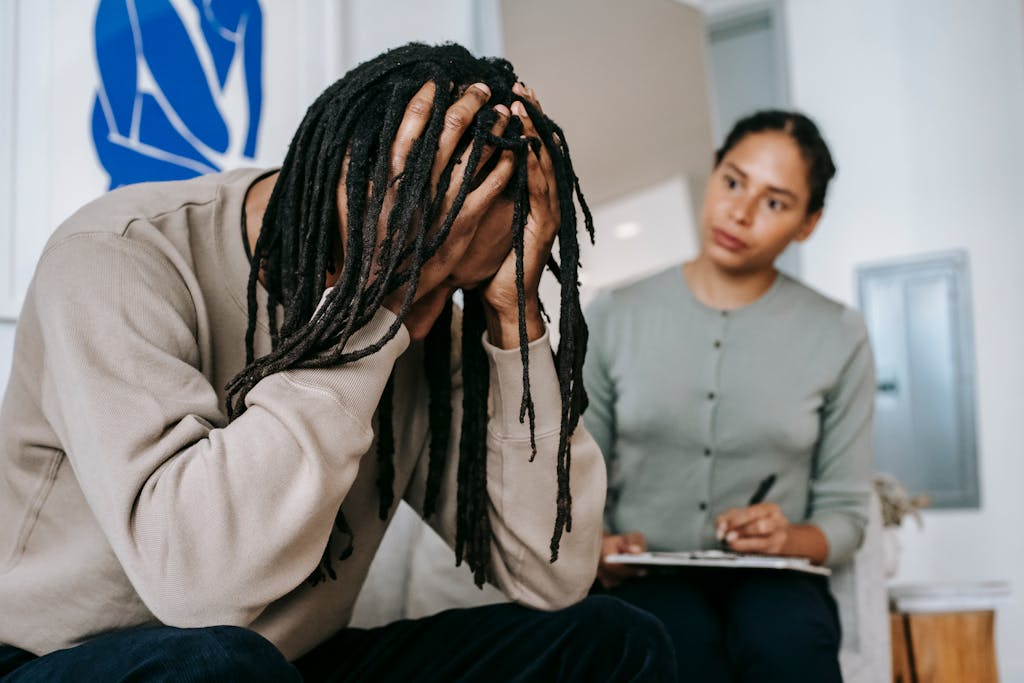
A healthy relationship shouldn’t make us feel like we’re always waiting for something bad to happen. If we start watching our words, hiding small things, or feeling nervous before seeing our partner, anxiety might be settling in. We may still love them, but that love can start to feel mixed with fear.
This is important because anxiety can make us expect problems even when things seem calm. We might become too focused on facial expressions, silence, phone habits, or mood changes. If peace feels rare and tension feels normal, relationship stress could be affecting our mental health more than we realize.
Hopelessness Becomes the New Normal
One of the clearest signs that relationship stress is affecting mental health is the feeling that nothing will change. We may stop imagining better communication, better boundaries, or a calmer future. We may feel trapped between staying and leaving, speaking and staying silent, hoping and giving up.
Hopelessness is always serious. It can make us accept pain as normal and stop us from getting the help we need. If relationship stress leads to thoughts of self-harm, feeling numb, panic, or fear for our safety, getting help right away is important. No relationship should take away our mental health, safety, or hope for life beyond the conflict.
Isolation Starts Feeling Easier Than Explaining

When relationship stress gets overwhelming, we might pull away from friends, family, hobbies, and our usual routines. Sometimes we isolate ourselves because we feel embarrassed, sometimes because we’re tired of explaining, and sometimes because we’re afraid others will tell us things we’re not ready to hear.
Isolation can make mental health worse because it removes support at the exact moment we need it most. A difficult relationship can feel even bigger when it becomes our whole world. Staying connected to trusted people helps us keep perspective, remember who we are, and recognize unhealthy patterns more clearly.
Conclusion
Relationship stress becomes dangerous when it’s no longer just an occasional problem but starts to feel like the way things always are. Every couple faces challenges, but constant anxiety, poor sleep, low self-esteem, isolation, physical symptoms, and hopelessness mean the stress is no longer harmless.
We don’t have to wait until things fall apart to take our mental health seriously. Honest talks, clear boundaries, support from people we trust, counseling, and professional help can really help. A relationship should add meaning to our lives, not quietly drain us until peace feels strange.