A beautiful lawn can fool you from a distance. From the driveway, it may look green enough, tidy enough, and healthy enough to pass a quick glance. Then you walk across it and notice the truth beneath your shoes. The grass feels thin, the soil feels hard, brown patches are spreading, weeds are getting confident, and the whole yard seems tired, no matter how much attention you give it.
That is what makes lawn care so frustrating. Many homeowners are not ruining their lawns out of laziness. They are ruining them because they are trying too hard in the wrong ways. They water on the wrong schedule, mow too low, fertilize with good intentions, and skip the invisible work happening beneath the soil. A strong lawn is not built by constant interference. It is built by understanding what grass actually needs, then giving it the right care at the right time.
Watering too often
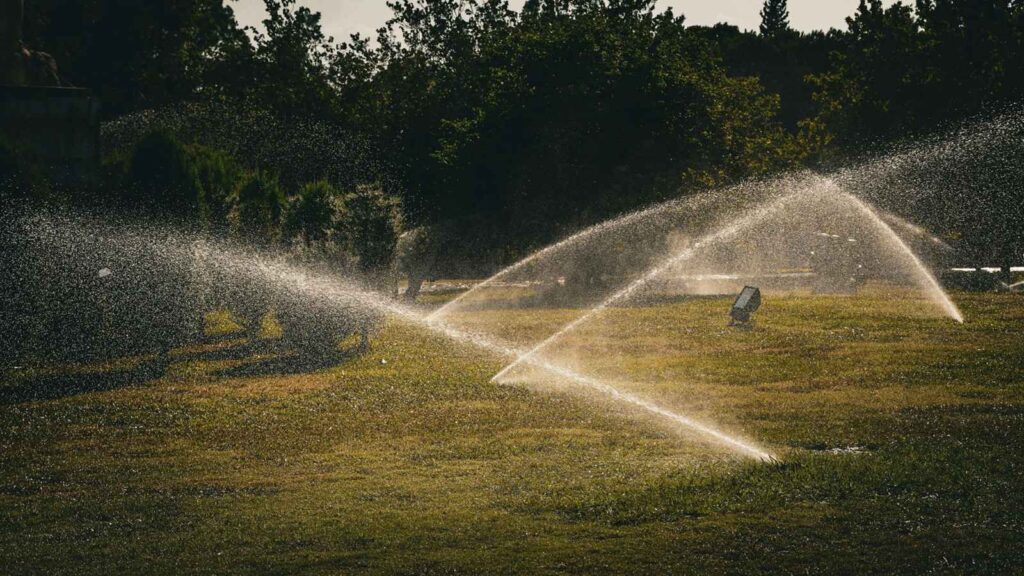
Watering the lawn every day feels responsible. It gives the homeowner a sense of control, especially when the weather is hot and the grass looks thirsty. The problem is that daily watering often results in weak grass rather than strong grass. A quick sprinkle only wets the surface, so the roots stay shallow because they never need to search deeper for moisture.
Shallow roots are bad news for any lawn. They dry out faster, heat up faster, and struggle when the weather turns harsh. Grass with shallow roots may look green for a short time, but it has very little strength below the surface. The moment watering becomes inconsistent, or temperatures rise, that lawn begins to wilt, fade, and thin out.
A healthier approach is deep watering less often. When water reaches several inches into the soil, roots are encouraged to grow downward. That deeper root system helps the lawn survive dry spells, withstand heat stress, and recover more quickly after foot traffic. Instead of treating your grass like a delicate plant that needs constant rescue, train it to become stronger.
Morning is usually the best time to water because the lawn has time to absorb moisture before the sun gets intense. Watering late at night can leave grass damp for too long, which may encourage fungal problems. The goal is not to keep the lawn wet. The goal is to give the soil a deep drink, then let the grass use that moisture wisely.
Ignoring aeration
The healthiest lawns often share a common trait that most people never notice. Their soil can breathe. Over time, soil becomes compacted from walking, mowing, kids playing, pets running, heavy rain, and regular yard activity. Once that soil is packed tight, grass roots struggle to get the oxygen, water, and nutrients they need.
Compacted soil can make a lawn look thirsty even after watering. Water may run off rather than soak in. Fertilizer may sit near the surface rather than reach the root zone. Roots may become trapped in a shallow layer of hard soil, unable to spread and strengthen. From above, the homeowner sees a weak lawn. Below the surface, the grass is basically trying to grow through a locked door.
Aeration helps unlock that door. It creates small openings in the soil so air, water, and nutrients can move deeper. This gives roots more room to expand and helps the lawn recover from stress. For yards with heavy foot traffic or clay soil, aeration can be one of the most powerful lawn-care habits.
Skipping aeration year after year can leave the lawn thin, patchy, and vulnerable to weeds. Weed seeds love weak grass because open spaces give them room to move in. A dense lawn is one of the best defenses against weeds, but density starts with healthy roots. Aeration may not look glamorous, but it can change the entire condition of the yard from the ground up.
Using too much fertilizer
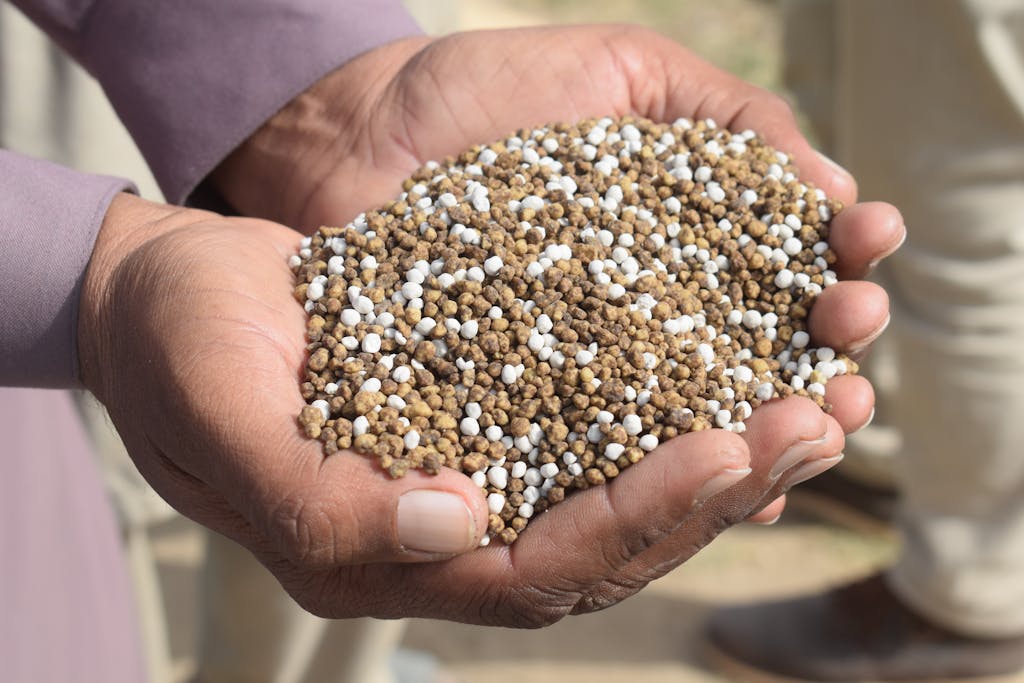
Fertilizer has a reputation as the magic powder of lawn care. A homeowner sees pale grass, buys a bag of fertilizer, spreads it around, and waits for the yard to turn rich and green. Sometimes it works. Other times, the grass gets burned, stressed, or pushed into weak growth. More fertilizer does not always mean a better lawn.
Overfertilizing can damage grass by overwhelming the plant. Too much nitrogen may lead to rapid blade growth while the roots remain underdeveloped. That creates a lawn that looks lush for a moment but lacks staying power. Fast, soft growth can also attract pests and disease because the grass becomes more vulnerable.
Too much fertilizer can also burn the lawn, leaving yellow or brown patches that look worse than the original problem. This often happens when fertilizer is applied unevenly, used during hot weather, or spread without proper watering afterward. Instead of helping the lawn recover, the treatment shocks it.
The smarter approach is measured feeding. Use the right amount, at the right time, for the right grass type. A soil test can help homeowners understand what the lawn actually needs, rather than guessing. Grass does need nutrients, but it does not need to be force-fed. Healthy feeding supports steady growth, stronger roots, and better color without turning the yard into a chemical experiment.
Mowing the grass too short
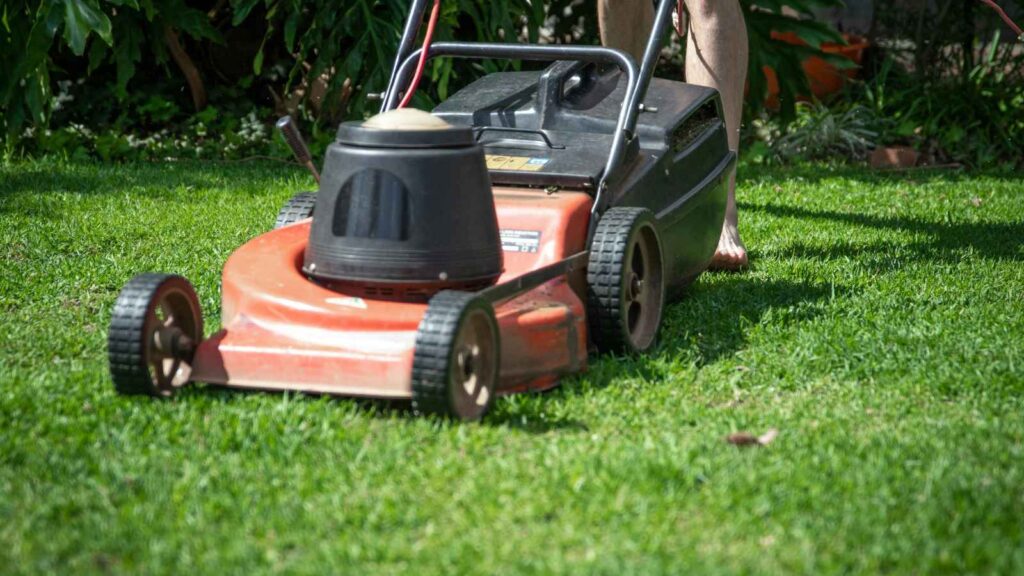
Cutting the lawn too short is one of the most common lawn-care mistakes because it feels efficient. Many homeowners lower the mower blade to keep the yard looking neat for longer. It seems like a practical shortcut. Unfortunately, the grass pays a heavy price for that clean, close-cut look.
Grass blades are more than decoration. They help the plant collect sunlight and produce energy. When you cut too much off at once, the grass loses part of its food-making system. It then has to spend energy recovering instead of building stronger roots. A lawn that is constantly scalped becomes weaker over time.
Short grass also exposes the soil to more sunlight. That makes the ground hotter and drier, which stresses the roots. It also gives weed seeds a better chance to germinate because there is less shade covering the soil. In other words, mowing too short can make your lawn less able to defend itself.
A taller lawn often looks better in the long run. It shades the soil, holds moisture longer, protects roots, and creates a thicker canopy that crowds out weeds. Instead of shaving the grass down, raise the mower blade and follow the one-third rule. Never remove more than one-third of the grass blade at a time. Your lawn will look fuller, softer, and healthier.
Fertilizing at the wrong time
Timing can make or break lawn care. Fertilizer applied at the right time can support healthy growth. Fertilizer applied at the wrong time can stress the grass and create bigger problems. Many homeowners fertilize when the lawn looks bad, but that is not always when the lawn is ready to use nutrients.
Hot summer weather is a common danger zone, especially for cool-season grasses. During extreme heat, many lawns slow down or enter dormancy to protect themselves. Fertilizing during that period can push the grass to grow when it is already under stress. That is like asking a tired runner to sprint uphill.
Fertilizer also needs moisture to work properly. If the lawn is dry, heat-stressed, or struggling through drought, fertilizer can sit on the grass or burn it. The homeowner may think they are saving the yard, but the treatment can make the damage worse. Lawn care requires patience because sometimes the best move is to wait.
The right timing depends on the grass type and local climate. Cool-season grasses often respond best to feeding during cooler growing periods, especially fall and spring. Warm-season grasses usually have different needs and may benefit from feeding during their active growing season. A strong lawn-care schedule should follow the grass, not just the calendar.
Watering too little
Too much watering can weaken a lawn, but too little can cause serious damage too. A lawn that does not receive enough moisture will often turn dull, grayish, or brown. The blades may curl, footprints may remain visible after walking across the grass, and dry patches may spread quickly. Once drought stress becomes severe, recovery can take time.
Underwatering is tricky because it can look like other problems. A homeowner may blame insects, disease, poor seed, or bad fertilizer when the lawn is simply thirsty. Dry soil makes it harder for nutrients to move into the root zone, so even a fertilized lawn may still struggle. Without enough moisture, grass cannot function properly.
The key is consistency without excess. Lawns generally do better with a deep soak than with random light watering. During dry seasons, the lawn needs enough water to support root health. During rainy periods, it may need very little help. A good homeowner watches the grass and the soil, not just the weather forecast.
If the lawn feels crunchy, looks faded, or shows footprints long after they were made, it may need water. The solution is not to panic-water every day. It is a deep, steady watering session that reaches the roots. Once the soil receives enough moisture, the lawn has a better chance of recovering without being drowned.
Fertilizing too little
Some homeowners become so afraid of overfertilizing that they avoid fertilizer completely. That may sound safe, but grass still needs nutrients to grow thick, green, and resilient. A lawn that never gets enough nourishment can become pale, thin, and weak. Over time, it may lose the density needed to fight weeds and recover from stress.
Nutrient-poor grass often struggles quietly. It may grow slowly, develop bare patches, or fail to bounce back after heat, mowing, or foot traffic. Weak grass gives weeds an easy opening. Once weeds establish themselves, they compete for sunlight, water, and nutrients, further weakening the lawn.
The answer is not to dump fertilizer everywhere. The answer is balance. A soil test can reveal whether the lawn needs nitrogen, phosphorus, potassium, or other adjustments. This prevents waste and protects the grass from unnecessary products. Proper feeding gives the lawn enough strength to grow without overwhelming it.
Organic matter can also help. Compost, mulched grass clippings, and healthy soil practices can improve the lawn over time. Fertilizer should support the soil, not replace good lawn habits. A well-fed lawn has better color, stronger roots, thicker growth, and more natural resistance to weeds.
Forgetting about mower blade sharpness
A dull mower blade can quietly ruin the look and health of a lawn. Many homeowners focus on mowing height but forget that the condition of the blade matters too. A sharp blade cuts grass cleanly. A dull blade tears it. That torn edge can turn brown, dry out faster, and leave the lawn looking ragged even after mowing.
Torn grass is also more vulnerable to disease. When the blade is ripped instead of sliced, the damaged tissue creates an opening for stress and infection. The lawn may appear grayish or frayed after mowing, which is often a sign that the mower blade needs attention. This is one of those small maintenance tasks that can make a big visual difference.
Sharpening the mower blade at least once, if not twice, during the growing season can help the grass recover faster after each cut. It also makes mowing more efficient because the mower does not have to fight through the grass. Clean cuts help the lawn look smoother, greener, and healthier.
Letting weeds get established
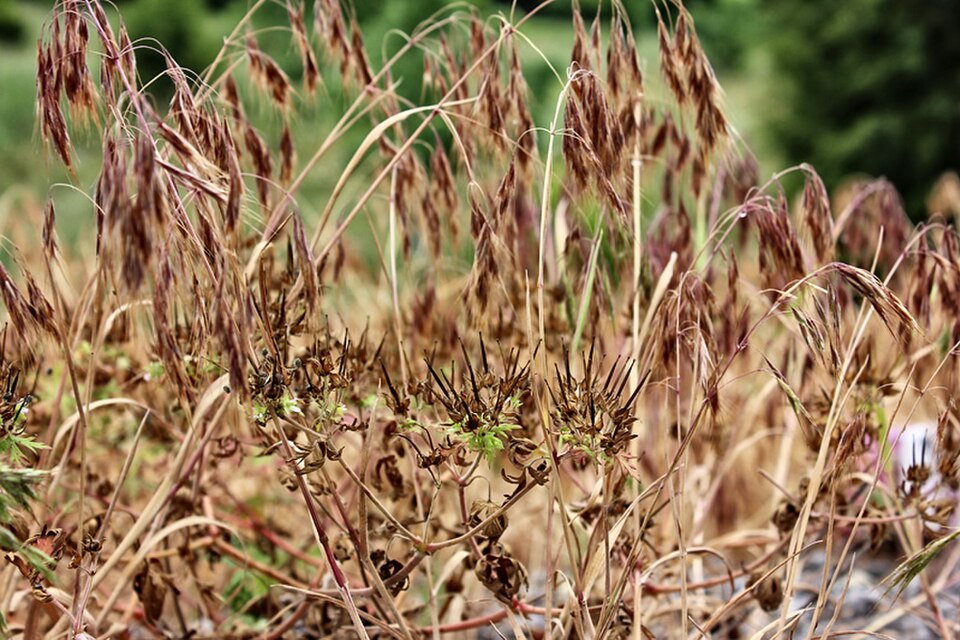
A few weeds may not seem like a crisis, but weeds are opportunists. They move into weak spots, spread quickly, and compete with grass for water, nutrients, and sunlight. Once weeds become established, removing them takes far more effort than preventing them early.
Weeds are often a symptom of lawn stress. Thin grass, compacted soil, poor mowing habits, and improper watering all create openings for weeds. That means the best weed control is not always a spray bottle. It is a thicker, healthier lawn that gives weeds less room to grow.
Pulling weeds early, improving soil health, mowing at the right height, and filling bare patches can help stop the problem before it takes over. A lawn does not need to be perfectly weed-free to be healthy, but it should not allow weeds to become the dominant plant. The thicker your grass becomes, the less space weeds have to claim.
Conclusion
A struggling lawn does not always mean the homeowner is careless. Sometimes it means the care routine is working against the grass. Watering too often, skipping aeration, using too much fertilizer, mowing too short, fertilizing at the wrong time, underwatering, underfeeding, ignoring mower blade sharpness, and letting weeds settle in can all slowly weaken a yard.
The strongest lawns are built with patience and strategy. Water deeply, mow high, feed with care, aerate when needed, sharpen your mower blade, and pay attention to the season your grass is living through. A lawn is not a carpet that can be forced into perfection every weekend. It is a living system. Treat it that way, and it will reward you with deeper roots, thicker growth, better color, and a yard that finally looks as healthy as you want it to feel.