A town name can fool us faster than a storefront covered in tinsel. We see Rudolph, Snowflake, Noel, or Santa Claus on a road sign and instantly build a whole story in our heads: sleigh bells, nativity scenes, candy canes, and postcard snow.
Yet festive names often hide far less seasonal origins. In many cases, what sounds like a tribute to Christmas is really a story about settlers, land deals, language drift, bureaucracy, local promotion, or pure accident.
That is what makes these places so memorable. They reveal how American place names often grow from practical decisions and local personalities, then are later reinterpreted by tourism, holiday branding, and the public imagination.
Rudolph, Wisconsin
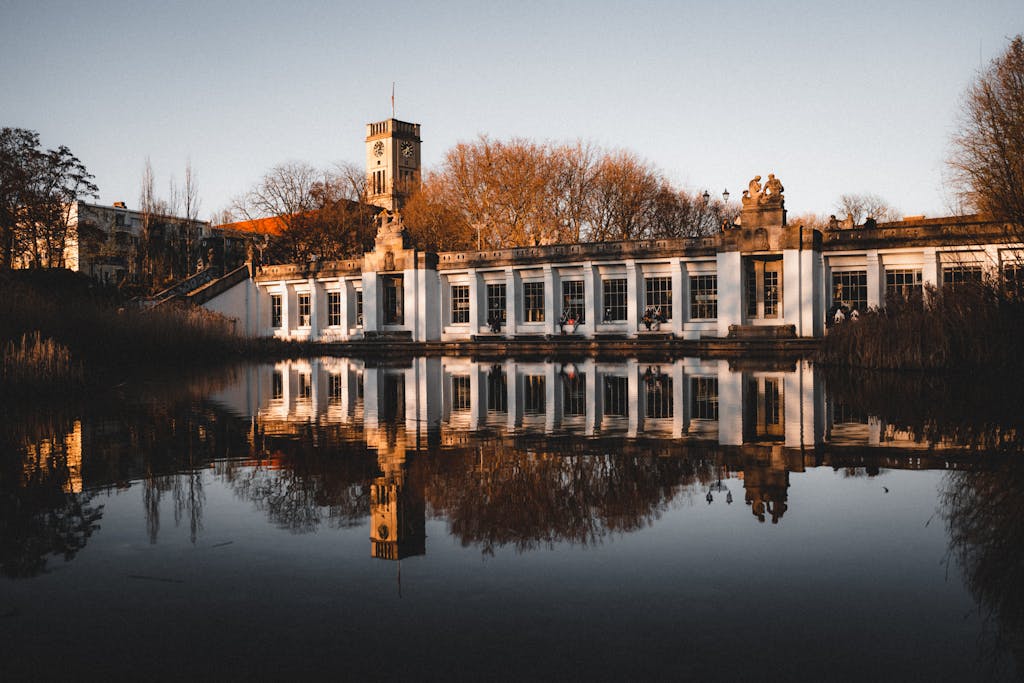
When we hear “Rudolph,” the red nose arrives in our minds before anything else. But the village history points to a much more grounded origin: Rudolph was named after Rudolph Hecox, an early settler child associated with the township’s naming, not after Santa’s most famous reindeer.
That makes the town a perfect example of how later holiday associations can overwhelm the plain, human story at the beginning. Wisconsin did not set out to create a Christmas landmark here. The festive reading came afterward, and the town later leaned into the coincidence rather than the original reason for the name.
Snowflake, Arizona
Snowflake sounds like a name designed by a greeting card company, especially for a town in the desert Southwest. The real origin is more specific and more revealing. The settlement was named by combining the surnames of Mormon colonizer William J. Flake and church apostle Erastus Snow, whose visit helped shape the community’s early identity.
That means the town’s name is not a reference to falling snow at all, but a stitched-together tribute to two men tied to its founding. What looks whimsical on a map is really a record of religious settlement and frontier naming politics.
Garland, Texas
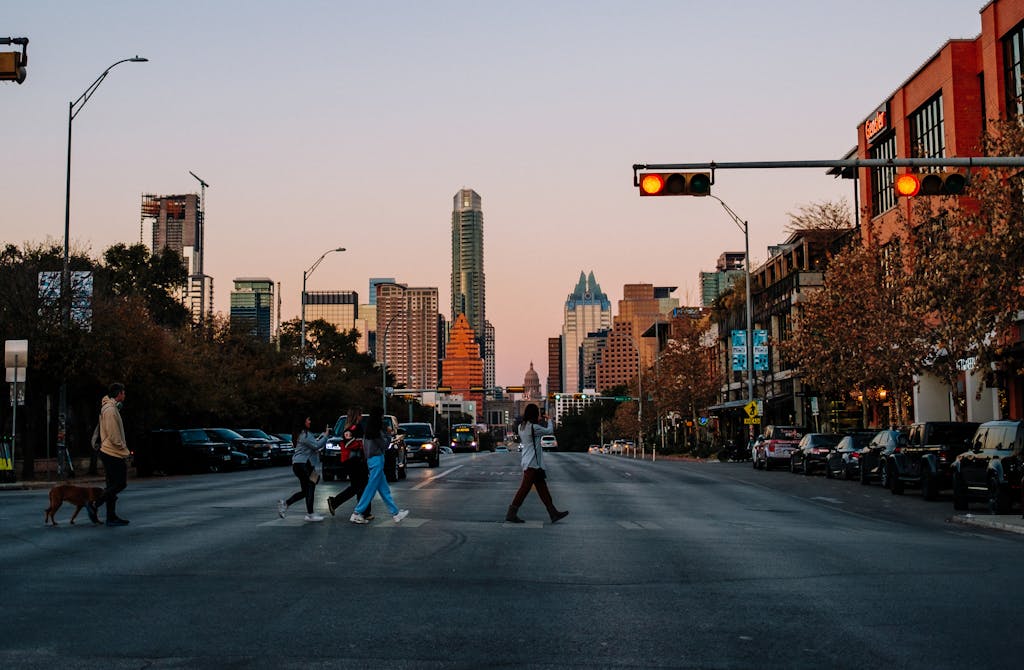
Garland feels unmistakably seasonal because the word already belongs to Christmas décor. Yet the city’s name came out of conflict, not celebration. Local history and Britannica both trace Garland’s naming to a dispute between the rival communities of Duck Creek and Embree, with Congressman Joe Abbott helping settle the matter by supporting a compromise location and name.
The new town was then named for Attorney General Augustus H. Garland. So the word may sound like evergreen trimming on a mantel, but its true roots lie in rail lines, rivalry, and Reconstruction-era politics.
Noel, Missouri
Few places feel more instantly festive than a town called Noel. The twist is that Noel, Missouri, was named for local brothers Clark Wallace Noel and William Jasper Noel, not for the French word that appears on holiday cards and carols.
Over time, the town brilliantly capitalized on the coincidence, building a long-running Christmas postmark tradition that has drawn holiday mail for decades. That later embrace of Christmas is exactly what makes Noel so fascinating. The name was not born from the holiday, but the town eventually turned the accident into a civic identity.
Santa Claus, Georgia
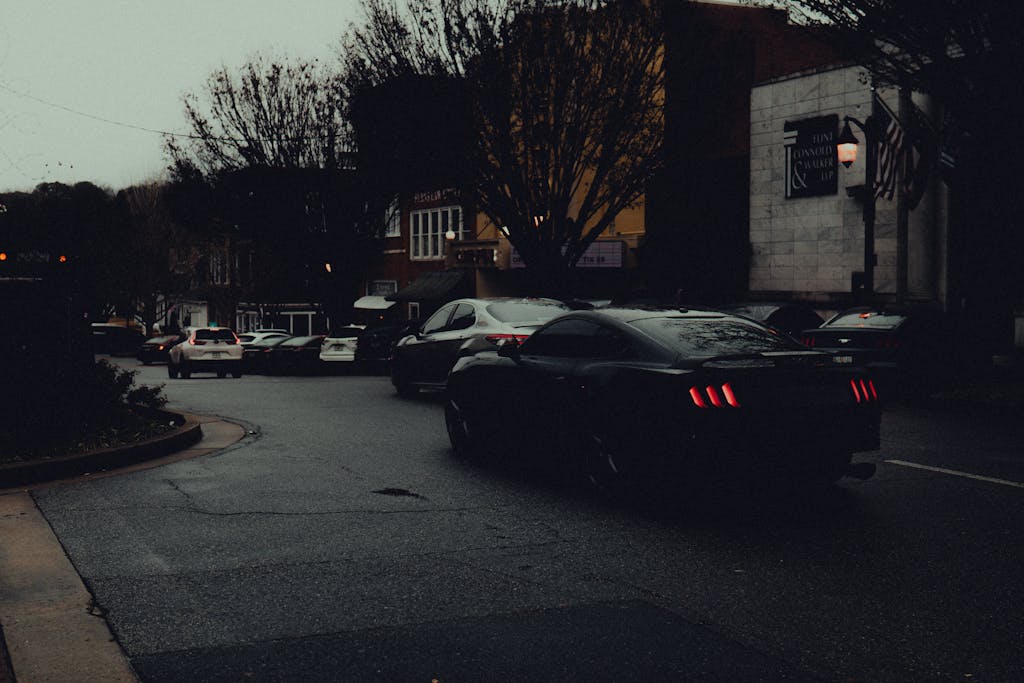
Some Christmas-sounding town names arrived by accident. Santa Claus, Georgia, did not. The city’s own history says local pecan farmer Calvin “Farmer” Greene chose the name in the 1930s in hopes of drawing passing motorists from U.S. Highway 1 to his business. That makes this one of the most transparent cases on the list: the name was commercial strategy first and holiday symbolism second.
In other words, Santa Claus was not named to honor the Christmas tradition. It was named because the holiday was useful, memorable, and marketable. That is pure American place-branding, decades before the term existed.
Shepherd, Montana
The word “shepherd” comes loaded with Christmas imagery because of the nativity story. That makes the Montana community sound almost biblically seasonal. But the place was named after R.E. Shepherd, an early settler and businessman tied to the Billings Land and Irrigation Company and Merchants National Bank, not after the shepherds of Bethlehem.
The contrast is striking. A name that sounds devotional is really commemorative in the most frontier-American way possible, honoring a person whose role in local development mattered more than any religious association outsiders later projected onto the word.
Snowball, Arkansas
Snowball sounds like the kind of town where winter ought to be the main event. Instead, the best evidence points to a naming mistake. According to local legend, local Masons had named their building Snow Hall after Sheriff Benjamin Franklin Snow.
When residents later petitioned for a post office, the submitted name appears to have been misread or misrecorded, and Snow Hall became Snowball. That kind of clerical mutation feels almost too perfect to be true, yet it captures how many American place names were fixed by paperwork long before branding experts or tourism boards could clean them up.
Christmas Valley, Oregon
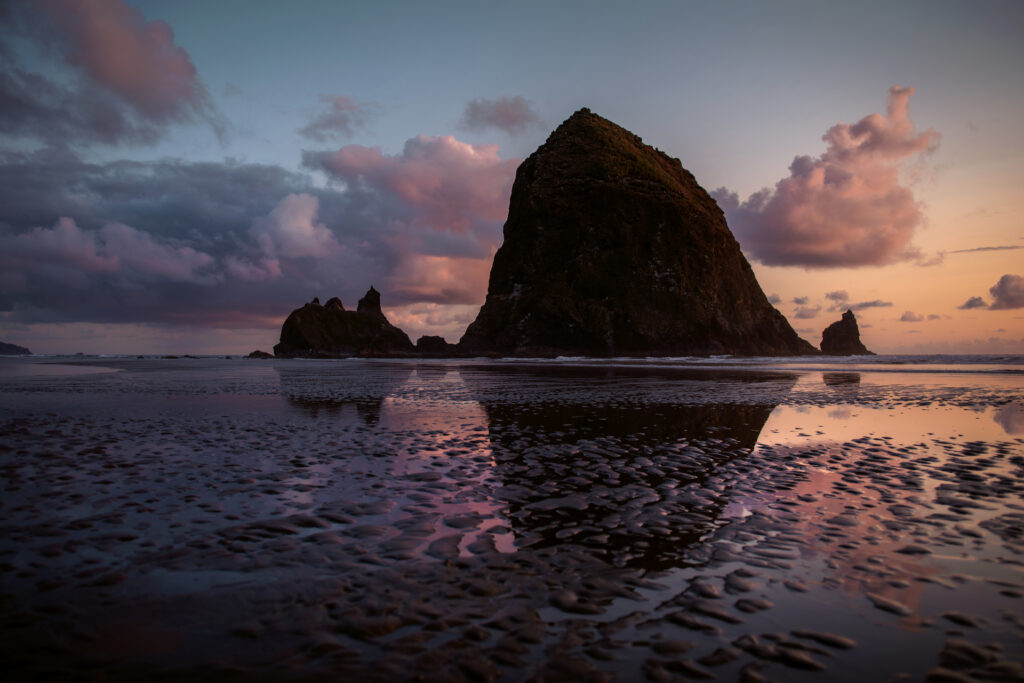
Christmas Valley sounds as though it should be all wreaths, sleigh rides, and December pageantry. The Oregon story is much stranger and more interesting. The name likely traces back to cattleman Peter Chrisman or Christman, whose surname gradually shifted in usage until Christmas Lake, and later Christmas Valley, took hold.
That means the holiday association was not the starting point at all. It was the result of linguistic drift, perhaps aided by spelling errors, repetition, and the way oral geography hardens into official geography. What seems magical is really the long afterlife of a misshapen surname.
Blitzen, Oregon
Blitzen may be one of the most misleading names on the map. It sounds inseparable from Santa’s reindeer lineup, yet the Oregon ghost town took its name from the nearby Donner und Blitzen River. Federal river history explains that the river’s name, “thunder and lightning,” translates from German and is tied to a storm experienced during a crossing. The town, in turn, inherited that geographic label. So the Christmas connection is backward. The place sounds festive only because popular culture later taught us to hear “Blitzen” as reindeer first, German weather imagery second.
Egg Nog, Utah
Egg Nog, Utah, may be the most delightfully misleading name on this list. The settlement was established in Garfield County in 1979, and the name is commonly associated with the local practice of serving eggnog to ranchers. That puts the origin closer to hospitality and labor than to Christmas ritual.
The drink itself became strongly associated with the holiday over time, but this tiny Utah place appears to have taken its name from a practical regional custom rather than a desire to sound festive. Even here, the Christmas aura is real in sound but thin in origin.