The health food market is booming, with new trends emerging each year that promise better health, vitality, and wellness. But the reality is that many of these so-called “health foods” are nothing more than clever marketing tactics with little actual benefit. From CBD-infused snacks to the latest fad diets, let’s take a closer look at the most overhyped health food trends that are simply not worth your investment.
Downfall of Meatless Meat

As the world grapples with the environmental impact of meat production, plant-based meat alternatives have skyrocketed in popularity. Companies like Beyond Meat and Impossible Foods have made headlines by creating plant-based burgers and sausages that mimic the taste and texture of meat. These innovations are often touted as being healthier for both people and the planet. But are they really the healthier alternative?
While it’s true that plant-based meat products are more sustainable than animal products, they often raise their own concerns. These faux meats are heavily processed and typically contain high amounts of sodium, artificial flavoring, and preservatives. If you’re switching to plant-based meat for health reasons, it might be worth considering whole plant-based foods, such as lentils, beans, and quinoa, rather than heavily processed alternatives. After all, not all plant-based foods are automatically healthy.
CBD and Hemp
The rise of CBD and hemp products in food, drinks, and skincare has been nothing short of explosive. From wellness gummies to drinks claiming to ease anxiety, CBD has become the go-to solution for everything from sleepless nights to post-workout recovery. And with major brands like Coca-Cola and Ben & Jerry’s jumping on the bandwagon, CBD is here to stay. But is it really the magical cure-all it’s cracked up to be?
While there is a growing body of research suggesting that CBD may have some therapeutic benefits, particularly in treating anxiety and epilepsy, the consumer market is still flooded with poorly regulated, low-quality products. Furthermore, CBD has not been universally endorsed by the medical community. Many products contain only trace amounts of CBD or are marketed with exaggerated claims about their effectiveness. Therefore, before you dive into the latest CBD-infused drink, be sure to do your research, and remember that moderation is key.
The Misleading Allure of Celery Juice

Celery juice is one of the most bizarre health food fads of the past few years. With claims that drinking 16 ounces of celery juice every day could solve almost every health issue from bloating to autoimmune conditions, it has gathered a cult following. But is this green elixir truly the health miracle people believe it to be?
The reality is that celery is a nutritious vegetable, packed with vitamins and antioxidants. Still, the idea that its juice alone can cure health ailments is an oversell. While celery juice may aid in hydration and provide some beneficial fiber, it doesn’t hold the “magical” qualities that influencers have made it out to have. If you enjoy celery juice, there’s no harm in adding it to your diet, but it should not be viewed as a cure-all or as a replacement for a well-rounded diet.
The Intermittent Fasting Craze
Intermittent fasting (IF) has gained a massive following in the health and fitness world, with proponents touting benefits like weight loss, improved insulin sensitivity, and even mental clarity. Various fasting schedules, such as the 16:8 method (16 hours of fasting, 8 hours of eating), have made it a trendy diet choice. However, the science on IF is mixed, and while it may work for some, it’s not without its drawbacks.
IF can lead to overeating during eating windows, potentially negating any potential benefits. Furthermore, it’s not a one-size-fits-all solution, and many people may find it unsustainable in the long term. There are also concerns about how intermittent fasting might affect people with certain medical conditions, such as diabetes. Therefore, while IF may have short-term benefits, it’s important to listen to your body and consult a healthcare professional before committing to any fasting regimen.
Mushroom Infused Foods

Mushrooms have seen a significant surge in popularity in recent years, with everything from mushroom coffee to mushroom-infused snacks popping up on supermarket shelves. These fungi are often praised for their potential to boost metabolism, improve immunity, and even calm anxiety. Many health-conscious consumers are opting for these alternatives in their quest for better mental and physical wellness. But, while mushrooms are undeniably nutritious and offer significant health benefits, the question remains: do they live up to their buzz?
What many people don’t realize is that not all mushroom-based products are created equal. While whole mushrooms are nutrient-dense and offer significant health benefits, processed mushroom products, particularly those in coffee and energy drinks, may not provide the same level of nutrients. The jury’s still out on the long-term effectiveness of mushroom-infused products as a functional food, so while they’re certainly a tasty addition to your diet, don’t expect them to be the miracle solution for all of your health issues.
The Wasted Money on Collagen-Infused Foods
Collagen-infused products have become a staple in the health and beauty industry, marketed as the secret to youthful skin, stronger hair, and improved joint health. From collagen powders in smoothies to collagen-boosting snacks, you can’t escape the claims of anti-aging benefits. But does adding collagen to your diet actually make a difference?
The body naturally produces collagen, and while supplementation may help with joint pain, research on collagen’s ability to improve skin elasticity and reduce wrinkles is limited. Collagen supplements are often broken down into amino acids, so they may not directly provide the collagen your skin needs. Instead of relying on expensive collagen products, experts recommend a diet rich in vitamins A, C, and E, along with regular use of sunscreen and retinol for anti-aging benefits.
The Healthy Snack Industry.
Health-conscious snack options have exploded in recent years, with everything from keto chips to vegan protein bars making their way onto store shelves. These snacks promise to be low in sugar, high in protein, and packed with good fats. With busy lifestyles making it difficult for people to sit down for a full meal, healthier snack alternatives are certainly a welcome trend.
However, some “healthy” snacks are not as healthy as they appear. Many of these snacks are still heavily processed and contain added sugars, artificial sweeteners, and preservatives to enhance taste and shelf life. To make truly healthy snack choices, focus on whole foods like fruits, vegetables, nuts, and seeds. While pre-packaged snacks can be convenient, they should be enjoyed sparingly and not be relied upon as the foundation of a healthy diet.
The Avocado Obsession
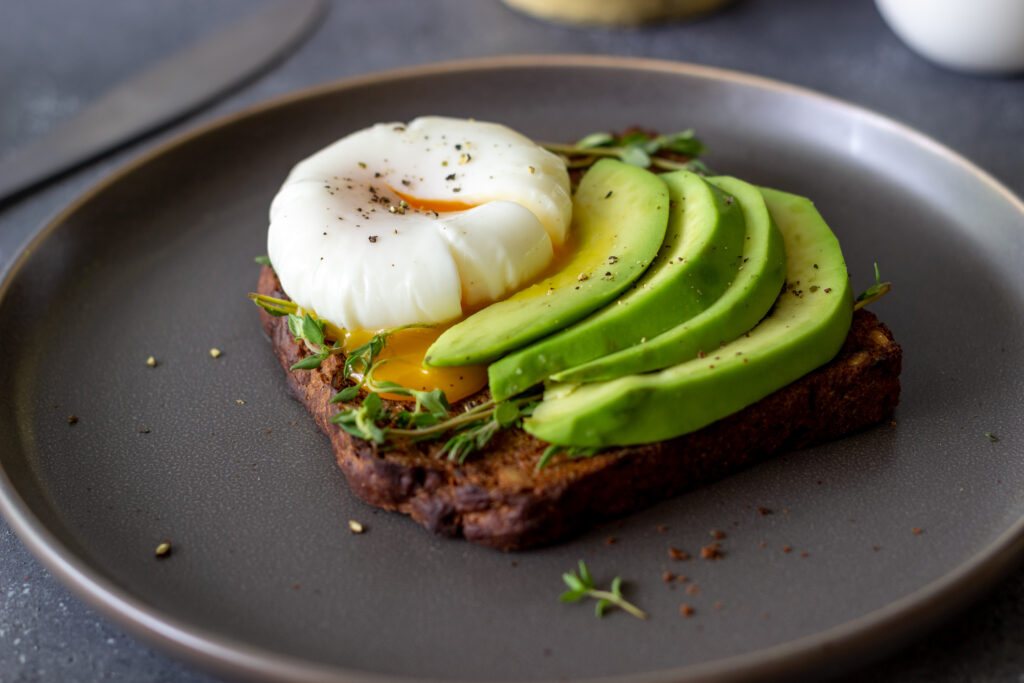
Avocados have become a poster child for healthy fats and a popular addition to everything from salads to toast. They are rich in heart-healthy monounsaturated fats and loaded with vitamins and minerals. However, the obsession with avocados has taken a toll on the environment, with their production causing significant environmental damage, particularly in water-scarce regions.
An avocado tree requires a large amount of water to produce fruit, and the rise in demand for avocados has led to unsustainable farming practices in some regions. Additionally, avocados are becoming more expensive, with prices soaring due to supply and demand. While they remain a nutritious food, it’s important to enjoy them in moderation and to consider their environmental impact when making purchasing decisions.
The Illusion of “Superfoods”
The term “superfood” has been thrown around loosely in the health food market, but there’s no official definition. It’s become a marketing buzzword used to sell everything from acai berries to spirulina, promising a wide range of health benefits. But the reality is that no single food can provide all of the nutrients and health benefits your body needs.
While many superfoods are indeed nutrient-dense and offer impressive health benefits, they should never be viewed as the sole solution to good health. Eating a balanced, varied diet that includes a wide range of nutrients from different food groups is the best way to achieve long-term health. So, while incorporating some “superfoods” into your diet is certainly a good idea, don’t rely on them to be the magic bullet to fix all your health concerns.